
oriental beech
Also known as: Turkish beech
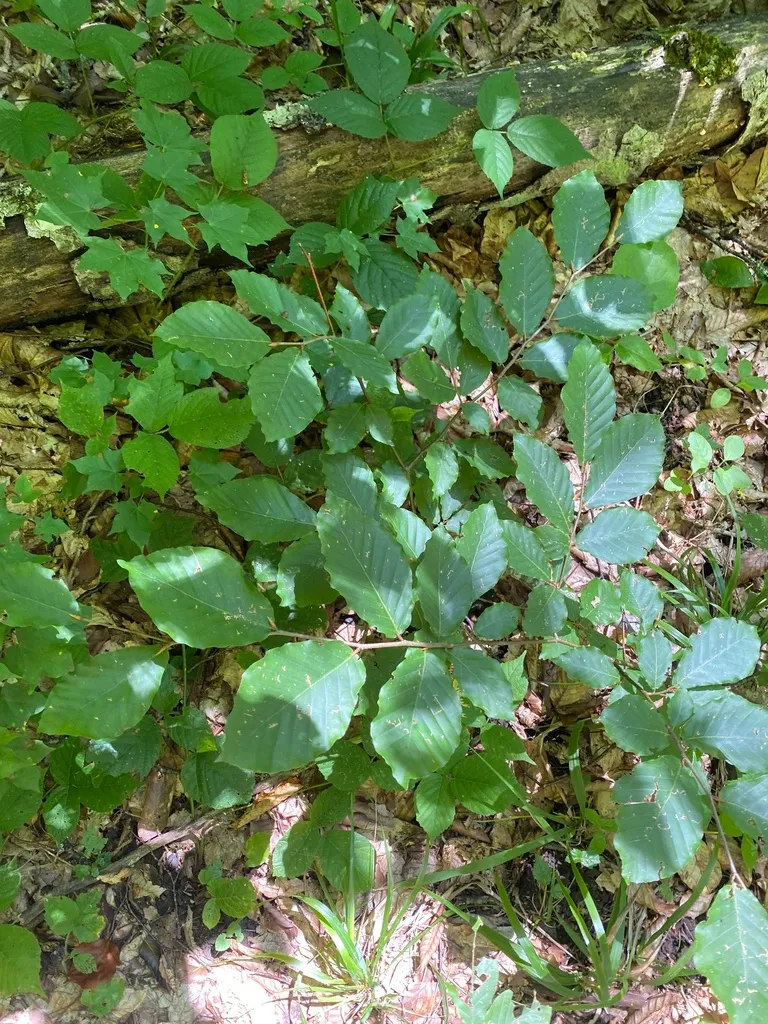
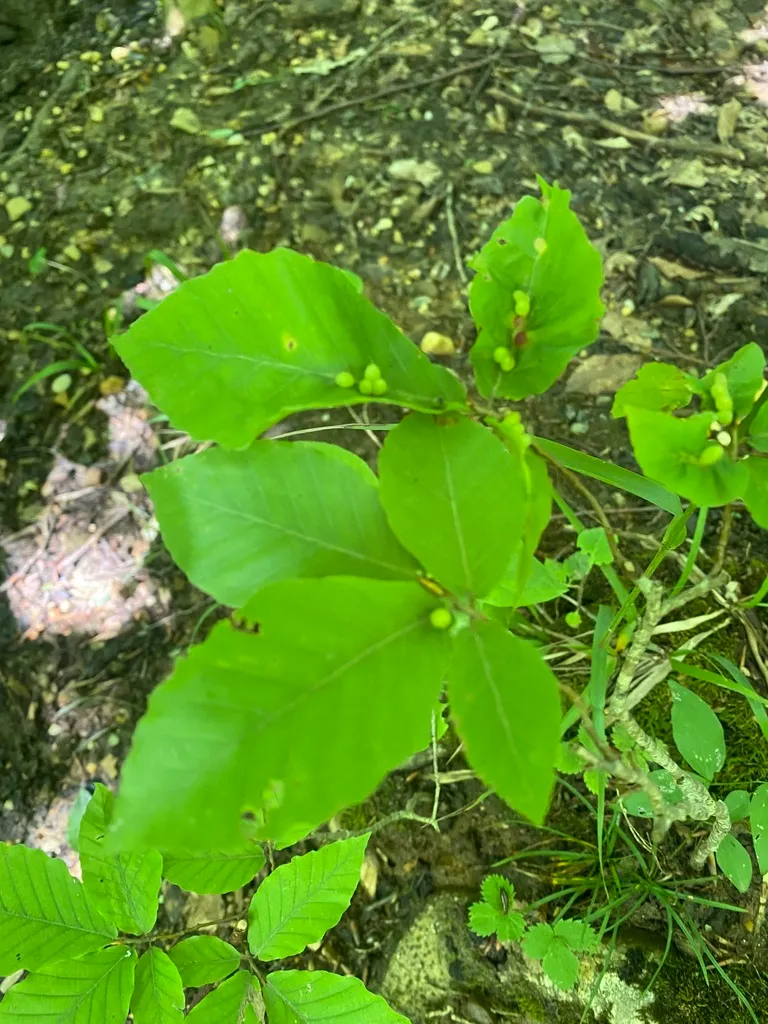
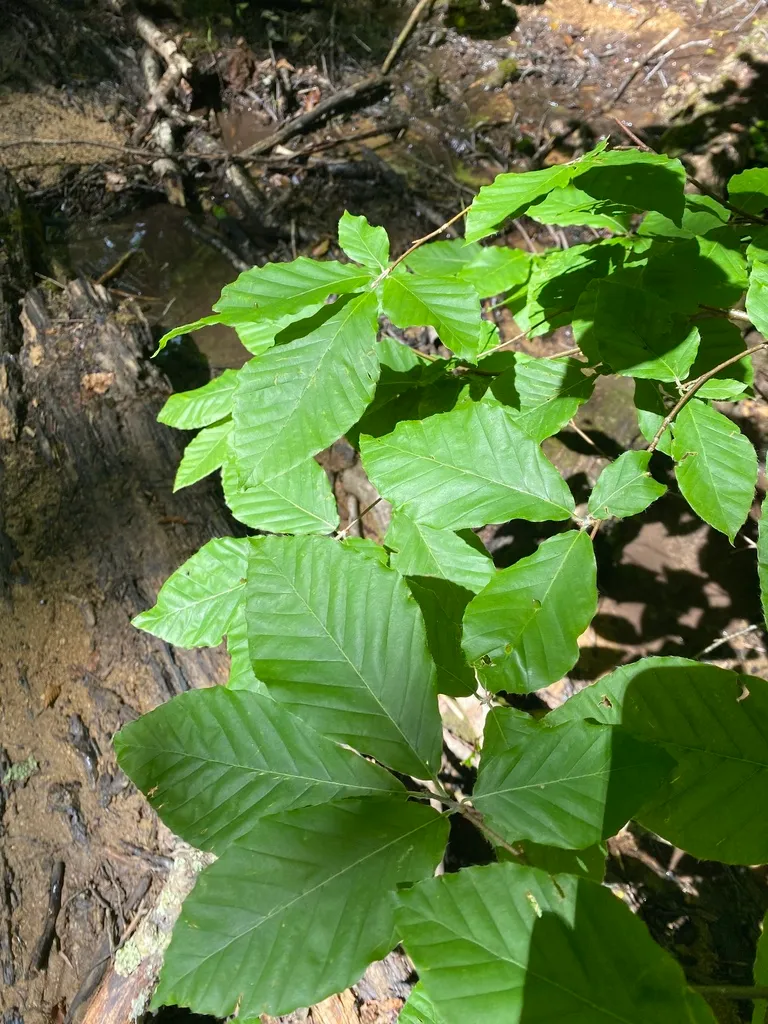
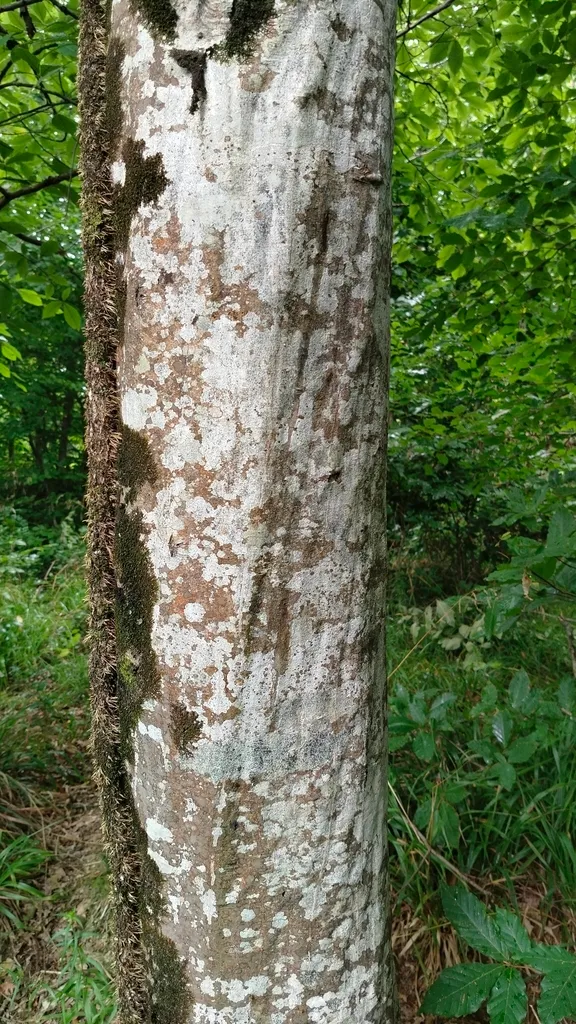
A very large, deciduous tree reaching 40m. It is extremely similar to European Beech, except may prove to be better suited to hotter drier climates. It has bright green leaves which cast thorough shade and on branches lower than 3-4m, keep its autumn orange-brown leaves all winter, only falling as new ones grow. This makes it a good hedge without being evergreen. The bark is silver-grey with a smooth surface. Some years (most years), large quantities of small prickly nut cases containing 3-cornered nuts, are produced
Scientific classification
- Species
- oriental beech (Fagus orientalis)
- Genus
- Fagus
- Family
- Fagaceae
- Order
- Fagales
- Class
- Magnoliopsida
- Phylum
- Tracheophyta
- Information to be completed
- Toxicity
- Trees
- Plant type
- Higher than 12 metres
- Height
- wider than 8 metres
- Spread
- Deciduous
- Foliage
- Columnar upright
- Habit
- Autumn · Spring · Summer · Winter
- Season of interest
- Full sun
- Sunlight
- Information to be completed
- Ideal temperature









oriental beech pictures
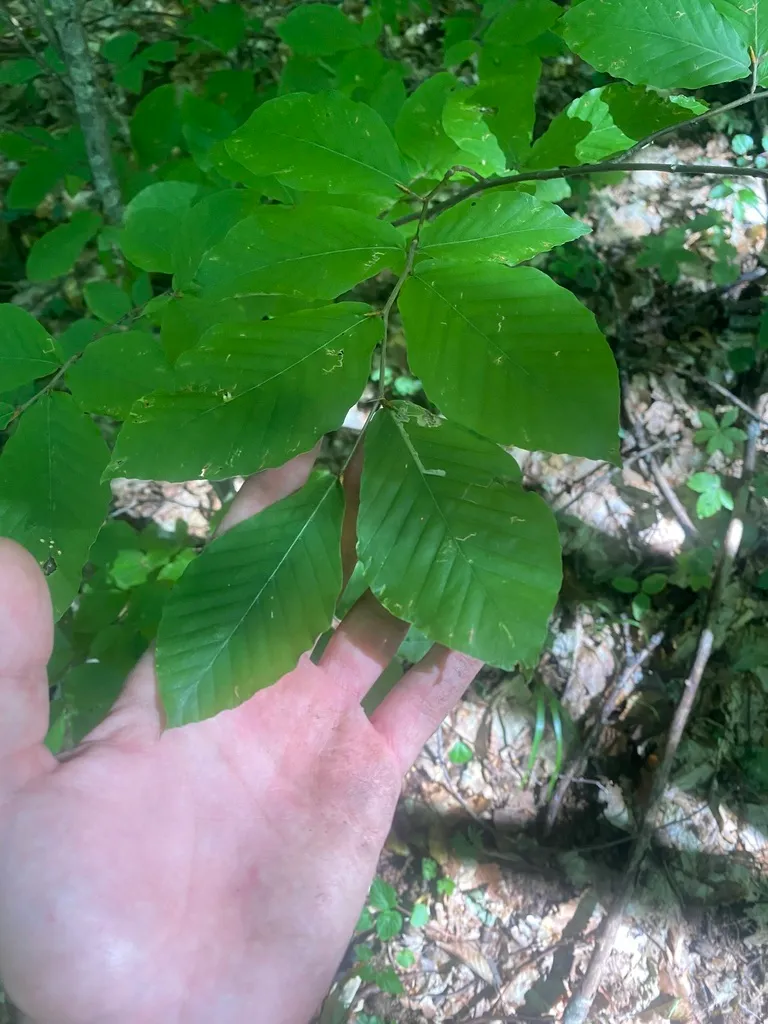
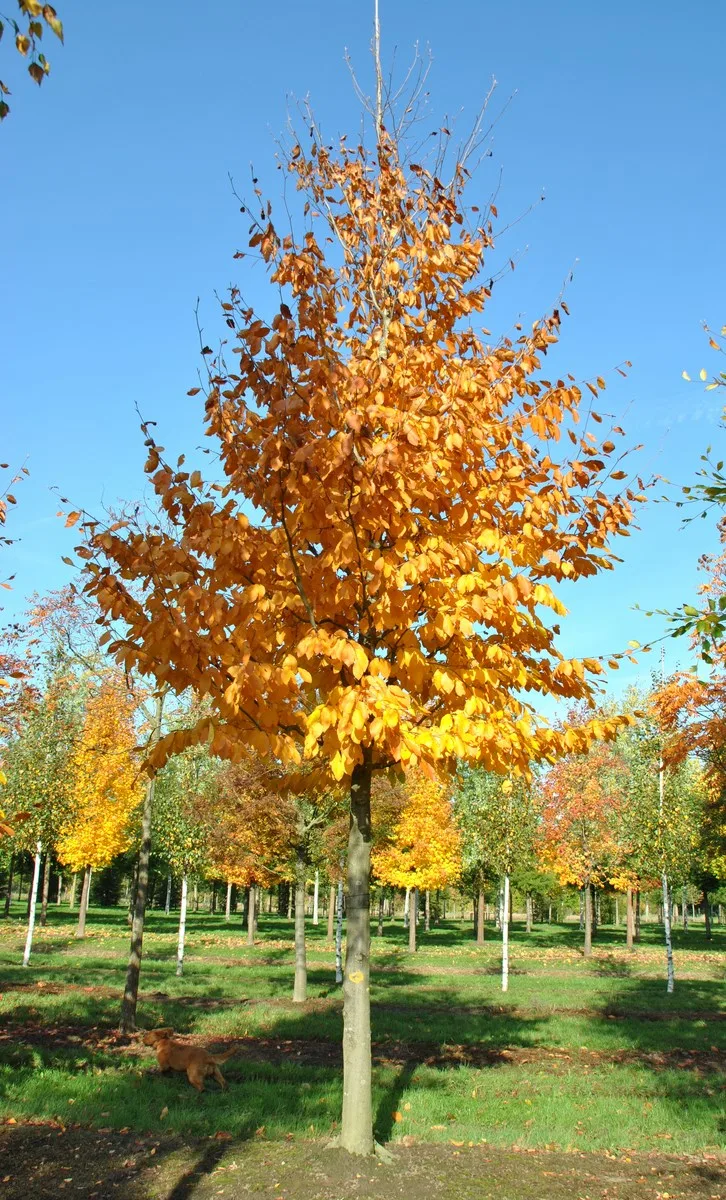
Distribution of oriental beech
Distribution map
- Native
- Introduced
- Cultivated
Source:WCVP v16 · Royal Botanic Gardens, Kew · CC BY 3.0 · Boundaries:WGSRPD / TDWG
oriental beech care guide
- Moderate regular watering, allowing brief slight drying between soakings
- Watering
- Full sun
- Sunlight

Watering
Moderate regular watering, allowing brief slight drying between soakings
Fertilizing
 Fertilizing
Balanced perennial feed every four weeks from spring through summer
Pruning
 Pruning
Little pruning is needed. Remove diseased, damaged, crowded or crossing shoots and unwanted growth. Timing depends on the plant: generally late winter or early spring; plants prone to bleeding and deciduous magnolias need different timing, and deciduous azaleas and lilacs are pruned after flowering.
Propagation
 Propagation
Propagate from seed
Growing
 Growing
Grow in any free-draining soil in full sun. Dislikes a dry atmosphere. For more advice see Beech cultivation
Common pests and diseases
Diseases
May be susceptible to fungi that cause beech heart rots and honey fungus
Pests
May be susceptible to bark stripping by deer and rabbits when young, beech scale and beech red spider mite
Explore the plant health library →




