
deodar
Also known as: fountain tree; Himalayan cedar; Indian cedar
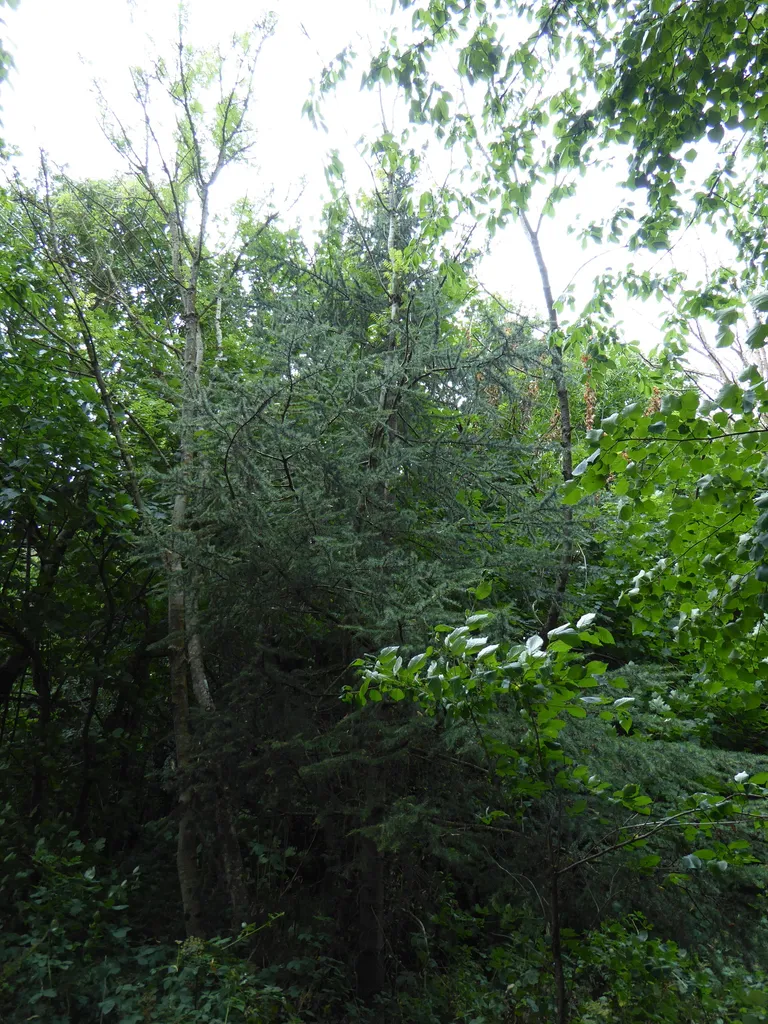
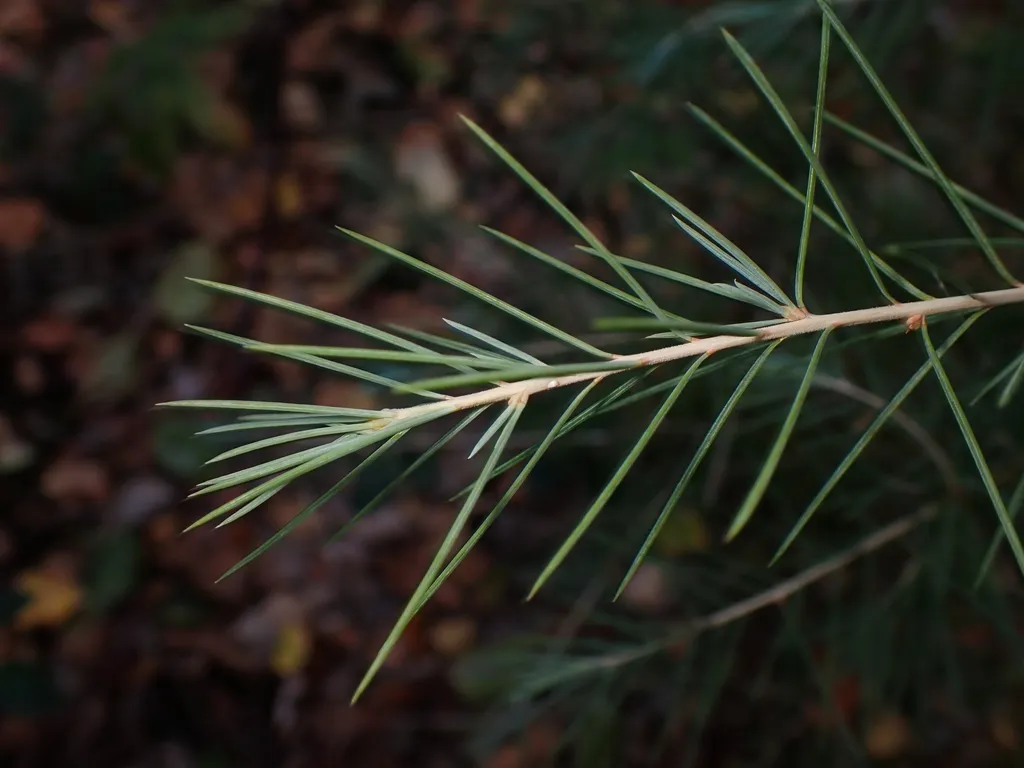
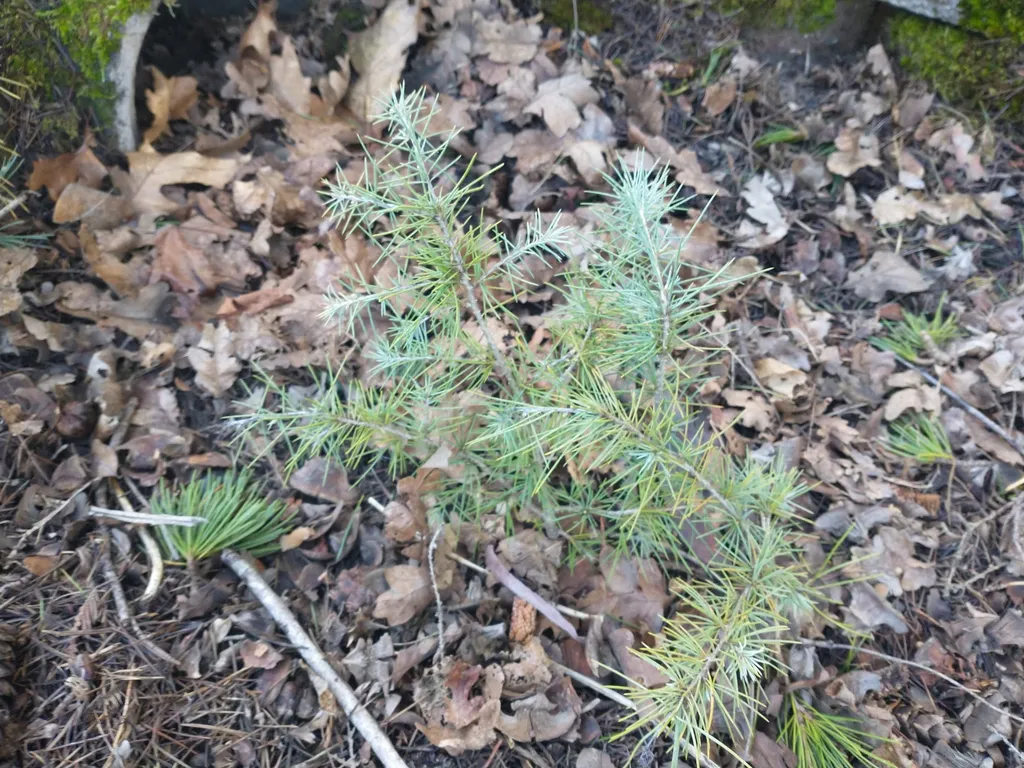
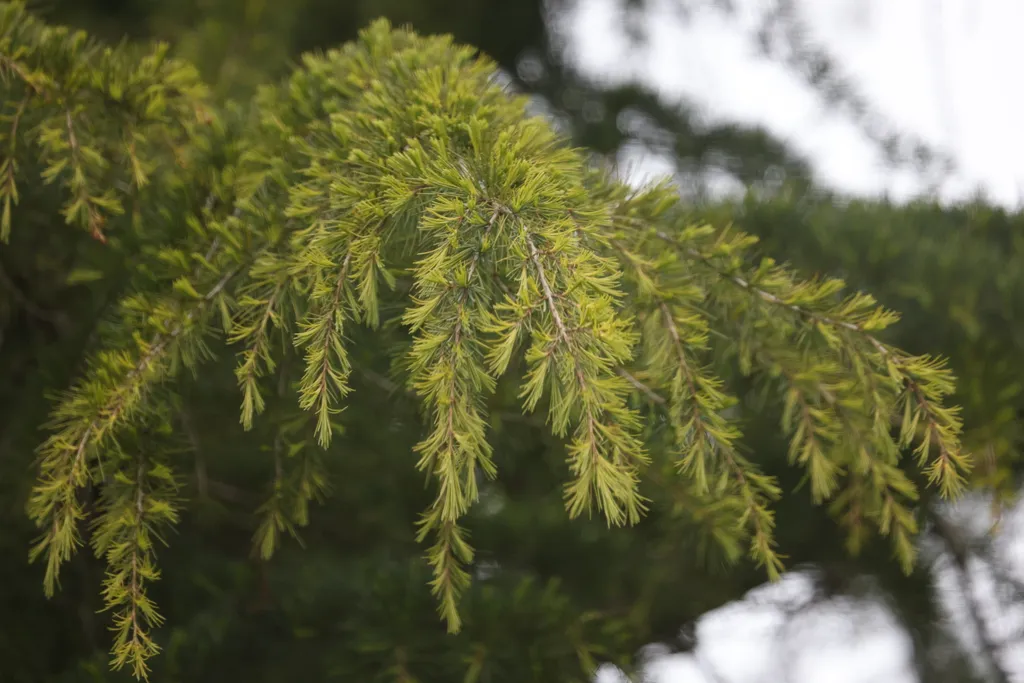
An evergreen conifer making a large tree, at first conical with a drooping leading shoot, later broad-crowned. Needles to 4cm in length, slightly glaucous, mostly whorled. Cone to 10cm in length, broadly-ovoid
Scientific classification
- Species
- deodar (Cedrus deodara)
- Genus
- Cedrus
- Family
- Pinaceae
- Information to be completed
- Toxicity
- Conifers · Trees
- Plant type
- Higher than 12 metres
- Height
- wider than 8 metres
- Spread
- Evergreen
- Foliage
- Information to be completed
- Habit
- Spring · Summer · Autumn · Winter
- Season of interest
- Full sun
- Sunlight
- Information to be completed
- Ideal temperature









deodar pictures
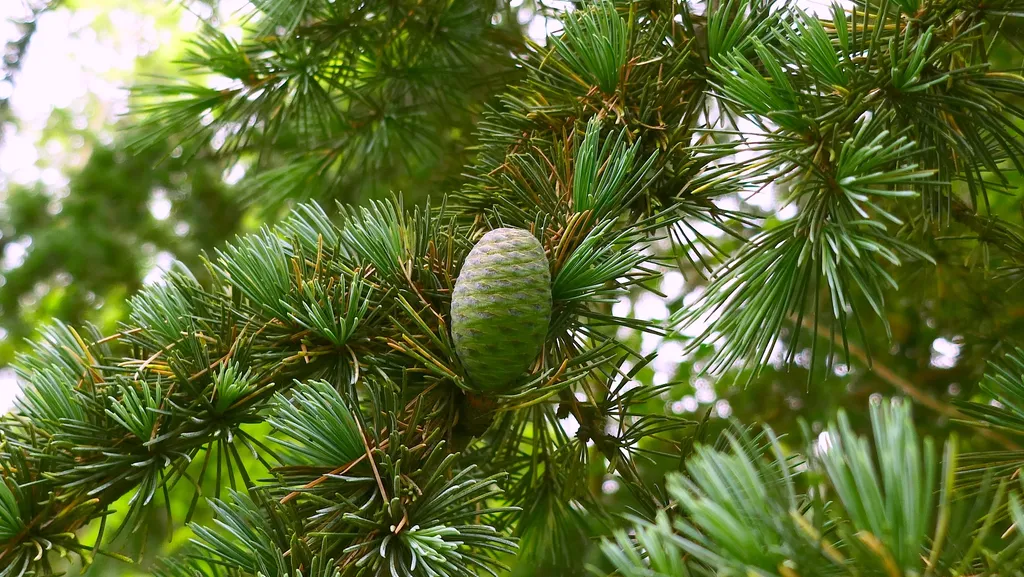
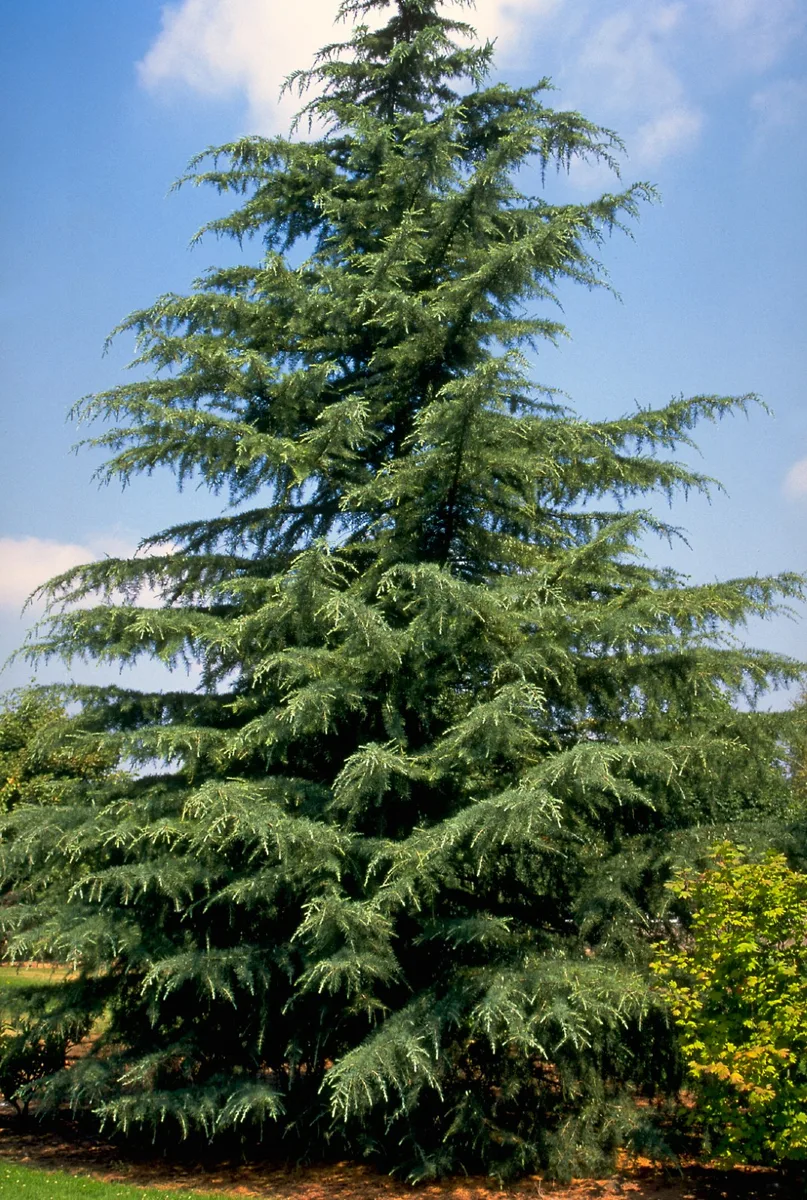
Distribution of deodar
Distribution map
Western Himalaya
Information to be completed
Culture
Information to be completed
Toxicity
Information to be completed
Quick identification of deodar
Information to be completed
deodar care guide
- Deep occasional watering with excellent drainage, less once established
- Watering
- Full sun
- Sunlight
- Information to be completed
- Ideal temperature

Watering
Deep occasional watering with excellent drainage, less once established
Fertilizing
 Fertilizing
Light conifer feed once yearly in early spring only
Pruning
 Pruning
No pruning required
Propagation
 Propagation
Propagate by seed or semi-hardwood cuttings
Growing
 Growing
Good specimen tree but needs space to reach full potential. Grow in any well-drained soil
People also ask
Information to be completed
Common pests and diseases
Diseases
May be susceptible to honey fungus
Pests
May be susceptible to conifer aphid
Explore the plant health library →




