
evening trumpet flower
Also known as: Carolina jasmine; Carolina yellow jasmine; false jasmine; yellow jessamine
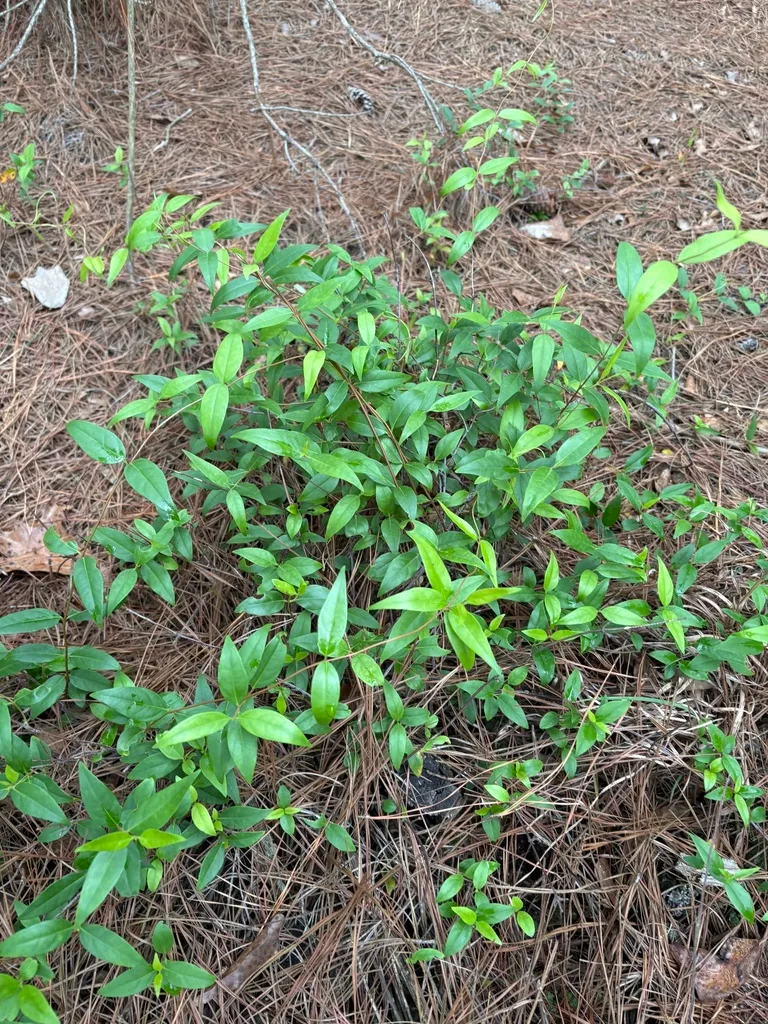
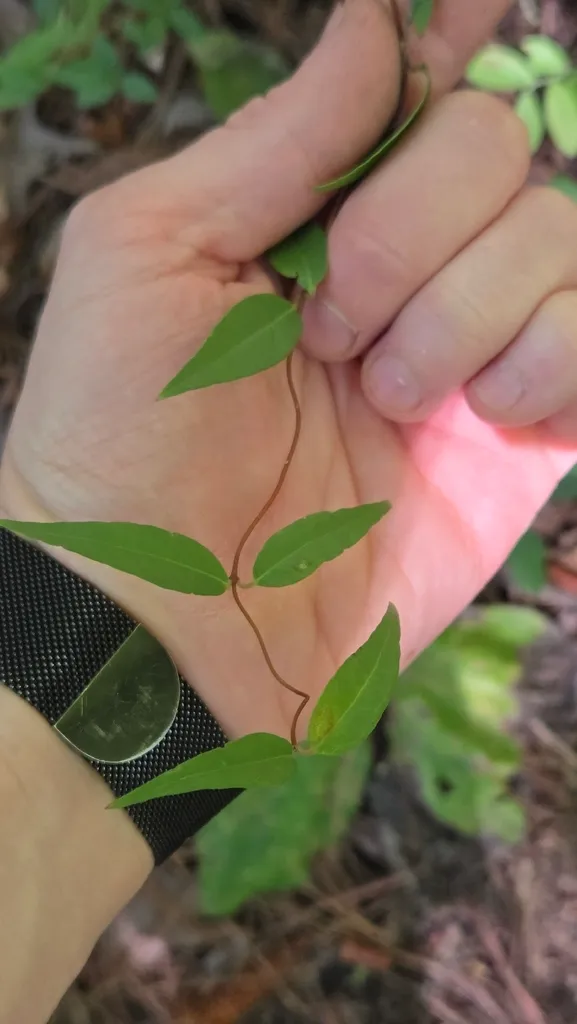
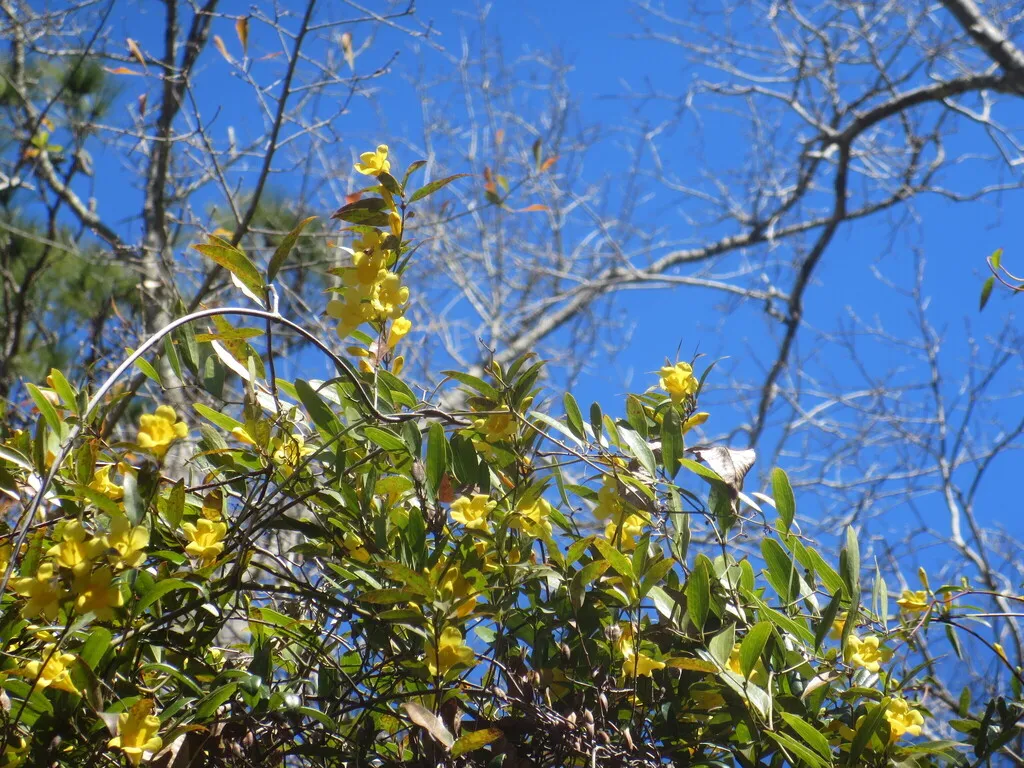
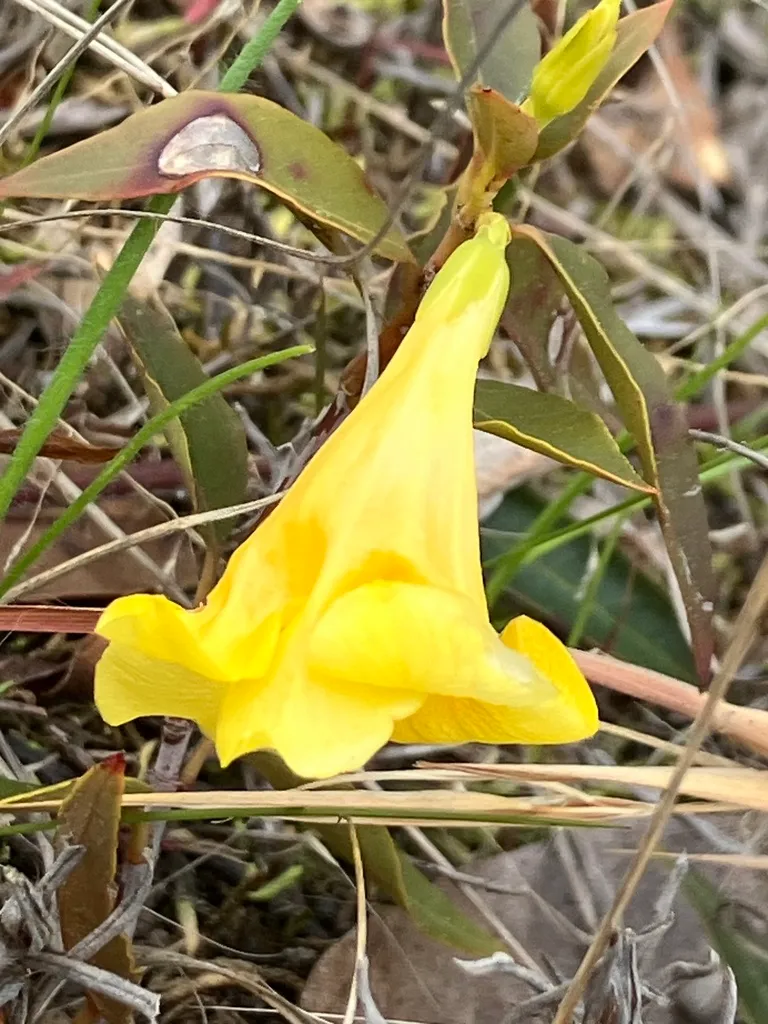
An evergreen perennial to 4m, with slender twining stems bearing glossy ovate leaves and small clusters of funnel-shaped, fragrant, pale or deep yellow flowers 3cm in length, marked with orange in throat
Scientific classification
- Species
- evening trumpet flower (Gelsemium sempervirens)
- Genus
- Gelsemium
- Family
- Gelsemiaceae
- Harmful if eaten. Wear gloves and other protective equipment when handling
- Toxicity
- Climber Wall Shrub
- Plant type
- 2.5-4 metres
- Height
- 0.5-1 metres
- Spread
- Evergreen
- Foliage
- Climbing
- Habit
- Spring · Summer · Autumn · Winter
- Season of interest
- Full sun · Partial shade
- Sunlight
- Information to be completed
- Ideal temperature









evening trumpet flower pictures
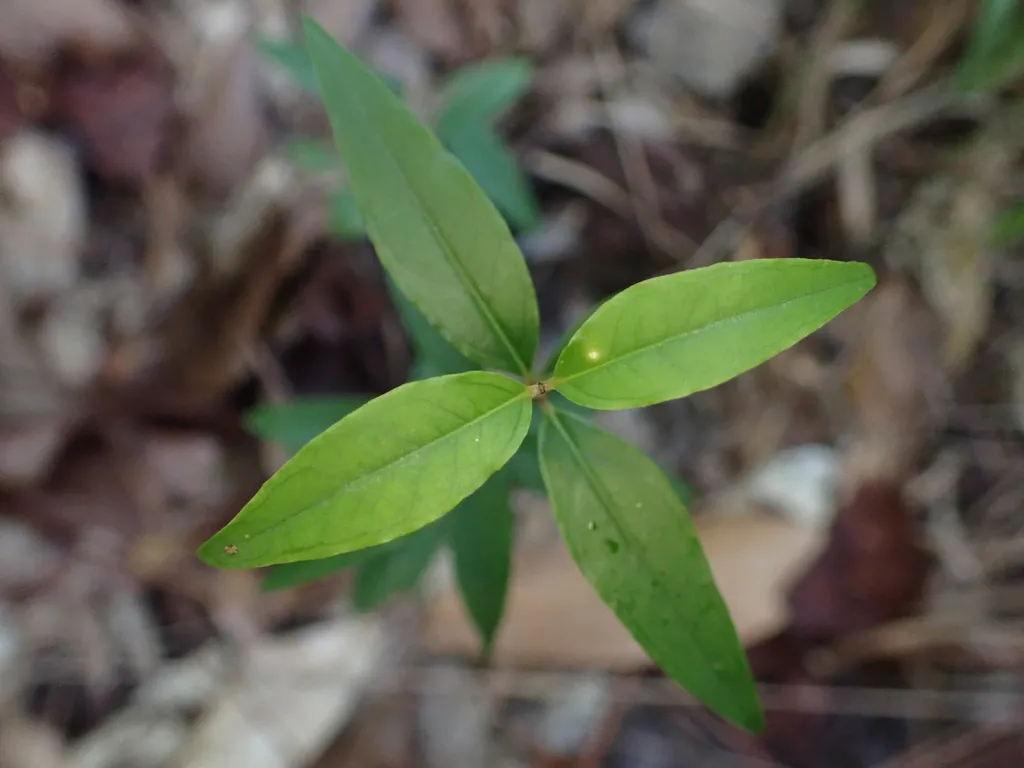
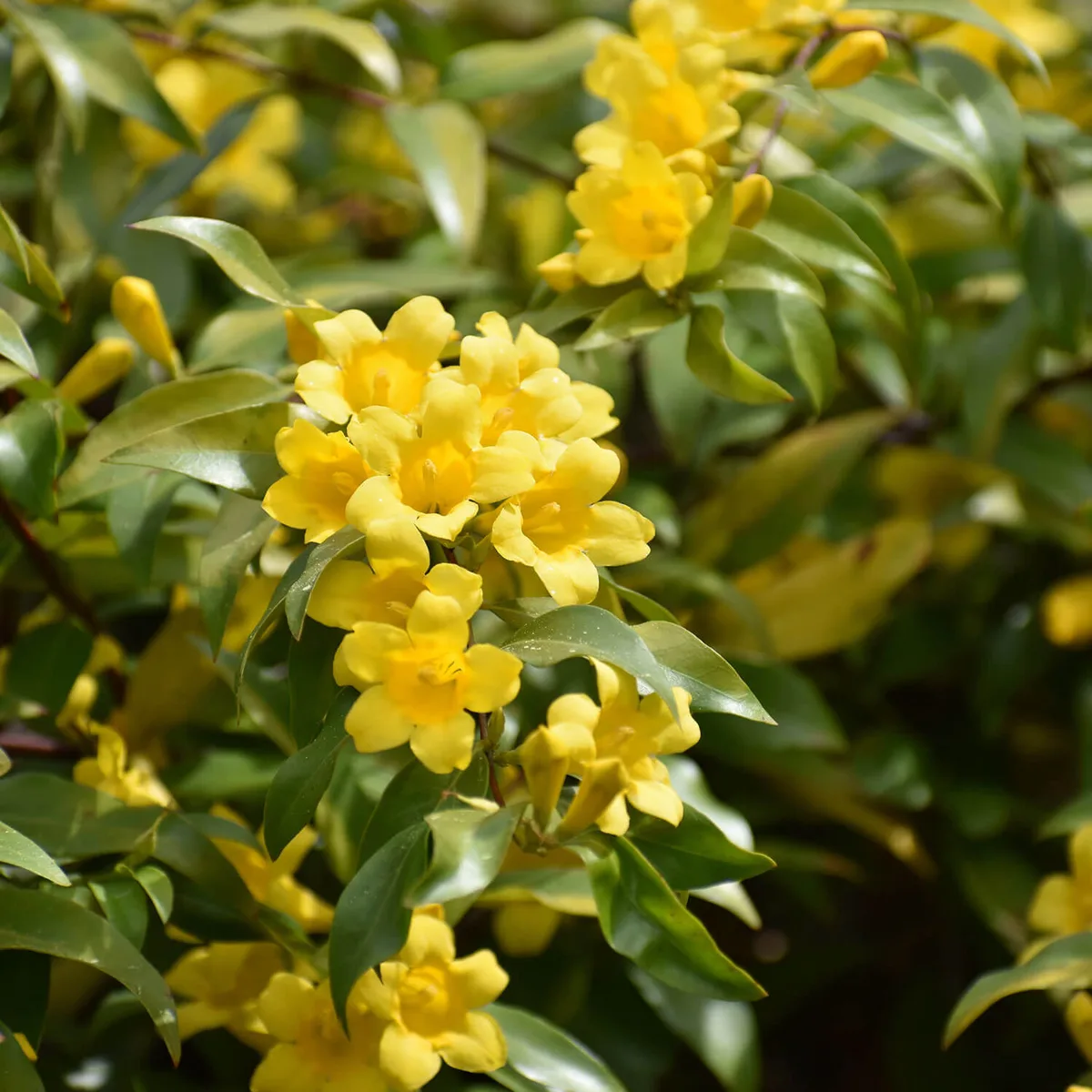
Distribution of evening trumpet flower
Distribution map
Central Americas
Information to be completed
Culture
Information to be completed
Toxicity
Harmful if eaten. Wear gloves and other protective equipment when handling
Quick identification of evening trumpet flower
Information to be completed
evening trumpet flower care guide
- Moderate regular watering, allowing slight drying between waterings
- Watering
- Full sun · Partial shade
- Sunlight
- Information to be completed
- Ideal temperature

Watering
Moderate regular watering, allowing slight drying between waterings
Fertilizing
 Fertilizing
Balanced feed monthly during active growth season
Pruning
 Pruning
On established plants, shorten sideshoots to three or four buds from the permanent framework; remove crowded or damaged shoots. Prune after flowering has finished.
Propagation
 Propagation
Propagate by seed sown at 13 to 18°C in spring or take semi-hardwood cuttings with bottom heat in summer
Growing
 Growing
Grow under glass in a loam based potting compost in full or bright filtered light with shade from hot sun. Water freely when in growth applying a balanced liquid fertiliser monthly. Water sparingly in winter. Can be grown outdoors in milder areas in most moderately fertile soils but will require protection from cold drying winds
People also ask
Information to be completed
Common pests and diseases
Diseases
Generally disease-free
Pests
May be susceptible to glasshouse whitefly
Explore the plant health library →




