
Rudbeckia grandiflora
Also known as: Information to be completed
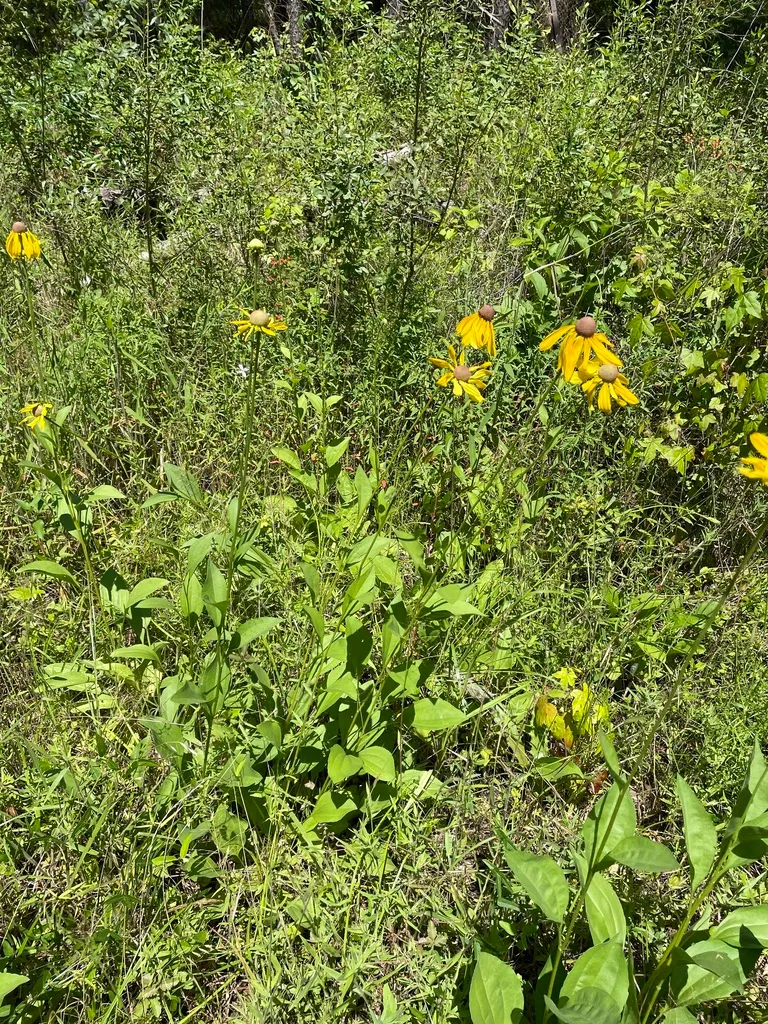
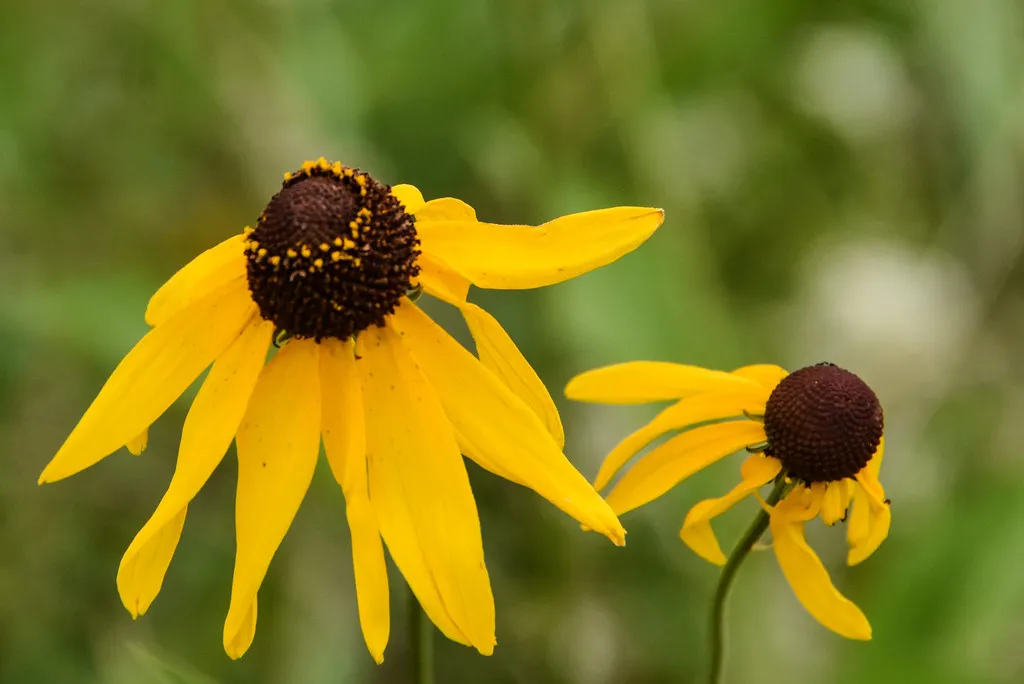
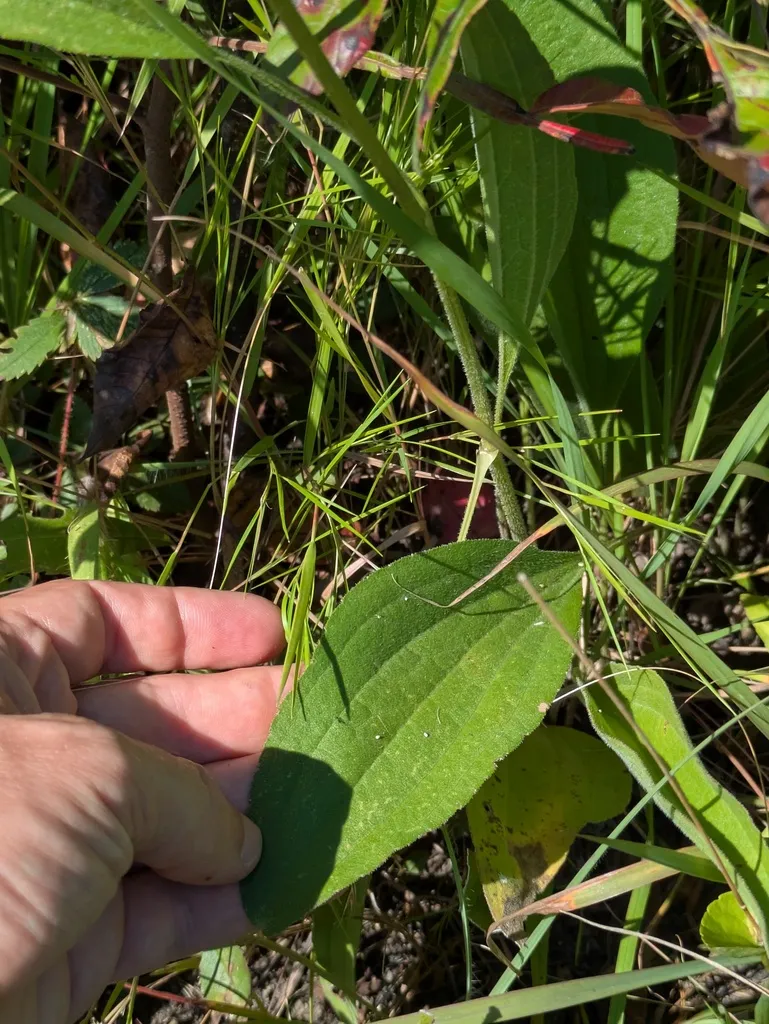
A tall, clump-forming herbaceous perennial, up to 1.8m high, with hairy stems and broadly lance-shaped, hairy green leaves. Produces large, daisy-like flowerheads, with a prominent grey-green central cone that turns brown as the flowers mature, and drooping yellow petals. Flowers are held singly on tall stems from mid to late summer
Scientific classification
- Species
- Rudbeckia grandiflora (Rudbeckia grandiflora)
- Genus
- Rudbeckia
- Family
- Asteraceae
- Order
- Asterales
- Class
- Magnoliopsida
- Phylum
- Magnoliophyta
- Information to be completed
- Toxicity
- Herbaceous Perennial
- Plant type
- 1.5-2.5 metres
- Height
- 0.5-1 metres
- Spread
- Deciduous
- Foliage
- Bushy · Columnar upright
- Habit
- Spring · Summer · Autumn
- Season of interest
- Full sun · Partial shade
- Sunlight
- Information to be completed
- Ideal temperature









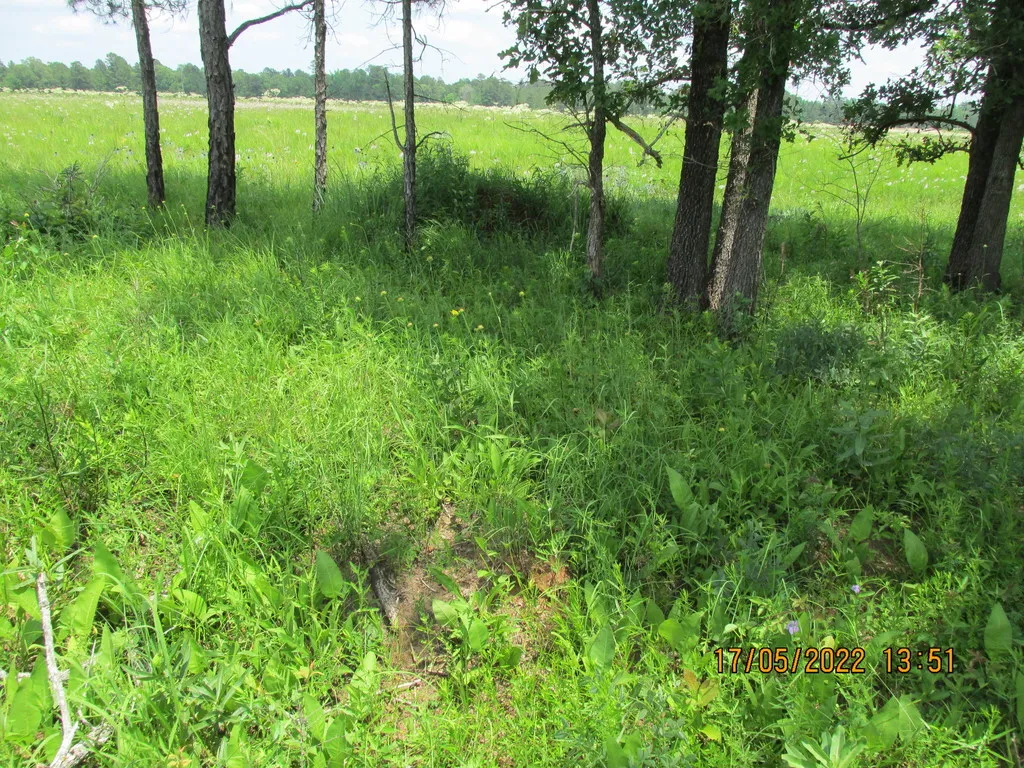
Rudbeckia grandiflora pictures
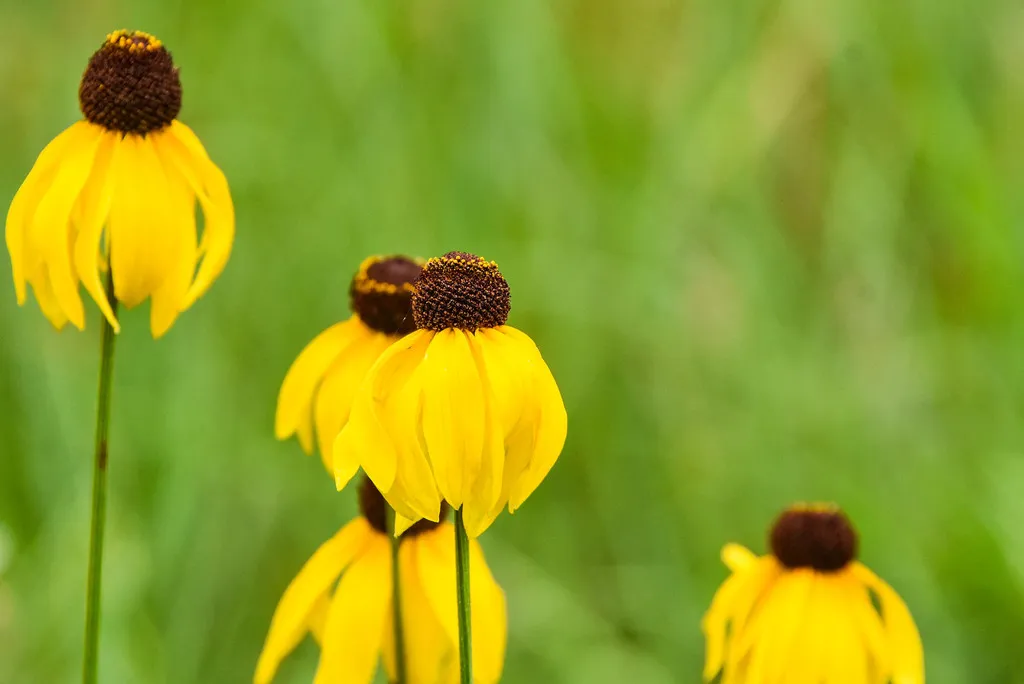
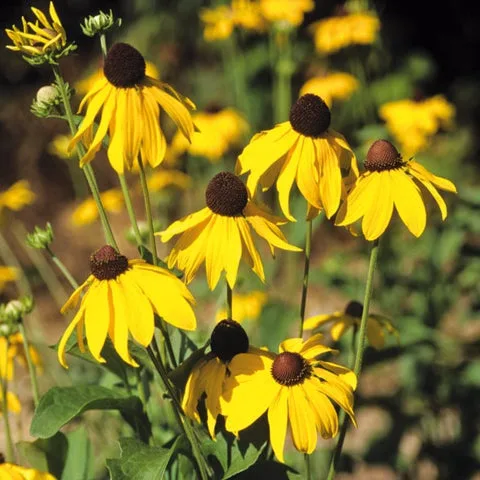
Distribution of Rudbeckia grandiflora
Distribution map
- Native
- Introduced
- Cultivated
Source:WCVP v16 · Royal Botanic Gardens, Kew · CC BY 3.0 · Boundaries:WGSRPD / TDWG
Rudbeckia grandiflora care guide
- Moderate regular watering, allowing slight drying between irrigations
- Watering
- Full sun · Partial shade
- Sunlight

Watering
Moderate regular watering, allowing slight drying between irrigations
Fertilizing
 Fertilizing
Light balanced feed in spring and once more before flowering
Pruning
 Pruning
Spent flowering stems may be cut back, or left to provide winter interest
Propagation
 Propagation
Propagate by seed or by division in spring
Growing
 Growing
Grow in moderately fertile soil, will tolerate some drought once established. Flowering is best in full sun. Divide every 3-5 years to maintain vigour. See rudbeckia cultivation for more detailed advice
Common pests and diseases
Diseases
May be susceptible to powdery mildews
Pests
May be susceptible to aphids, to leaf and bud eelworms, and to slugs on young growth
Explore the plant health library →




