
marsh Afrikaner
Also known as: sad-flowered sword lily; evening flower
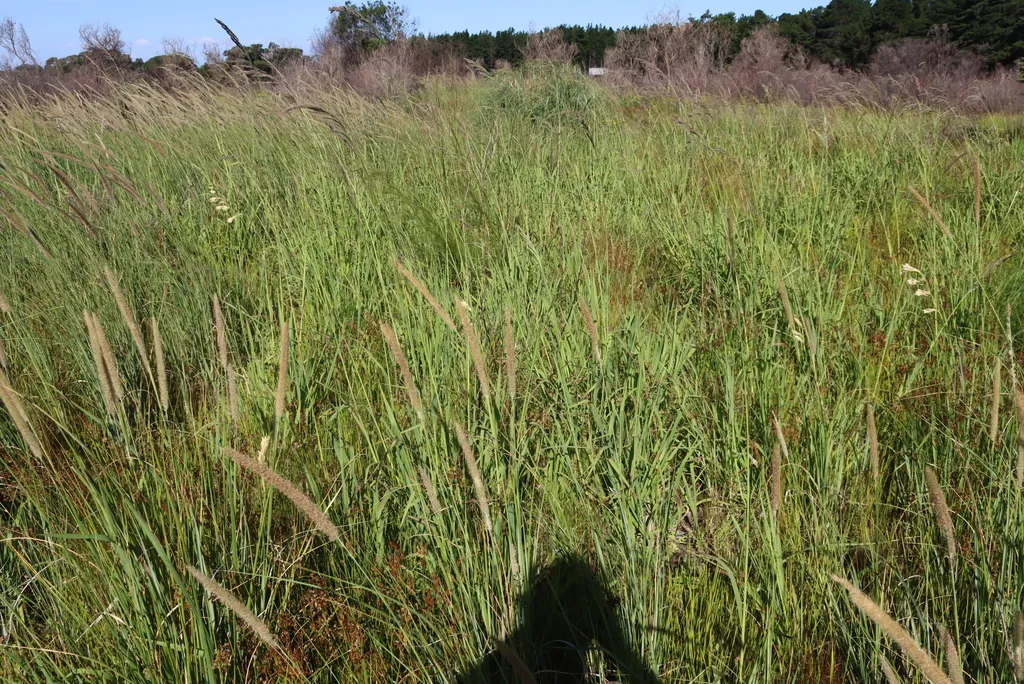
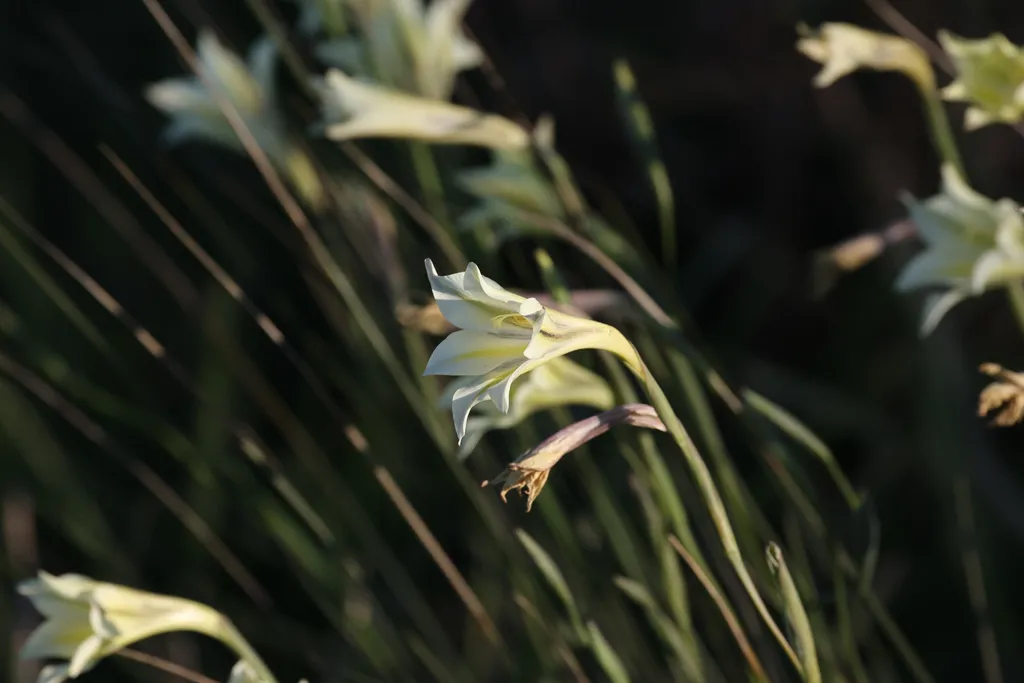
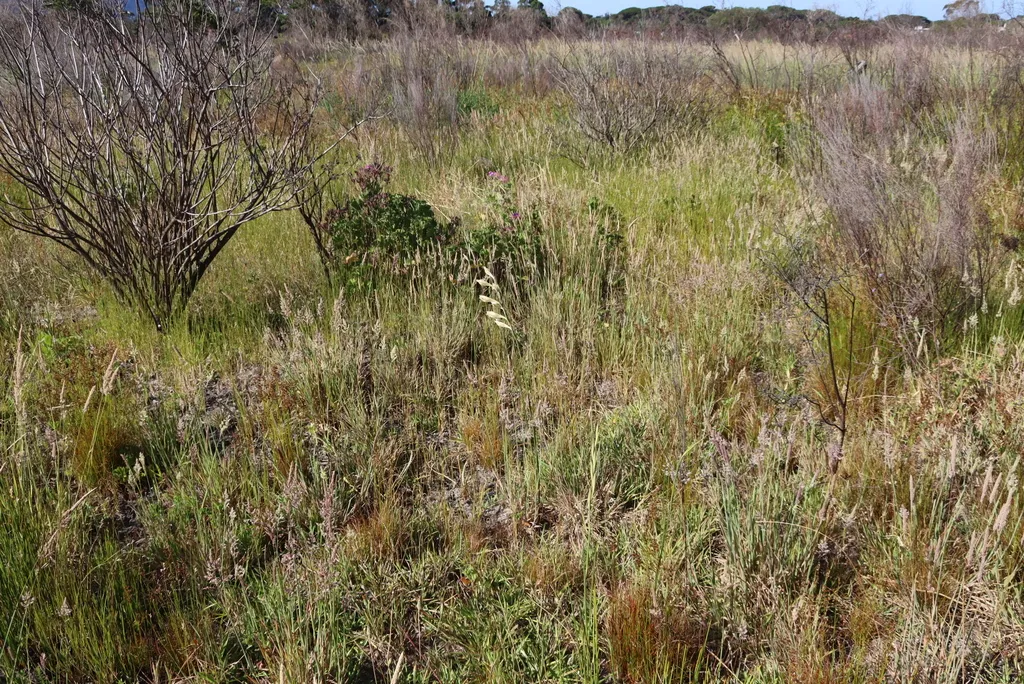
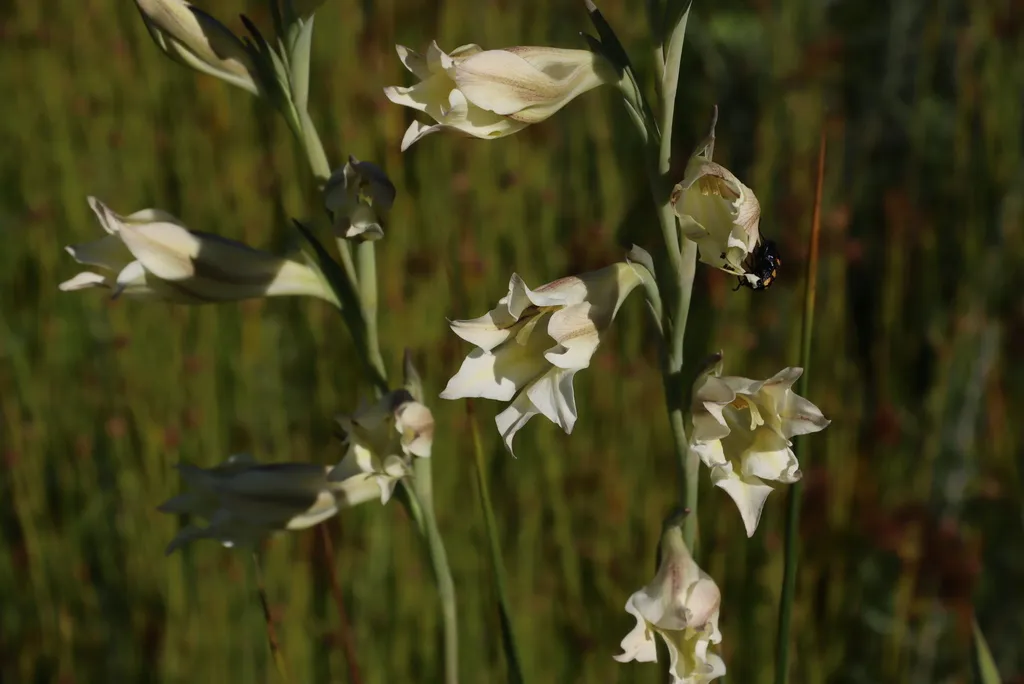
A cormous perennial to around 90cm tall with dark green, narrow, upright, linear leaves. Funnel-shaped, creamy-white flowers flushed with green or pale yellow open progressively up long, wiry stems in the summer; the flowers emit a delicate scent in the evening
Scientific classification
- Species
- marsh Afrikaner (Gladiolus tristis)
- Genus
- Gladiolus
- Family
- Iridaceae
- Ornamental bulbs, not to be eaten. Wear gloves and other protective equipment when handling]
- Toxicity
- Bulbs
- Plant type
- 0.5-1 metres
- Height
- 0-0.1 metre
- Spread
- Deciduous
- Foliage
- Columnar upright
- Habit
- Spring · Autumn · Winter · Summer
- Season of interest
- Full sun
- Sunlight
- Information to be completed
- Ideal temperature









marsh Afrikaner pictures
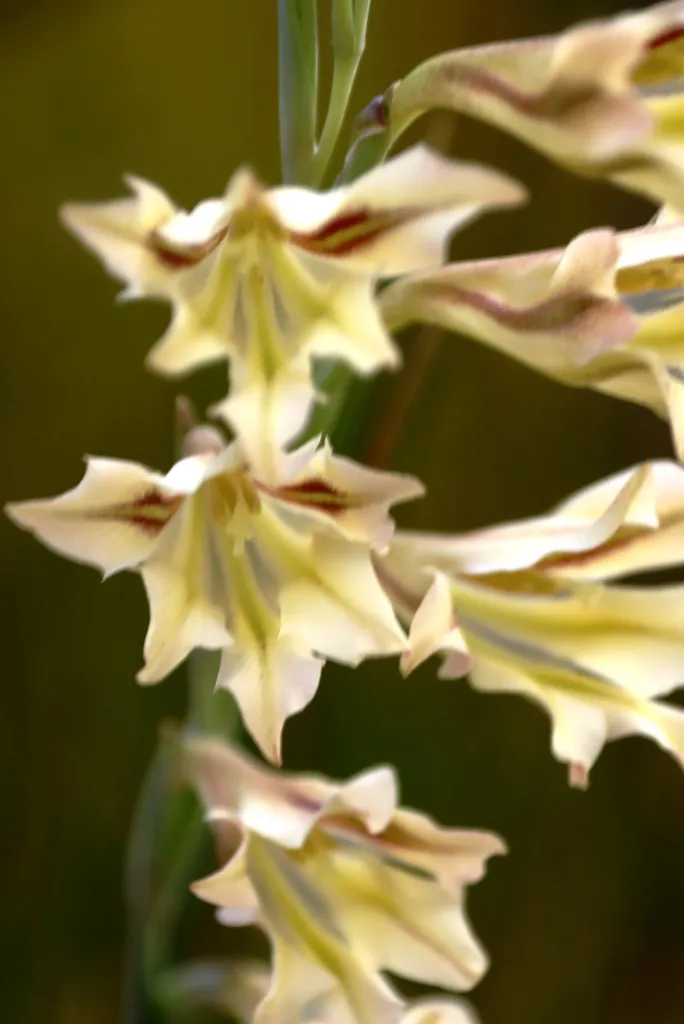
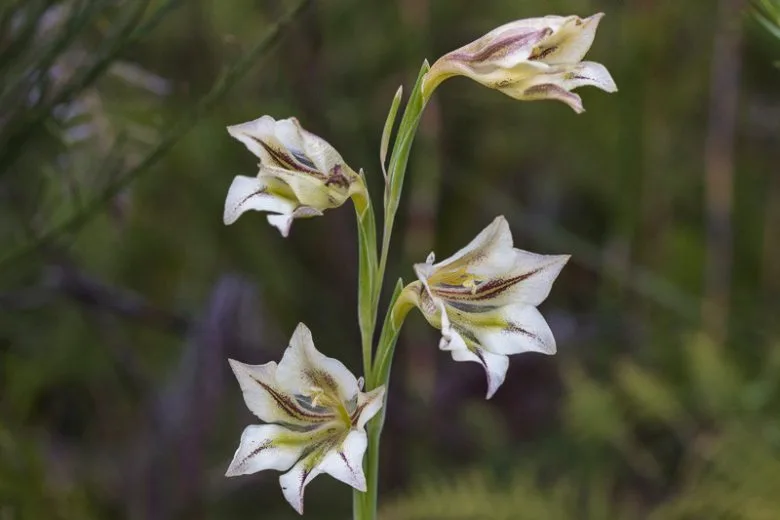
Distribution of marsh Afrikaner
Distribution map
- Native
- Introduced
- Cultivated
Source:WCVP v16 · Royal Botanic Gardens, Kew · CC BY 3.0 · Boundaries:WGSRPD / TDWG
Culture
Information to be completed
Toxicity
Ornamental bulbs, not to be eaten. Wear gloves and other protective equipment when handling]
Quick identification of marsh Afrikaner
Information to be completed
marsh Afrikaner care guide
- Moderate regular watering, allowing brief slight drying between soakings
- Watering
- Full sun
- Sunlight
- Information to be completed
- Ideal temperature

Watering
Moderate regular watering, allowing brief slight drying between soakings
Fertilizing
 Fertilizing
Balanced perennial feed every four weeks from spring through summer
Pruning
 Pruning
No pruning required
Propagation
 Propagation
Propagate by seed or by separating cormlets when dormant
Growing
 Growing
Grow in well-drained soil, or pots of free-draining compost, in a sunny, sheltered position; allow to go dry and dormant in summer
People also ask
Information to be completed
Common pests and diseases
Diseases
May be susceptible to gladiolus corm rot, grey moulds (Botrytis), Fusarium bulb rot, gladiolus core rot, gladiolus dry rot, gladiolus scab and neck rot, fungal leaf spot, and virus diseases
Pests
May be susceptible to gladiolus thrip, aphids and slugs
Explore the plant health library →




