
honey locust
Also known as: sweet locust; three-thorned acacia
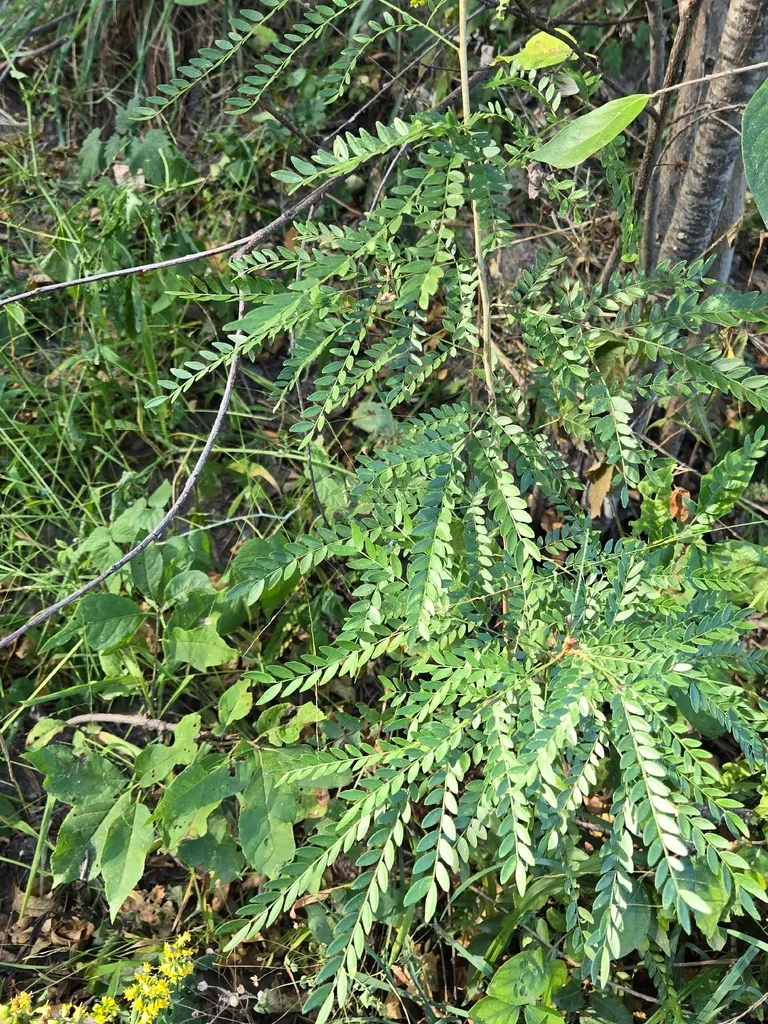
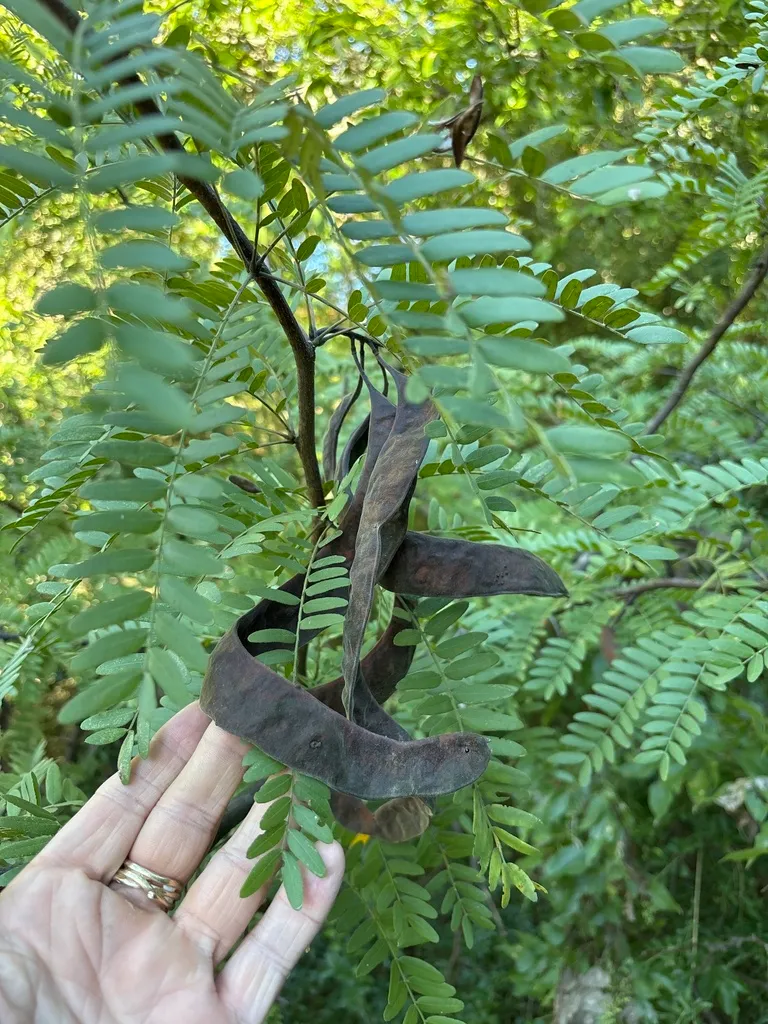
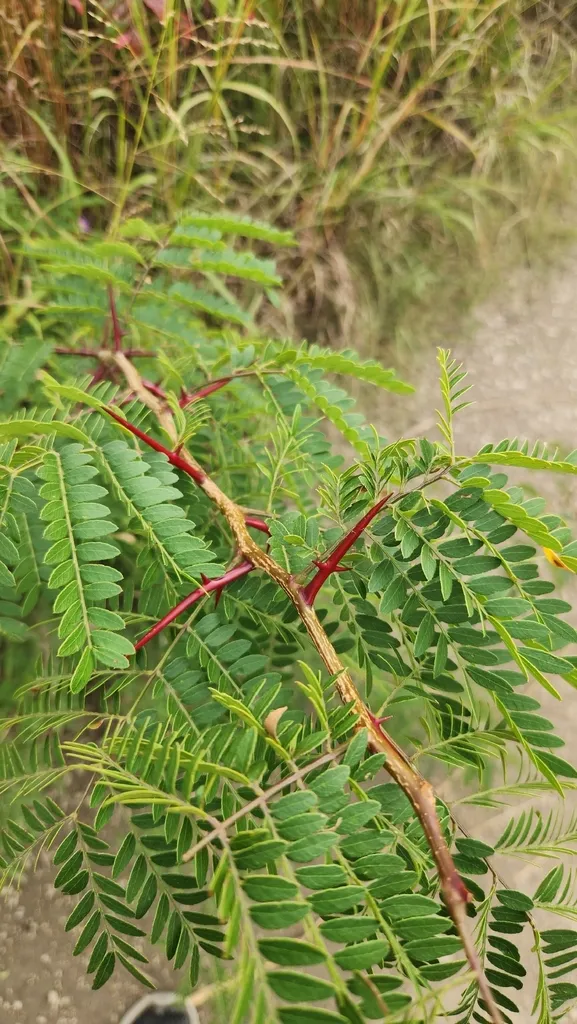
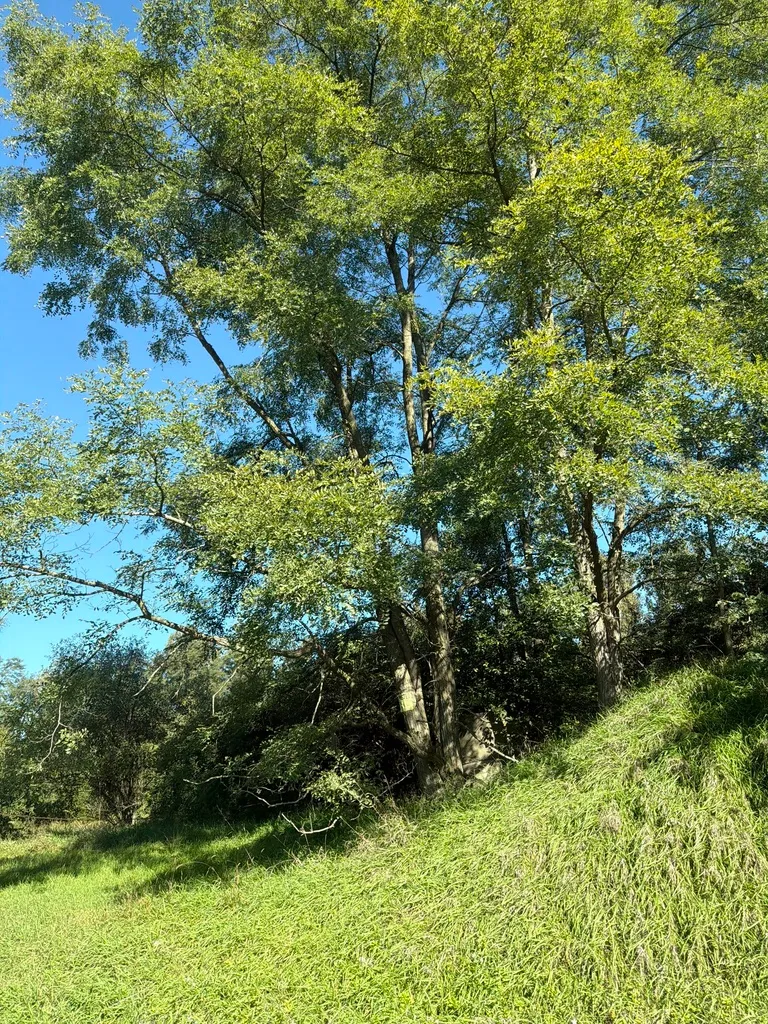
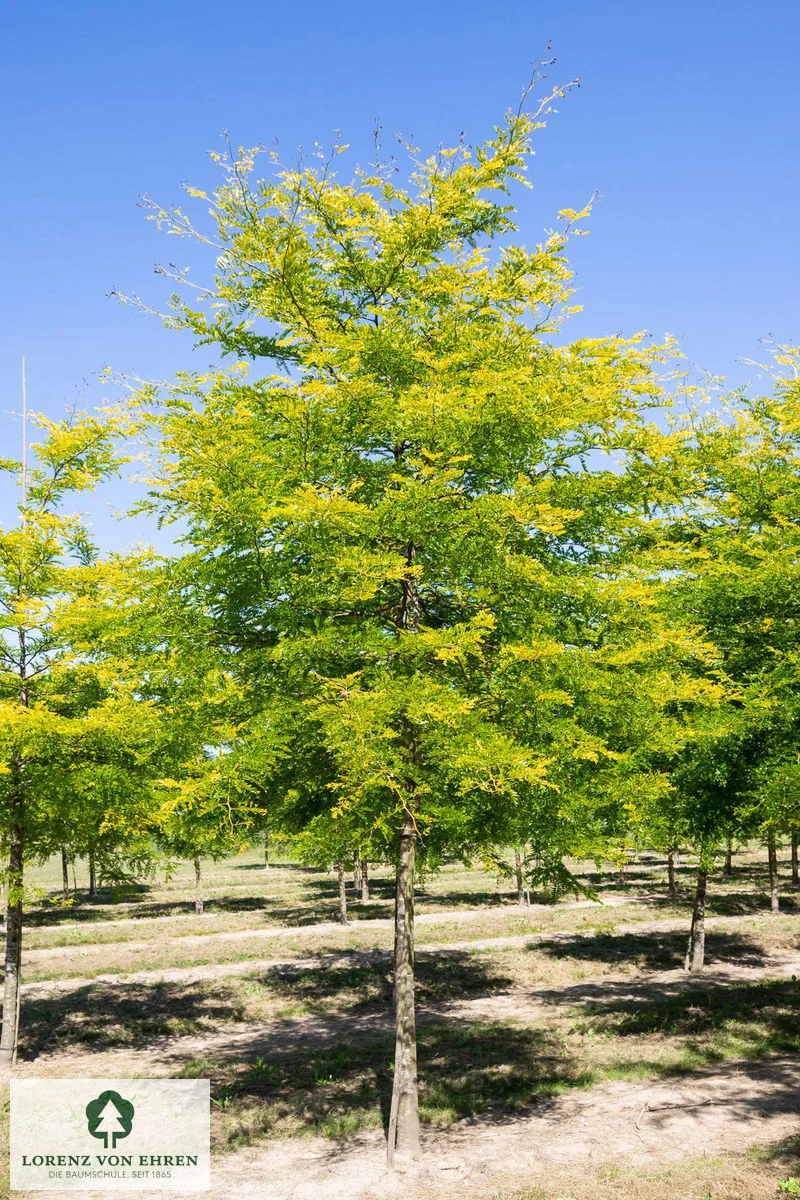
A large, elegant, deciduous tree to a height of 30m or more. The trunk and stems are spiny - some of these spines are up to 15cm long. The leaves are made up of many oval-shaped tiny, dark green leaflets, which turn yellow in autumn. Small-green-white flowers are produced in summer and if it has been a long hot summer, long, twisted brown seed pods follow in autumn
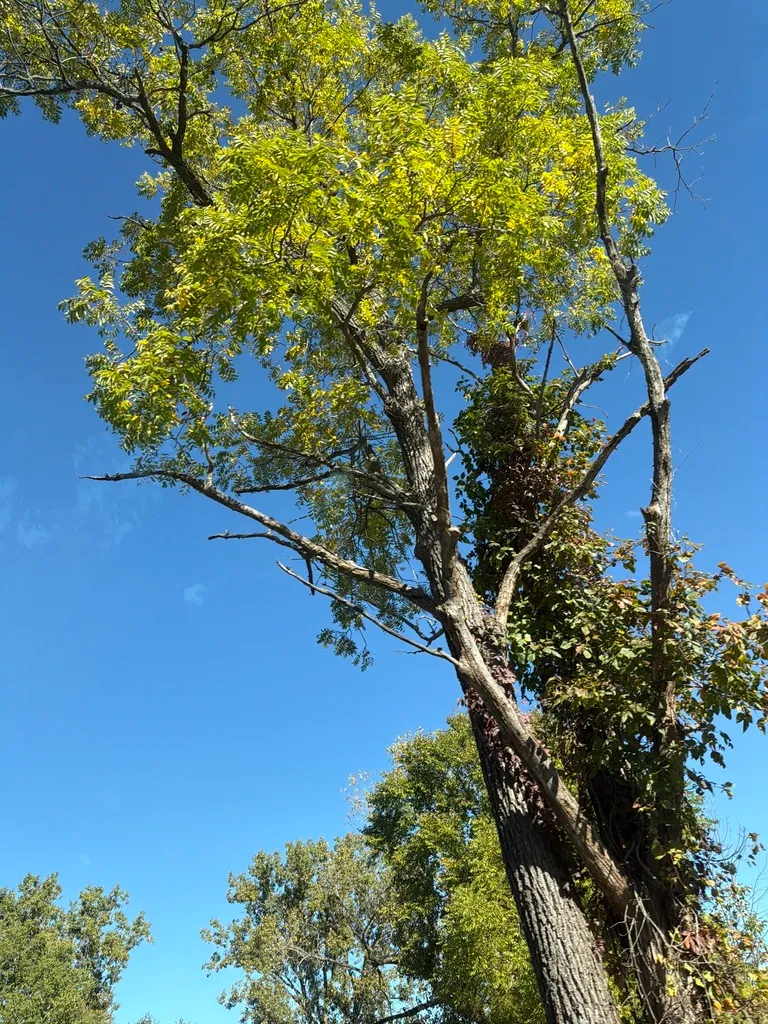
Scientific classification
- Species
- honey locust (Gleditsia triacanthos)
- Genus
- Gleditsia
- Family
- Fabaceae
- Information to be completed
- Toxicity
- Trees
- Plant type
- Higher than 12 metres
- Height
- wider than 8 metres
- Spread
- Deciduous
- Foliage
- Information to be completed
- Habit
- Autumn · Spring · Summer
- Season of interest
- Full sun
- Sunlight
- Information to be completed
- Ideal temperature









honey locust pictures
Distribution of honey locust
Distribution map
Information to be completed
Information to be completed
Culture
Information to be completed
Toxicity
Information to be completed
Quick identification of honey locust
Information to be completed
honey locust care guide
- Deep infrequent watering, established trees withstand dry weather
- Watering
- Full sun
- Sunlight
- Information to be completed
- Ideal temperature

Watering
Deep infrequent watering, established trees withstand dry weather
Fertilizing
 Fertilizing
Slow-release tree fertilizer applied once annually in early spring
Pruning
 Pruning
Little pruning is needed. Remove diseased, damaged, crowded or crossing shoots and unwanted growth. Timing depends on the plant: generally late winter or early spring; plants prone to bleeding and deciduous magnolias need different timing, and deciduous azaleas and lilacs are pruned after flowering.
Propagation
 Propagation
Propagate by sowing seed in autumn in a cold frame, or by whip and tongue grafting in late winter
Growing
 Growing
Grows well in any well-drained soil, although especailly good on dry acidic soil, once established. Very tolerant of industrial pollution. For more information, see tree cultivation
People also ask
Information to be completed
Common pests and diseases
Diseases
May be susceptible to honey fungus
Pests
May be susceptible to gall midge
Explore the plant health library →




