
glory lily
Also known as: climbing lily; creeping lily; glory flower; Malabar glory lily; flame lily
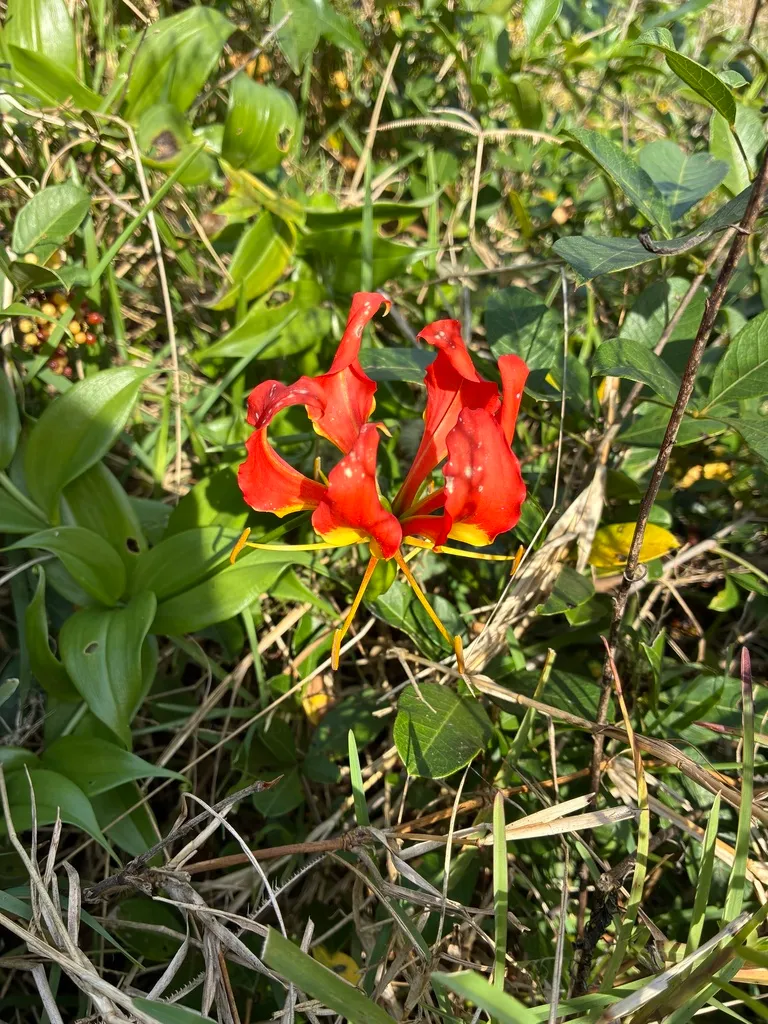
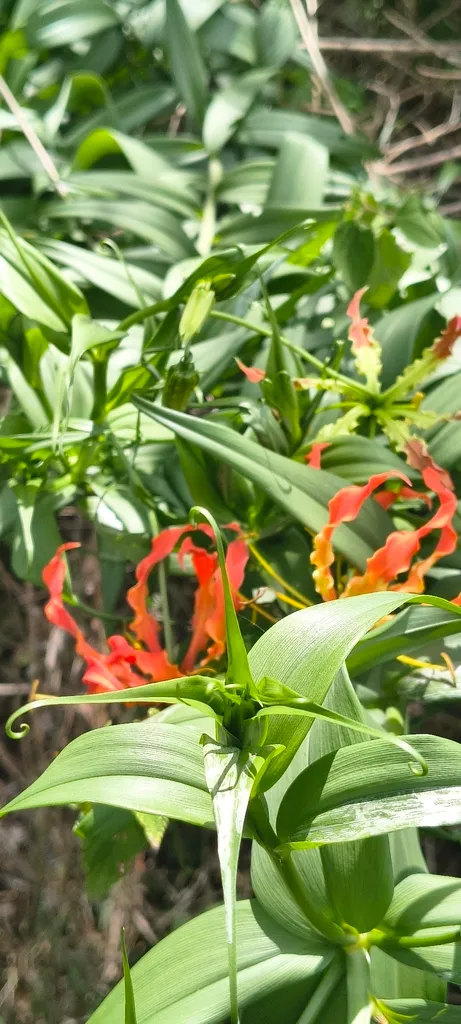
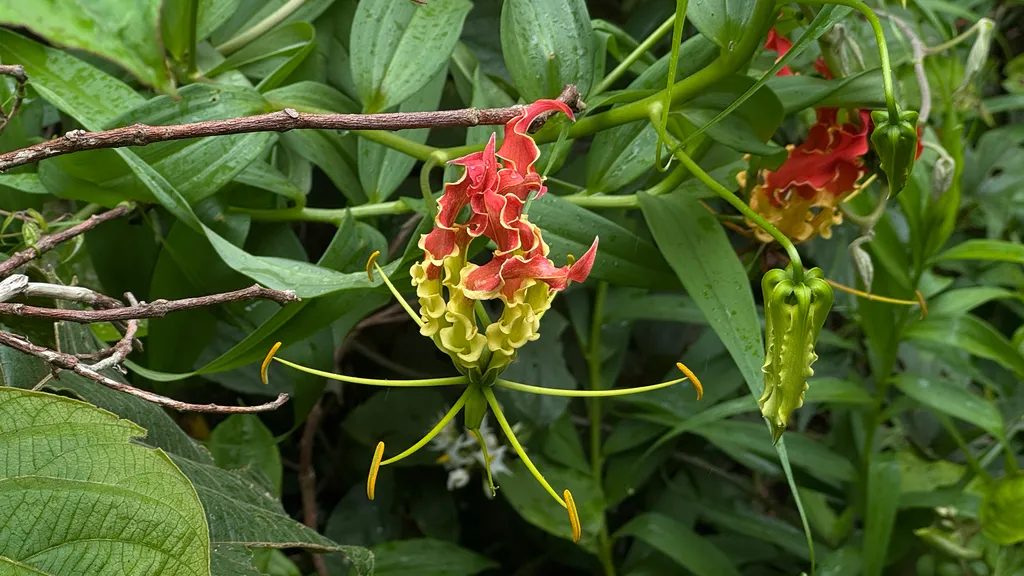
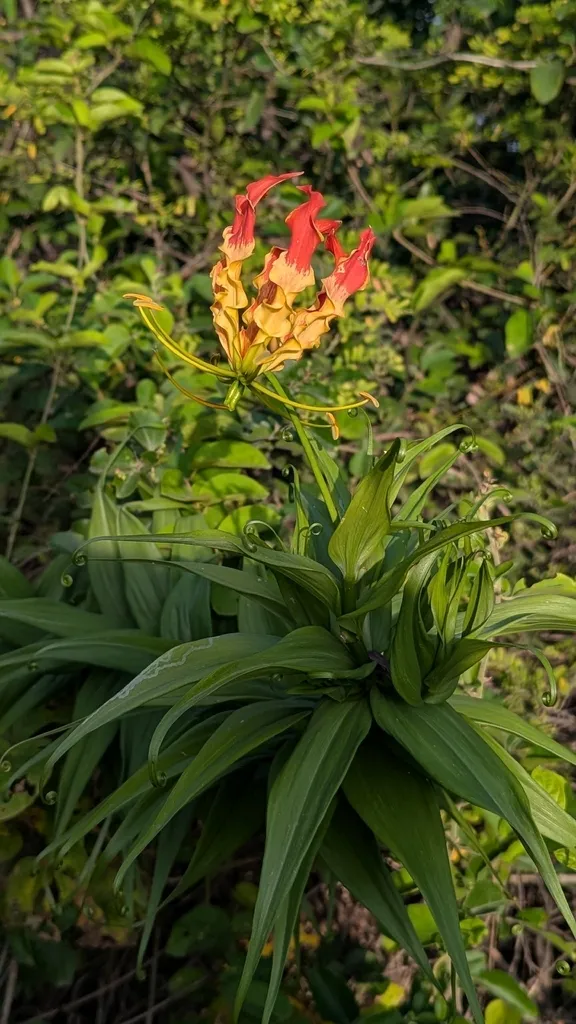
A climbing tuberous perennial to 2m, with lance-shaped bright green leaves tipped with tendrils. Flowers 10cm across, with reflexed, wavy-edged scarlet or yellow petals, and prominent stamens
Scientific classification
- Species
- glory lily (Gloriosa superba)
- Genus
- Gloriosa
- Family
- Colchicaceae
- TOXIC if eaten. Wear gloves and other protective equipment when handling
- Toxicity
- Climber Wall Shrub
- Plant type
- 1.5-2.5 metres
- Height
- 0.1-0.5 metres
- Spread
- Deciduous
- Foliage
- Clump forming
- Habit
- Summer · Autumn
- Season of interest
- Full sun
- Sunlight
- Information to be completed
- Ideal temperature









glory lily pictures
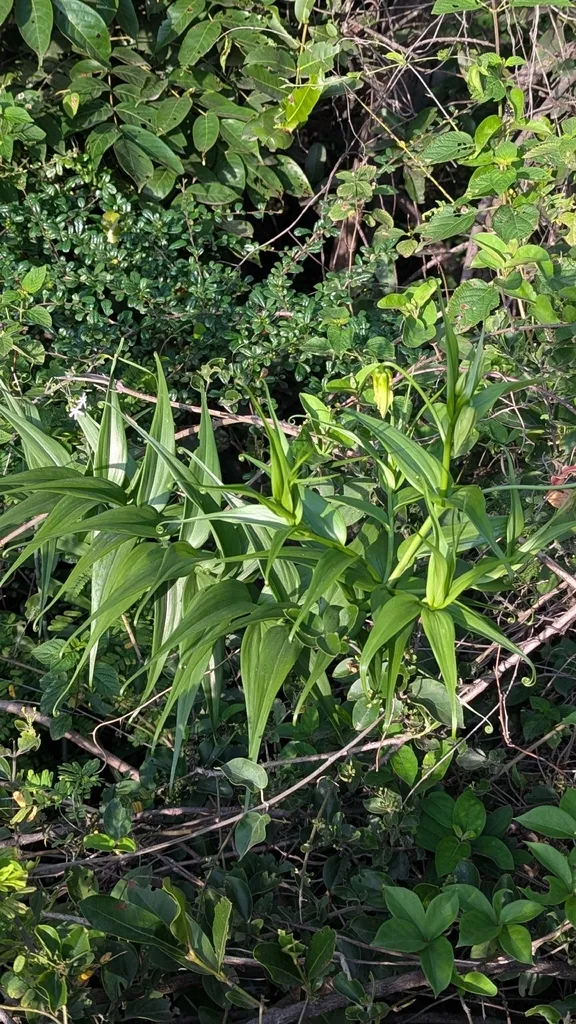
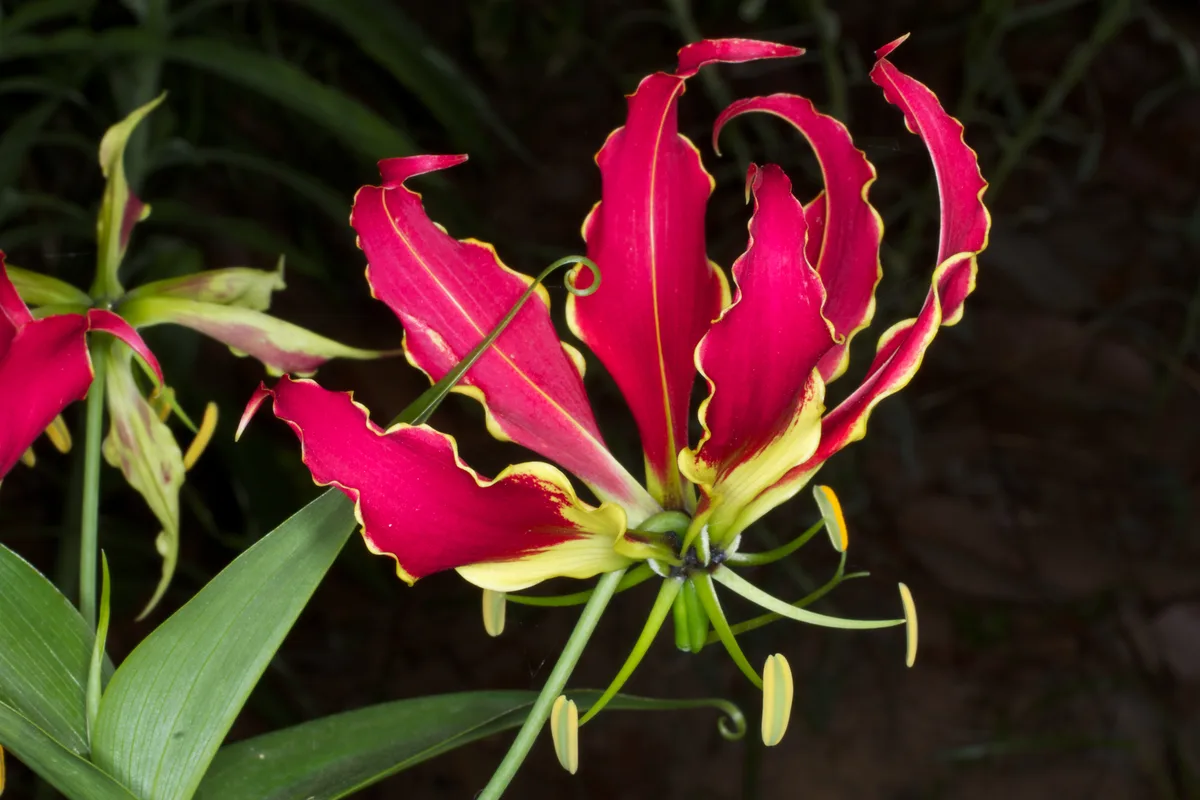
Distribution of glory lily
Distribution map
- Native
- Introduced
- Cultivated
Source:WCVP v16 · Royal Botanic Gardens, Kew · CC BY 3.0 · Boundaries:WGSRPD / TDWG
Culture
Information to be completed
Toxicity
TOXIC if eaten. Wear gloves and other protective equipment when handling
Quick identification of glory lily
Information to be completed
glory lily care guide
- Evenly moist loose soil while vines grow, dry tubers dormant winter rest
- Watering
- Full sun
- Sunlight
- Information to be completed
- Ideal temperature

Watering
Evenly moist loose soil while vines grow, dry tubers dormant winter rest
Fertilizing
 Fertilizing
Weak climbing tuber feed biweekly spring through blooming summer months
Pruning
 Pruning
Cut down top growth as it dies back after flowering
Propagation
 Propagation
Propagate by seed at 19-24°C (66-75°F), or propagate by division by separate the finger-like tubers in spring
Growing
 Growing
Plant tubers 7-10cm (3-4in) deep in early spring in John Innes No 2 compost with added grit in full light. Water freely once in growth and apply a balanced liquid fertiliser every two weeks. Keep tubers dry in winter and pot on in late winter if tubers are very congested
People also ask
Information to be completed
Common pests and diseases
Diseases
Generally disease-free
Pests
May be susceptible to aphids
Explore the plant health library →




