
begonia 'Black Fang'
Also known as: Information to be completed
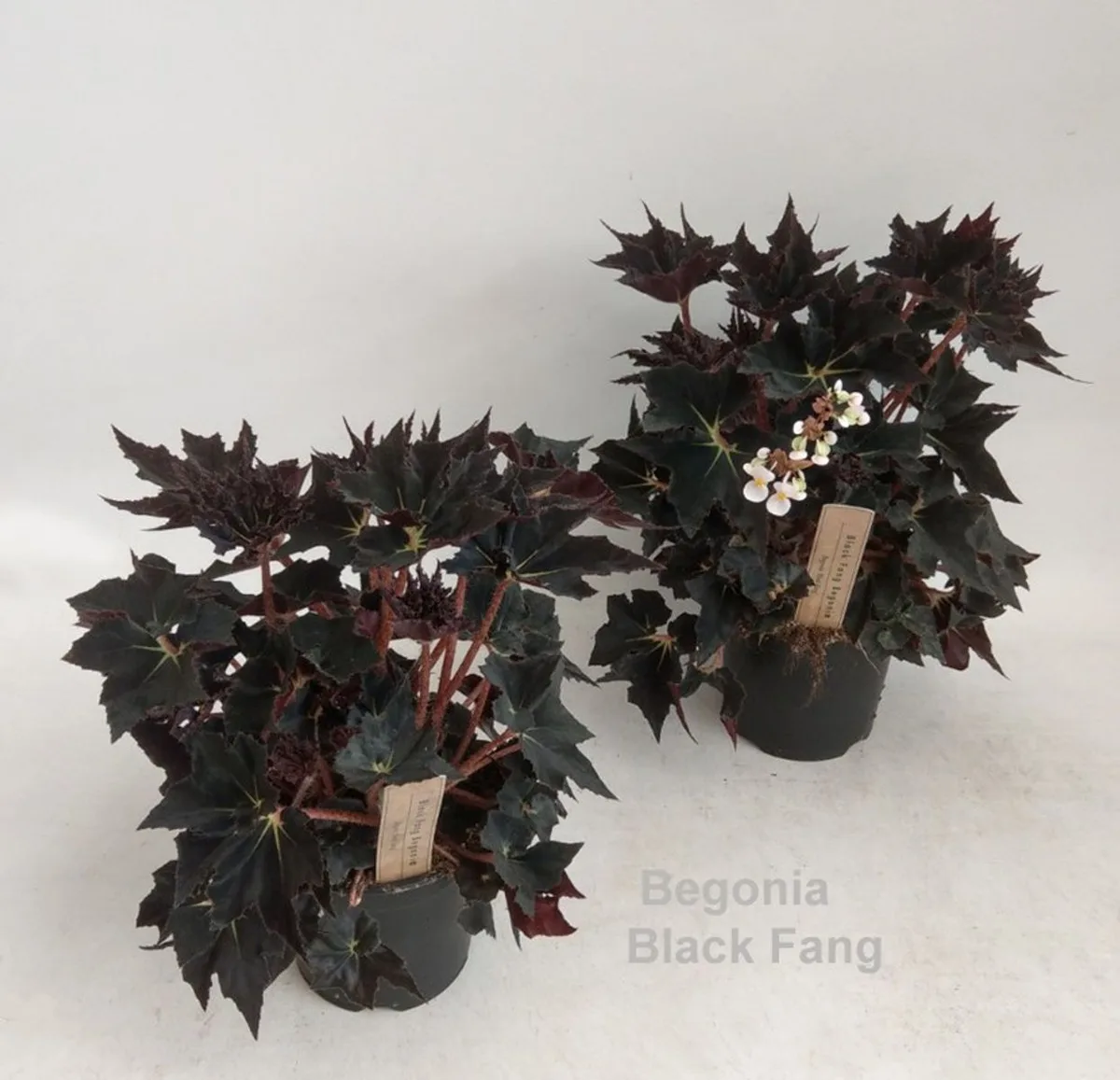
A rhizomatous perennial to 50cm, with sharply divided, dark red, almost black leaves with pale green veining at the centres. Produces sprays of small, pale pink flowers, speckled with darker pink, on upright, reddish green stems in spring
Scientific classification
- Species
- begonia 'Black Fang' (Begonia 'Black Fang')
- Genus
- Begonia
- Family
- Begoniaceae
- Order
- Cucurbitales
- Class
- Magnoliopsida
- Phylum
- Magnoliophyta
- Ornamental bulbs - not to be eaten. Wear gloves and other protective equipment when handling
- Toxicity
- Houseplants · Conservatory Greenhouse
- Plant type
- 0.1-0.5 metres
- Height
- 0.1-0.5 metres
- Spread
- Evergreen
- Foliage
- Bushy
- Habit
- Spring · Summer · Autumn · Winter
- Season of interest
- Full sun
- Sunlight
- Information to be completed
- Ideal temperature









begonia 'Black Fang' pictures
Toxicity
Ornamental bulbs - not to be eaten. Wear gloves and other protective equipment when handling
begonia 'Black Fang' care guide
- Keep compost evenly moist with bright shade and good humidity
- Watering
- Full sun
- Sunlight

Watering
Keep compost evenly moist with bright shade and good humidity
Fertilizing
 Fertilizing
Weak balanced begonia feed every two to three weeks in growth
Pruning
 Pruning
Remove faded flower stems after flowering
Propagation
 Propagation
Propagate by leaf cuttings, or by root cuttings using sections of rhizome
Growing
 Growing
Grow in light, well-drained, neutral to slightly acid potting compost, in full light with shade from hot sun. Water moderately when in growth, ideally by immersing pots and allowing to drain, as this helps to prevent waterlogging. See begonias: houseplants for more detailed advice
Common pests and diseases
Diseases
May be susceptible to grey moulds, powdery mildews, stem rot and rhizome rot
Pests
May be susceptible to caterpillars, mealybugs, mites, thrips, vine weevils and aphids
Explore the plant health library →




