
common knapweed
Also known as: bell weed; black centaury; black knapweed; bowl weed; bull weed; button weed; churl's head; club weed; crop weed; hard weed; hardhead; hardheads; horse knops; horse knots; iron hard; iron heads; iron weed; knob weed; knot weed; lesser knapweed; loggerheads; nob weed; Spanish buttons; sweeps; tassel
An upright, branching perennial to 75cm, with simple or pinnately lobed leaves and thistle-like purple flowerheads to 4cm across, with conspicuous blackish involucres
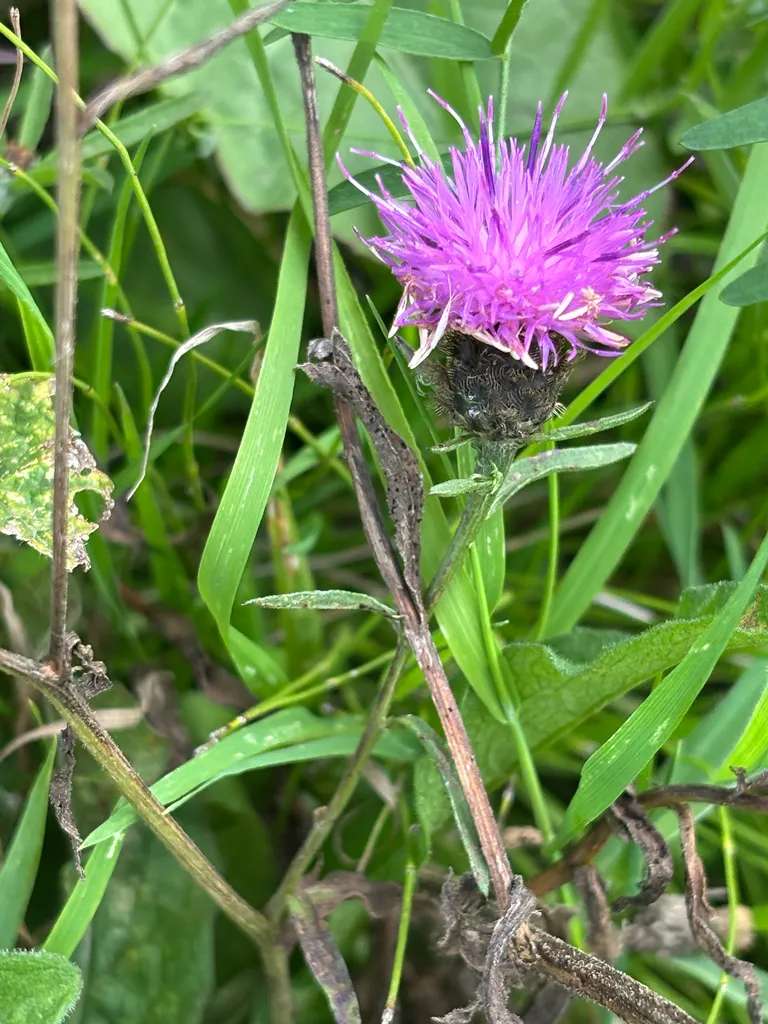
Scientific classification
- Species
- common knapweed (Centaurea nigra)
- Genus
- Centaurea
- Family
- Asteraceae
- Information to be completed
- Toxicity
- Herbaceous Perennial
- Plant type
- 0.5-1 metres
- Height
- 0.1-0.5 metres
- Spread
- Deciduous
- Foliage
- Clump forming
- Habit
- Spring · Summer · Autumn
- Season of interest
- Full sun · Partial shade
- Sunlight
- Information to be completed
- Ideal temperature









common knapweed pictures
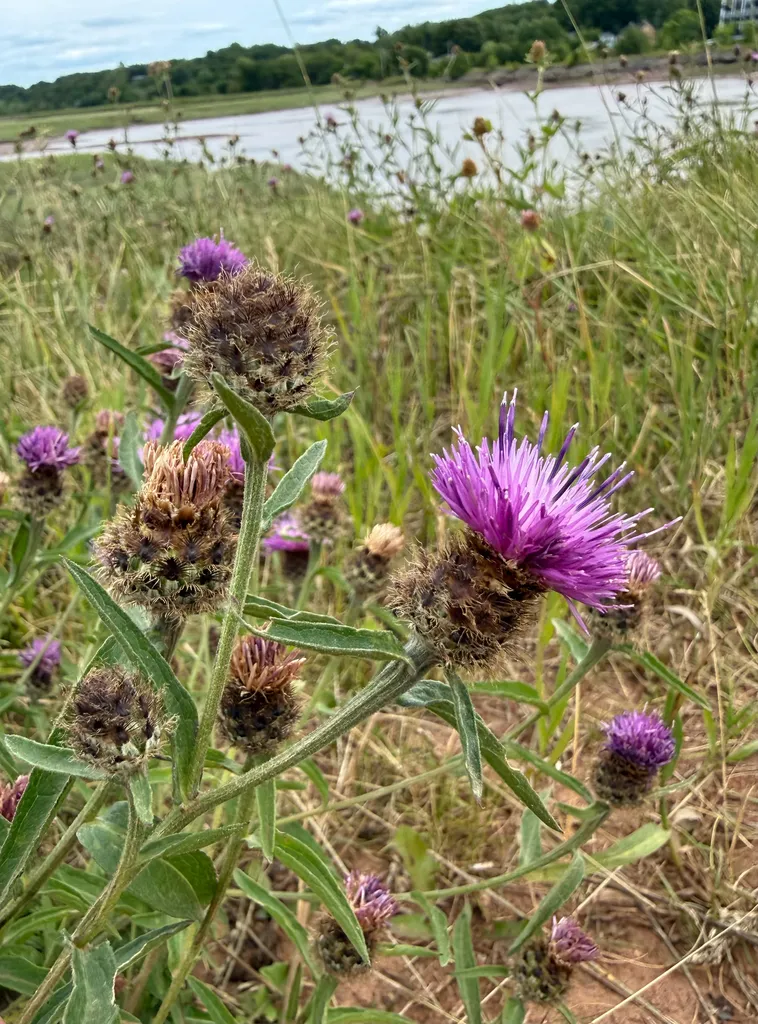
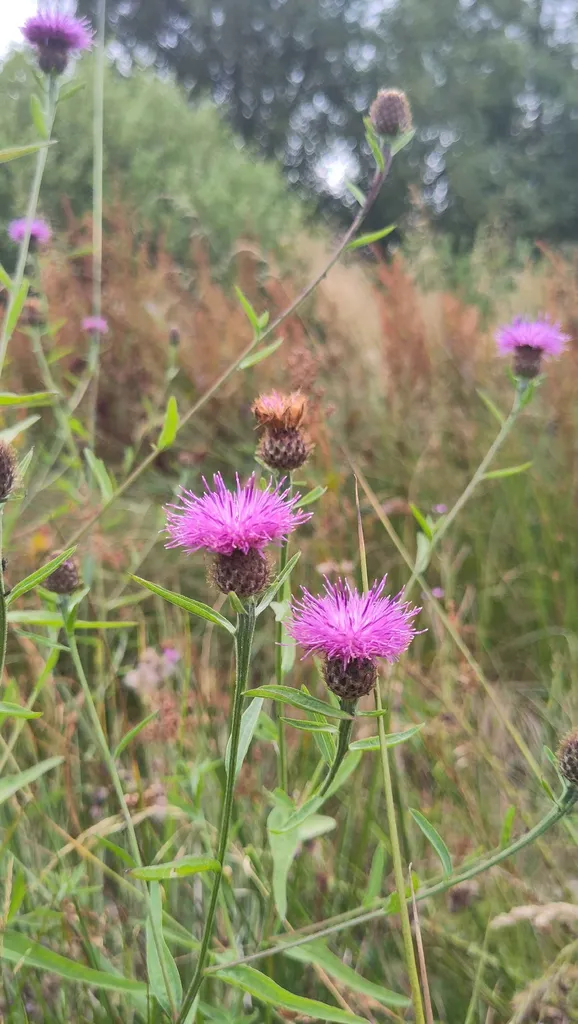
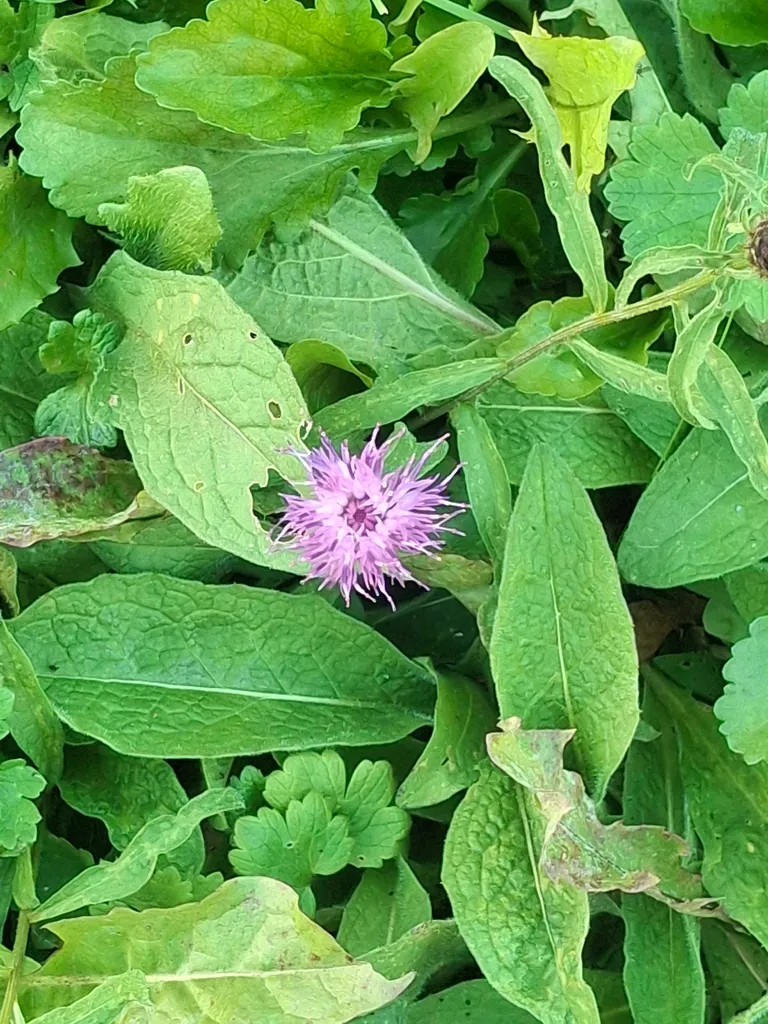
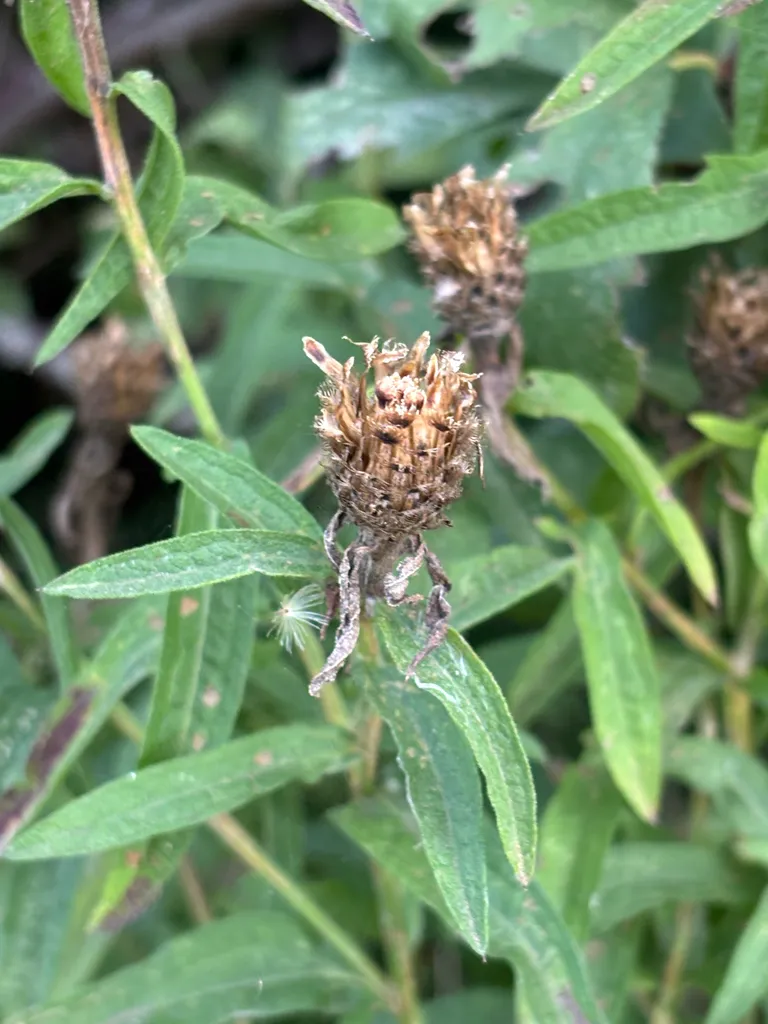
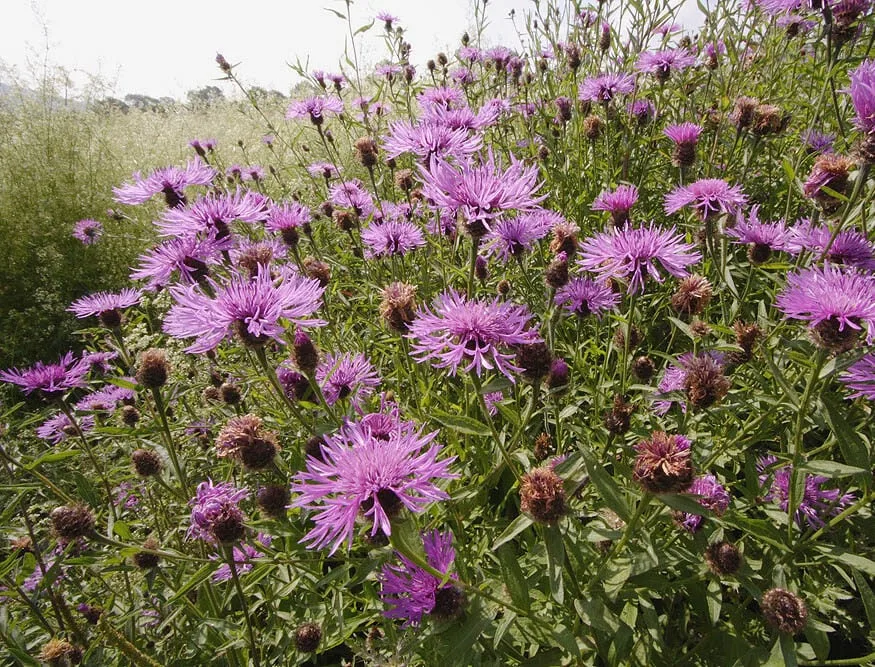
Distribution of common knapweed
Distribution map
NW to Central Europe
Information to be completed
Culture
Information to be completed
Toxicity
Information to be completed
Quick identification of common knapweed
Information to be completed
common knapweed care guide
- Moderate regular watering, allowing brief slight drying between soakings
- Watering
- Full sun · Partial shade
- Sunlight
- Information to be completed
- Ideal temperature

Watering
Moderate regular watering, allowing brief slight drying between soakings
Fertilizing
 Fertilizing
Balanced perennial feed every four weeks from spring through summer
Pruning
 Pruning
No pruning required
Propagation
 Propagation
Propagate by seed
Growing
 Growing
Prefers a well-drained fertile soil in a sunny position. Tolerant of dry, alkaline soils and established plants are tolerant of considerable neglect. Self-seeds readily and can become invasive
People also ask
Information to be completed
Common pests and diseases
Diseases
May be affected by powdery mildews
Pests
Generally pest-free. Resistant to browsing by deer
Explore the plant health library →




