
Western Australia coral pea
Also known as: Information to be completed
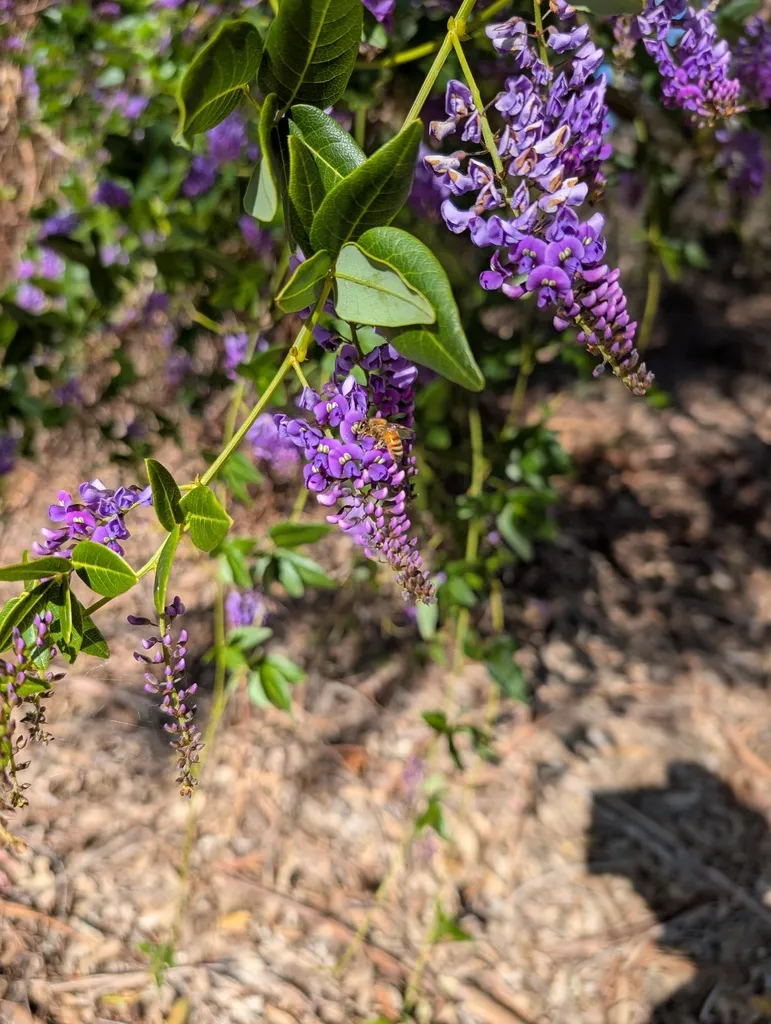
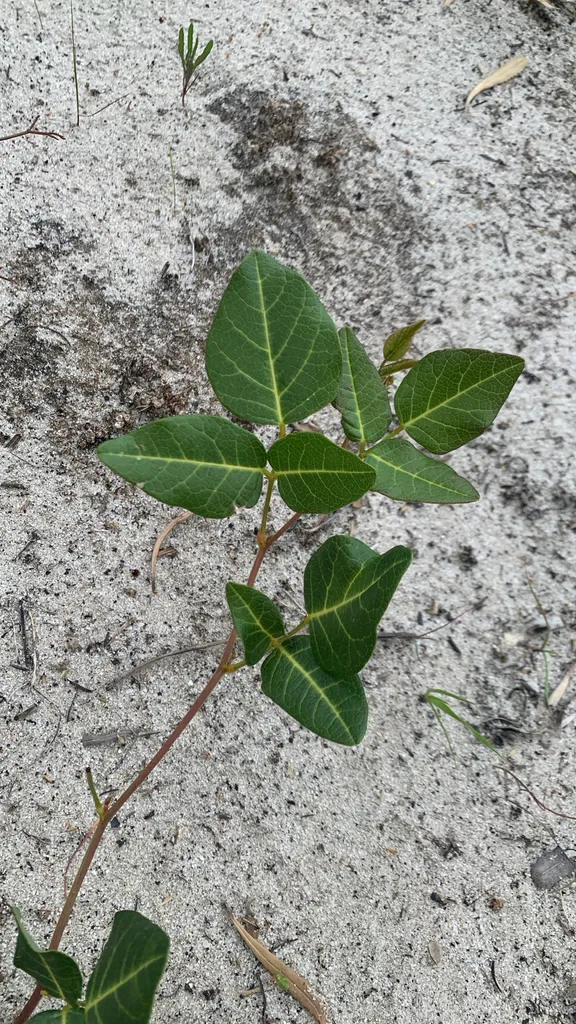
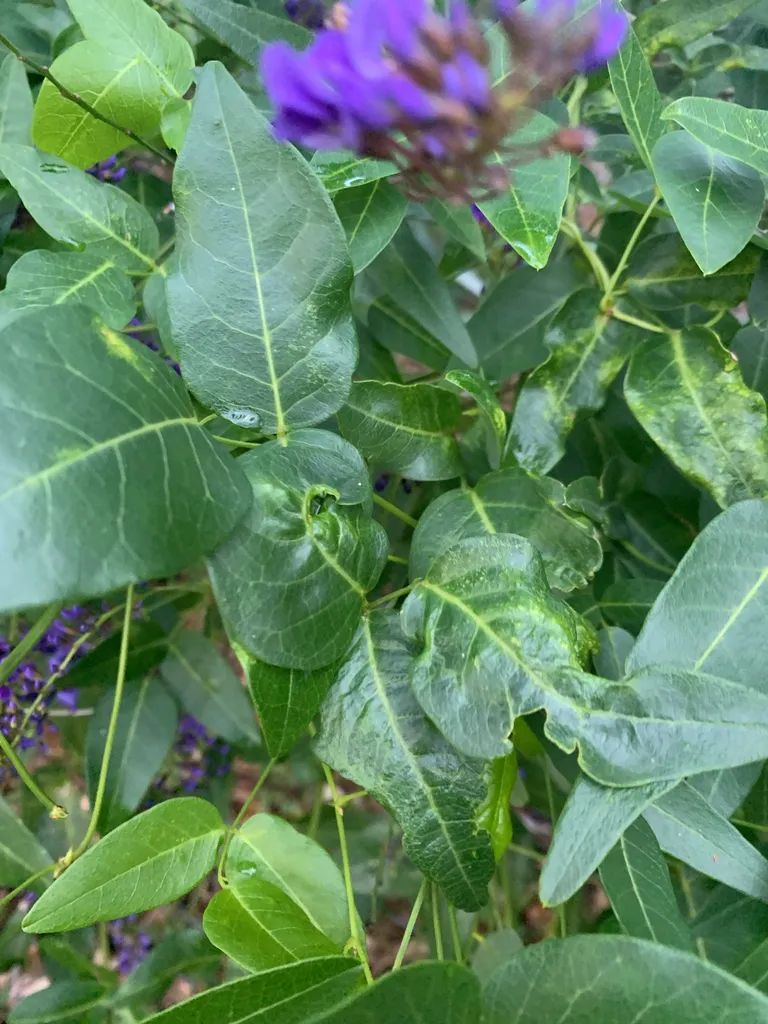
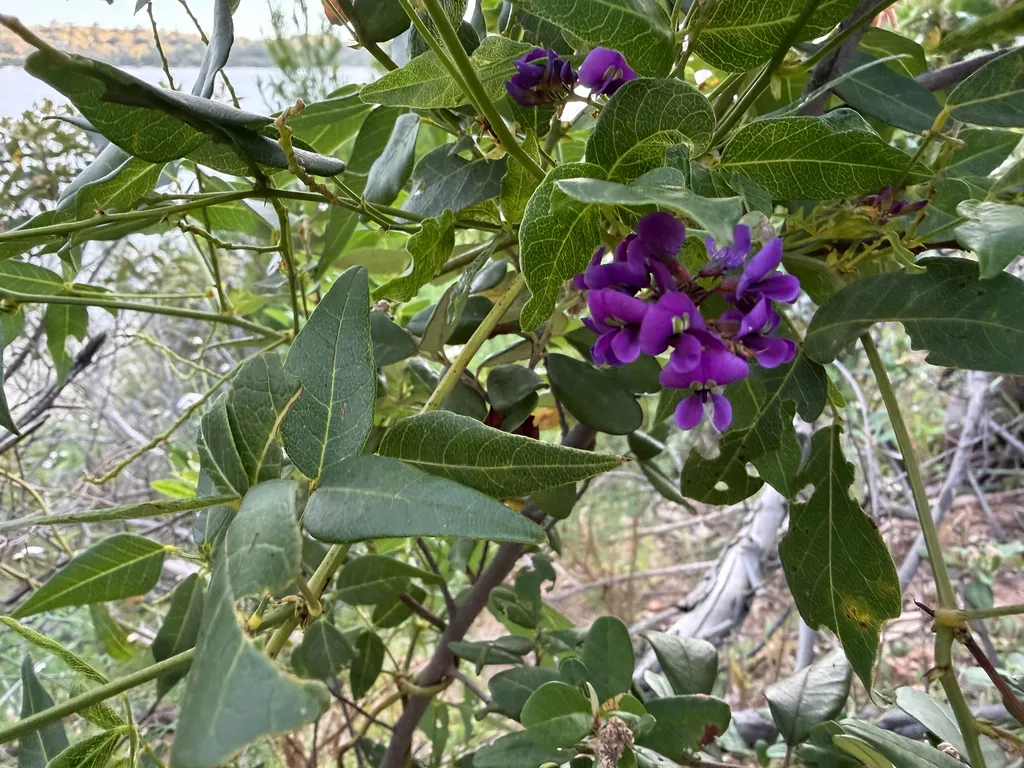
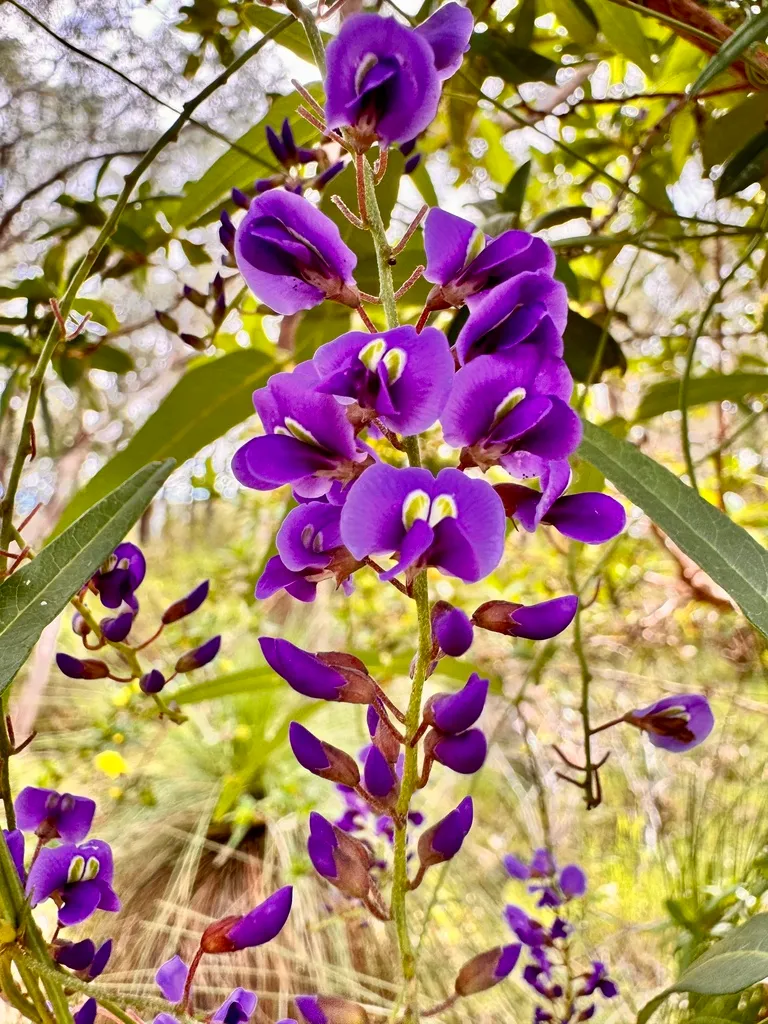
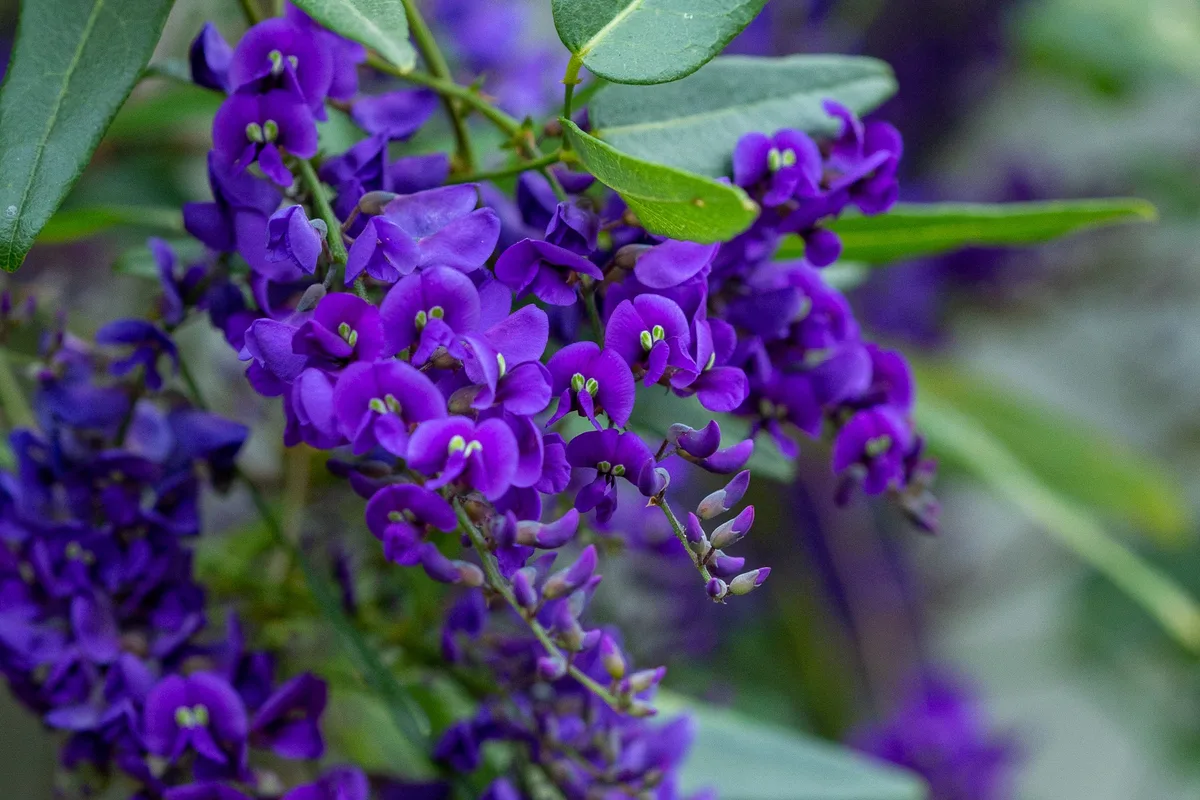
H. comptoniana is a vigorous twining climber to 3m, with evergreen, 3-parted leaves to 15cm in length and drooping racemes of purple pea-flowers 15mm across from early spring
Scientific classification
- Species
- Western Australia coral pea (Hardenbergia comptoniana)
- Genus
- Hardenbergia
- Family
- Fabaceae
- Order
- Fabales
- Class
- Magnoliopsida
- Phylum
- Magnoliophyta
- Information to be completed
- Toxicity
- Climber Wall Shrub · Conservatory Greenhouse
- Plant type
- 2.5-4 metres
- Height
- 0.5-1 metres
- Spread
- Evergreen
- Foliage
- Climbing
- Habit
- Summer · Autumn · Winter · Spring
- Season of interest
- Full sun · Partial shade
- Sunlight
- Information to be completed
- Ideal temperature









Western Australia coral pea pictures
Distribution of Western Australia coral pea
Distribution map
- Native
- Introduced
- Cultivated
Source:WCVP v16 · Royal Botanic Gardens, Kew · CC BY 3.0 · Boundaries:WGSRPD / TDWG
Western Australia coral pea care guide
- Evenly moist soil spring-summer, drier substrate cold winter months
- Watering
- Full sun · Partial shade
- Sunlight

Watering
Evenly moist soil spring-summer, drier substrate cold winter months
Fertilizing
 Fertilizing
Diluted climbing shrub feed every four weeks warm growing season
Pruning
 Pruning
Routine pruning is unnecessary; shorten overlong shoots to fit the available space. Prune after flowering has finished.
Propagation
 Propagation
Propagate by seed at 20°C in spring and soak for 24 hours to aid germination. Take softwood cuttings in spring
Growing
 Growing
Can be grown outdoors in moist, fertile acidic soil. under glass or in containers grow in a mix of equal parts loam-based potting compost, sharp sand and leaf mould in full light with shade from hot sun. Provide medium to low humidity and when in growth water moderately whilst applying a balanced liquid fertiliser monthly. Keep just moist in winter and provide support
Common pests and diseases
Diseases
Generally disease free
Pests
Glasshouse red spider mite and glasshouse whitefly may be a problem when grown under glass and slugs can also cause damage
Explore the plant health library →




