
courgette 'Jaguar'
Also known as: Information to be completed
A tender perennial usually cultivated as an annual vegetable. This F1 hybrid courgette produces uniform, glossy green stems with few spines, thin skins and a delicate flavour
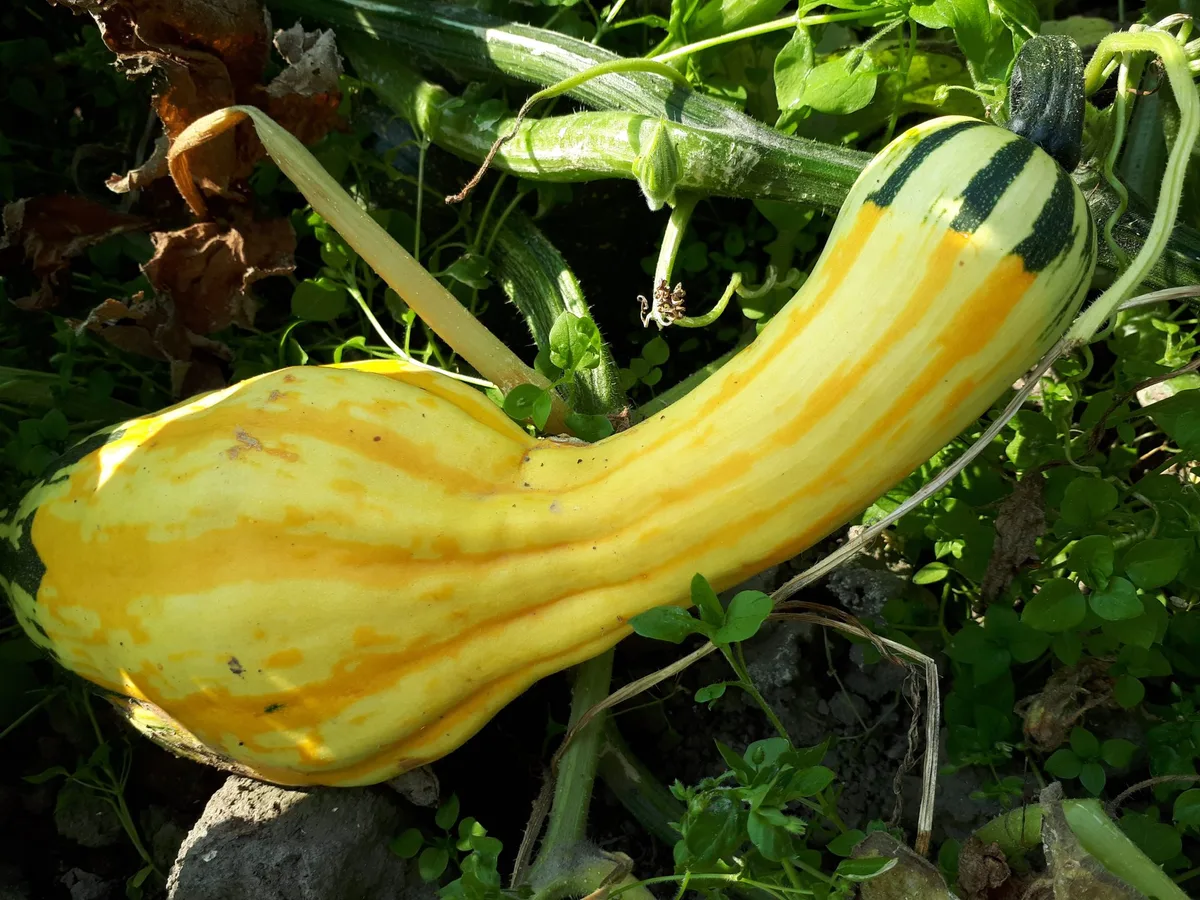
Scientific classification
- Species
- courgette 'Jaguar' (Cucurbita pepo 'Jaguar')
- Genus
- Cucurbita
- Family
- Cucurbitaceae
- Order
- Cucurbitales
- Class
- Magnoliopsida
- Phylum
- Magnoliophyta
- If crop is bitter, don't eat. Wear gloves and other protective equipment when handling
- Toxicity
- Annual Biennial
- Plant type
- 1-1.5 metres
- Height
- 1-1.5 metres
- Spread
- Deciduous
- Foliage
- Bushy · Trailing
- Habit
- Spring · Summer · Autumn
- Season of interest
- Full sun
- Sunlight
- Information to be completed
- Ideal temperature









courgette 'Jaguar' pictures
Distribution of courgette 'Jaguar'
Distribution map
- Native
- Introduced
- Cultivated
Source:WCVP v16 · Royal Botanic Gardens, Kew · CC BY 3.0 · Boundaries:WGSRPD / TDWG
Toxicity
If crop is bitter, don't eat. Wear gloves and other protective equipment when handling
courgette 'Jaguar' care guide
- Keep soil evenly moist during active growth and cropping
- Watering
- Full sun
- Sunlight

Watering
Keep soil evenly moist during active growth and cropping
Fertilizing
 Fertilizing
Balanced vegetable feed through active growth season
Pruning
 Pruning
Regular harvesting of young fruits (10-12cm long) will encourage further production
Propagation
 Propagation
Propagate by seed. See sowing vegetable seeds or sowing seeds indoors for further advice
Growing
 Growing
Grow in rich soil in an open sunny spot, ensure young plants grown indoors are hardened off before transplanting. Keep well watered, avoiding wetting the foliage. Feed every 10-14 days. See cucurbit cultivation for further advice
Common pests and diseases
Diseases
May be susceptible to grey moulds, powdery mildews and virus diseases including cucumber mosaic virus
Pests
May be susceptible to aphids, slugs and snails
Explore the plant health library →




