
button bush
Also known as: button willow; globe-flowered bush; honeybells; little snowballs; swamp globeflower; white pond-dogwood
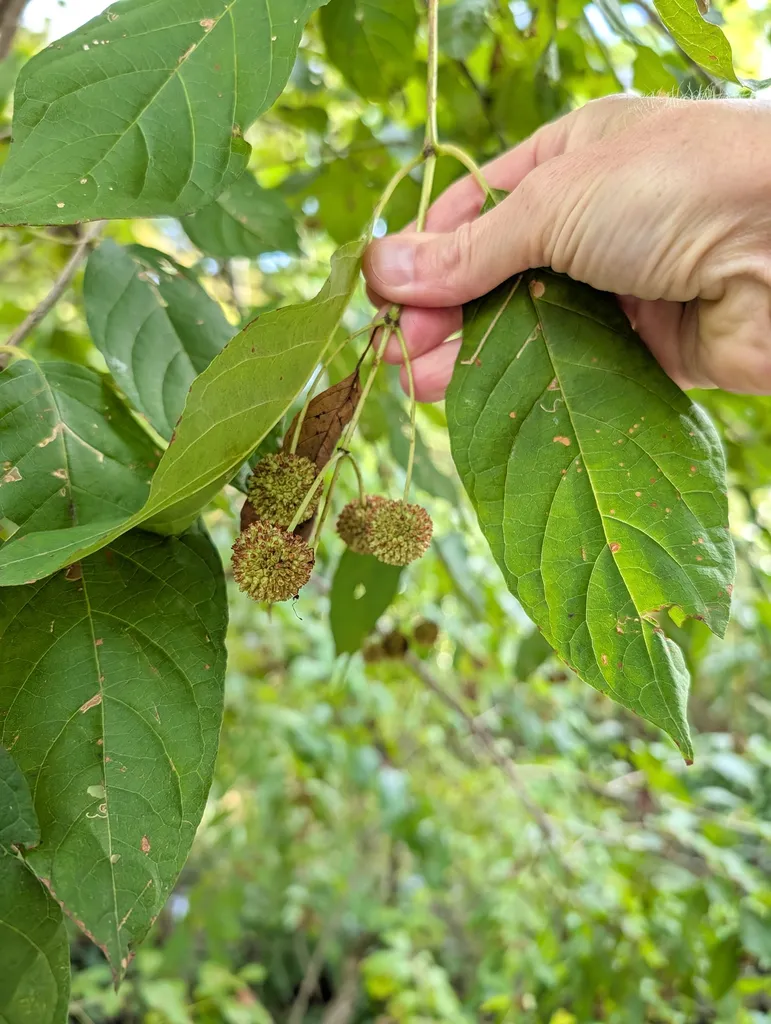
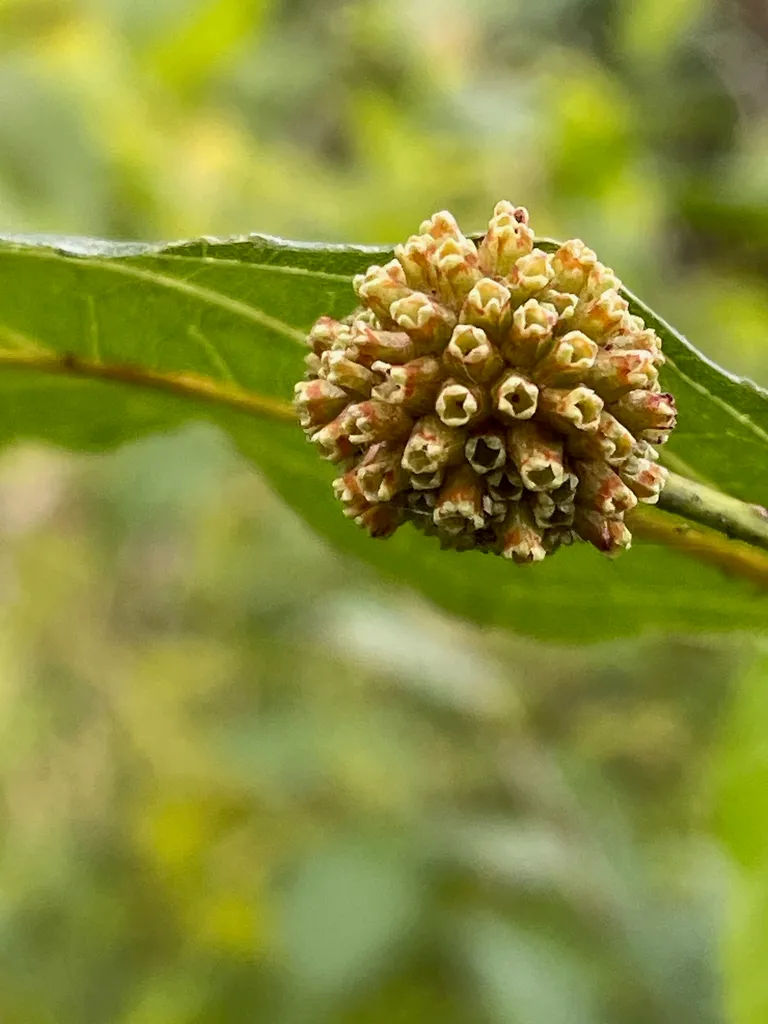
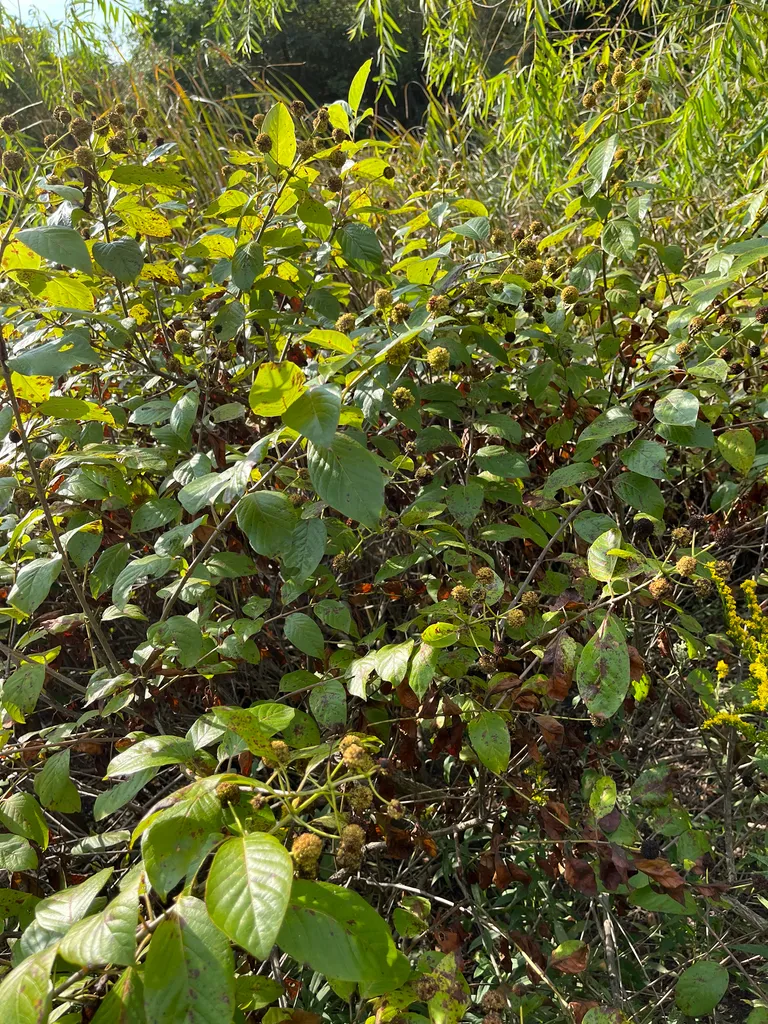
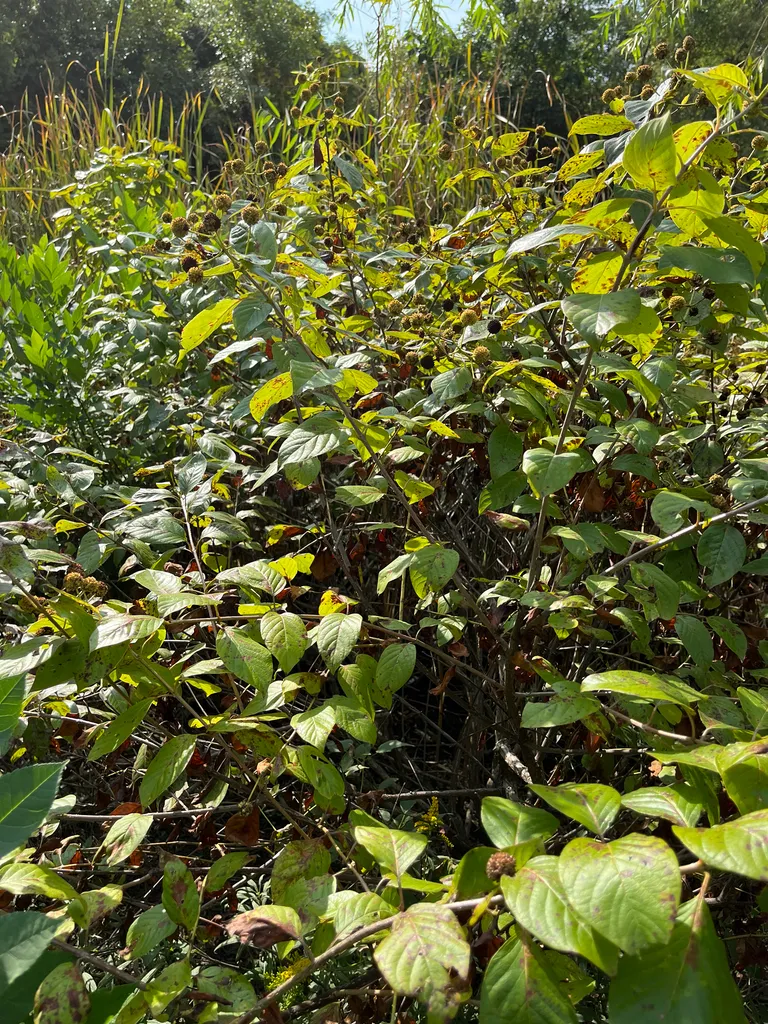
An open-branched, deciduous bush or small tree. The oval leaves are up to 18cm long, and the young stems are often red-flushed. Small, scented, creamy-white, tubular flowers are carried in dense balls 1.5cm across in late summer or early autumn
Scientific classification
- Species
- button bush (Cephalanthus occidentalis)
- Genus
- Cephalanthus
- Family
- Rubiaceae
- Foliage may cause severe discomfort if eaten. Wear gloves and wash hands after handling
- Toxicity
- Shrubs
- Plant type
- 1.5-2.5 metres
- Height
- 1.5-2.5 metres
- Spread
- Deciduous
- Foliage
- Bushy
- Habit
- Spring · Summer · Autumn
- Season of interest
- Full sun
- Sunlight
- Information to be completed
- Ideal temperature









button bush pictures
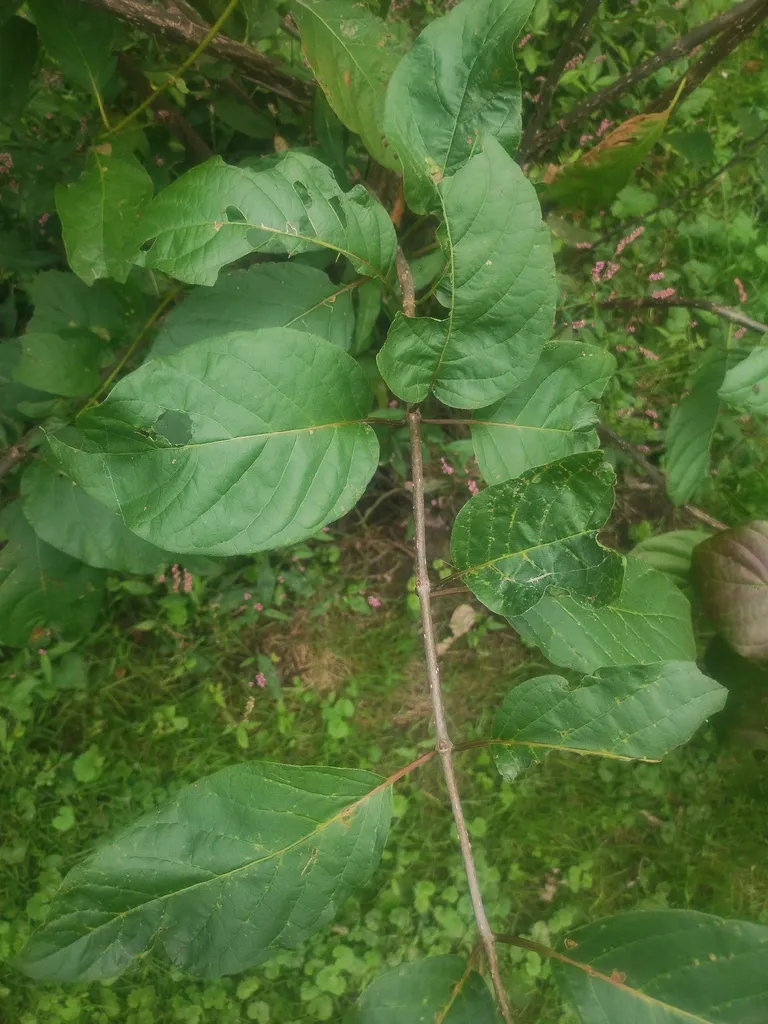
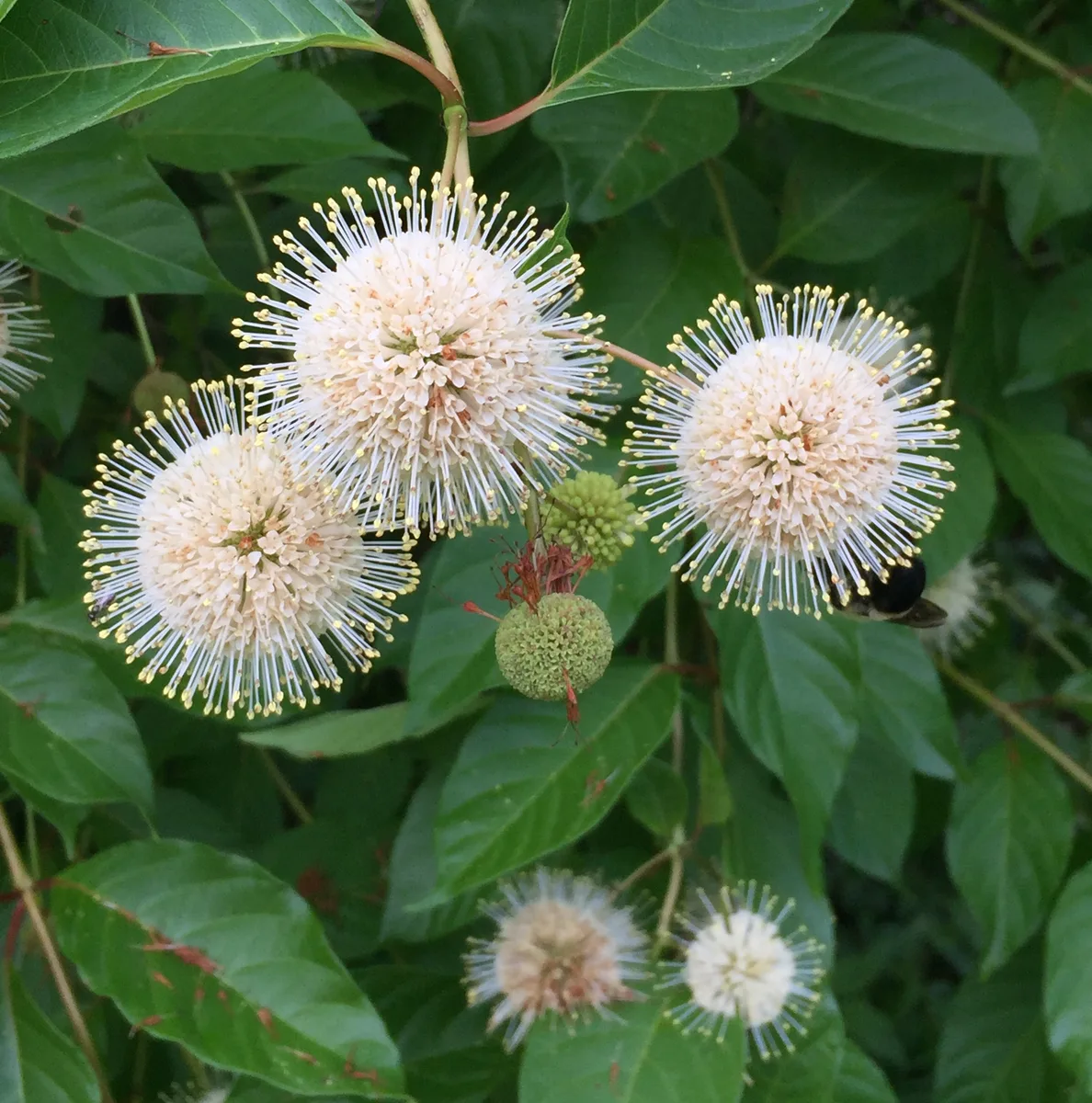
Distribution of button bush
Distribution map
Northern America
Information to be completed
Culture
Information to be completed
Toxicity
Foliage may cause severe discomfort if eaten. Wear gloves and wash hands after handling
Quick identification of button bush
Information to be completed
button bush care guide
- Moderate regular watering, allowing brief slight drying between soakings
- Watering
- Full sun
- Sunlight
- Information to be completed
- Ideal temperature

Watering
Moderate regular watering, allowing brief slight drying between soakings
Fertilizing
 Fertilizing
Balanced perennial feed every four weeks from spring through summer
Pruning
 Pruning
Shorten last year's flowering stems to one or two buds from the older woody framework. Remove thin, weak and dead shoots. Prune in early to mid-spring as growth resumes; avoid winter pruning that exposes new shoots to frost.
Propagation
 Propagation
Take semi-ripe or hardwood cuttings
Growing
 Growing
Needs fertile, humus-rich, moist but well-drained, neutral to acid soil in full sun
People also ask
Information to be completed
Common pests and diseases
Diseases
Generally trouble free
Pests
Generally trouble free
Explore the plant health library →




