
tomato 'Tomande'
Also known as: Information to be completed
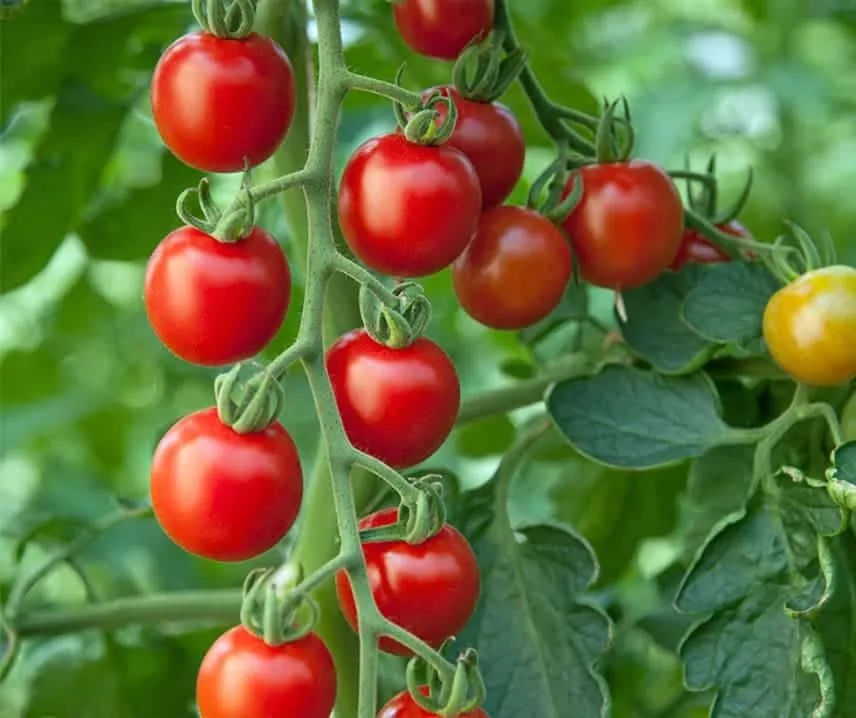
A variety producing abundant, fleshy 6 to 6.5 oz tomatoes with exceptional flavour. This vining variety, praised for its good performance and reliability, will start giving juicy and flavoursome results within seventy two days.
Scientific classification
- Species
- tomato 'Tomande' (Solanum lycopersicum 'Tomande')
- Genus
- Solanum
- Family
- Solanaceae
- Order
- Solanales
- Class
- Magnoliopsida
- Phylum
- Magnoliophyta
- Information to be completed
- Toxicity
- Herbaceous Perennial
- Plant type
- 1-1.5 metres
- Height
- 0.5-1 metres
- Spread
- Deciduous
- Foliage
- Columnar upright
- Habit
- Summer
- Season of interest
- Full sun
- Sunlight
- Information to be completed
- Ideal temperature









tomato 'Tomande' pictures
Distribution of tomato 'Tomande'
Distribution map
- Native
- Introduced
- Cultivated
Source:WCVP v16 · Royal Botanic Gardens, Kew · CC BY 3.0 · Boundaries:WGSRPD / TDWG
tomato 'Tomande' care guide
- Keep moisture even through flowering and fruiting, avoiding hard dry swings
- Watering
- Full sun
- Sunlight

Watering
Keep moisture even through flowering and fruiting, avoiding hard dry swings
Fertilizing
 Fertilizing
Tomato or pepper feed every one to two weeks in fruiting season
Pruning
 Pruning
Remove yellowing lower leaves as the plant grows to allow the plant to focus on fruiting.
Propagation
 Propagation
Propagate by seed. See sowing vegetable seeds or sowing seeds indoors for further advice
Growing
 Growing
Prefers well-drained soil, high in organic matter that is consistenly moist to prevent blossom end rot and to provide roots with the ability to better absorb nutrients. Mulching around the plant witll help with moisture retention. Transplant the matured pot-grown plant into the outside ground two weeks after the last frost. Cover the main stem with up to 2 inches of topsoil to promote root development for better support against the wind. Provide 8 hours of full sun for the best flavour. Caging or trellising is recommended to allow the plant to grow vertically which will promote a higher crop yield and give space for a larger number of plants.
Common pests and diseases
Diseases
May be susceptible to honey fungus (rarely), potato blight, tomato blight, tomato leaf mould, tomato viruses, magnesium deficiency and blossom end rot. See Tomatoes: leaf problems
Pests
May be susceptible to Tomato hornworm.
Explore the plant health library →




