
Australian pitcher plant
Also known as: Information to be completed
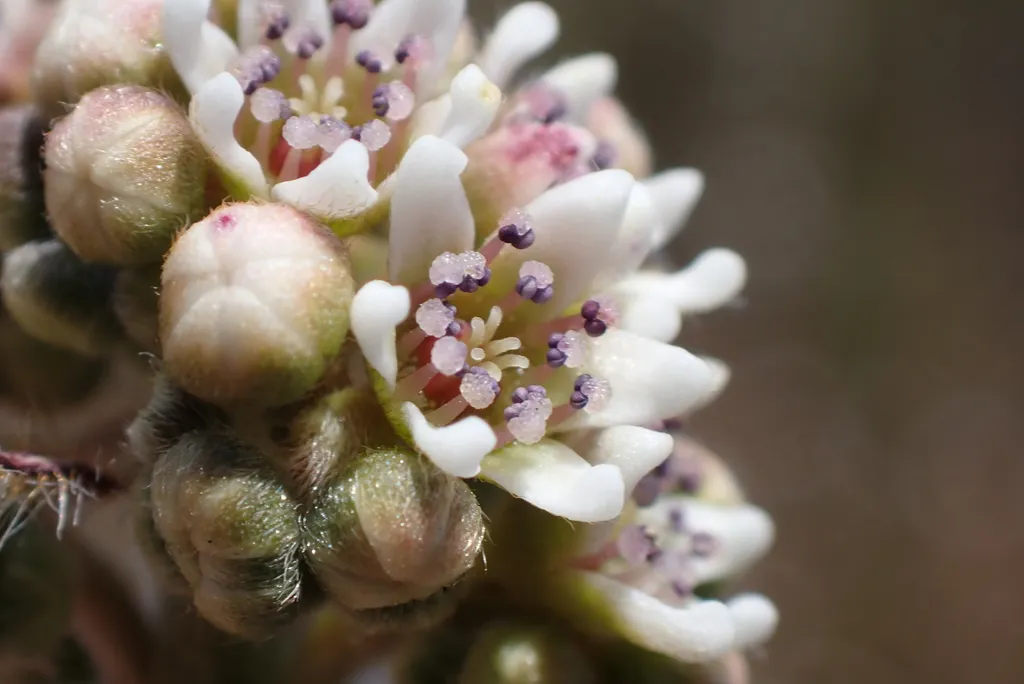
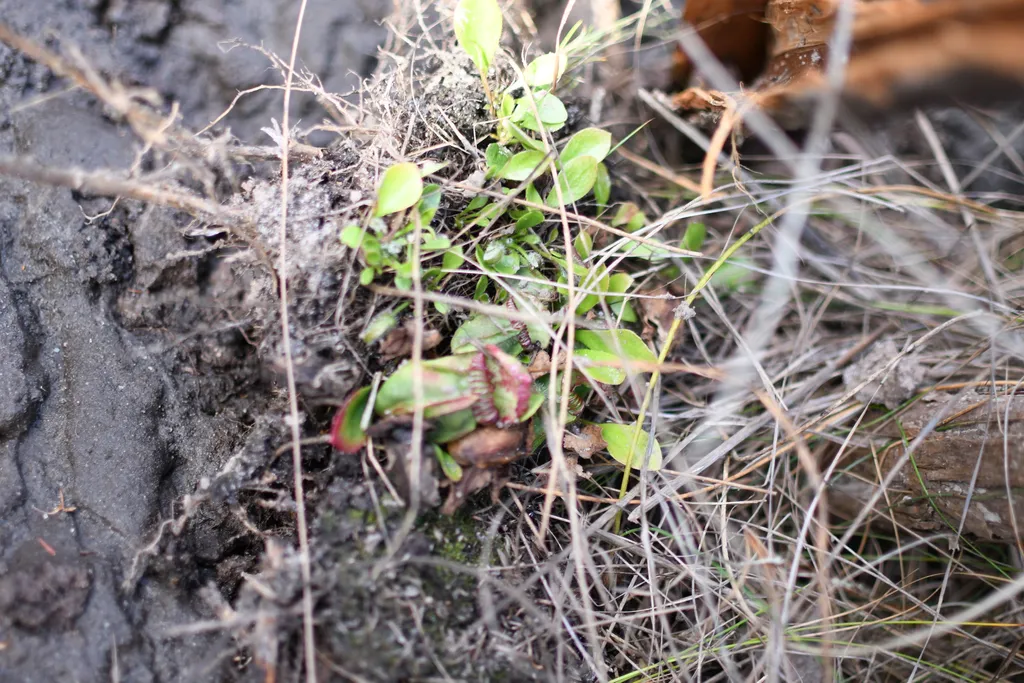
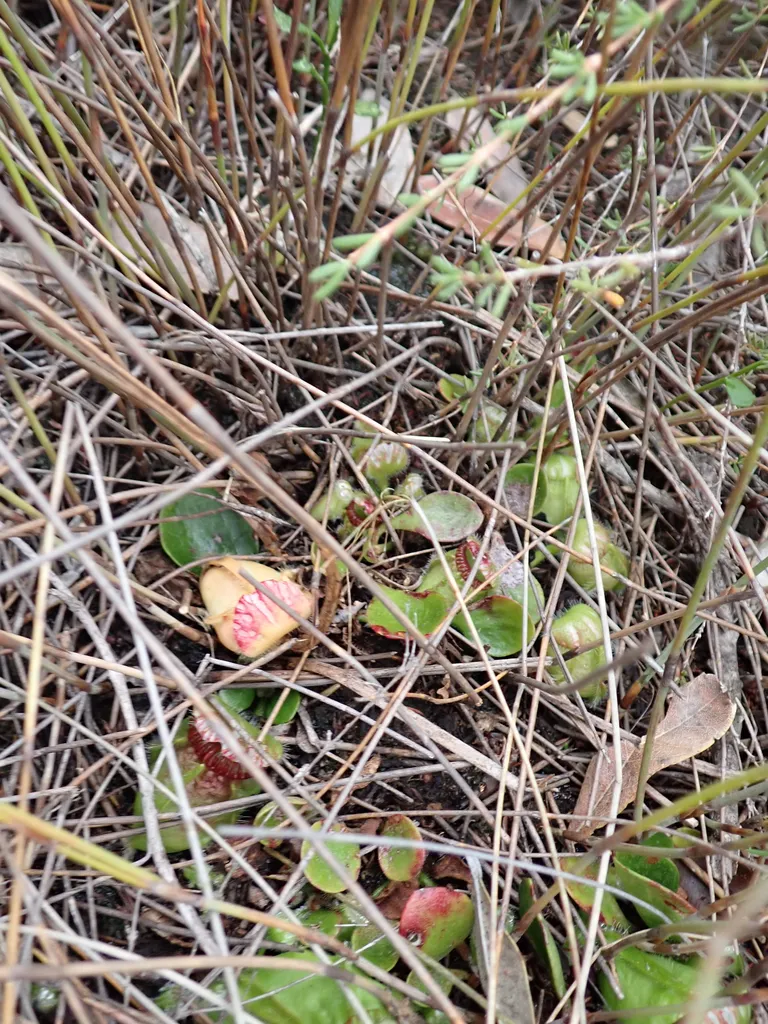
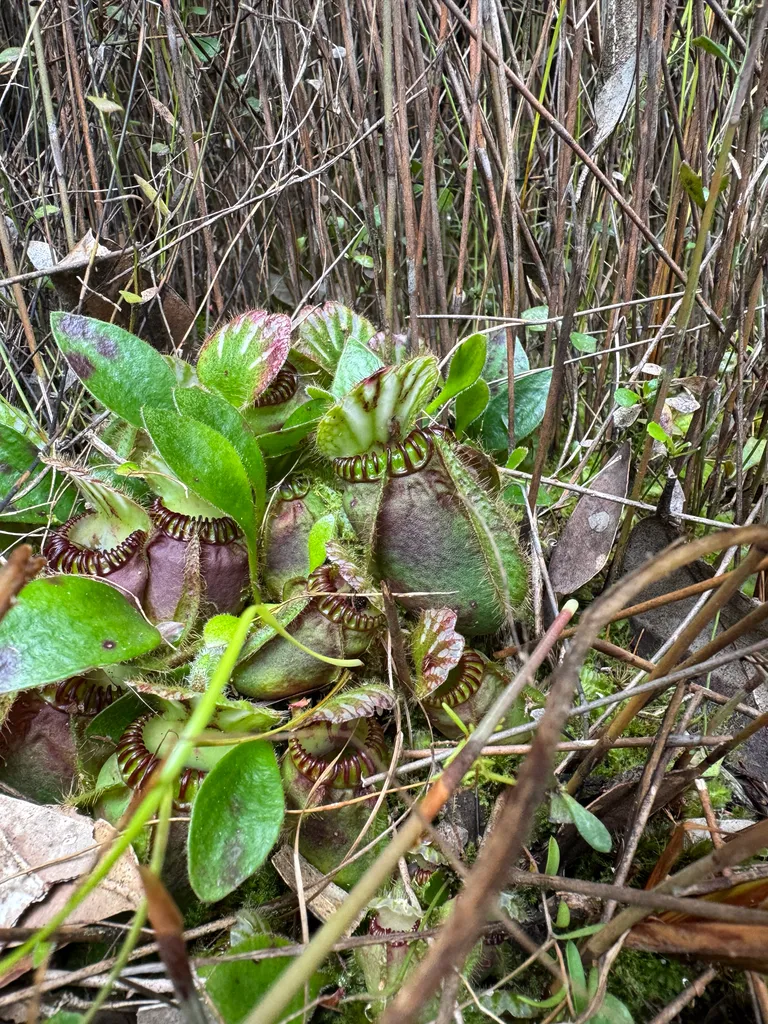
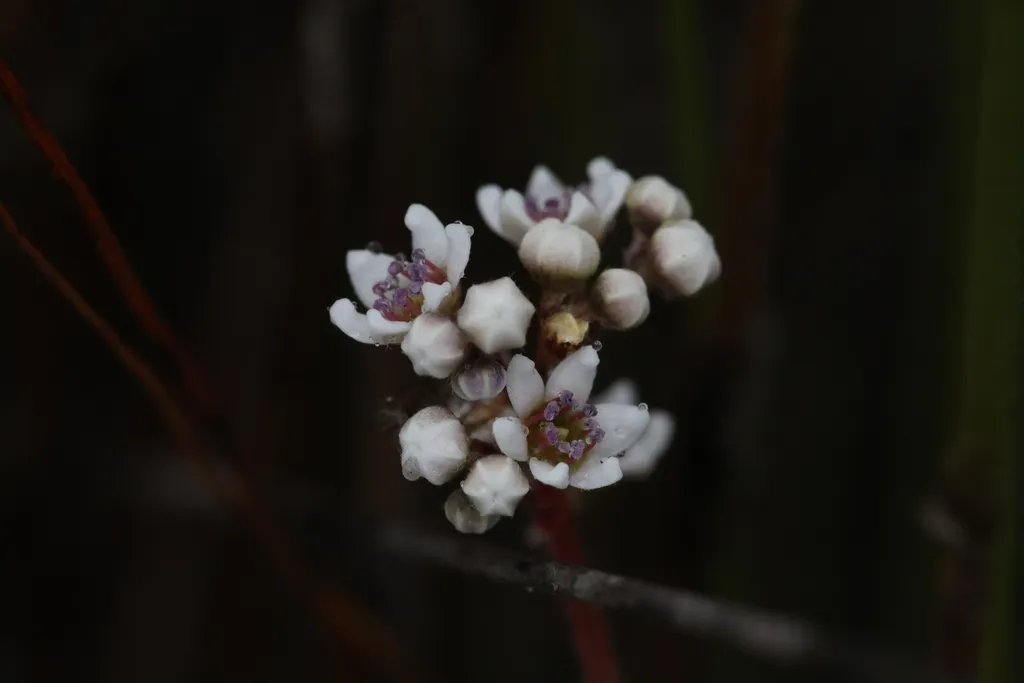
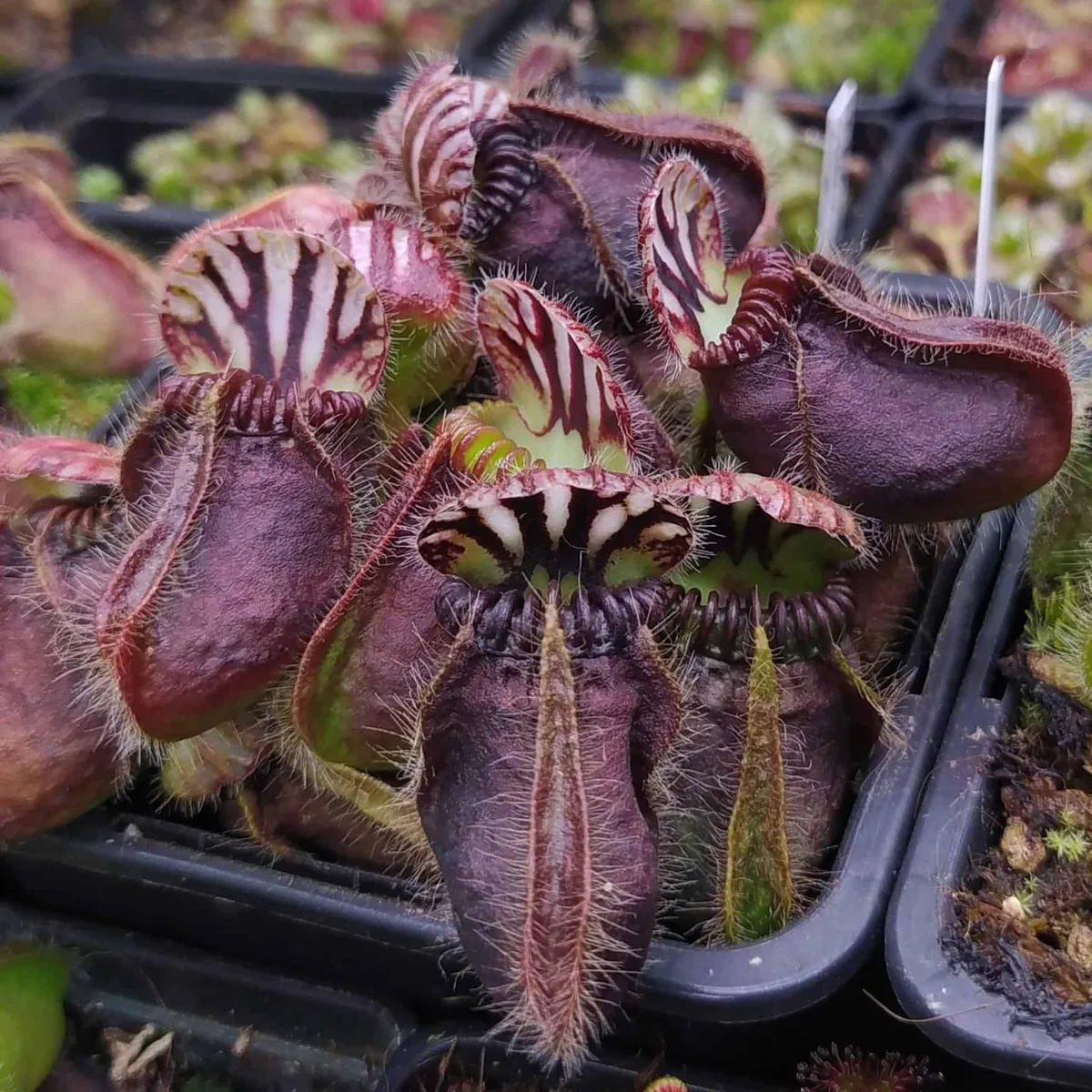
Cephalotus follicularis is a small, low-growing, clump-formingcarnivorous plant. Non-carnivorous leaves produced in spring are flat, hairy and bright green whilst the pitcher-forming leaves are 2-4cm long and develop a dark red colour under bright sunlight or remain green in shadier conditions. The mouth of the pitcher is rimmed with 24 ribs or teeth. In summer a flower stem up to 60cm tall bears small white-pale green flowers
Scientific classification
- Species
- Australian pitcher plant (Cephalotus follicularis)
- Genus
- Cephalotus
- Family
- Cephalotaceae
- Order
- Oxalidales
- Class
- Magnoliopsida
- Phylum
- Magnoliophyta
- Information to be completed
- Toxicity
- Conservatory Greenhouse · Houseplants
- Plant type
- 0.5-1 metres
- Height
- 0.1-0.5 metres
- Spread
- Semi evergreen
- Foliage
- Matforming
- Habit
- Spring · Summer · Autumn · Winter
- Season of interest
- Full sun · Partial shade
- Sunlight
- Information to be completed
- Ideal temperature









Australian pitcher plant pictures
Distribution of Australian pitcher plant
Distribution map
- Native
- Introduced
- Cultivated
Source:WCVP v16 · Royal Botanic Gardens, Kew · CC BY 3.0 · Boundaries:WGSRPD / TDWG
Australian pitcher plant care guide
- Moderate regular watering, avoid prolonged drought and stagnant waterlogging
- Watering
- Full sun · Partial shade
- Sunlight

Watering
Moderate regular watering, avoid prolonged drought and stagnant waterlogging
Fertilizing
 Fertilizing
Balanced perennial feed every four weeks spring through summer growth
Pruning
 Pruning
None required
Propagation
 Propagation
Propagate by seed, from root cuttings or leaf cuttings or by division
Growing
 Growing
Grow in a nutrient-poor, acidic substrate and maintain temperatures between 5 and 32oC. See carnivorous plant cultivation for more information
Common pests and diseases
Diseases
Generally trouble free
Pests
Susceptible to scale insects
Explore the plant health library →




