
Japanese fir
Also known as: momi fir
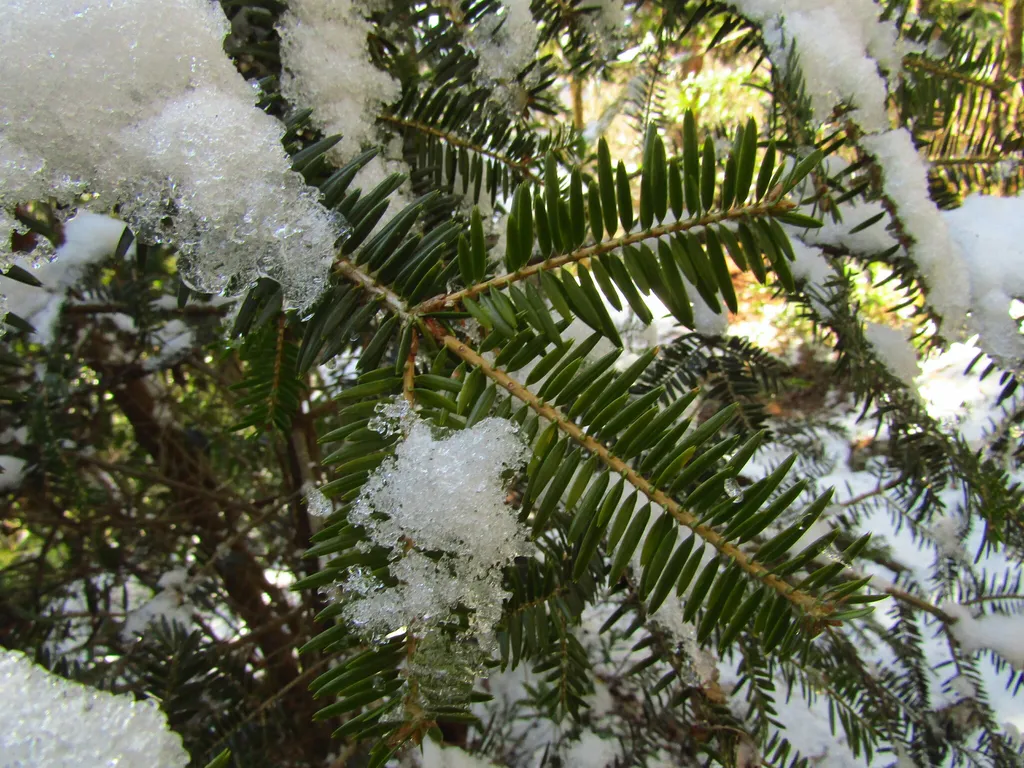
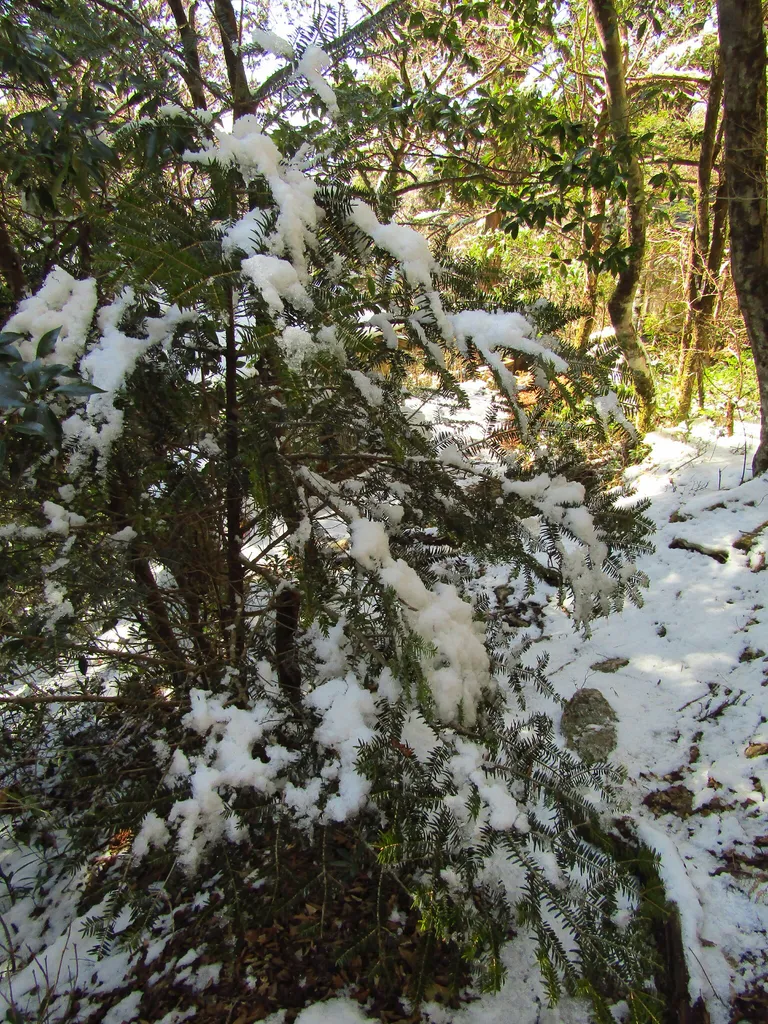
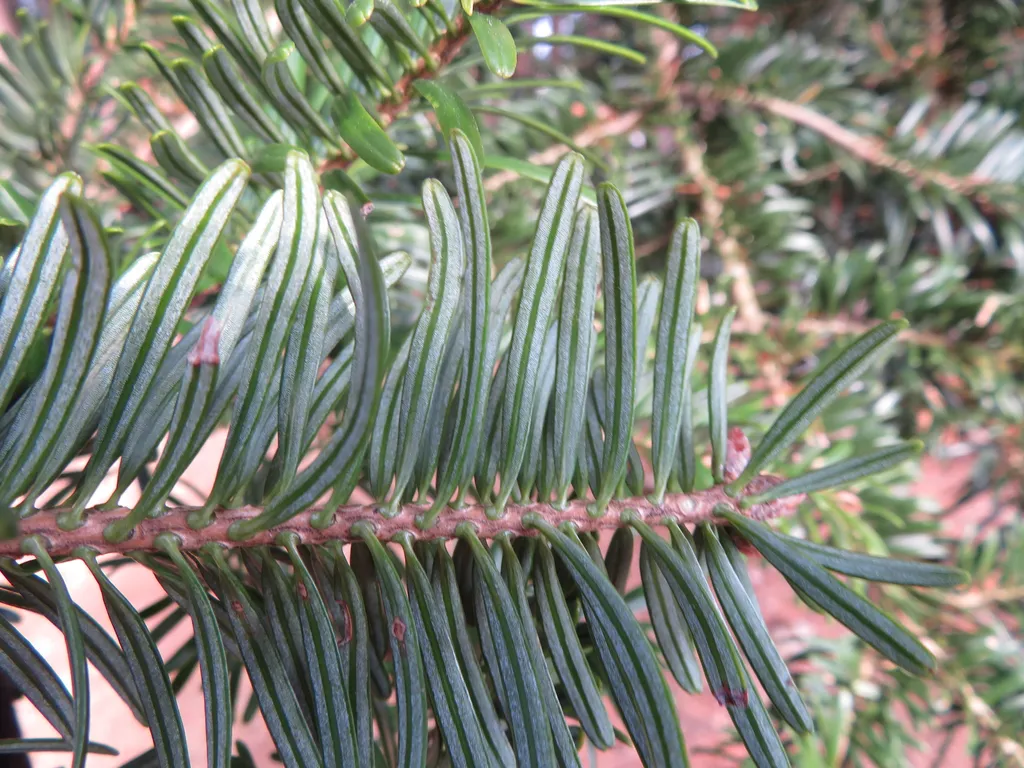
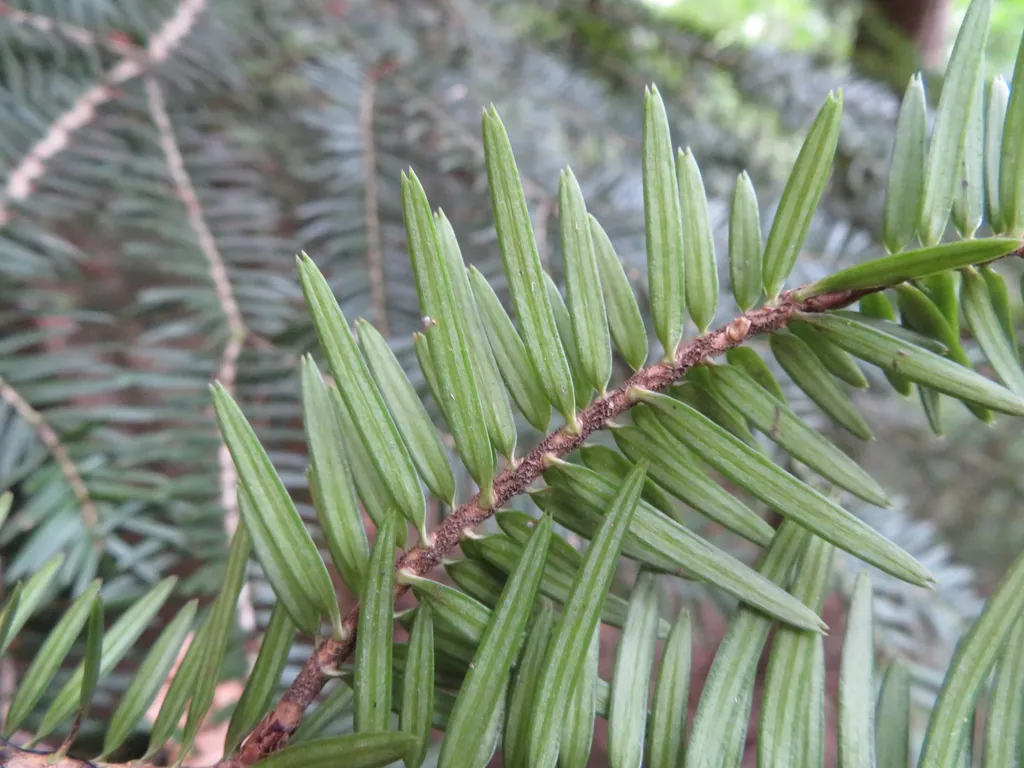
An evergreen conifer to 40-50m tall, with stiff, tough needles that are light green above and whitish green under neath. Needles of young trees are forked with sharp tips, becoming notched or blunt when older. The cylindrical cones are yellowish green, with yellow bracts and mature to yellowish brown. Cones appear in late spring and are 10-15cm tall and 3-5cm wide
Scientific classification
- Species
- Japanese fir (Abies firma)
- Genus
- Abies
- Family
- Pinaceae
- Information to be completed
- Toxicity
- Conifers · Trees
- Plant type
- Higher than 12 metres
- Height
- 4-8 metres
- Spread
- Evergreen
- Foliage
- Columnar upright
- Habit
- Spring · Summer · Autumn · Winter
- Season of interest
- Full sun
- Sunlight
- Information to be completed
- Ideal temperature









Japanese fir pictures
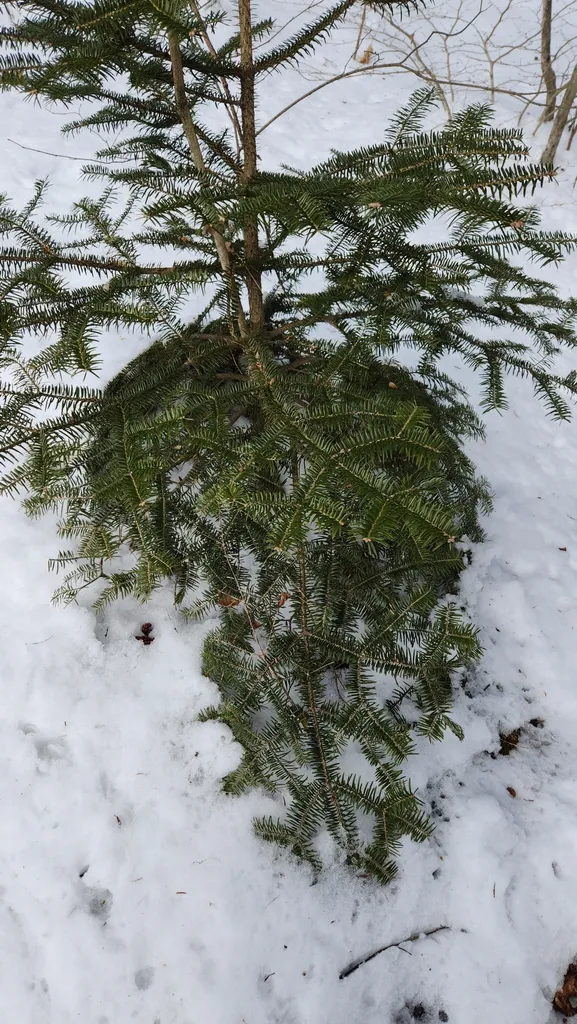
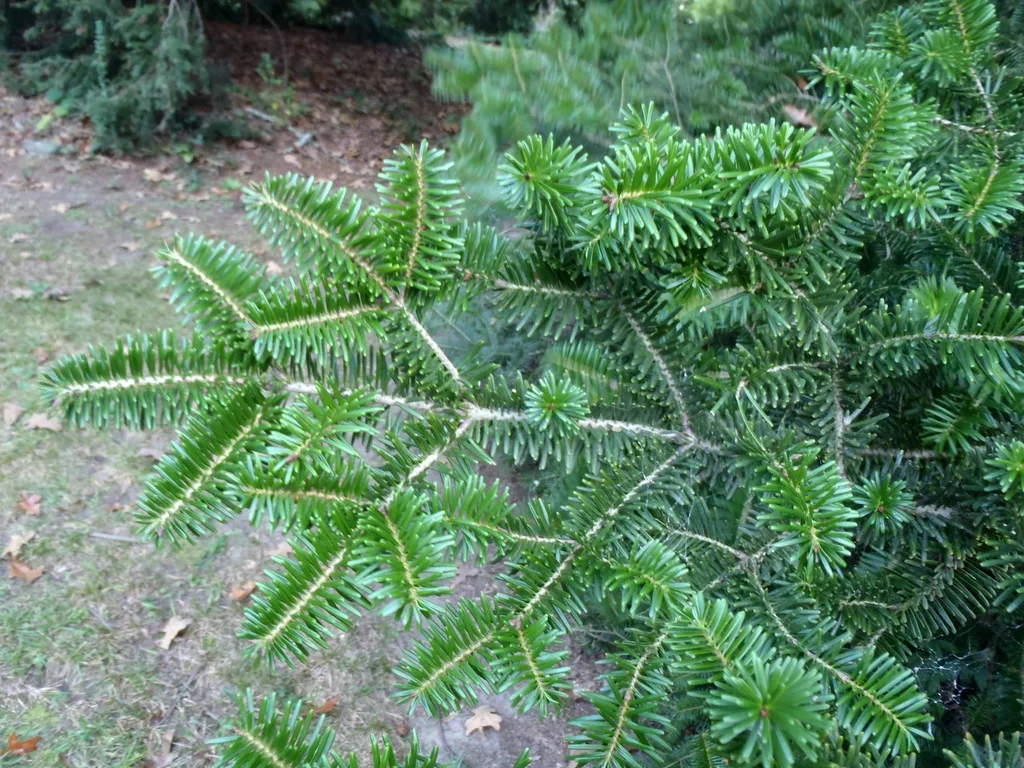
Distribution of Japanese fir
Distribution map
- Native
- Introduced
- Cultivated
Source:WCVP v16 · Royal Botanic Gardens, Kew · CC BY 3.0 · Boundaries:WGSRPD / TDWG
Culture
Information to be completed
Toxicity
Information to be completed
Quick identification of Japanese fir
Information to be completed
Japanese fir care guide
- Water deeply and regularly during the first few years; established trees are drought-tolerant.
- Watering
- Full sun
- Sunlight
- Information to be completed
- Ideal temperature

Watering
Water deeply and regularly during the first few years; established trees are drought-tolerant.
Fertilizing
 Fertilizing
Apply a balanced slow-release fertilizer in spring if growth is poor.
Pruning
 Pruning
No pruning required
Propagation
 Propagation
Propagate by grafting in winter
Growing
 Growing
Grow in deep, neutral to slightly acidic, moist but well-drained soil, in full sun, with some shelter from cold winds. Young shoots may be damaged spring frosts. See conifer cultivation
People also ask
Information to be completed
Common pests and diseases
Diseases
Generally disease-free, but may be susceptible to honey fungus
Pests
May be susceptible to adelgids and aphids
Explore the plant health library →




