
carob
Also known as: algoroba bean; algorroba bean; carob tree; European locust tree; karoub; locust bean; St John's bread; tragasol
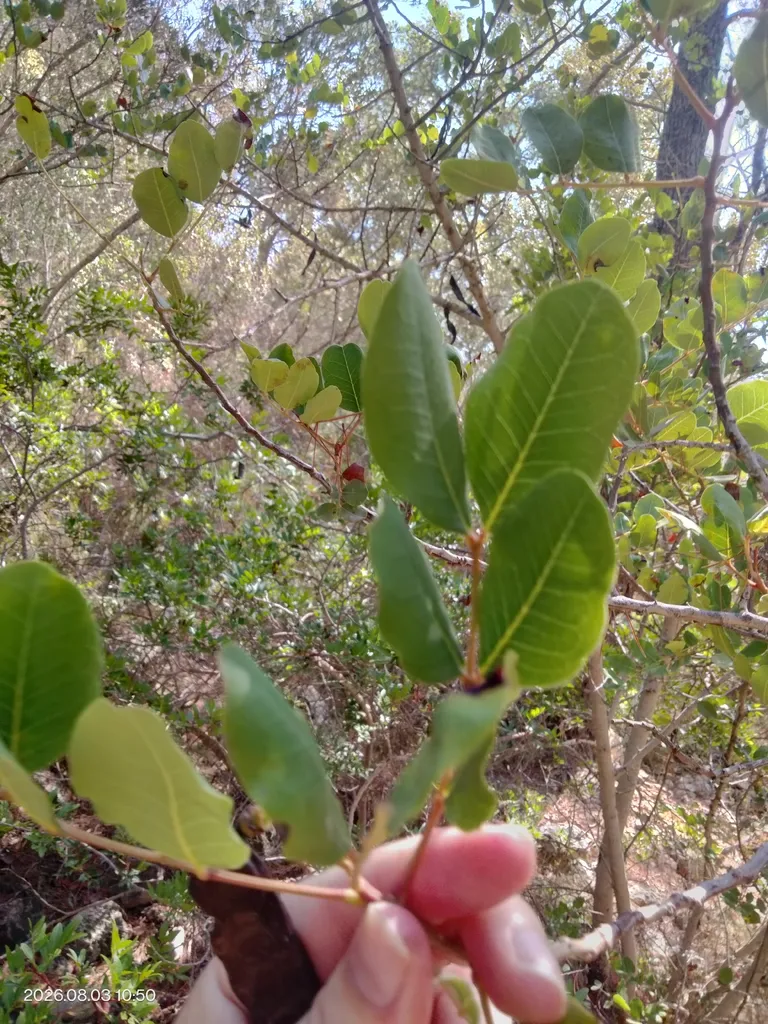
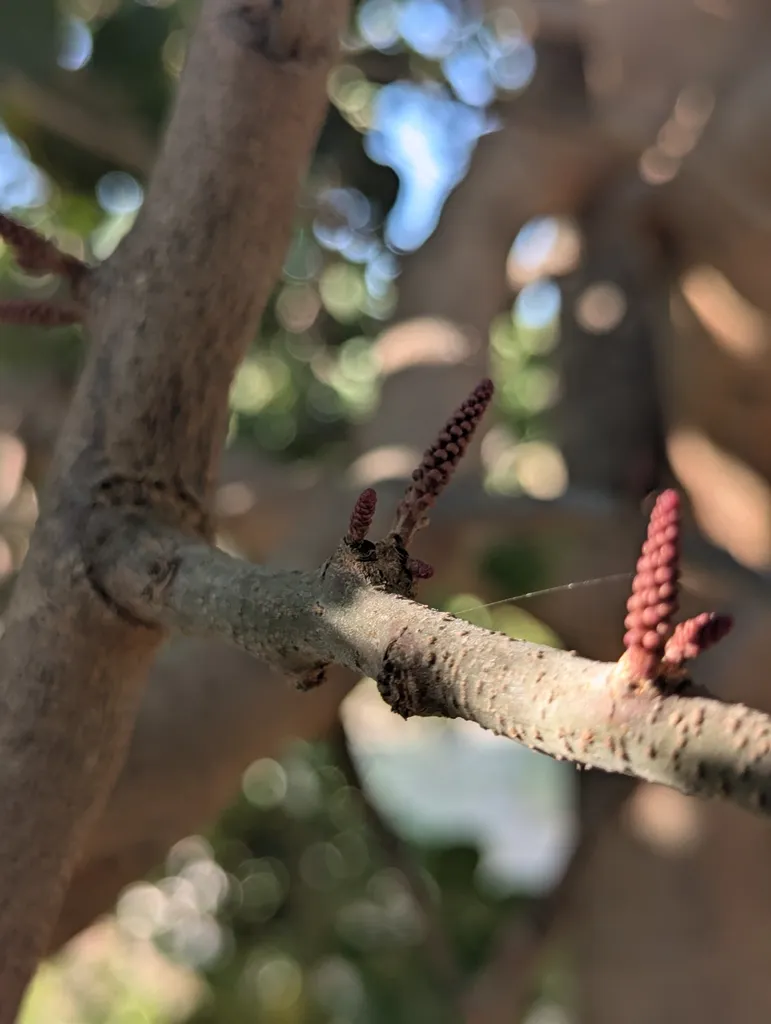
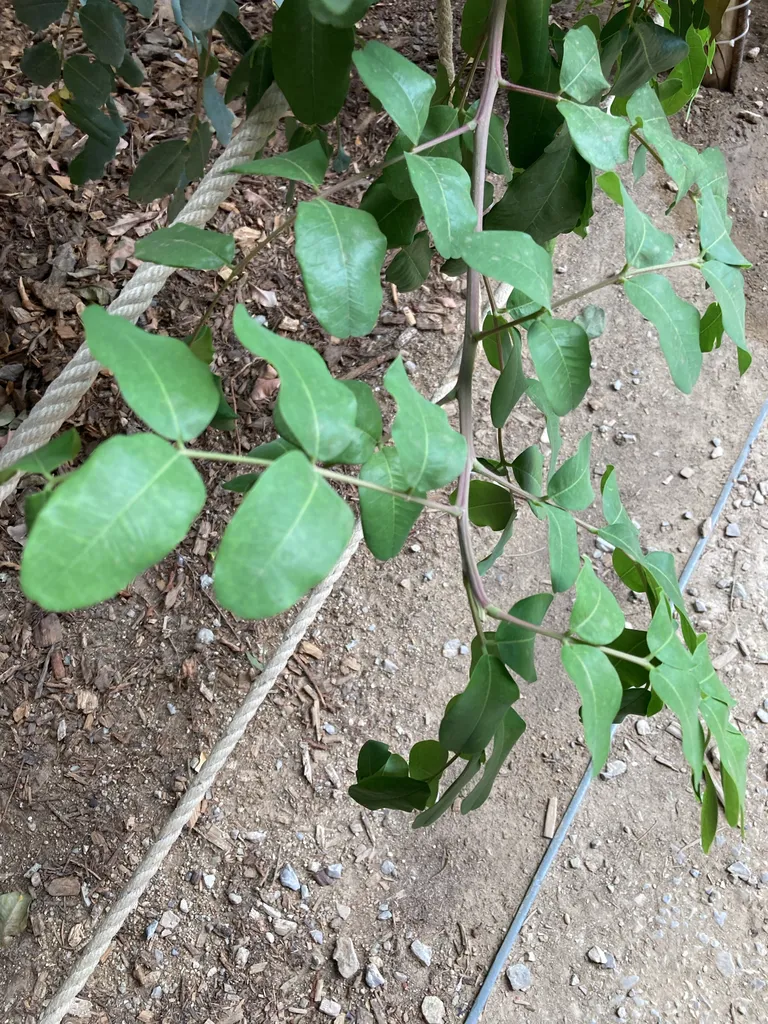
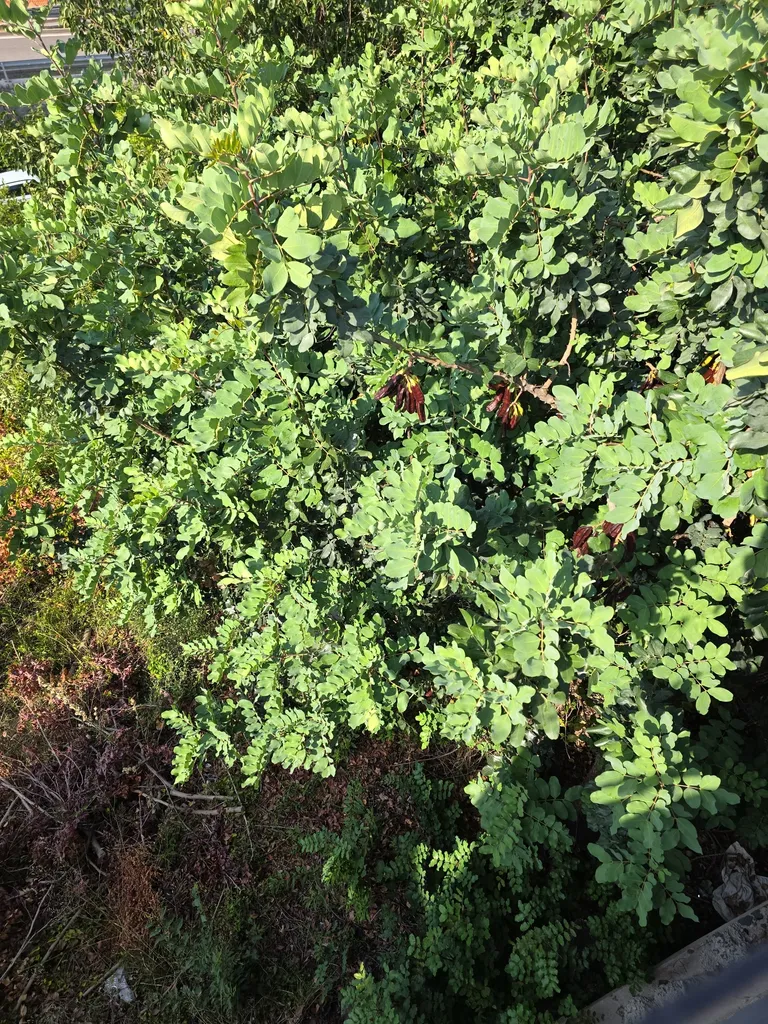
A Mediterranean evergreen shrubby tree with thick brown bark and dark green, leathery, pinnate leaves. Tiny green-tinted red flowers in racemes 2-6cm long, during spring, are followed by edible black-brown leathery pods containing a sweet pulp
Scientific classification
- Species
- carob (Ceratonia siliqua)
- Genus
- Ceratonia
- Family
- Fabaceae
- Order
- Fabales
- Class
- Magnoliopsida
- Phylum
- Magnoliophyta
- Information to be completed
- Toxicity
- Trees
- Plant type
- 8-12 metres
- Height
- 4-8 metres
- Spread
- Evergreen
- Foliage
- Bushy
- Habit
- Spring · Summer · Autumn · Winter
- Season of interest
- Full sun
- Sunlight
- Information to be completed
- Ideal temperature









carob pictures
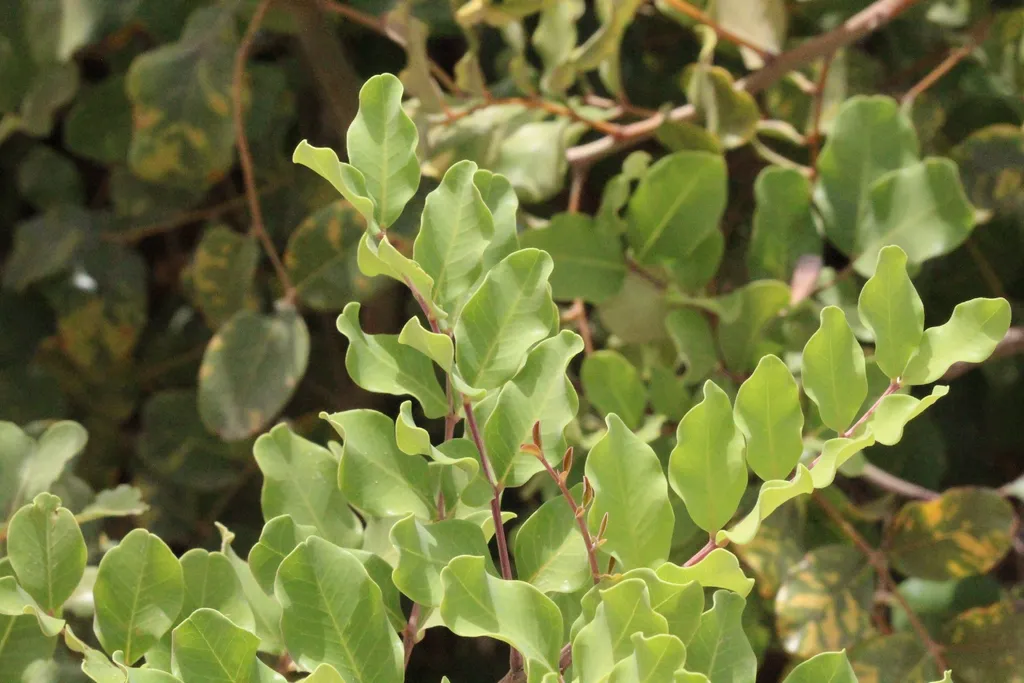
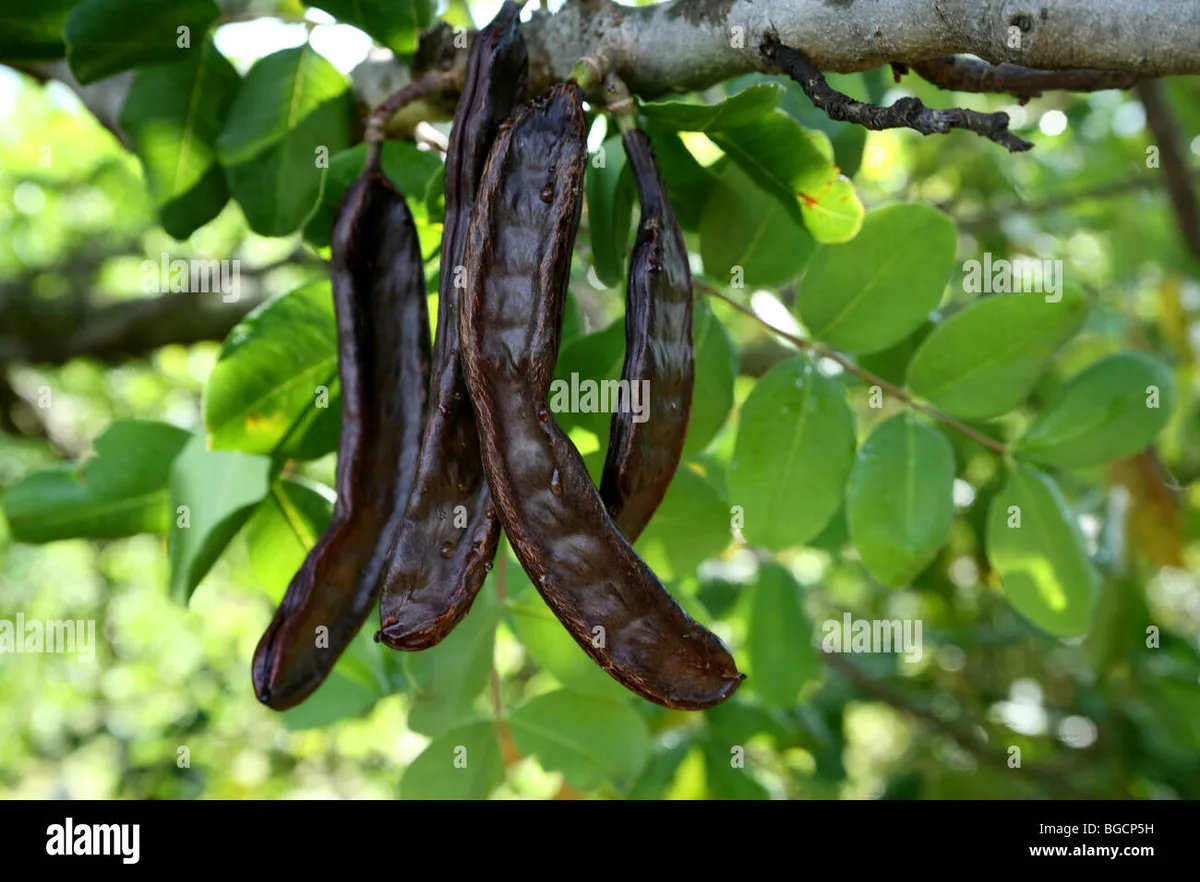
Distribution of carob
Distribution map
- Native
- Introduced
- Cultivated
Source:WCVP v16 · Royal Botanic Gardens, Kew · CC BY 3.0 · Boundaries:WGSRPD / TDWG
carob care guide
- Water deeply but infrequently; allow the soil to dry out completely between waterings.
- Watering
- Full sun
- Sunlight

Watering
Water deeply but infrequently; allow the soil to dry out completely between waterings.
Fertilizing
 Fertilizing
Apply a low-nitrogen fertilizer in spring; avoid over-fertilizing.
Pruning
 Pruning
Prune only to keep within bounds
Propagation
 Propagation
Propagate by seed soaked in water for 24 hours or propagate by semi-ripe cuttings with bottom heat
Growing
 Growing
Grow in well-drained soil in full sun with shelter from a south or southwest facing wall
Common pests and diseases
Diseases
Generally trouble free
Pests
Generally trouble free
Explore the plant health library →




