
sedum-leaved galatella
Also known as: Information to be completed
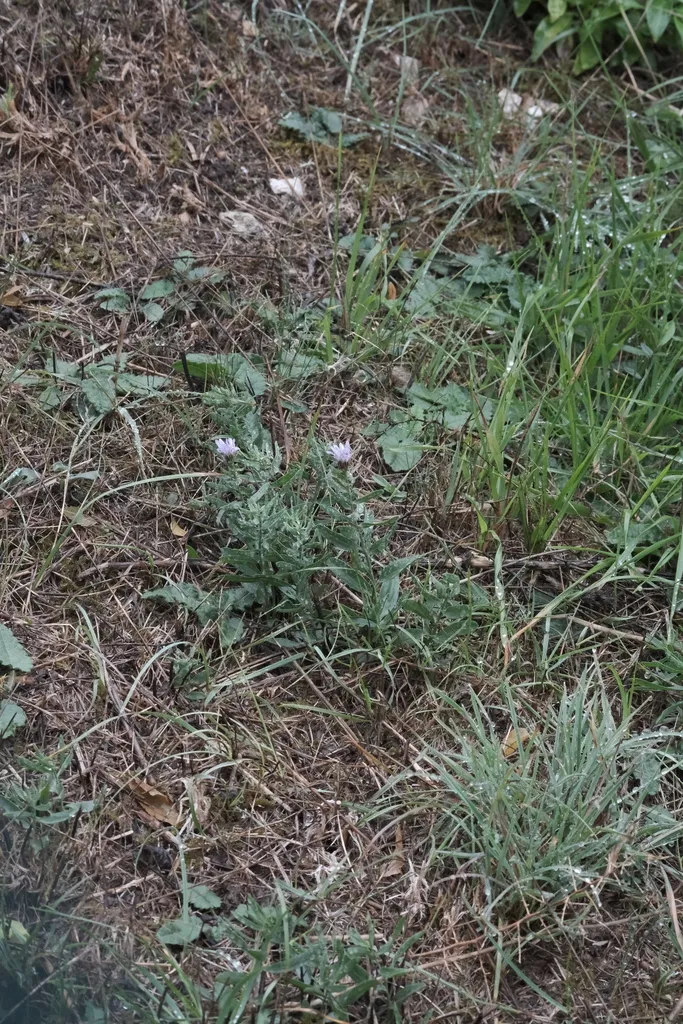
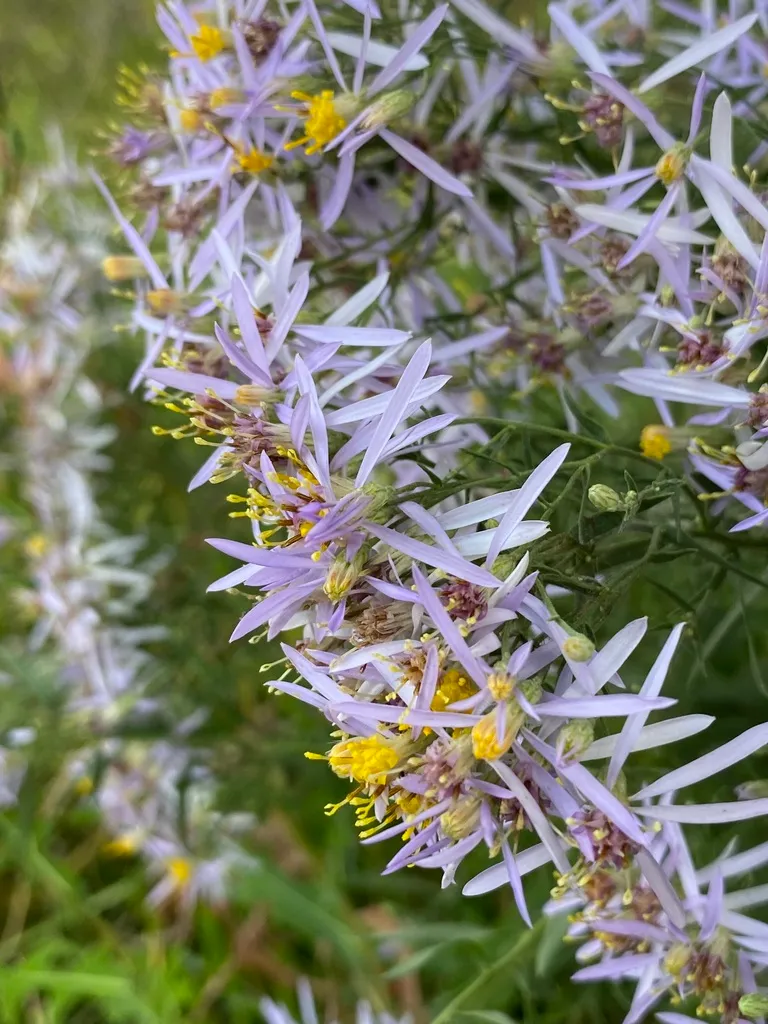
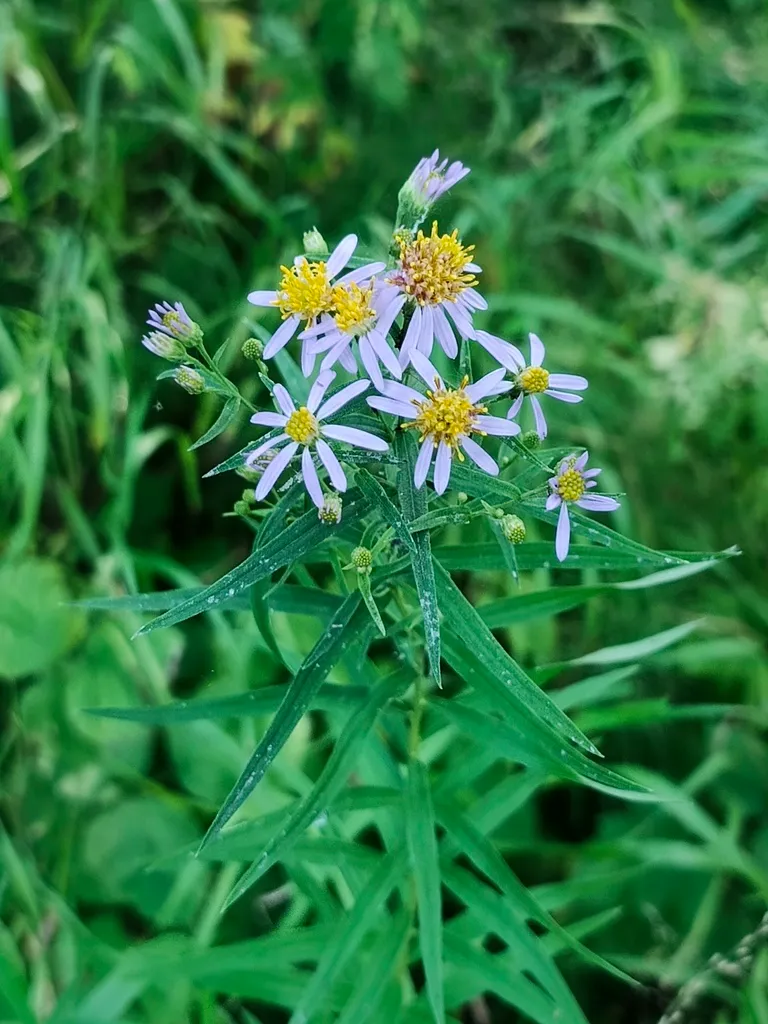
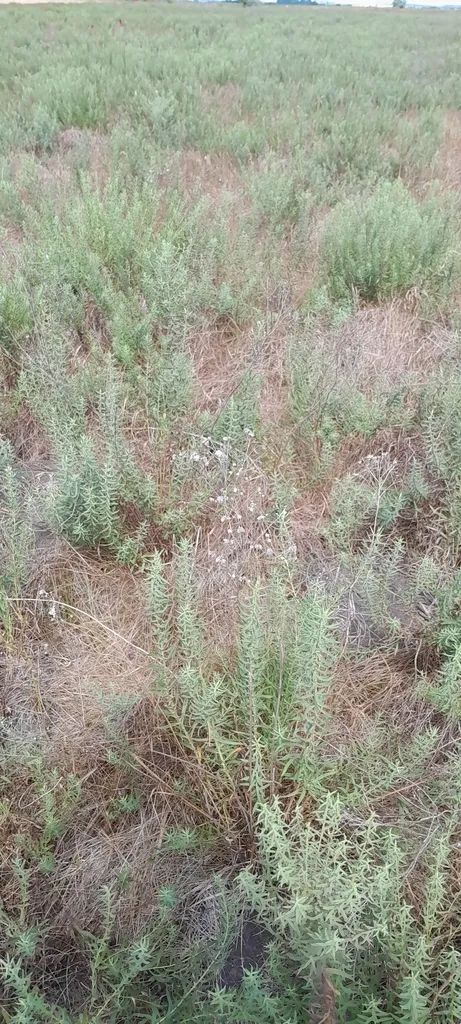
A clump-forming perennial to 1.2m with weakly branched stems and mid-green leaves. Terminal sprays of 4cm flowerheads are produced in late summer and early autumn. These have yellow centres and widely spaced petals in light blue-purple, lilac or lilac pink
Scientific classification
- Species
- sedum-leaved galatella (Galatella sedifolia)
- Genus
- Galatella
- Family
- Asteraceae
- Information to be completed
- Toxicity
- Herbaceous Perennial
- Plant type
- 1-1.5 metres
- Height
- 0.5-1 metres
- Spread
- Deciduous
- Foliage
- Bushy
- Habit
- Spring · Summer · Autumn
- Season of interest
- Full sun
- Sunlight
- Information to be completed
- Ideal temperature









sedum-leaved galatella pictures
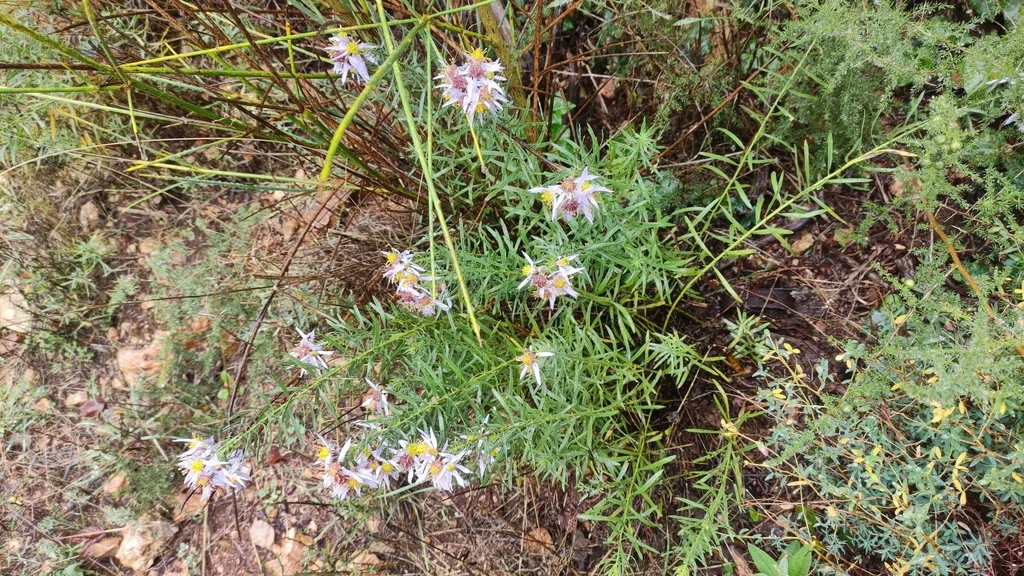
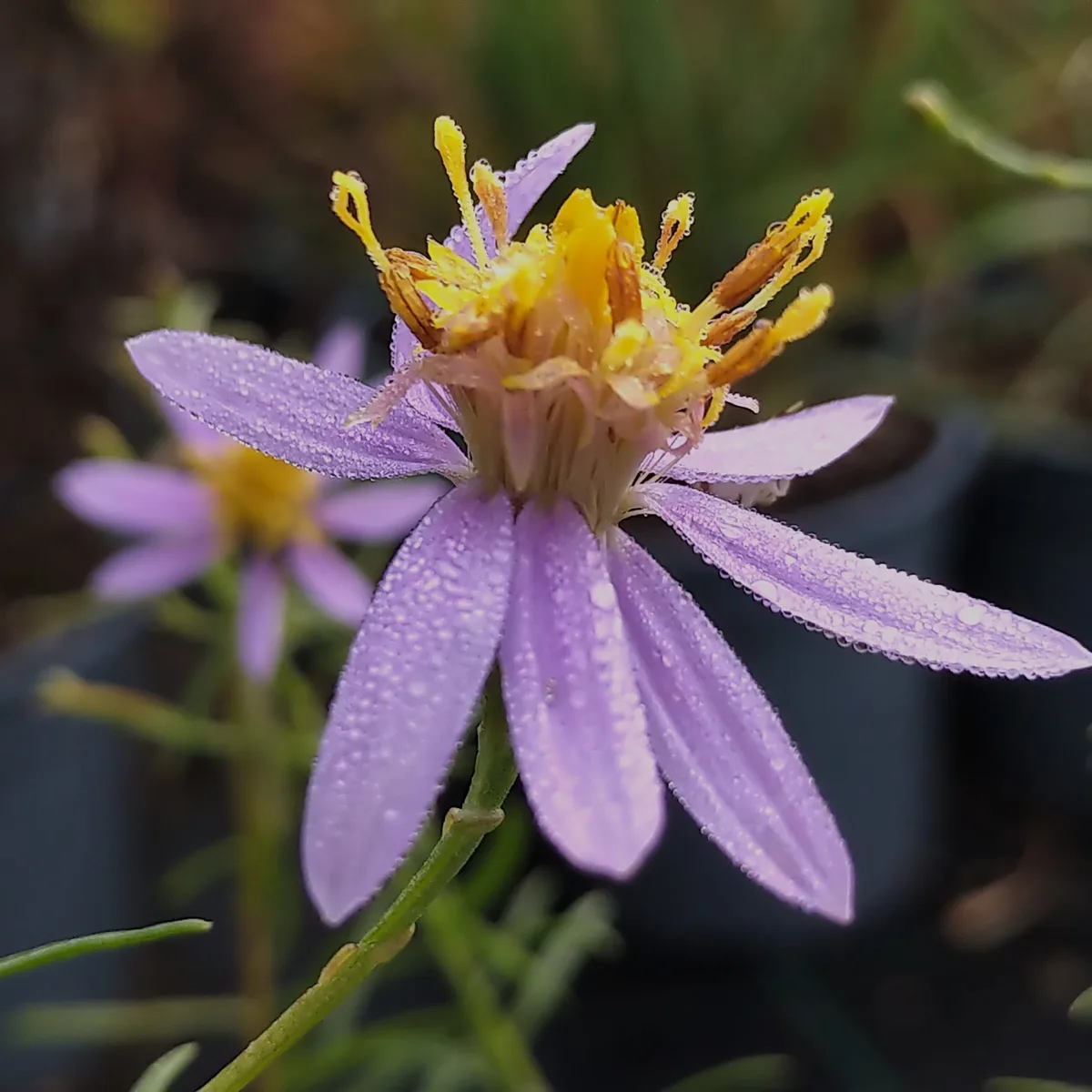
Distribution of sedum-leaved galatella
Distribution map
- Native
- Introduced
- Cultivated
Source:WCVP v16 · Royal Botanic Gardens, Kew · CC BY 3.0 · Boundaries:WGSRPD / TDWG
Culture
Information to be completed
Toxicity
Information to be completed
Quick identification of sedum-leaved galatella
Information to be completed
sedum-leaved galatella care guide
- Moderate regular watering, avoid prolonged drought and stagnant waterlogging
- Watering
- Full sun
- Sunlight
- Information to be completed
- Ideal temperature

Watering
Moderate regular watering, avoid prolonged drought and stagnant waterlogging
Fertilizing
 Fertilizing
Balanced perennial feed every four weeks spring through summer growth
Pruning
 Pruning
Cut back in late autumn
Propagation
 Propagation
Propagate by division in spring
Growing
 Growing
Grow in moderately fertile, well-drained soil in open sunny position; may need staking. See staking perennials for further advice
People also ask
Information to be completed
Common pests and diseases
Diseases
May suffer from a leaf spot
Pests
May be affected by leaf and bud eelworm, aphids, slugs and snails
Explore the plant health library →




