
cucamelon
Also known as: mouse melon
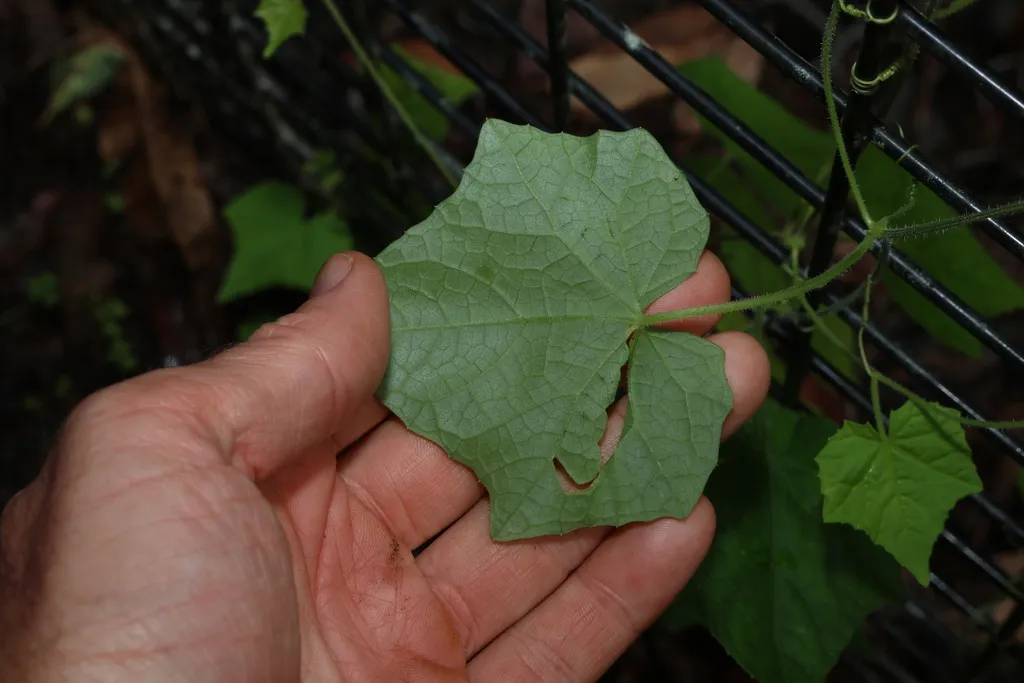
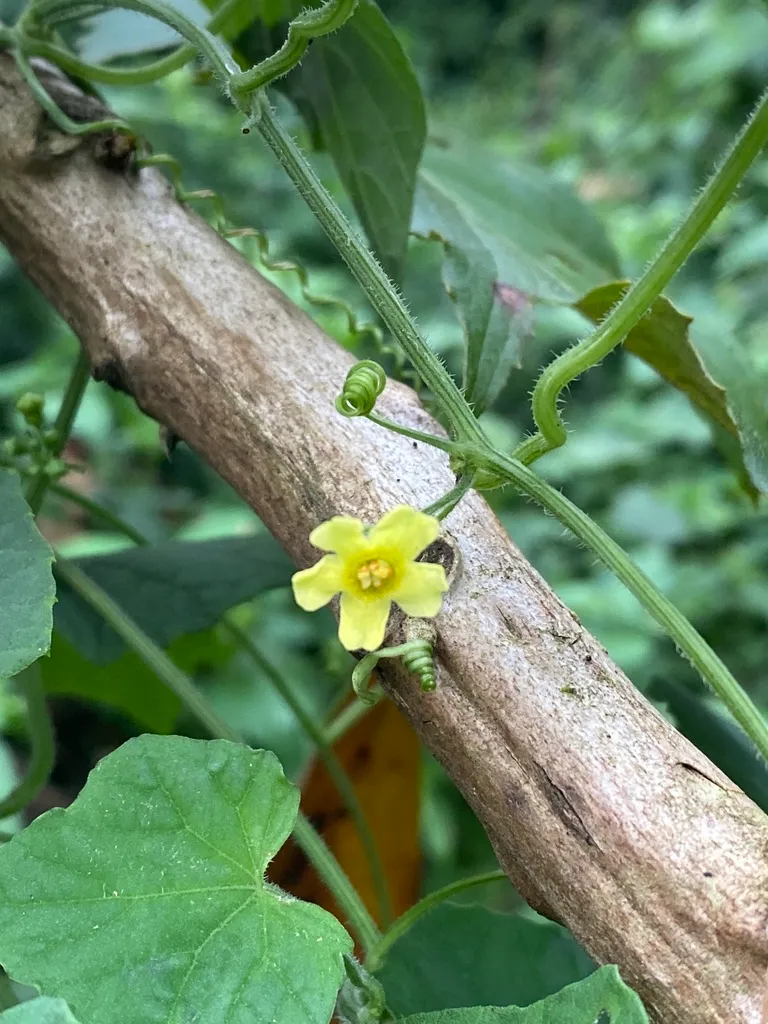
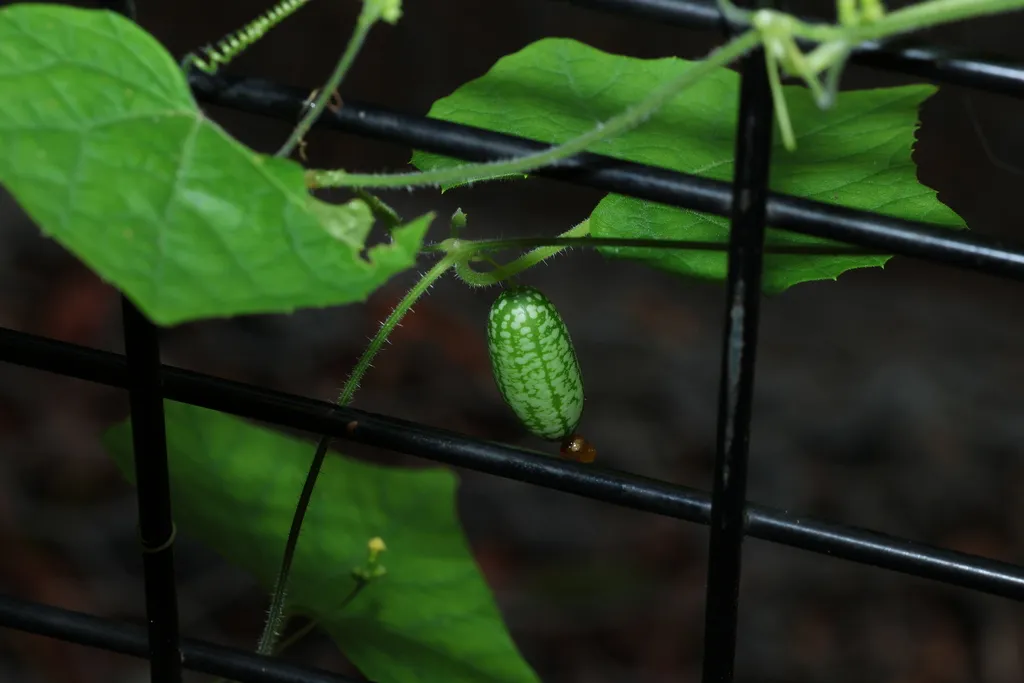
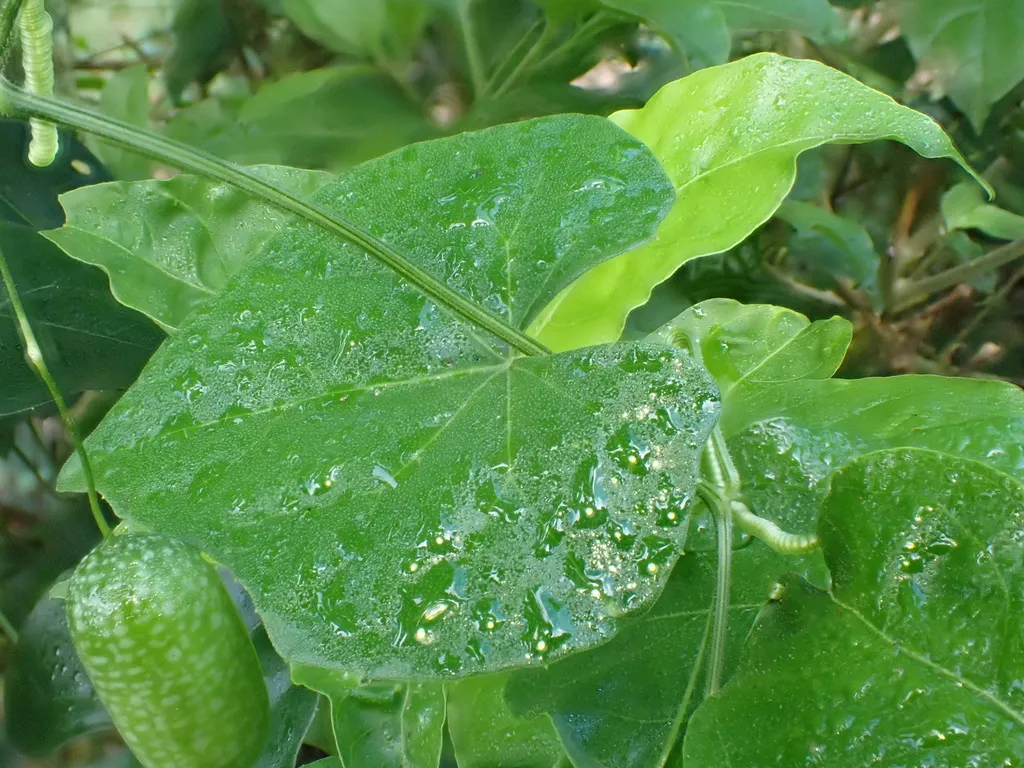
Melothria scabra is a fast-growing herbaceous perennial climber, usually grown as an annual, 2.5-3m high, with double-spiralled tendrils, rough-textured green leaves, 3-7cm long with three or five lobes, small yellow flowers about 4mm across in summer, and olive-shaped fruits which are usually about 2.5cm but up to 4cm long and dark green with bands of pale green mottling, in late summer and early autumn; the fruits are edible with an acidic cucumber taste and crunchy texture
Scientific classification
- Species
- cucamelon (Melothria scabra)
- Genus
- Melothria
- Family
- Cucurbitaceae
- Information to be completed
- Toxicity
- Annual Biennial · Conservatory Greenhouse · Fruit Edible · Herbaceous Perennial
- Plant type
- 2.5-4 metres
- Height
- 1-1.5 metres
- Spread
- Deciduous
- Foliage
- Climbing
- Habit
- Spring · Summer · Autumn
- Season of interest
- Full sun
- Sunlight
- Information to be completed
- Ideal temperature









cucamelon pictures
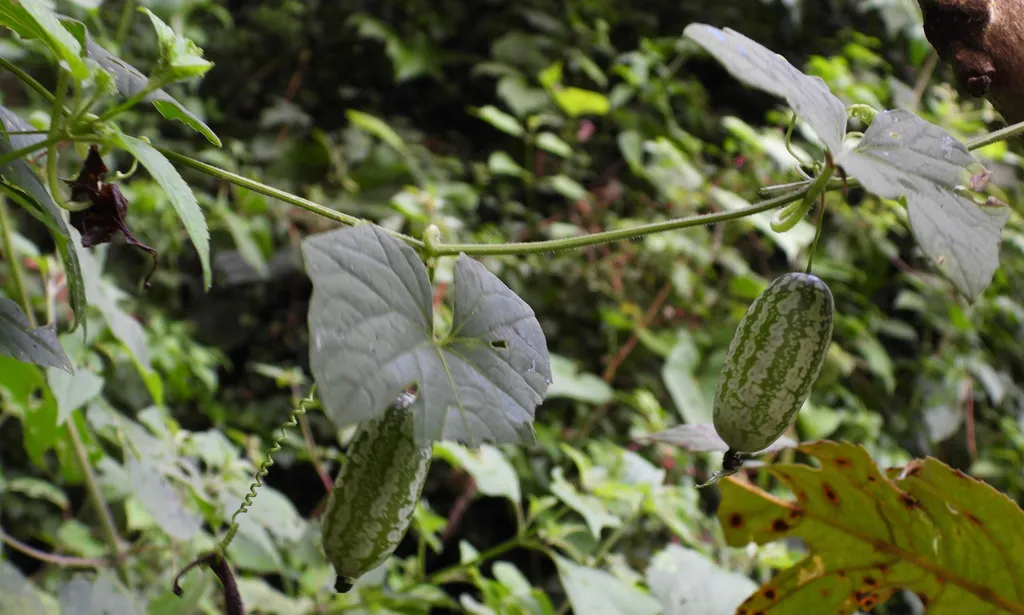
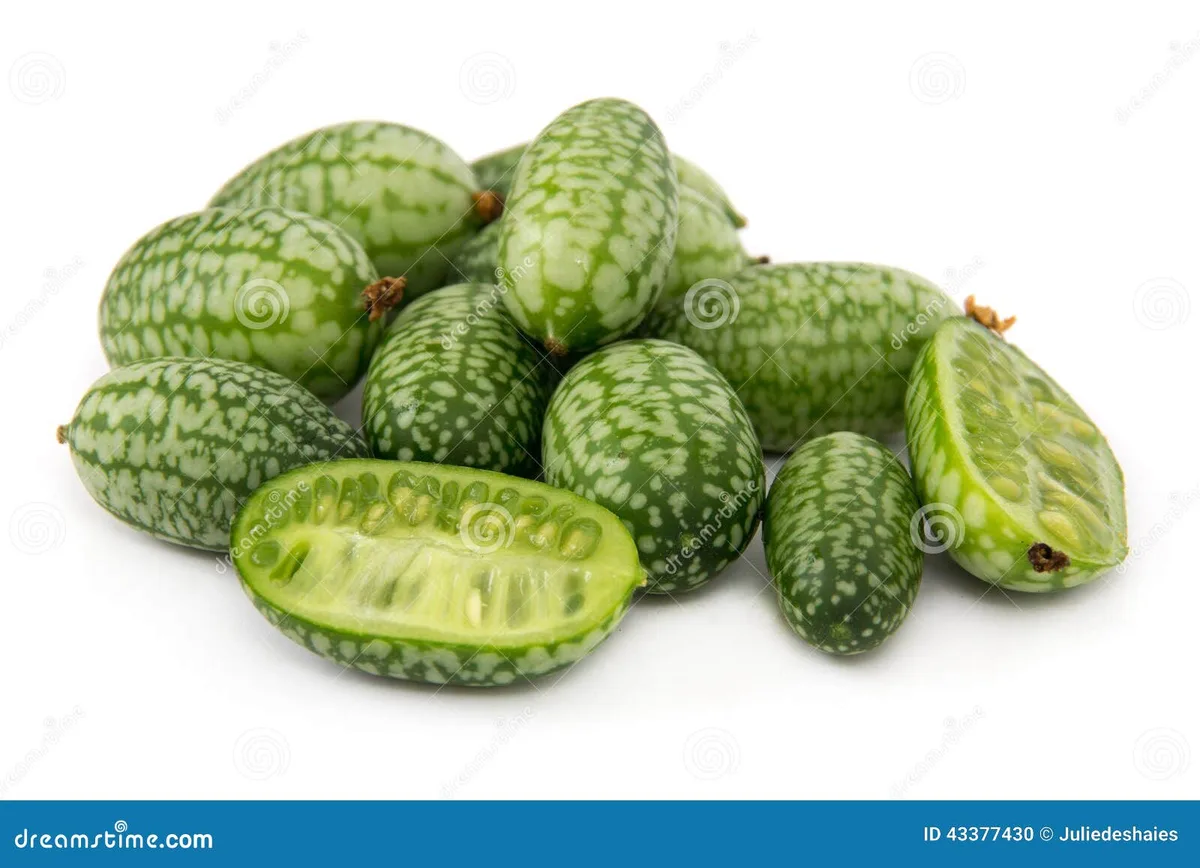
Distribution of cucamelon
Distribution map
Mexico
Information to be completed
Culture
Information to be completed
Toxicity
Information to be completed
Quick identification of cucamelon
Information to be completed
cucamelon care guide
- Moderate regular watering, allowing brief slight drying between soakings
- Watering
- Full sun
- Sunlight
- Information to be completed
- Ideal temperature

Watering
Moderate regular watering, allowing brief slight drying between soakings
Fertilizing
 Fertilizing
Balanced perennial feed every four weeks from spring through summer
Pruning
 Pruning
No pruning needed
Propagation
 Propagation
Propagate by seed sown at 22-24°C in spring
Growing
 Growing
Sow seeds in spring and keep at 22-24°C until germination, grow on at 18-21°C or plant out in moist but well-drained soil in a sunny, sheltered position once all risk of frost has passed, and provide support such as netting; roots may be lifted and stored overwinter in just-moist compost in a frost-free place and re-planted the following spring
People also ask
Information to be completed
Common pests and diseases
Diseases
Generally disease-free
Pests
Generally pest-free
Explore the plant health library →




