
umbrella flower
Also known as: parachute plant; fountain flower; umbrella plant
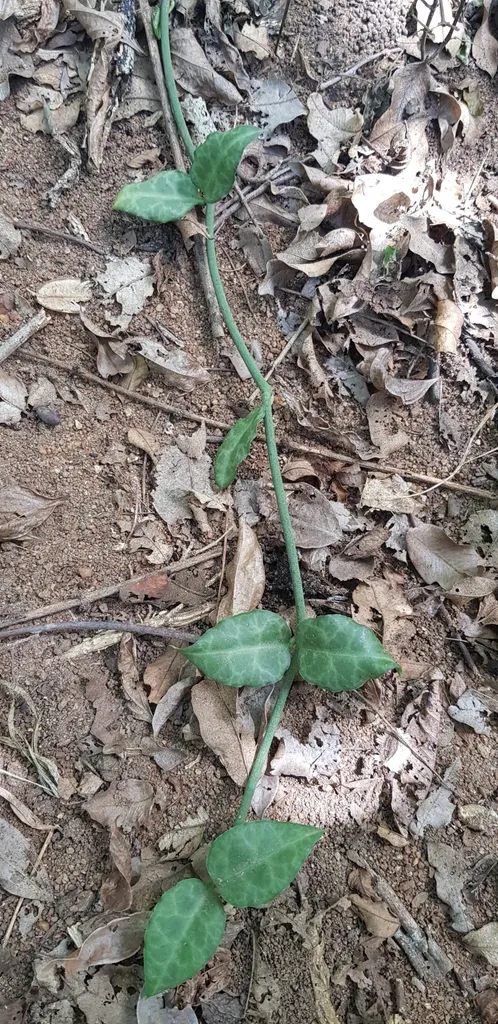
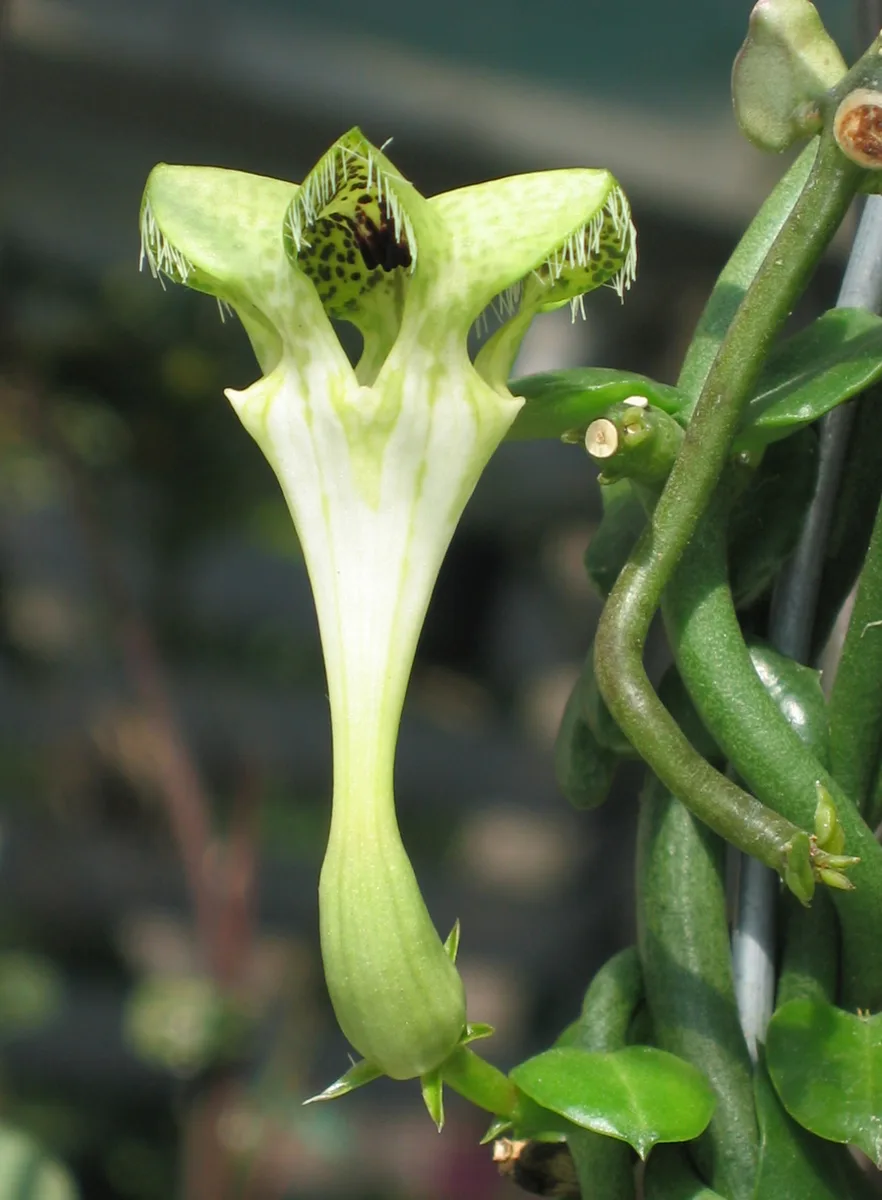
An evergreen succulent perennial, with twining stems bearing heart-shaped leaves and solitary green parachute-shaped flowers with a funnel-shaped tube to 5cm in length, in summer
Scientific classification
- Species
- umbrella flower (Ceropegia sandersonii)
- Genus
- Ceropegia
- Family
- Apocynaceae
- Order
- Gentianales
- Class
- Magnoliopsida
- Phylum
- Magnoliophyta
- Information to be completed
- Toxicity
- Cactus Succulent · Conservatory Greenhouse · Climber Wall Shrub · Houseplants
- Plant type
- 1-1.5 metres
- Height
- 0.1-0.5 metres
- Spread
- Evergreen
- Foliage
- Climbing
- Habit
- Spring · Summer · Autumn · Winter
- Season of interest
- Full sun
- Sunlight
- Information to be completed
- Ideal temperature









umbrella flower pictures
Distribution of umbrella flower
Distribution map
- Native
- Introduced
- Cultivated
Source:WCVP v16 · Royal Botanic Gardens, Kew · CC BY 3.0 · Boundaries:WGSRPD / TDWG
umbrella flower care guide
- Let gritty soil dry fully before each thorough watering cycle
- Watering
- Full sun
- Sunlight

Watering
Let gritty soil dry fully before each thorough watering cycle
Fertilizing
 Fertilizing
Very dilute low-nitrogen succulent feed monthly in warm growth
Pruning
 Pruning
No pruning required
Propagation
 Propagation
Propagate by seed sown at 21 - 24°C in early spring or take stem cuttings and root in sand at a temperature of 22 - 25°C
Growing
 Growing
Grow under glass in a mixture of 2 parts sharp sand to 1 part each of loam, peat and leaf mould in bright filtered light. During the growing season feed 2 or 3 times with a low nitrogen liquid fertilizer and water moderately. Keep dry at other times
Common pests and diseases
Diseases
Generally disease free
Pests
May be attacked by aphids, scale insects and mealybugs
Explore the plant health library →




