
Cestrum elegans
Also known as: Information to be completed
A strong-growing tender evergreen shrub to a height of 3m with pendulous branches and oval-shaped, green leaves up to 10cm long. The flowers are clusters of small trumpets in shades of red, purple or pink from summer to autumn. These are followed by red-purple berries
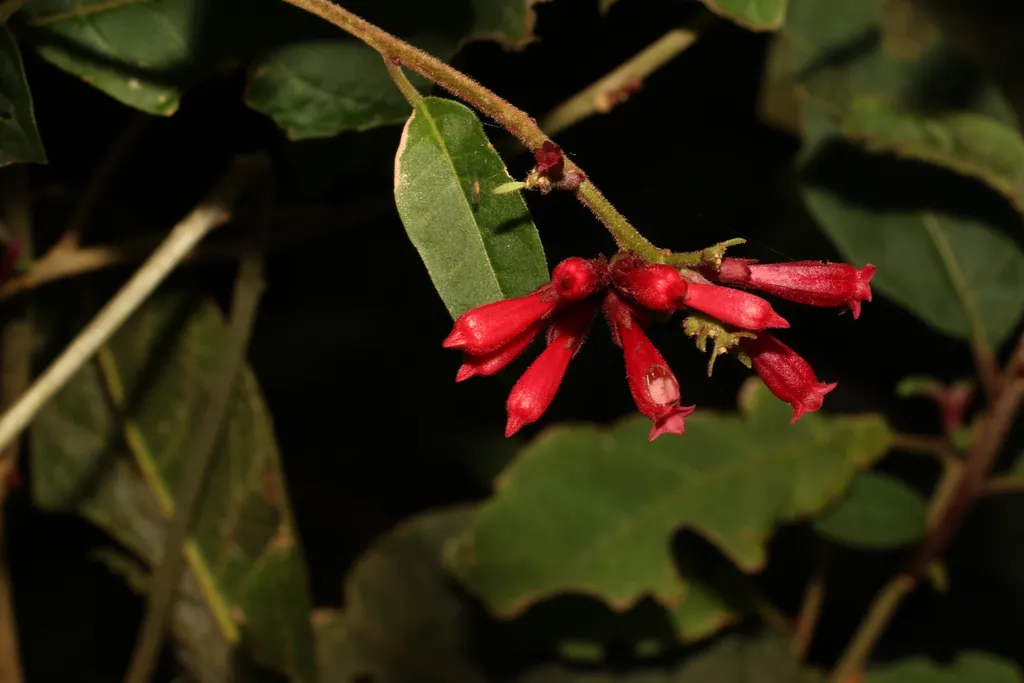
Scientific classification
- Species
- Cestrum elegans (Cestrum elegans)
- Genus
- Cestrum
- Family
- Solanaceae
- Harmful of eaten. Wear gloves and other protective equipment when handling
- Toxicity
- Shrubs
- Plant type
- 2.5-4 metres
- Height
- 2.5-4 metres
- Spread
- Evergreen
- Foliage
- Pendulous weeping · Bushy
- Habit
- Spring · Summer · Autumn · Winter
- Season of interest
- Partial shade · Full sun
- Sunlight
- Information to be completed
- Ideal temperature









Cestrum elegans pictures
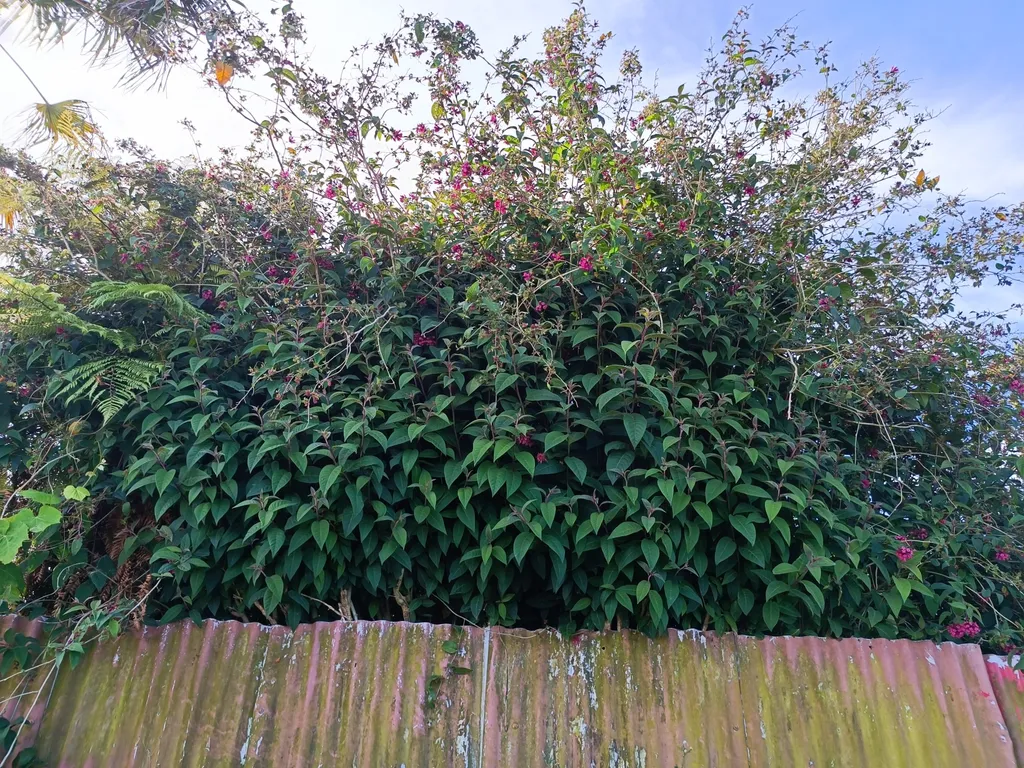
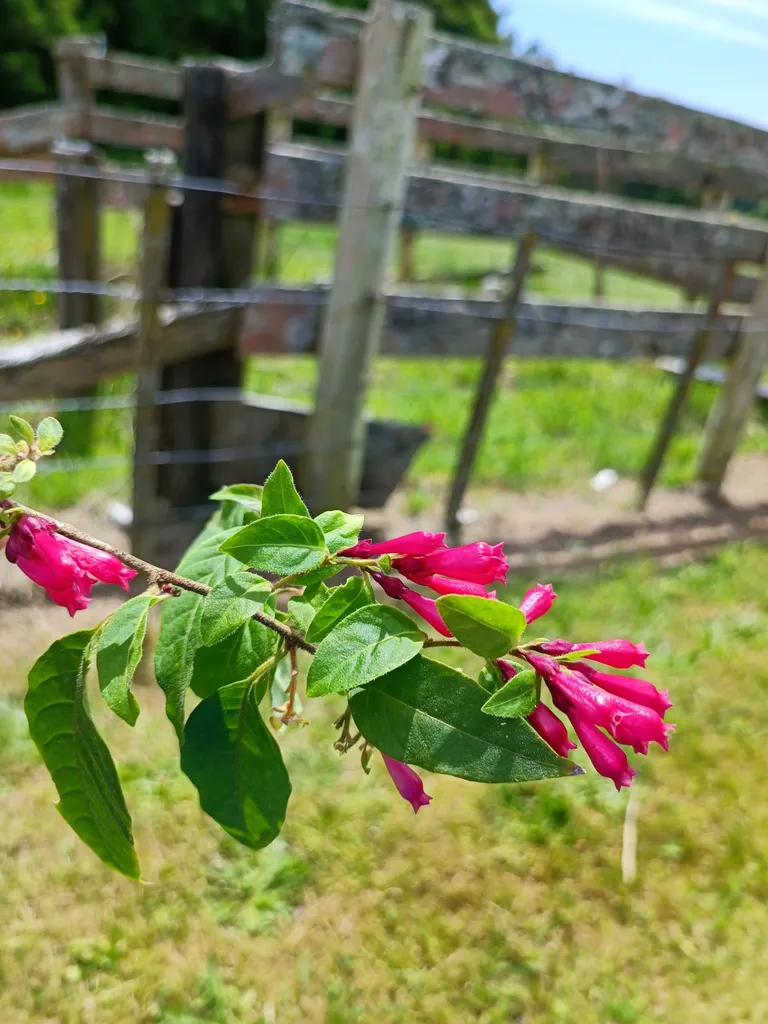
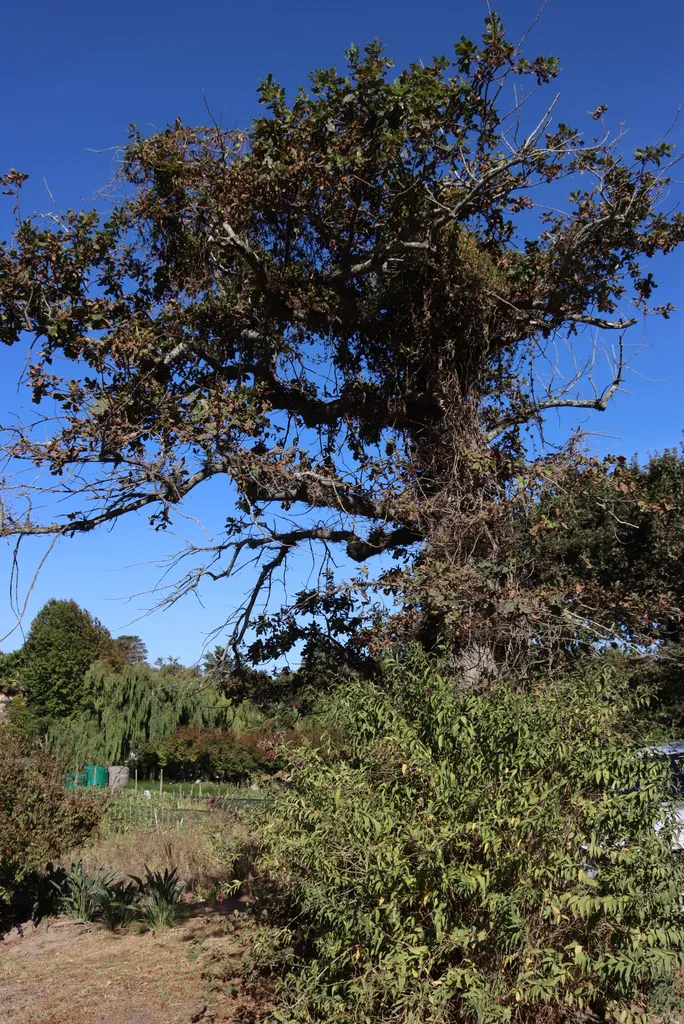
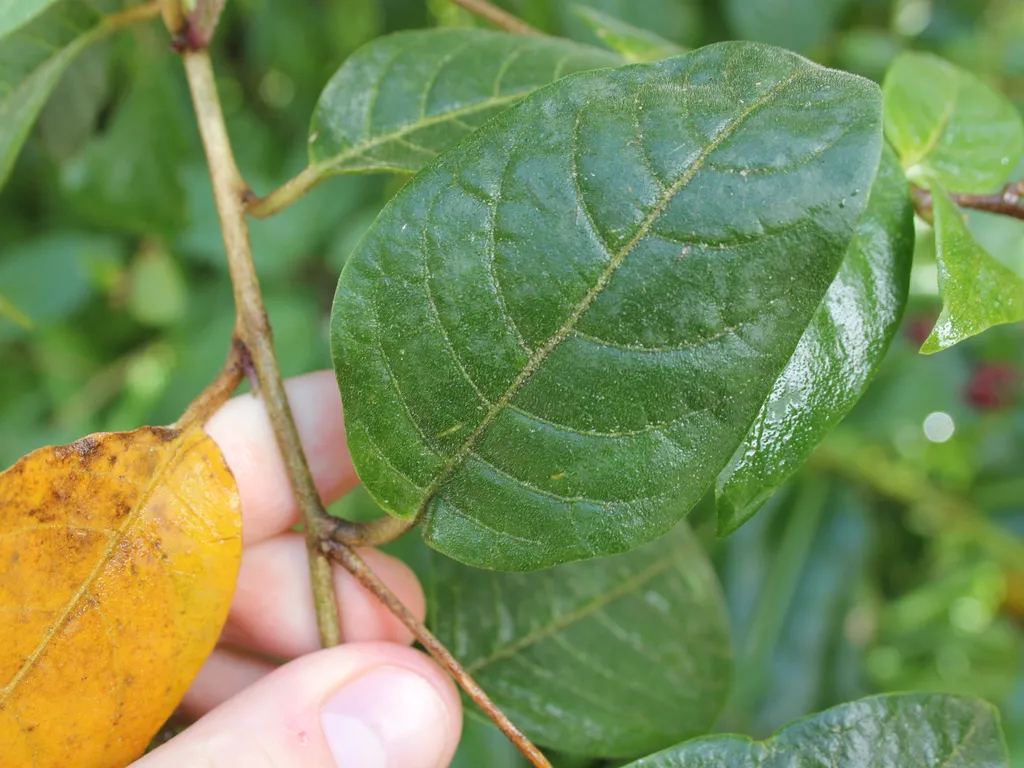
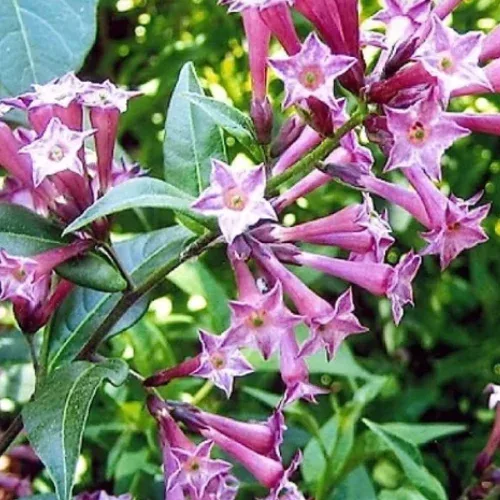
Distribution of Cestrum elegans
Distribution map
Mexico
Information to be completed
Culture
Information to be completed
Toxicity
Harmful of eaten. Wear gloves and other protective equipment when handling
Quick identification of Cestrum elegans
Information to be completed
Cestrum elegans care guide
- Moderate regular watering, allowing brief slight drying between soakings
- Watering
- Partial shade · Full sun
- Sunlight
- Information to be completed
- Ideal temperature

Watering
Moderate regular watering, allowing brief slight drying between soakings
Fertilizing
 Fertilizing
Balanced perennial feed every four weeks from spring through summer
Pruning
 Pruning
Prune lightly as needed to remove unwanted shoots and keep the shrub in shape. Prune in mid- to late spring.
Propagation
 Propagation
Propagate by seed in spring at 13-18°C, or propagate by softwood or semi-ripe cuttings in summer
Growing
 Growing
Grow in well-drained, rich soil in sun or partial shade. In containers in frost free greenhouse or conservatory use a peat-free John Innes No 3, and place in good light, but with shade from direct sun, with good ventilation
People also ask
Information to be completed
Common pests and diseases
Diseases
Generally disease-free
Pests
Generally pest-free
Explore the plant health library →




