
courgette 'Lemona'
Also known as: Information to be completed
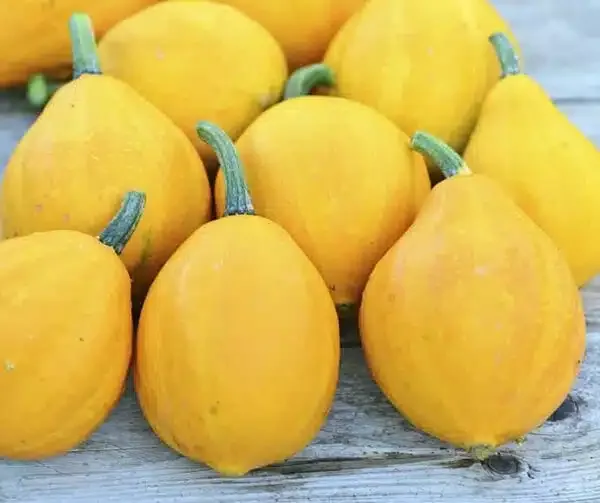
Beautiful, vibrant yellow, cylindrical fruit (20cm long) make this a lovely courgette to grow for some added colour. Not only do they look gorgeous but they taste delicious and produce a good yield too.
Scientific classification
- Species
- courgette 'Lemona' (Cucurbita pepo 'Lemona')
- Genus
- Cucurbita
- Family
- Cucurbitaceae
- Order
- Cucurbitales
- Class
- Magnoliopsida
- Phylum
- Magnoliophyta
- If crop is bitter, don't eat. Wear gloves and other protective equipment when handling
- Toxicity
- Annual Biennial
- Plant type
- 0.5-1 metres
- Height
- 1-1.5 metres
- Spread
- Deciduous
- Foliage
- Bushy
- Habit
- Spring · Summer · Autumn
- Season of interest
- Full sun
- Sunlight
- Information to be completed
- Ideal temperature









courgette 'Lemona' pictures
Distribution of courgette 'Lemona'
Distribution map
- Native
- Introduced
- Cultivated
Source:WCVP v16 · Royal Botanic Gardens, Kew · CC BY 3.0 · Boundaries:WGSRPD / TDWG
Toxicity
If crop is bitter, don't eat. Wear gloves and other protective equipment when handling
courgette 'Lemona' care guide
- Even moisture throughout flowering and fruit set, avoid sharp drought swings
- Watering
- Full sun
- Sunlight

Watering
Even moisture throughout flowering and fruit set, avoid sharp drought swings
Fertilizing
 Fertilizing
Tomato or pepper feed every one to two weeks fruiting season
Pruning
 Pruning
No pruning required. Regular harvesting extends cropping.
Propagation
 Propagation
Propagate by seed. See sowing vegetable seeds or sowing seeds indoors for further advice
Growing
 Growing
Grow in a sunny spot in rich, well-drained soil. Enrich soil with well rotted horse manure or compost during the previous autumn or that spring. Courgettes prefer acidic to neutral soil so adjust pH if neccessary. Courgettes are thirsty and hungry plants so need regular watering and a feed every 10–14 days with a high potassium liquid fertiliser, such as tomato feed, once the first fruits start to swell. Harvest July to September. See courgette cultivation for futher information
Common pests and diseases
Diseases
May be susceptible to aphids, Powdery mildews, downy mildews and grey moulds.
Pests
May be susceptible to slugs and snails.
Explore the plant health library →




