
Rosa 'Happenstance'
Also known as: Information to be completed
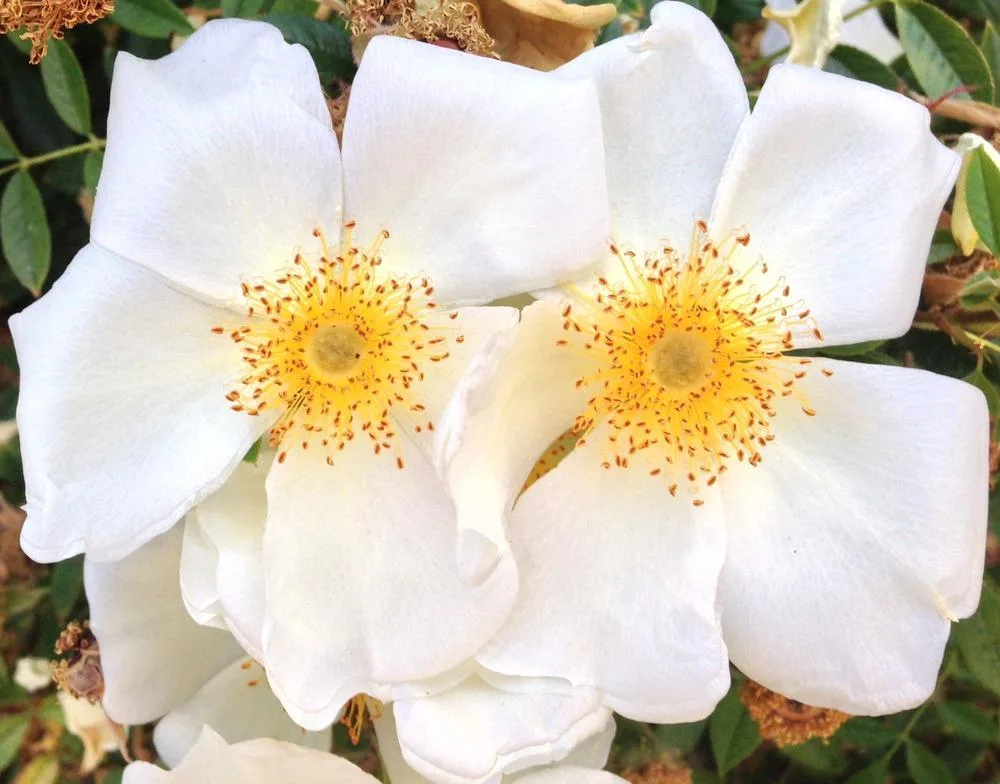
Spreading shrubby form of the climbing rose 'Mermaid', about 75-90cm tall and 1.2m wide, with the characteristic, glossy, almost evergreen foliage and stems bearing hooked thorns. Fragrant, single, lemon-yellow blooms with pronounced golden-brown stamens repeat-flower through summer to autumn; needs a sheltered warm garden to thrive
Scientific classification
- Species
- Rosa 'Happenstance' (Rosa 'Happenstance')
- Genus
- Rosa
- Family
- Rosaceae
- Fruit are ornamental - not to be eaten. Wear gloves and other protective equipment when handling
- Toxicity
- Roses
- Plant type
- 0.5-1 metres
- Height
- 1-1.5 metres
- Spread
- Semi evergreen · Evergreen
- Foliage
- Trailing
- Habit
- Spring · Summer · Autumn · Winter
- Season of interest
- Full sun
- Sunlight
- Information to be completed
- Ideal temperature









Rosa 'Happenstance' pictures
Distribution of Rosa 'Happenstance'
Distribution map
Information to be completed
Information to be completed
Culture
Information to be completed
Toxicity
Fruit are ornamental - not to be eaten. Wear gloves and other protective equipment when handling
Quick identification of Rosa 'Happenstance'
Information to be completed
Rosa 'Happenstance' care guide
- Deep root watering, allow slight surface drying before watering again
- Watering
- Full sun
- Sunlight
- Information to be completed
- Ideal temperature

Watering
Deep root watering, allow slight surface drying before watering again
Fertilizing
 Fertilizing
Rose fertilizer every two to four weeks from spring through late summer
Pruning
 Pruning
Most groundcover roses need only light pruning. Remove dead, diseased and weak shoots; trim excessive growth according to the shrub or spreading type. Shrub types may be pruned as growth resumes in late winter; shorten spreading types after flowering in summer.
Propagation
 Propagation
Propagate by hardwood cuttings in autumn, softwood cuttings (under glass) in spring or summer or by chip budding in summer
Growing
 Growing
Grow in fertile, humus-rich, moist but well-drained soil in full sun with shelter from cold, frosty winds. At its best in the warmer southern areas in the British Isles. Mulch with well-rotted organic matter in late winter or early spring, and for best flowering apply a general rose or shrub fertiliser in early spring and again in early summer. See rose cultivation
People also ask
Information to be completed
Common pests and diseases
Diseases
May be susceptible to rose black spot, rose rust, replant disease, rose dieback, and rose powdery mildew and sometimes honey fungus. May also be susceptible to disorders rose blindness and flower balling
Pests
May be susceptible to aphids, rose leafhopper, glasshouse red spider mite, scale insects, caterpillars, large rose sawfly, rose slugworm sawfly and rose leaf-rolling sawfly. Deer and rabbits can cause damage
Explore the plant health library →




