
Petunia Crazytunia Pulse ('Wespecrapul')
Also known as: Information to be completed
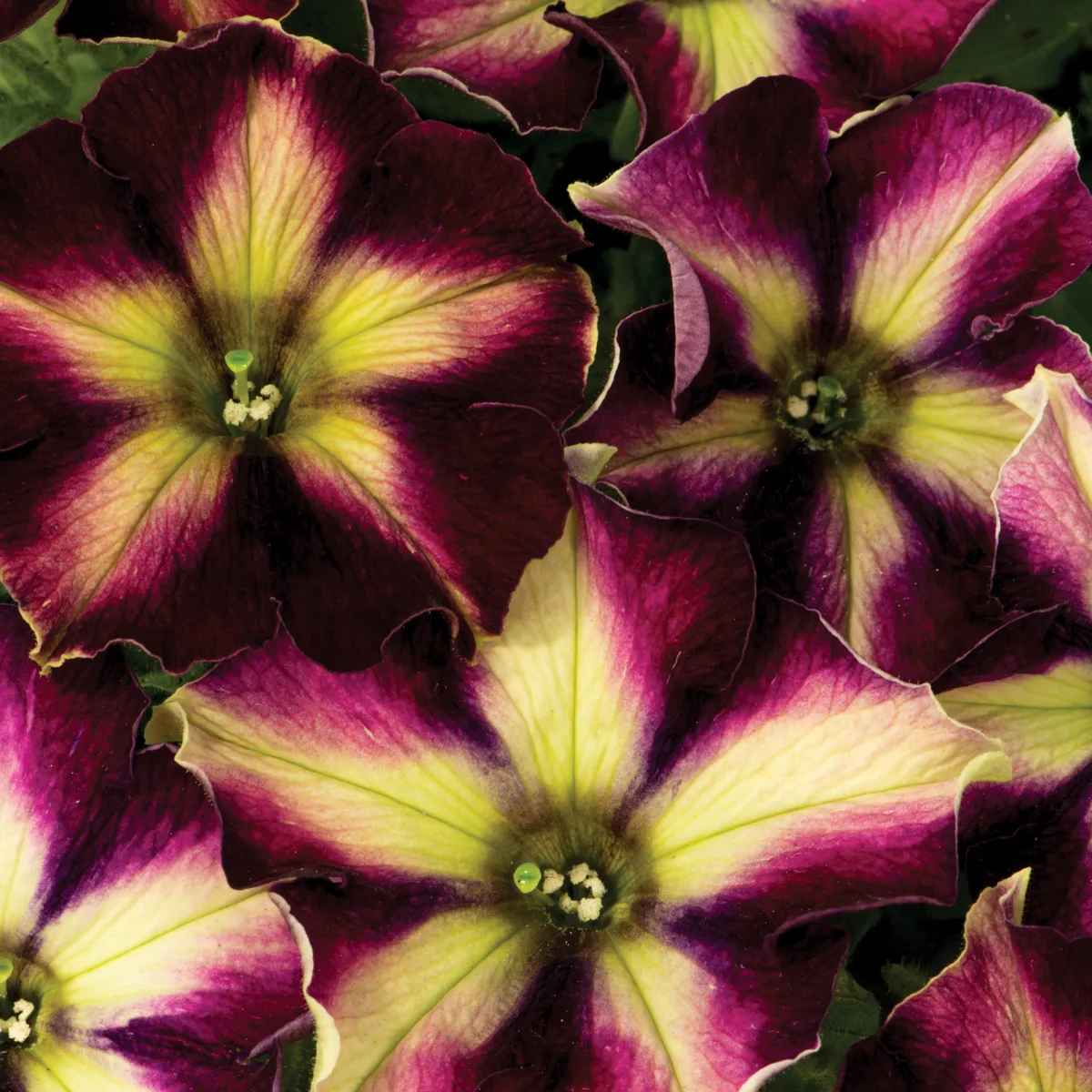
A bushy, semi-trailing, half-hardy annual usually grown as seasonal bedding or a patio container plant. It has oval shaped, sticky and hairy mid-green leaves and produces abundant, velvety, trumpet-shaped, dark purple and dark pink flowers, flushed with yellow, from June through to October
Scientific classification
- Species
- Petunia Crazytunia Pulse ('Wespecrapul') (Petunia Crazytunia Pulse ('Wespecrapul'))
- Genus
- Petunia
- Family
- Solanaceae
- Information to be completed
- Toxicity
- Annual Biennial · Bedding
- Plant type
- 0.1-0.5 metres
- Height
- 0.1-0.5 metres
- Spread
- Deciduous
- Foliage
- Trailing
- Habit
- Summer · Autumn · Spring
- Season of interest
- Full sun
- Sunlight
- Information to be completed
- Ideal temperature









Petunia Crazytunia Pulse ('Wespecrapul') pictures
Distribution of Petunia Crazytunia Pulse ('Wespecrapul')
Distribution map
Information to be completed
Information to be completed
Culture
Information to be completed
Toxicity
Information to be completed
Quick identification of Petunia Crazytunia Pulse ('Wespecrapul')
Information to be completed
Petunia Crazytunia Pulse ('Wespecrapul') care guide
- Keep compost lightly moist, never fully drying out while blooming
- Watering
- Full sun
- Sunlight
- Information to be completed
- Ideal temperature

Watering
Keep compost lightly moist, never fully drying out while blooming
Fertilizing
 Fertilizing
Weak flowering feed every two to three weeks in active bloom
Pruning
 Pruning
Deadhead regularly
Propagation
 Propagation
Propagate by seed
Growing
 Growing
Grow in light, fertile, well-drained soil in full sun, with shelter from drying winds. Plant out after frosts have passed
People also ask
Information to be completed
Common pests and diseases
Diseases
May be subsceptible to grey moulds, foot rot and a virus
Pests
May be susceptible to aphids and slugs
Explore the plant health library →




