
aromo
Also known as: caven; espinal
A spiny evergreen shrub or small tree to 5m tall, with leathery leaves composed of numerous tiny, opposite leaflets. In spring it produces spherical, yellow, pom-pom flowerheads; these are highly fragrant
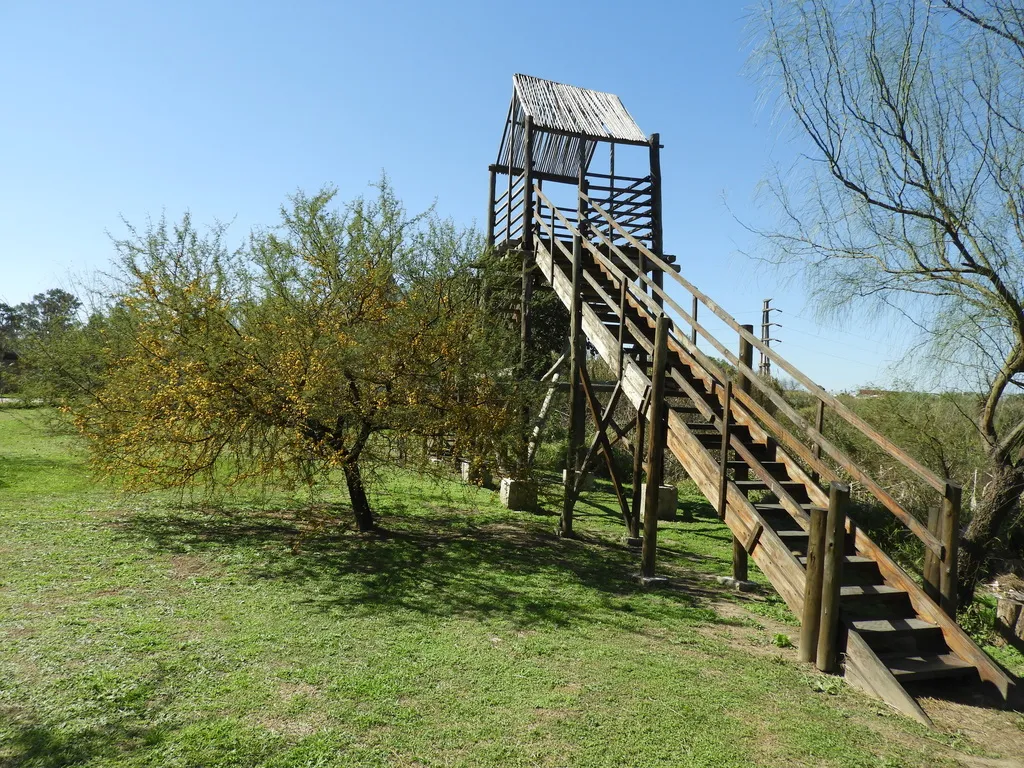
Scientific classification
- Species
- aromo (Vachellia caven)
- Genus
- Vachellia
- Family
- Fabaceae
- Information to be completed
- Toxicity
- Shrubs · Trees
- Plant type
- 4-8 metres
- Height
- 2.5-4 metres
- Spread
- Semi evergreen
- Foliage
- Bushy
- Habit
- Spring · Summer · Autumn
- Season of interest
- Full sun
- Sunlight
- Information to be completed
- Ideal temperature









aromo pictures
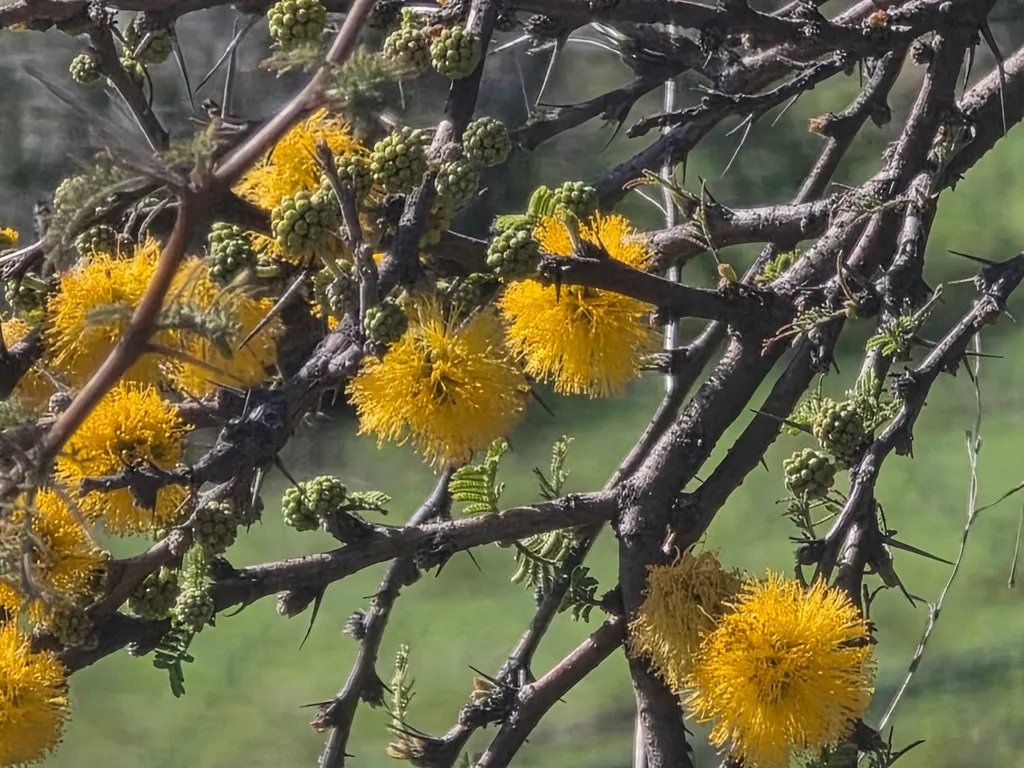
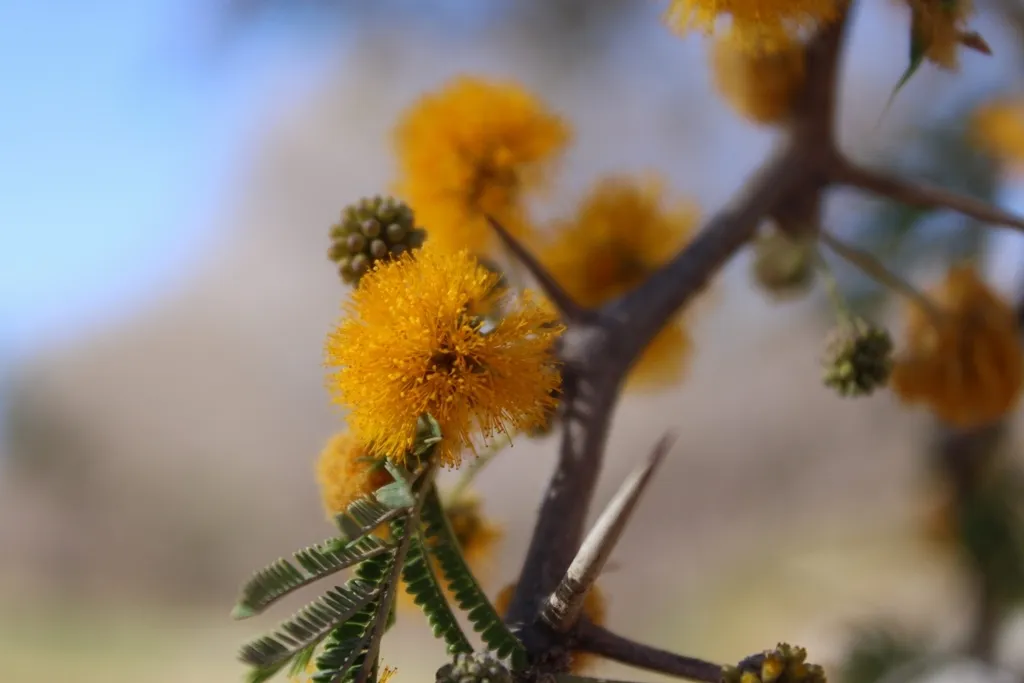
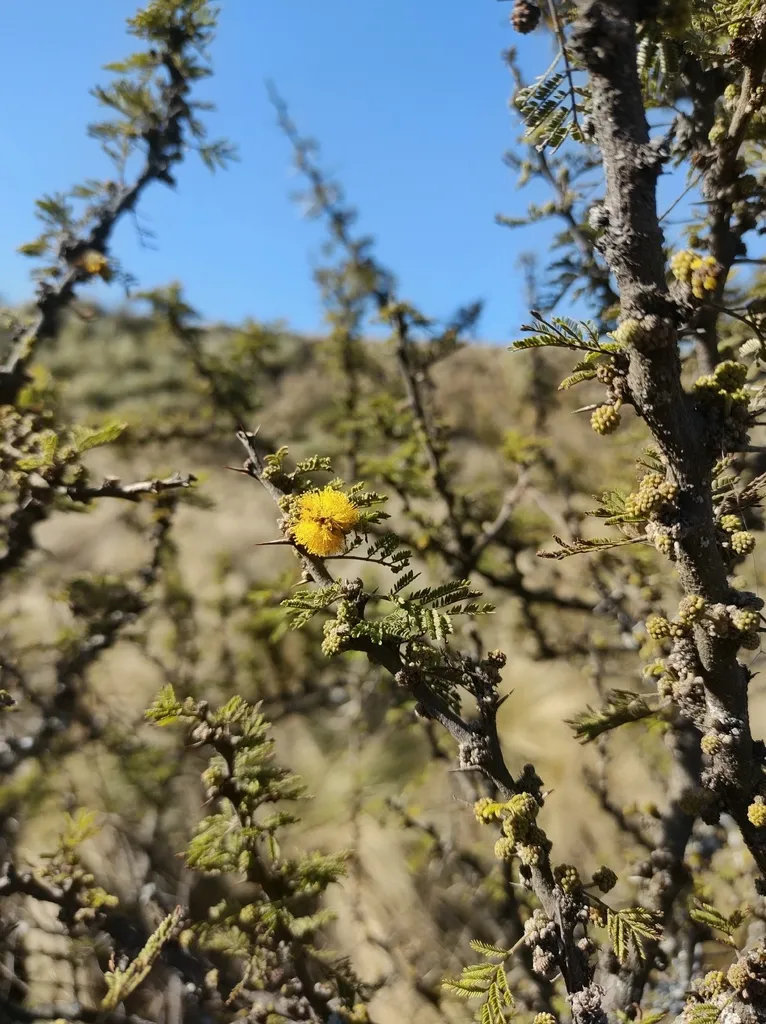
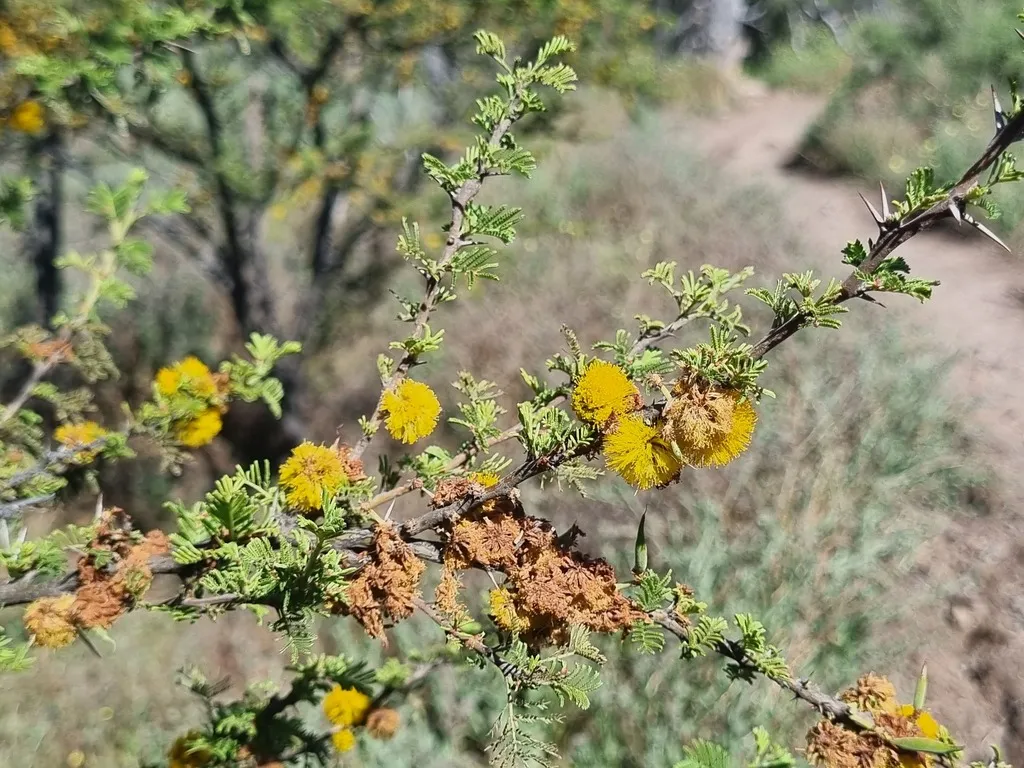
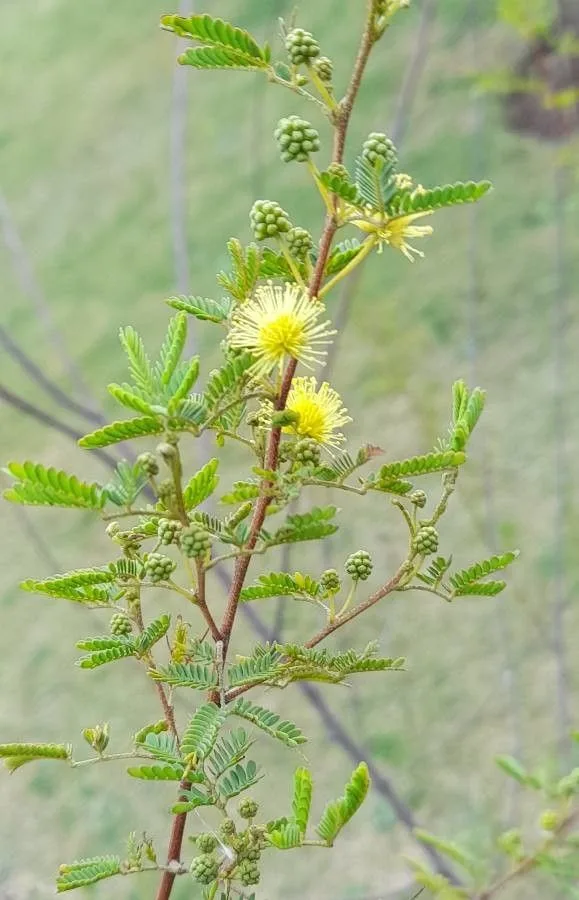
Distribution of aromo
Distribution map
- Native
- Introduced
- Cultivated
Source:WCVP v16 · Royal Botanic Gardens, Kew · CC BY 3.0 · Boundaries:WGSRPD / TDWG
Culture
Information to be completed
Toxicity
Information to be completed
Quick identification of aromo
Information to be completed
aromo care guide
- Moderate regular watering, allowing brief slight drying between soakings
- Watering
- Full sun
- Sunlight
- Information to be completed
- Ideal temperature

Watering
Moderate regular watering, allowing brief slight drying between soakings
Fertilizing
 Fertilizing
Balanced perennial feed every four weeks from spring through summer
Pruning
 Pruning
Routine pruning is unnecessary; shorten overlong shoots to fit the available space. For last-year flowering growth, prune after flowering; for current-year flowering growth, prune in late winter or spring. This guidance is for established plants.
Propagation
 Propagation
Propagate by sowing pre-soaked seed, or by semi-ripe cuttings
Growing
 Growing
Under glass, grow in pots of loam-based potting compost with added organic matter. Postion in full sun. Water freely while in active growth and apply a balanced liquid fertiliser monthly; water sparingly at other times. Outdoors grow in moist but well-drained, humus-rich soil in a warm and sheltered site. Drought tolerant once established
People also ask
Information to be completed
Common pests and diseases
Diseases
Generally disease-free
Pests
Generally pest-free
Explore the plant health library →




