
little pickles
Also known as: Information to be completed
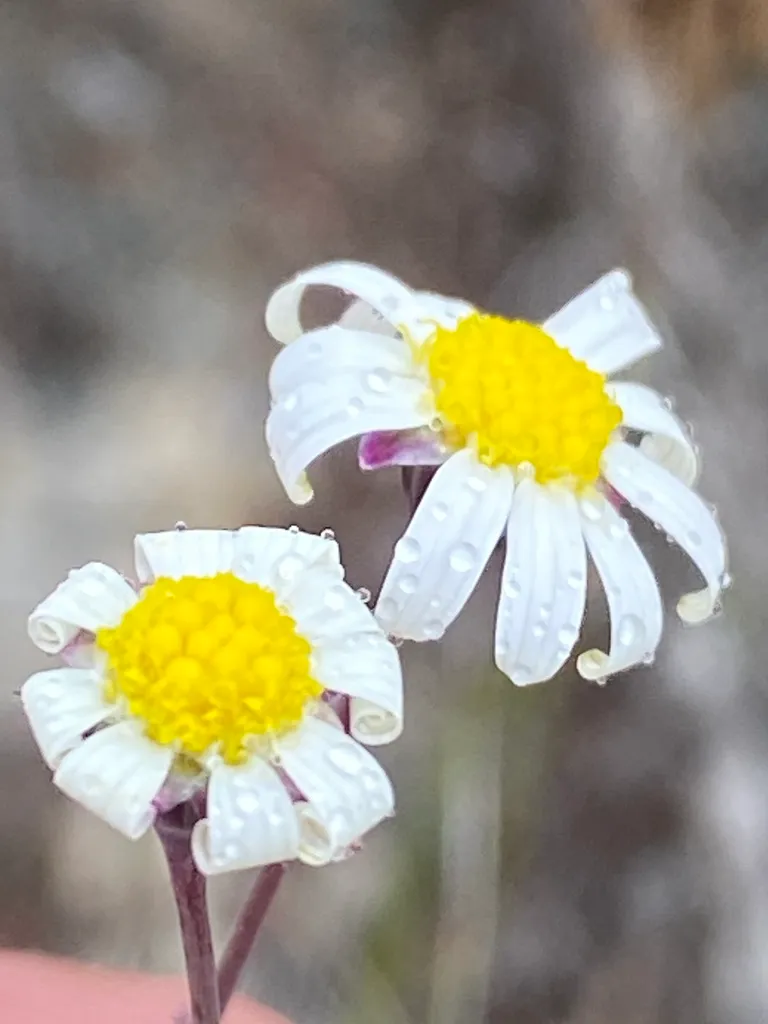
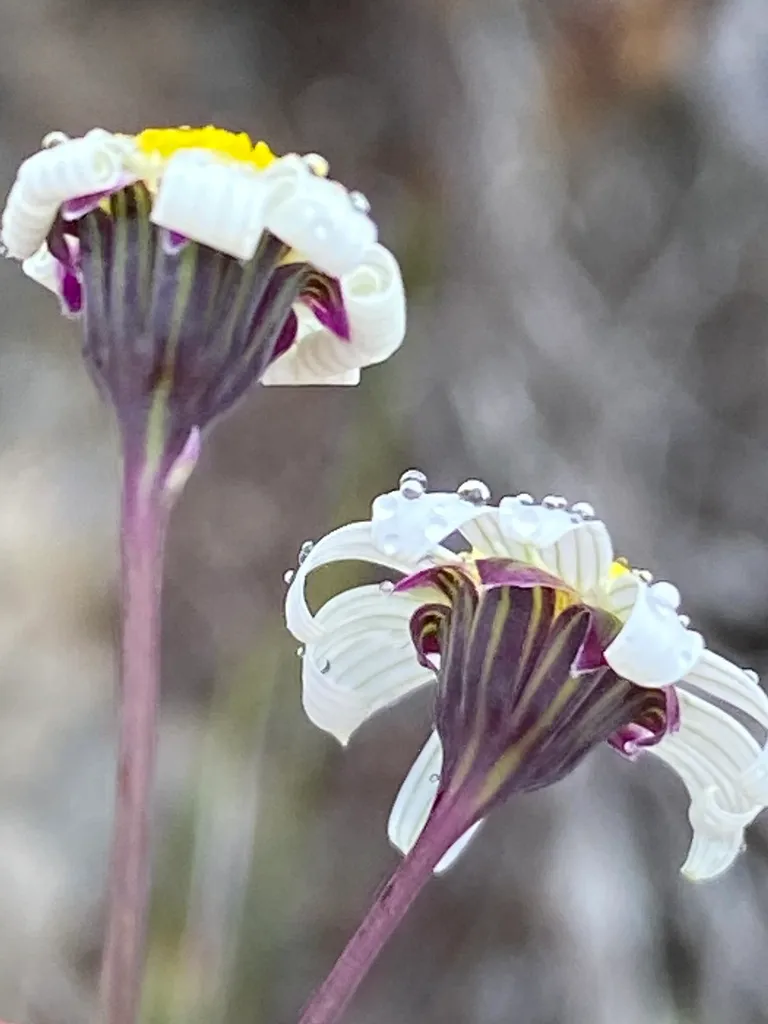
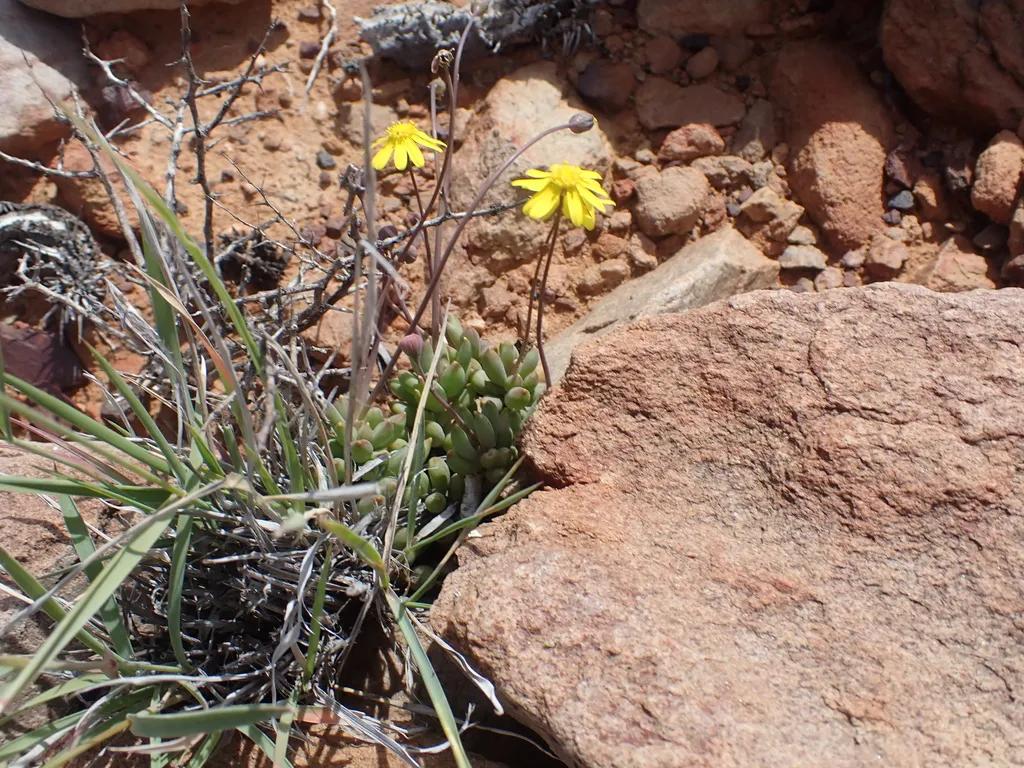
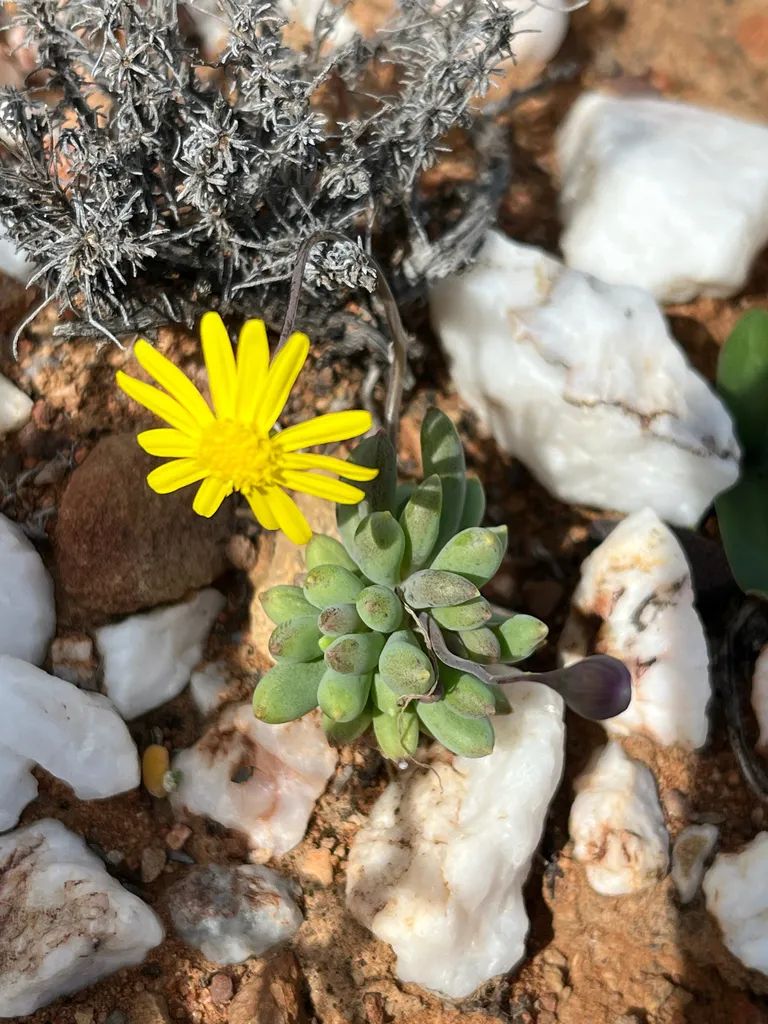
A quick-growing, trailing, fleshy perennial succulent with a woody base and slim, cylindrical grey-green leaves which look like little pickles (hence its common name) and turn shades of yellow, purple and red if the plant becomes stressed or light levels differ. Daisy-like bright yellow flowers emerge from small, purple pea-shaped buds and close in poor light. Ideal as ground cover or trailing over a pot or hanging basket
Scientific classification
- Species
- little pickles (Crassothonna capensis)
- Genus
- Crassothonna
- Family
- Asteraceae
- Information to be completed
- Toxicity
- Cactus Succulent · Conservatory Greenhouse · Houseplants
- Plant type
- Up to 10 cm
- Height
- 1-1.5 metres
- Spread
- Evergreen
- Foliage
- Trailing
- Habit
- Spring · Summer · Autumn · Winter
- Season of interest
- Full sun · Partial shade
- Sunlight
- Information to be completed
- Ideal temperature









little pickles pictures
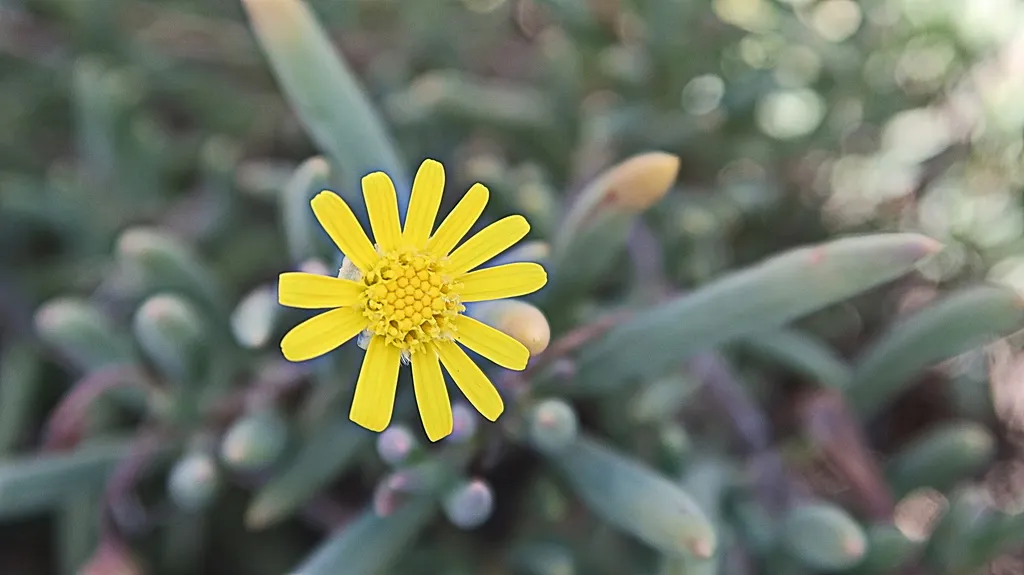
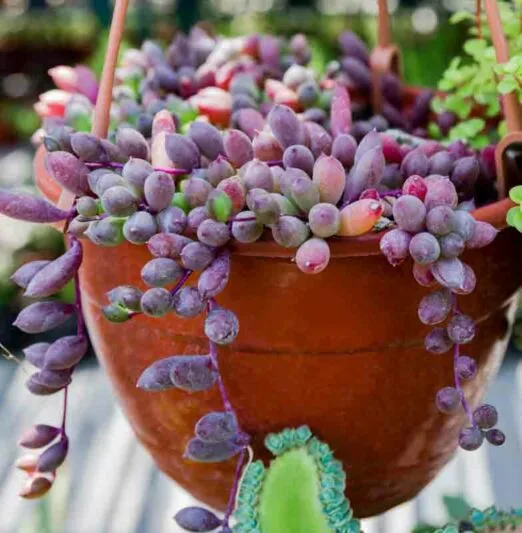
Distribution of little pickles
Distribution map
South Africa (Cape)
Information to be completed
Culture
Information to be completed
Toxicity
Information to be completed
Quick identification of little pickles
Information to be completed
little pickles care guide
- Hold water until substrate fully dry, stop watering in winter cold
- Watering
- Full sun · Partial shade
- Sunlight
- Information to be completed
- Ideal temperature

Watering
Hold water until substrate fully dry, stop watering in winter cold
Fertilizing
 Fertilizing
Diluted succulent fertilizer once monthly active growing season
Pruning
 Pruning
No pruning required
Propagation
 Propagation
Propagate by stem cuttings
Growing
 Growing
Grow in well-drained, acidic cactus and succulent soil in a bright, sunny location indoors or full sun or partial shade in a sheltered location outdoors. Exposure to direct sunlight will result in the plant becoming ruby red in colour; less light may make it greener and result in leggy growth. See houseplant cacti and succulent cultivation for further advice
People also ask
Information to be completed
Common pests and diseases
Diseases
Generally disease-free
Pests
May be susceptible to mealybugs and scale insects
Explore the plant health library →




