
cat's claw creeper
Also known as: anikab; bejuco edmurcielago; cat's claw; cat's paw creeper; mano de lagarija
A vigorous climbing vine bearing flared, trumpet-shaped yellow flowers. The showy blooms are particularly fragrant in the evening. Not hardy in the UK but in many tropical regions of the world it is listed as invasive
Scientific classification
- Species
- cat's claw creeper (Dolichandra unguis-cati)
- Genus
- Dolichandra
- Family
- Bignoniaceae
- Order
- Lamiales
- Class
- Magnoliopsida
- Phylum
- Magnoliophyta
- Information to be completed
- Toxicity
- Climber Wall Shrub · Conservatory Greenhouse
- Plant type
- 1.5-2.5 metres
- Height
- 1.5-2.5 metres
- Spread
- Semi evergreen
- Foliage
- Climbing
- Habit
- Spring · Summer · Autumn
- Season of interest
- Full sun · Partial shade
- Sunlight
- Information to be completed
- Ideal temperature









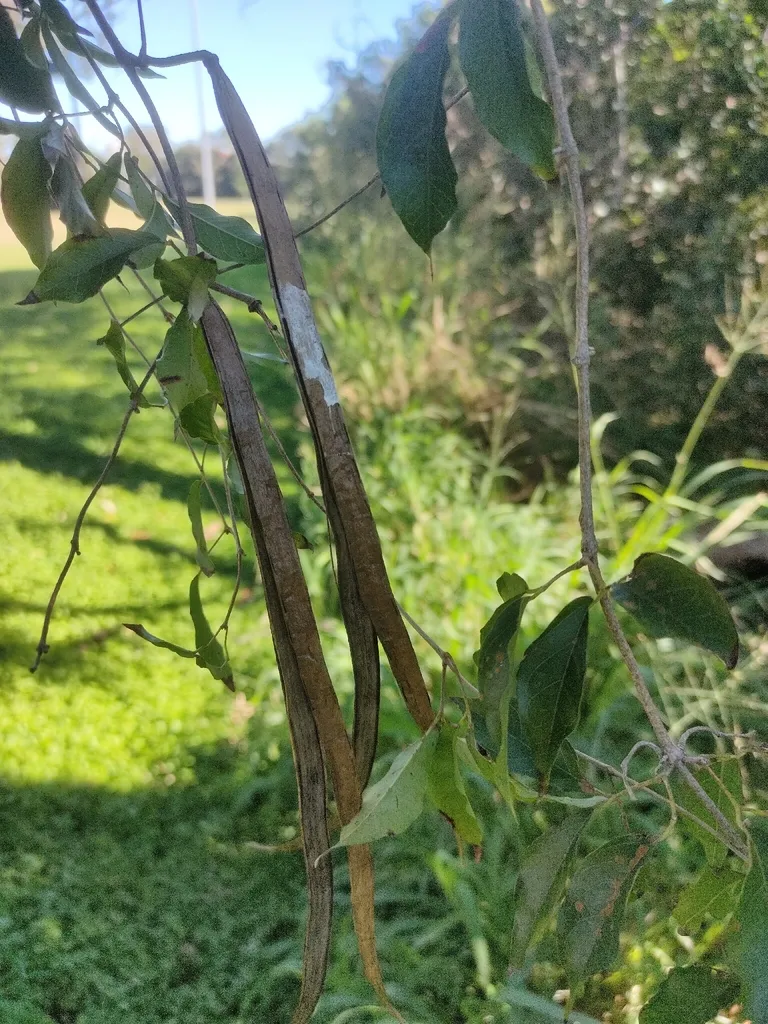
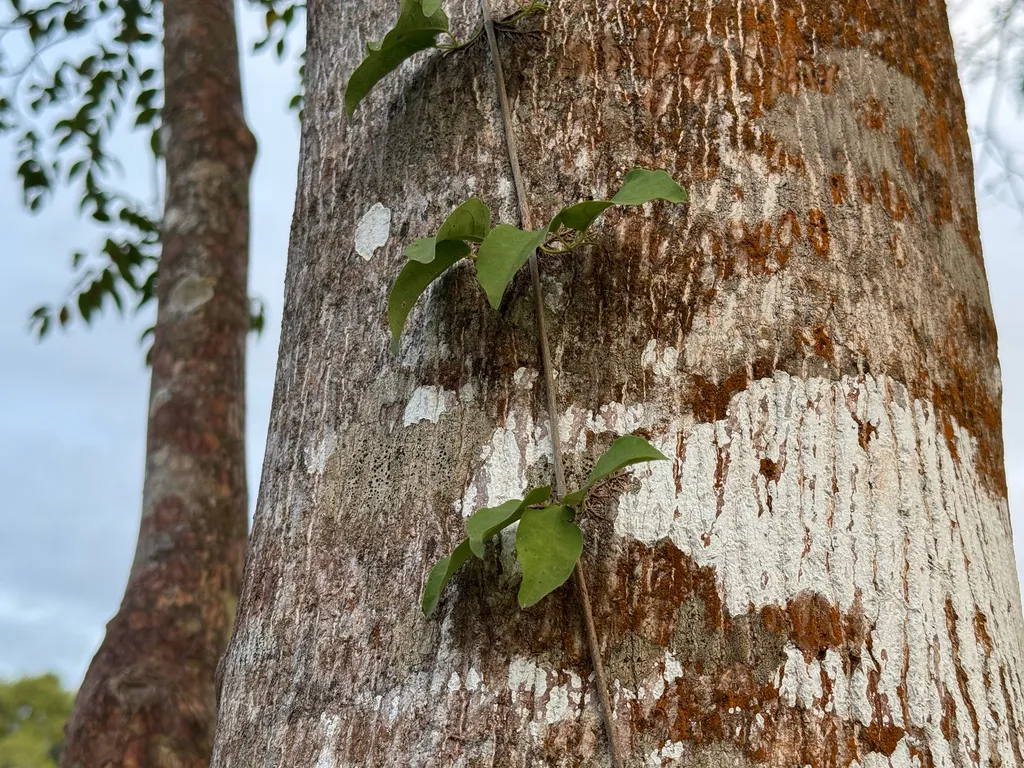
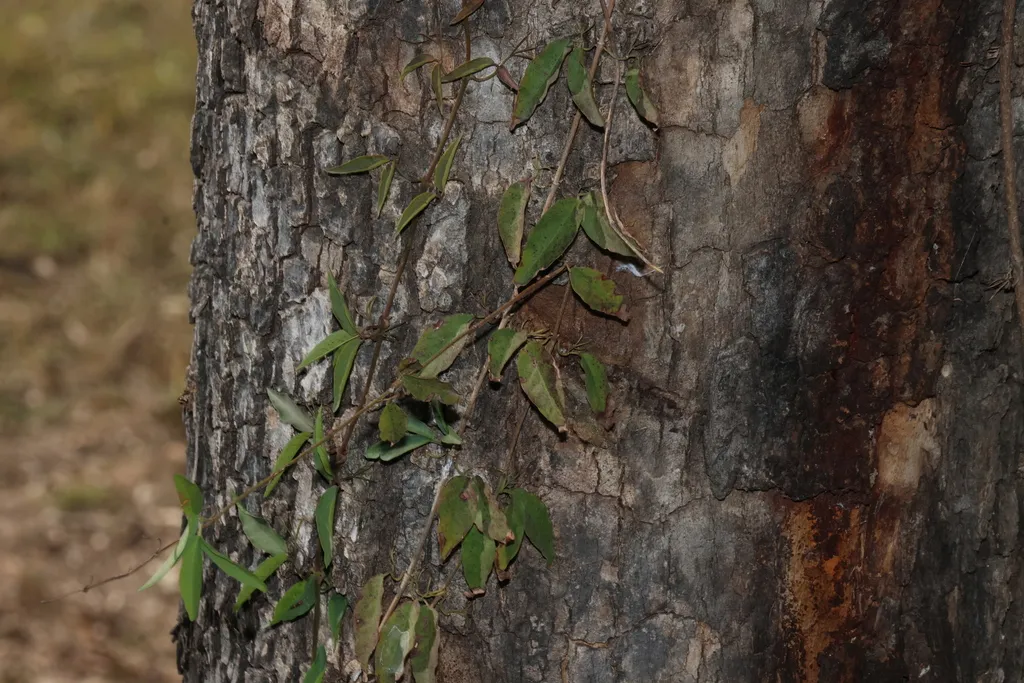
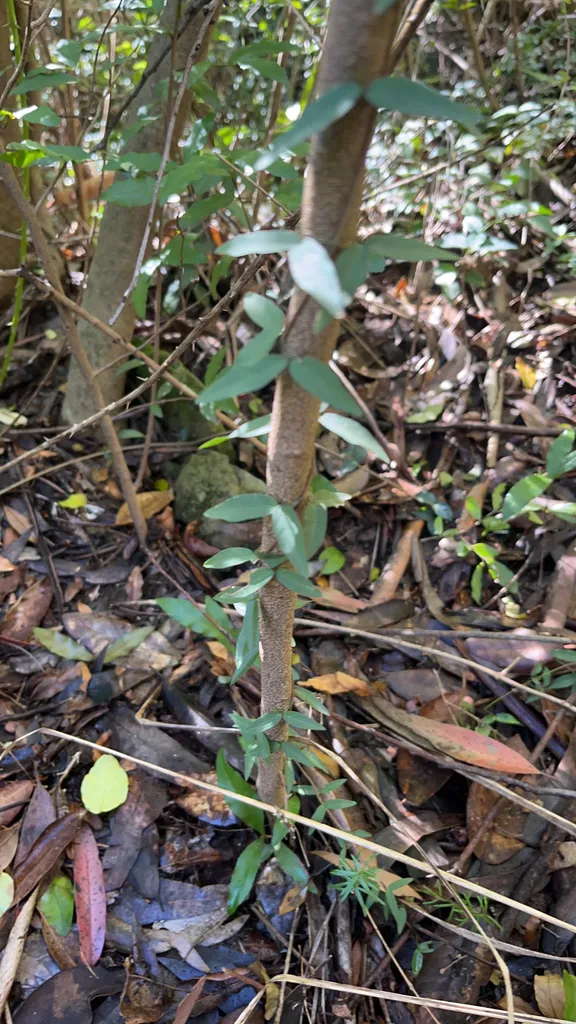
cat's claw creeper pictures
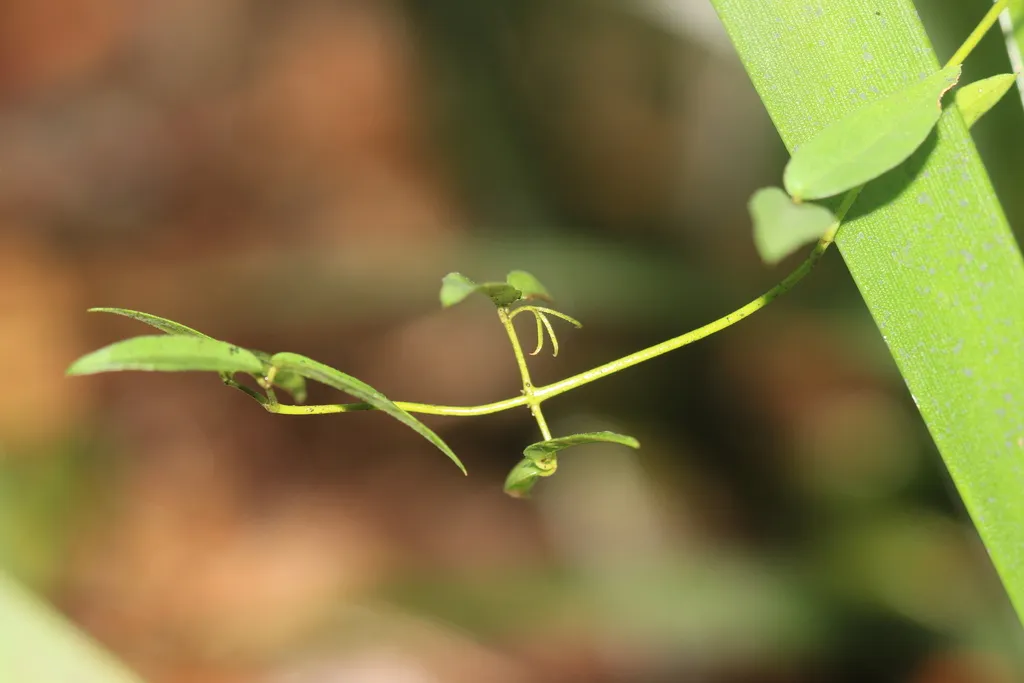
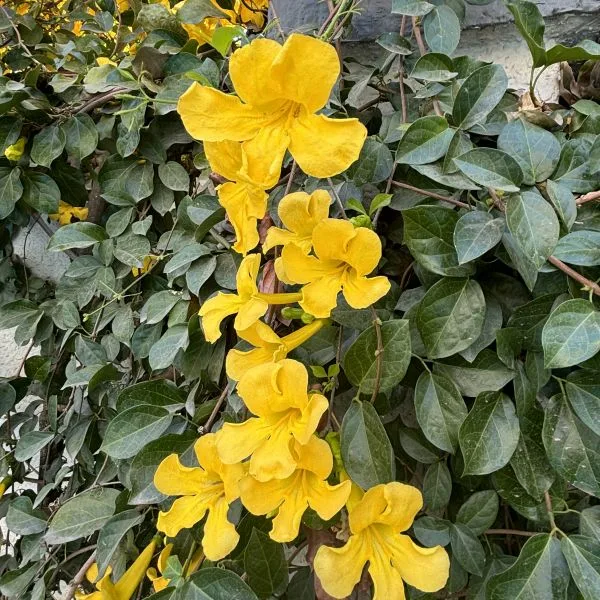
Distribution of cat's claw creeper
Distribution map
- Native
- Introduced
- Cultivated
Source:WCVP v16 · Royal Botanic Gardens, Kew · CC BY 3.0 · Boundaries:WGSRPD / TDWG
cat's claw creeper care guide
- Moderate regular watering, allowing brief slight drying between soakings
- Watering
- Full sun · Partial shade
- Sunlight

Watering
Moderate regular watering, allowing brief slight drying between soakings
Fertilizing
 Fertilizing
Balanced perennial feed every four weeks from spring through summer
Pruning
 Pruning
Routine pruning is unnecessary; shorten overlong shoots to fit the available space. For last-year flowering growth, prune after flowering; for current-year flowering growth, prune in late winter or spring. This guidance is for established plants.
Propagation
 Propagation
Propagate by seed, softwood or semi-hardwood cuttings
Growing
 Growing
Under glass grow in large pots of loam-based compost. Outdoors select a sunny, sheltered site in moisture-retentive soil. Provide support for the twining tendrils
Common pests and diseases
Diseases
Generally disease-free
Pests
May be susceptible to mealybug, scale insect and aphids
Explore the plant health library →




