
Capsicum annuum 'Amy'
Also known as: Information to be completed
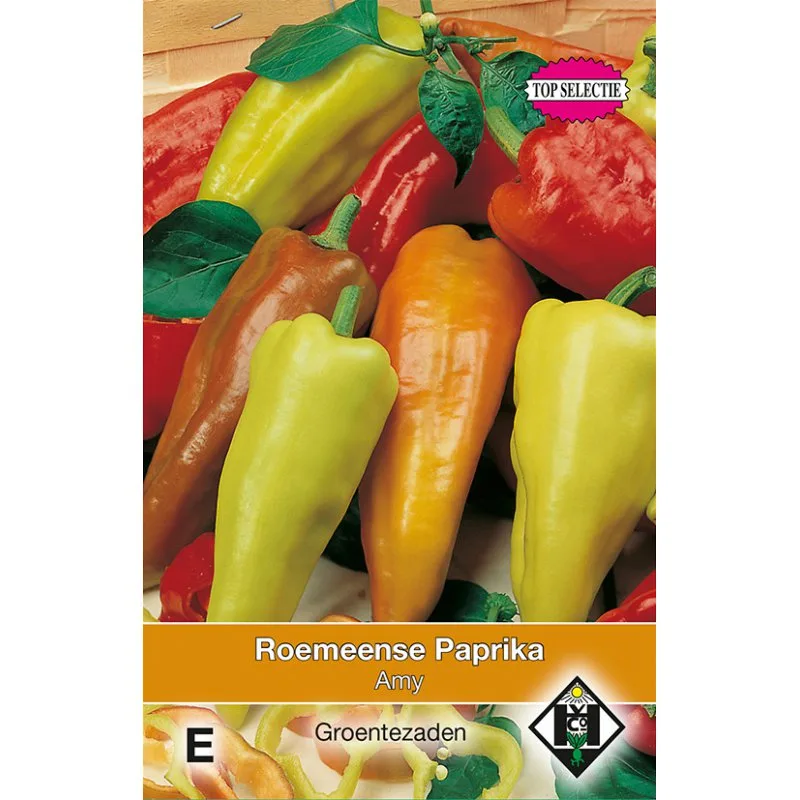
A sweet pepper with green leaves and white flowers maturing to elongated light yellow fruit maturing to light red. It is reliable variety with good vigour and a sweet taste with crunchy texture. It is actually a woody perennial but is almost always grown as an annual in the UK as it is hard to keep alive over the cooler months
Scientific classification
- Species
- Capsicum annuum 'Amy' (Capsicum annuum 'Amy')
- Genus
- Capsicum
- Family
- Solanaceae
- Irritant if eaten, skin/eye irritant. Wear gloves and other protective equipment when handling]
- Toxicity
- Fruit Edible · Annual Biennial
- Plant type
- 0.1-0.5 metres
- Height
- 0.1-0.5 metres
- Spread
- Deciduous
- Foliage
- Clump forming
- Habit
- Spring · Summer · Autumn
- Season of interest
- Full sun
- Sunlight
- Information to be completed
- Ideal temperature









Capsicum annuum 'Amy' pictures
Distribution of Capsicum annuum 'Amy'
Distribution map
Information to be completed
Information to be completed
Culture
Information to be completed
Toxicity
Irritant if eaten, skin/eye irritant. Wear gloves and other protective equipment when handling]
Quick identification of Capsicum annuum 'Amy'
Information to be completed
Capsicum annuum 'Amy' care guide
- Even moist potting medium, deep soak once top layer fully dehydrated
- Watering
- Full sun
- Sunlight
- Information to be completed
- Ideal temperature

Watering
Even moist potting medium, deep soak once top layer fully dehydrated
Fertilizing
 Fertilizing
High potassium chili pepper feed every two weeks fruit development stage
Pruning
 Pruning
Pinch out the growing tip of shoots to encourage a bushier plant. Keep picking fruit to encourage further flowering
Propagation
 Propagation
Propagate by seed. See sowing vegetable seeds or sowing seeds indoors for further advice
Growing
 Growing
Grow in pots of fertile peat-free compost under glass or on a sheltered sunny patio. Alternatively grow in good garden soil in a polytunnel. See pepper cultivation
People also ask
Information to be completed
Common pests and diseases
Diseases
May be susceptible to grey moulds and blossom end rot
Pests
May be susceptible to glasshouse red spider mite, glasshouse whitefly and aphids
Explore the plant health library →




