
florist's verbena
Also known as: garden verbena
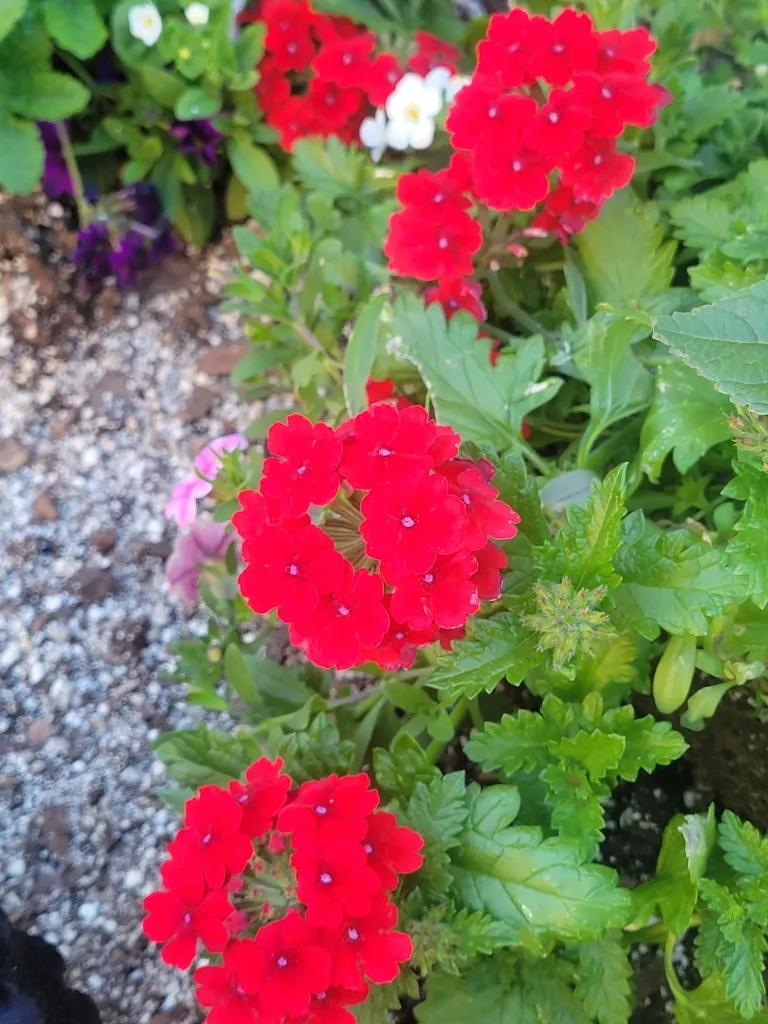
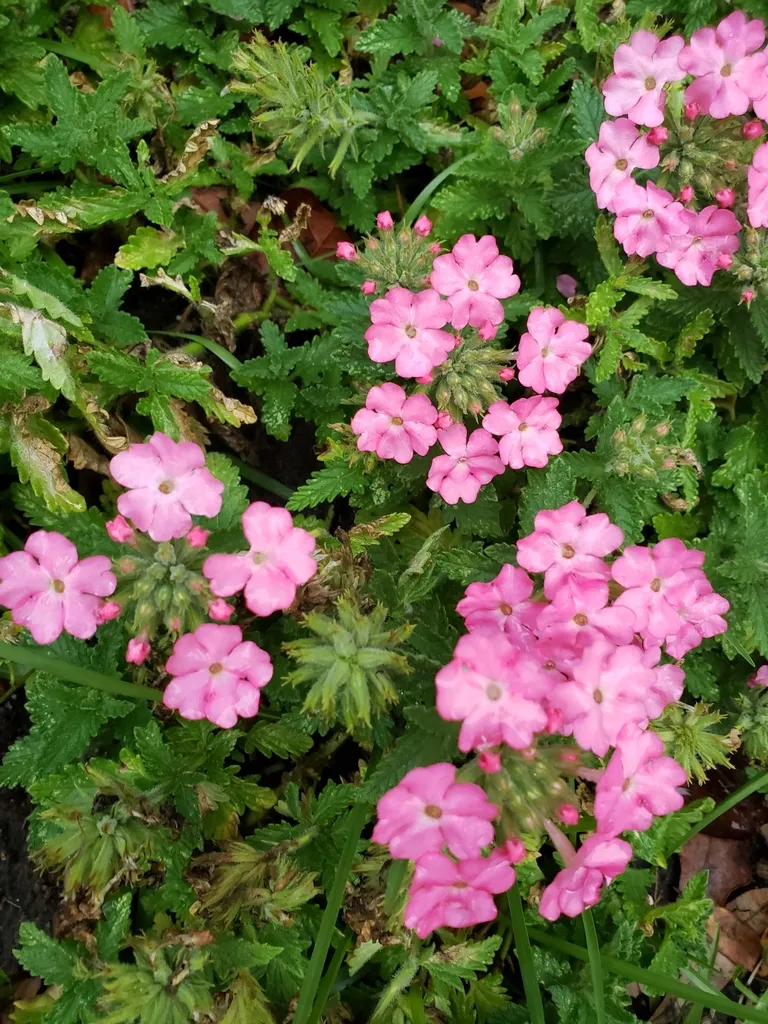
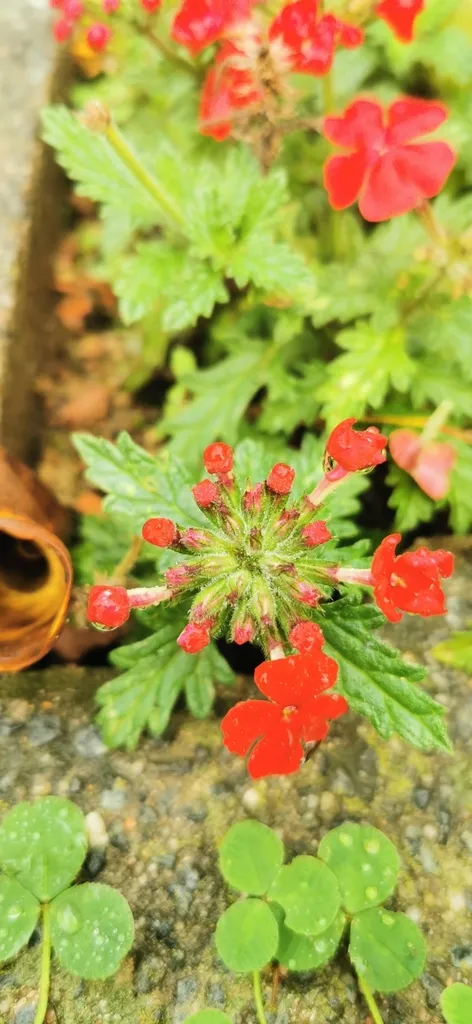
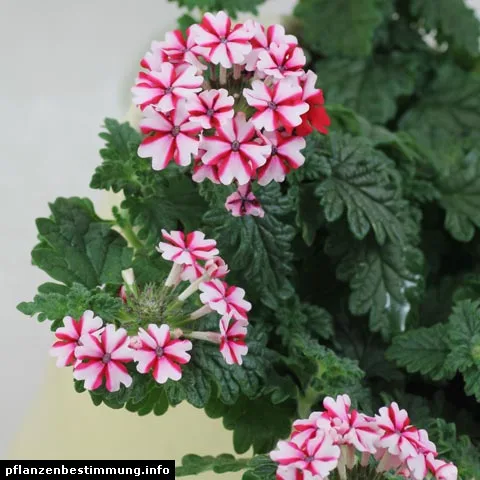
An erect to spreading, semi-evergreen perennial to around 30cm high usually cultivated as an annual for bedding, hanging baskets or containers. Branching, semi-trailing stems are clothed with small, mid- to dark green, oblong, toothed leaves. Summer flowers in a range of colours and shades are star-shaped and produced in small, rounded, terminal clusters, typically up to around 7cm in diameter
Scientific classification
- Species
- florist's verbena (Glandularia × hybrida)
- Genus
- Glandularia
- Family
- Verbenaceae
- Order
- Lamiales
- Class
- Magnoliopsida
- Phylum
- Tracheophyta
- Information to be completed
- Toxicity
- Bedding
- Plant type
- 0.1-0.5 metres
- Height
- 0.1-0.5 metres
- Spread
- Semi evergreen
- Foliage
- Bushy · Trailing
- Habit
- Spring · Summer · Autumn · Winter
- Season of interest
- Full sun
- Sunlight
- Information to be completed
- Ideal temperature









florist's verbena pictures
florist's verbena care guide
- Moderate regular watering, avoid prolonged drought and stagnant waterlogging
- Watering
- Full sun
- Sunlight

Watering
Moderate regular watering, avoid prolonged drought and stagnant waterlogging
Fertilizing
 Fertilizing
Balanced perennial feed every four weeks spring through summer growth
Pruning
 Pruning
Deadhead regularly to promote flowering
Propagation
 Propagation
Propagate by seed in early spring or propagate by cuttings
Growing
 Growing
Grow in moderately fertile, moist but well-drained soil in full sun. Suited to annual bedding displays in containers for sunny spots. Feed and water well
Common pests and diseases
Diseases
May be susceptible to Powdery mildews
Pests
May be susceptible to aphids and slugs
Explore the plant health library →




