
curry tree
Also known as: curry leaf; curry leaf tree; karapincha
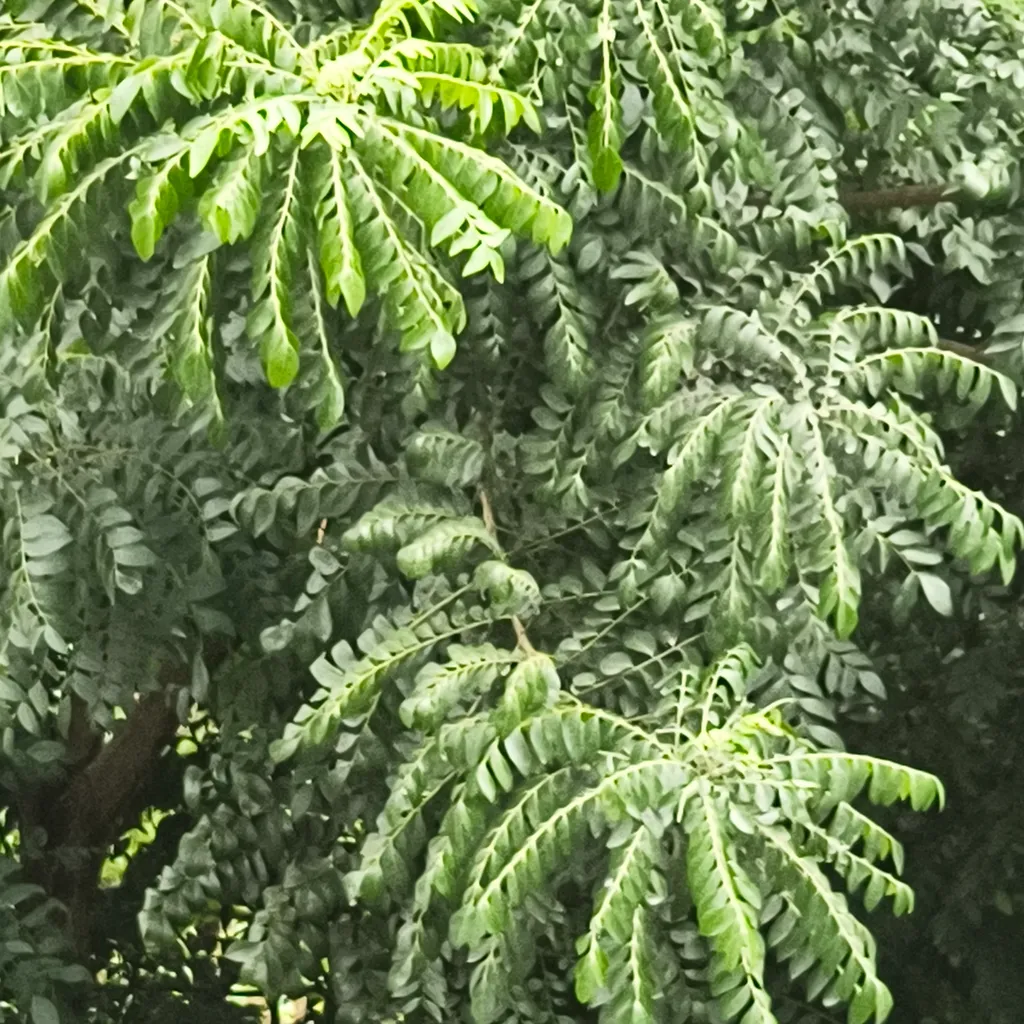
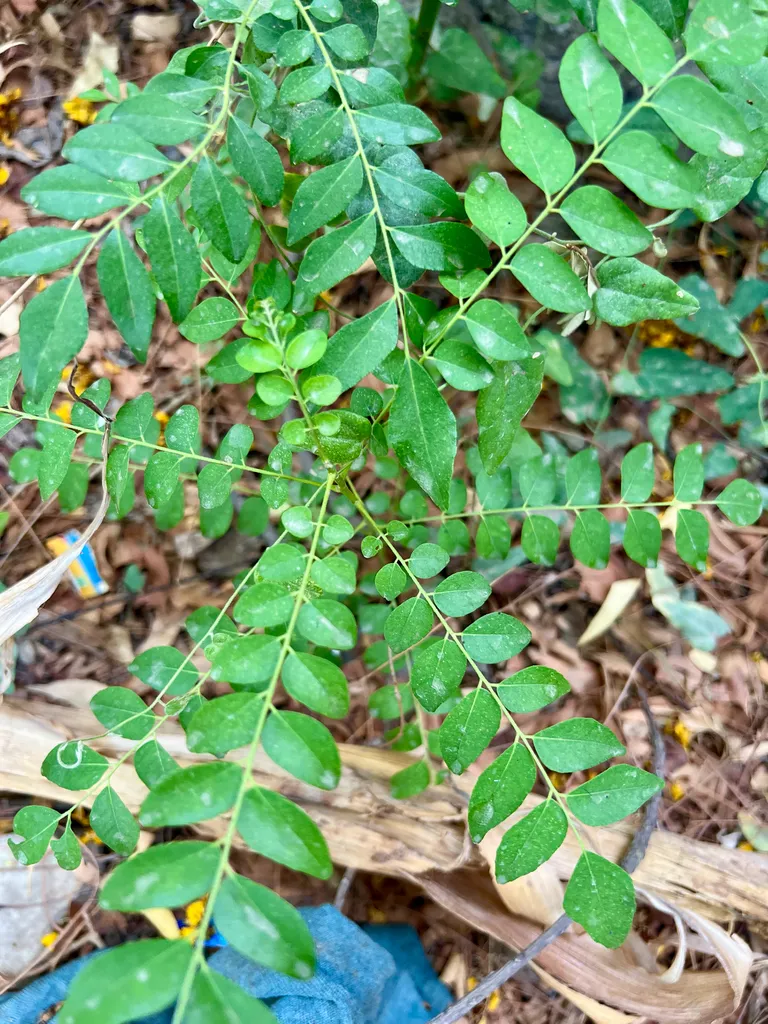
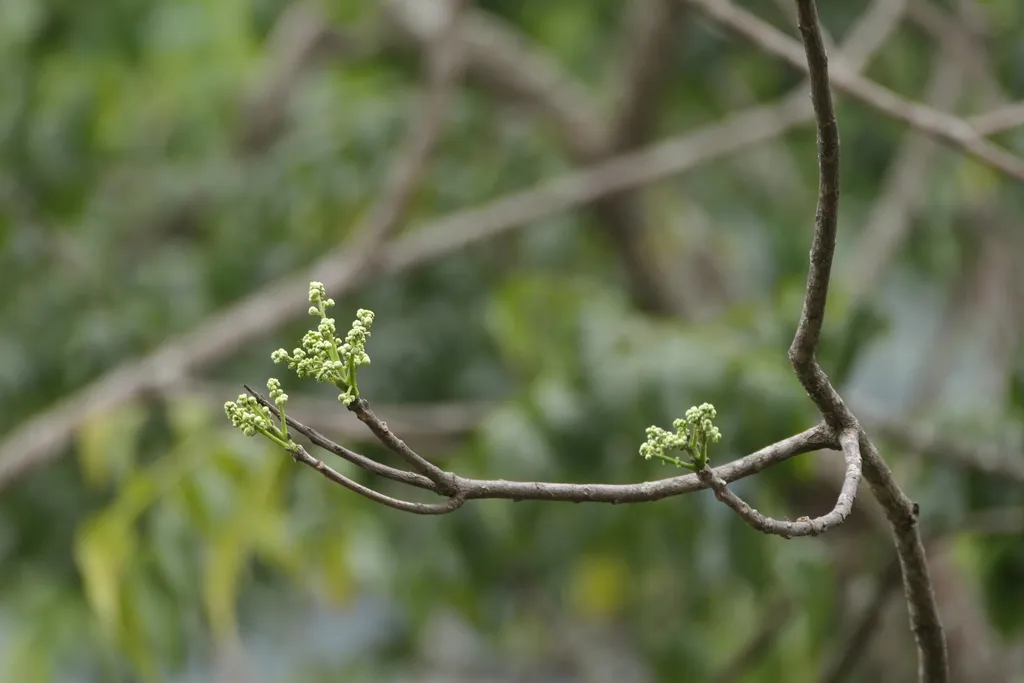
An evergreen, tropical to subtropical tree growing 4.5m (15ft) high and 3m (10ft across in its native habitat. The leaves are pinnate, having up to 10 pairs of leaflets along a central midrib. They are pungently aromatic, and used as an important flavouring in Indian cuisine. The terminal panicles of white, star-shaped flowers are sweetly fragrant and produced in flushes throughout the year, followed by clusters of red berries. Suitable only for growing as an indoor plant, or overwintered in a cool conservatory in frost-prone climates; but may be placed outdoors in summer to benefit from the extra light and humidity there.
Scientific classification
- Species
- curry tree (Bergera koenigii)
- Genus
- Bergera
- Family
- Rutaceae
- Order
- Sapindales
- Class
- Magnoliopsida
- Phylum
- Tracheophyta
- Information to be completed
- Toxicity
- Trees · Conservatory Greenhouse · Herbs - Culinary
- Plant type
- 4-8 metres
- Height
- 2.5-4 metres
- Spread
- Evergreen
- Foliage
- Bushy
- Habit
- Spring · Summer · Autumn · Winter
- Season of interest
- Full sun · Partial shade
- Sunlight
- Information to be completed
- Ideal temperature









curry tree pictures
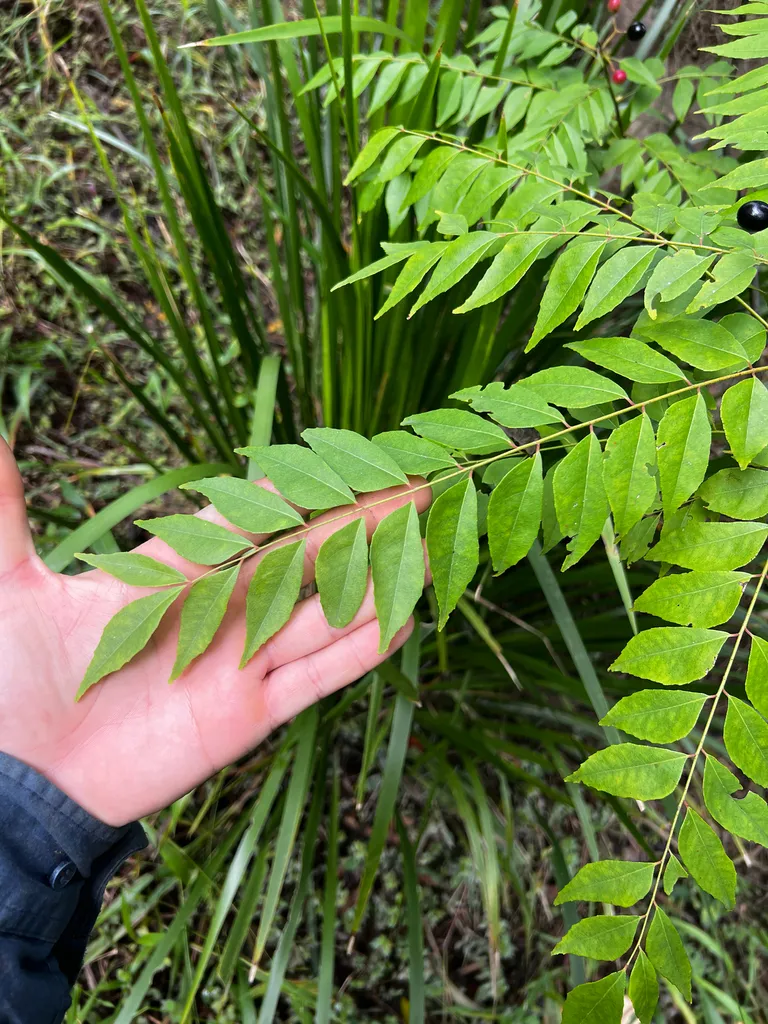
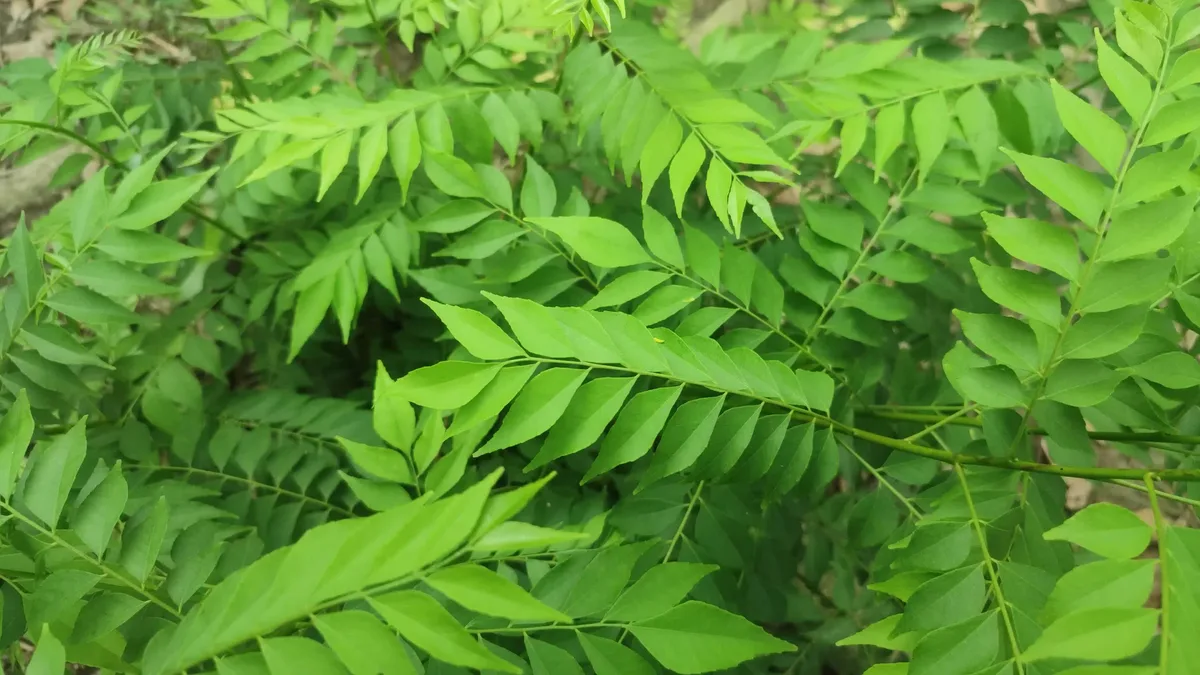
Distribution of curry tree
Distribution map
- Native
- Introduced
- Cultivated
Source:WCVP v16 · Royal Botanic Gardens, Kew · CC BY 3.0 · Boundaries:WGSRPD / TDWG
curry tree care guide
- Moderate regular watering, allowing brief slight drying between soakings
- Watering
- Full sun · Partial shade
- Sunlight

Watering
Moderate regular watering, allowing brief slight drying between soakings
Fertilizing
 Fertilizing
Balanced perennial feed every four weeks from spring through summer
Pruning
 Pruning
Little pruning is needed. Remove diseased, damaged, crowded or crossing shoots and unwanted growth. Timing depends on the plant: generally late winter or early spring; plants prone to bleeding and deciduous magnolias need different timing, and deciduous azaleas and lilacs are pruned after flowering.
Propagation
 Propagation
Propate by seed, or by semi-ripe cuttings
Growing
 Growing
Grow in an acidic to neutral, moisture-retentive, well drained compost and a position in full sun or partial shade, in a conservatory, greenhouse, or as a houseplant indoors in the UK
Common pests and diseases
Diseases
Generally disease-free
Pests
May be susceptible to red spider mite, scale insects and mealy bug
Explore the plant health library →




