
Hylotelephium 'Firecracker'
Also known as: Information to be completed
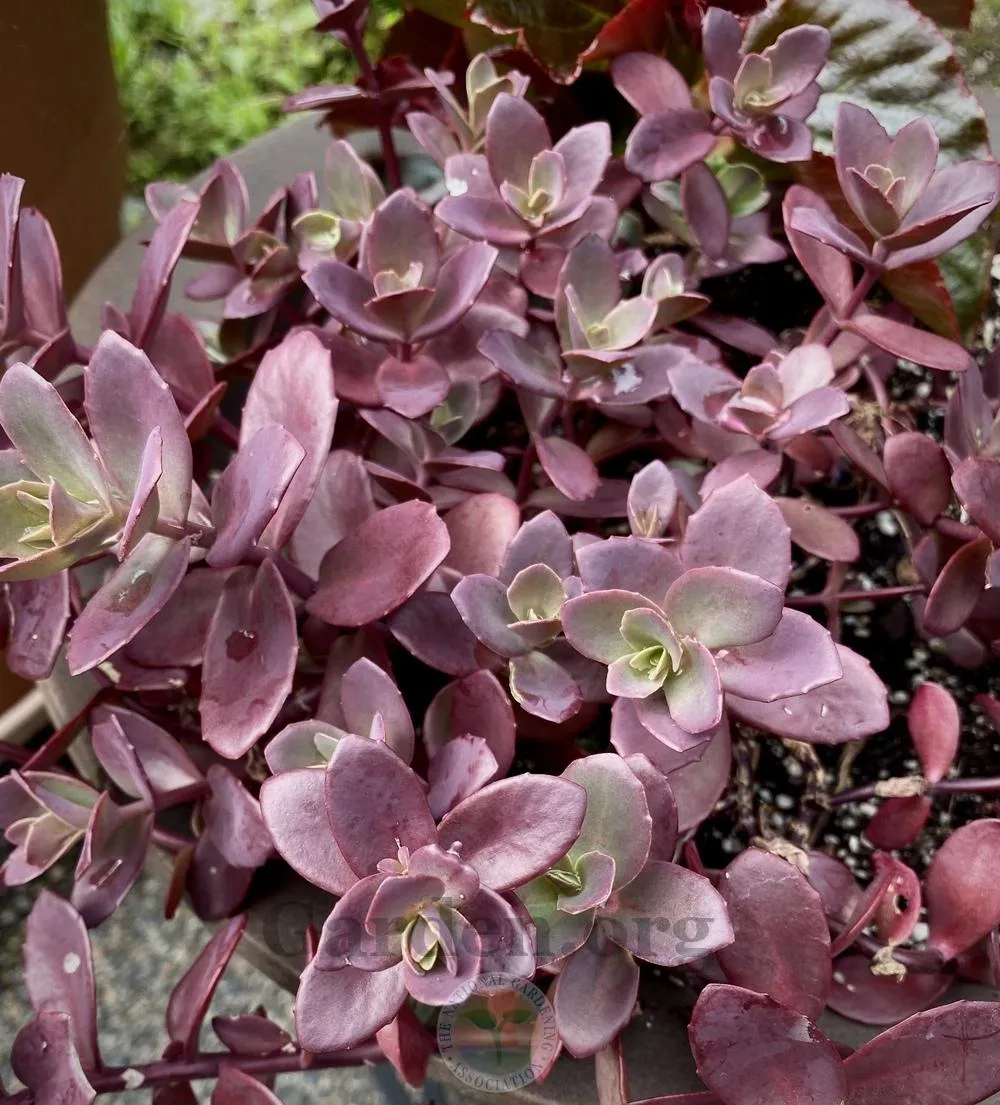
A compact mound-forming perennial, up to 20cm in high and 45cm wide, with fleshy, burgundy leaves and flat terminal clusters of pink starry flowers in late summer to early autumn
Scientific classification
- Species
- Hylotelephium 'Firecracker' (Hylotelephium 'Firecracker')
- Genus
- Hylotelephium
- Family
- Crassulaceae
- Information to be completed
- Toxicity
- Herbaceous Perennial
- Plant type
- 0.1-0.5 metres
- Height
- 0.1-0.5 metres
- Spread
- Deciduous
- Foliage
- Information to be completed
- Habit
- Spring · Summer · Autumn
- Season of interest
- Full sun
- Sunlight
- Information to be completed
- Ideal temperature









Hylotelephium 'Firecracker' pictures
Distribution of Hylotelephium 'Firecracker'
Distribution map
Information to be completed
Information to be completed
Culture
Information to be completed
Toxicity
Information to be completed
Quick identification of Hylotelephium 'Firecracker'
Information to be completed
Hylotelephium 'Firecracker' care guide
- Moderate regular watering, allowing slight drying between waterings
- Watering
- Full sun
- Sunlight
- Information to be completed
- Ideal temperature

Watering
Moderate regular watering, allowing slight drying between waterings
Fertilizing
 Fertilizing
Balanced feed monthly during active growth season
Pruning
 Pruning
Cut back after flowering to maintain shape or leave seedheads overwinter
Propagation
 Propagation
Propagate by division in spring. Propagate by softwood cuttings of non-flowering shoots in early summer
Growing
 Growing
Grow in moderately fertile, well-drained, neutral to slightly alkaline soil in full sun. A drought-tolerant plant
People also ask
Information to be completed
Common pests and diseases
Diseases
May be susceptible to root and crown rots
Pests
May be susceptible to slugs, snails and vine weevil
Explore the plant health library →




