
Lawson's cypress
Also known as: ginger pine; Oregon cedar; Port Orford cedar
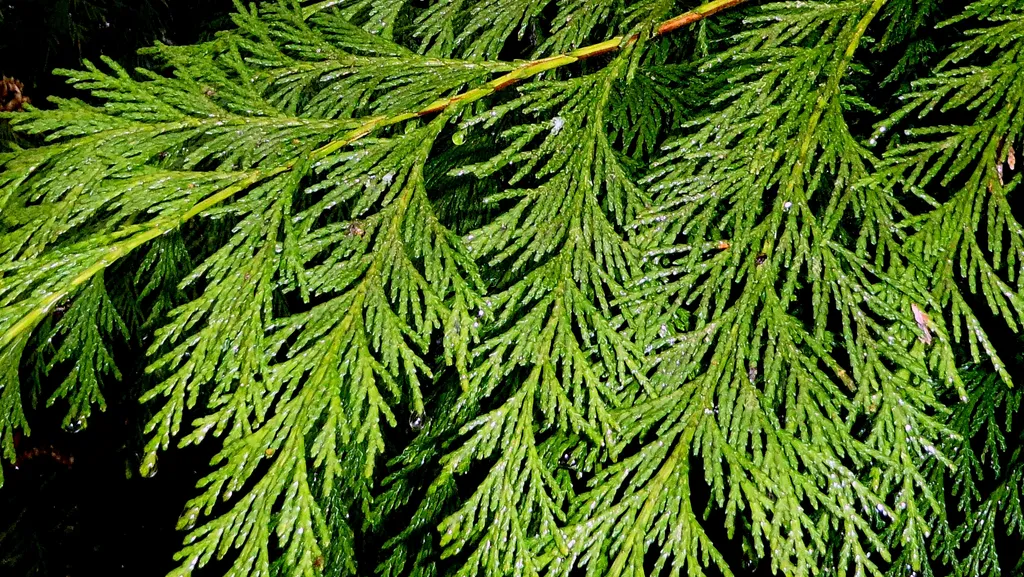
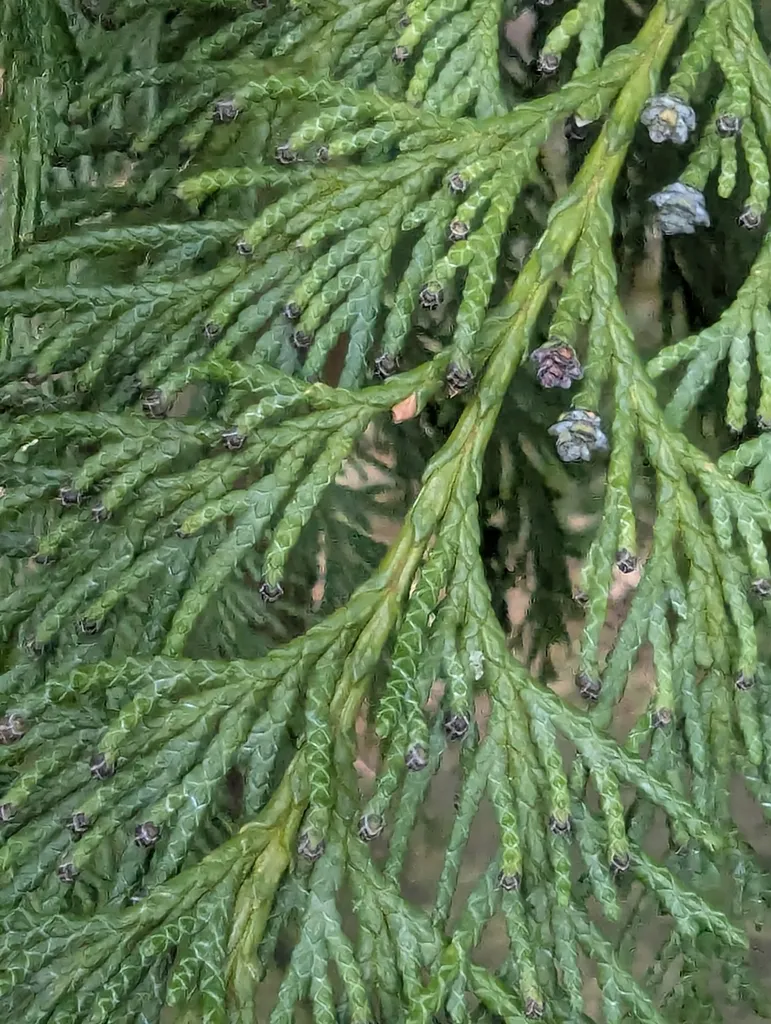
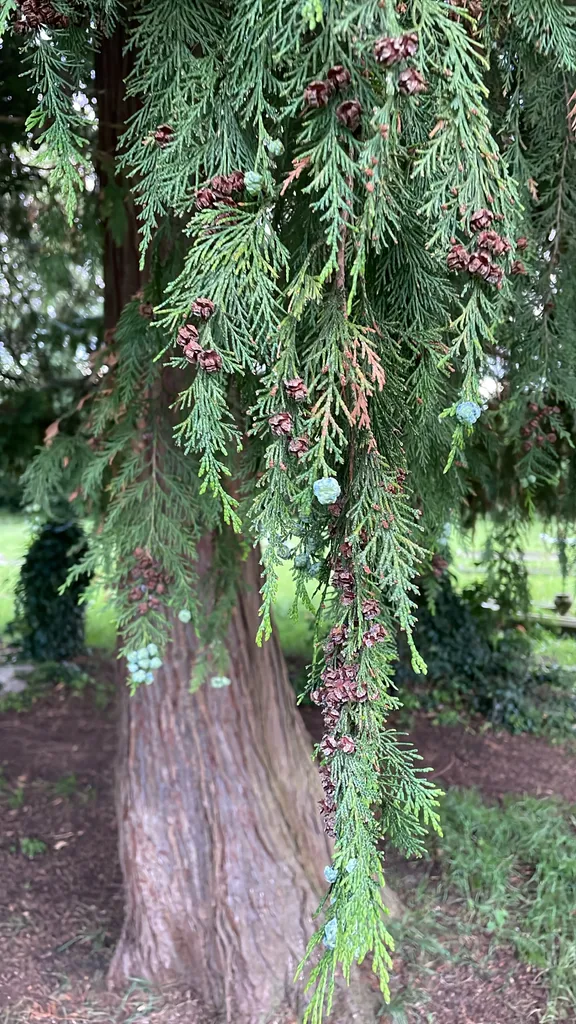
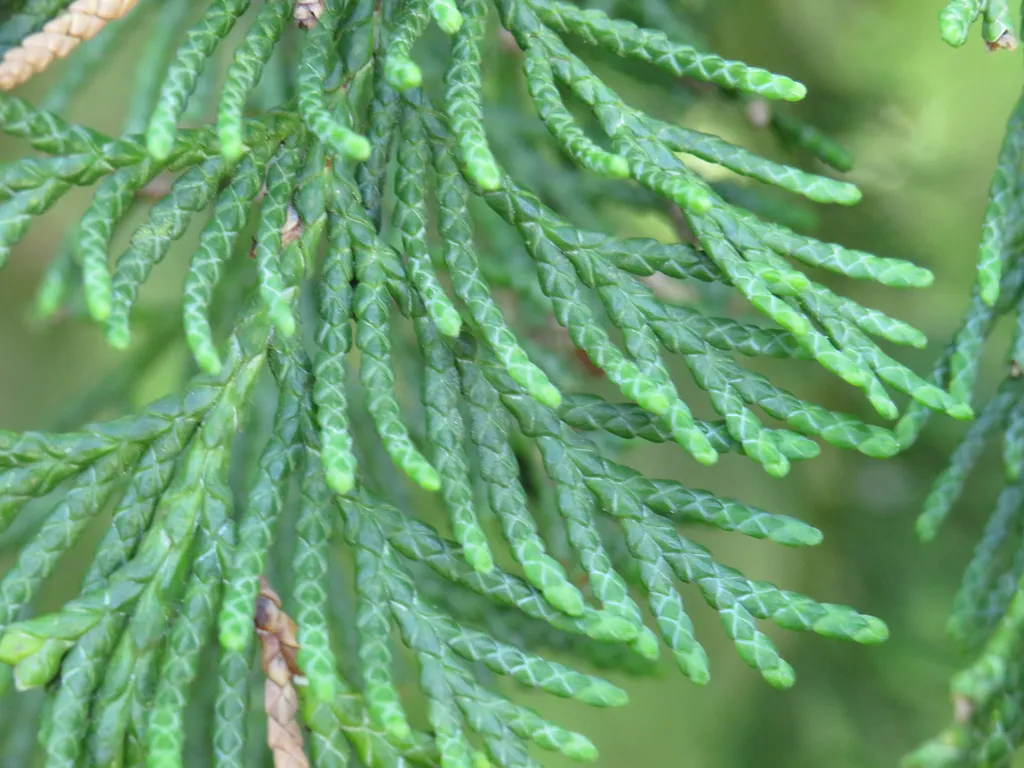
A large, upright, conical tree with drooping branches, reaching up to 25m high. The aromatic, scale-like, dark green to glaucous green leaves, each 3-5mm long, are borne in flattened sprays. Small, globular male cones, 3-4mm long, are a reddish-pink in spring whilst the larger female seed cones are green maturing to brown
Scientific classification
- Species
- Lawson's cypress (Chamaecyparis lawsoniana)
- Genus
- Chamaecyparis
- Family
- Cupressaceae
- Order
- Cupressales
- Class
- Pinopsida
- Phylum
- Coniferophyta
- Information to be completed
- Toxicity
- Conifers · Trees
- Plant type
- Higher than 12 metres
- Height
- 4-8 metres
- Spread
- Evergreen
- Foliage
- Columnar upright
- Habit
- Spring · Summer · Autumn · Winter
- Season of interest
- Full sun
- Sunlight
- 15 – 25 °C
- Ideal temperature









Lawson's cypress pictures
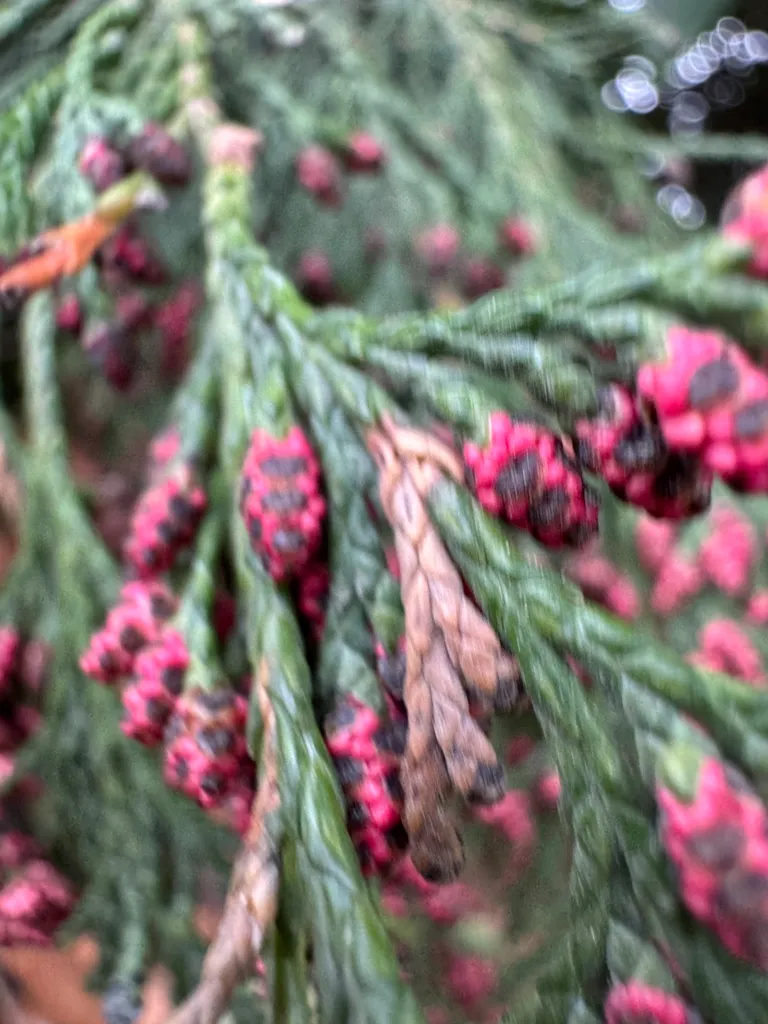
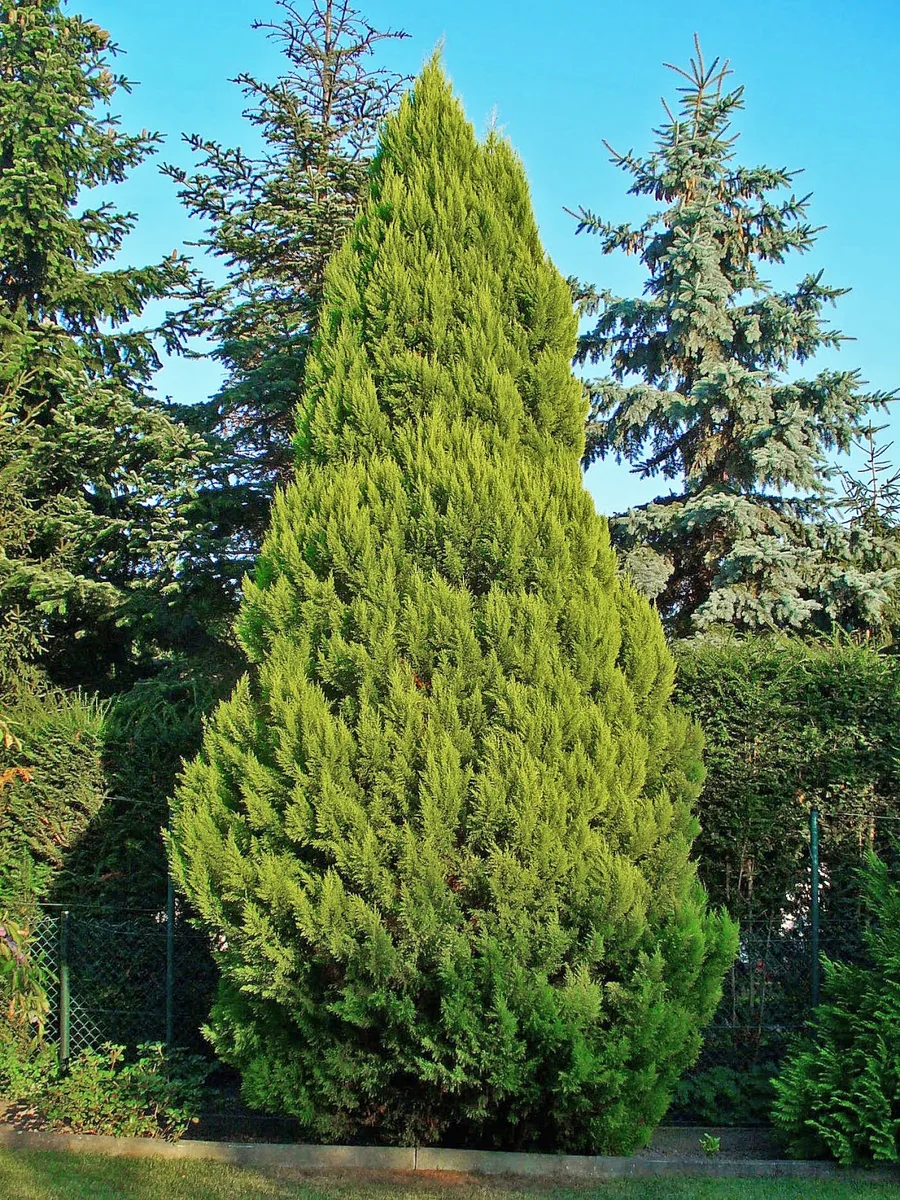
Distribution of Lawson's cypress
Distribution map
- Native
- Introduced
- Cultivated
Source:WCVP v16 · Royal Botanic Gardens, Kew · CC BY 3.0 · Boundaries:WGSRPD / TDWG
Lawson's cypress care guide
- Deep occasional watering with excellent drainage, less once established
- Watering
- Full sun
- Sunlight
- 15 – 25 °C
- Ideal temperature

Watering
Deep occasional watering with excellent drainage, less once established
Fertilizing
 Fertilizing
Light conifer feed once yearly in early spring only
Pruning
 Pruning
None required but if used as hedging, trim twice a year to maintain shape
Propagation
 Propagation
Propagate by seed and semi-hardwood cuttings
Growing
 Growing
Grows well in moist but well-drained soil. Tolerant of chalk soils but prefers slightly acidic soil
Common pests and diseases
Diseases
May be susceptible to honey fungus and Phytophthora root diseases
Pests
May be susceptible to aphids, juniper scale and shoot-boring moths
Explore the plant health library →




