
Aeonium canariense var. virgineum
Also known as: Information to be completed
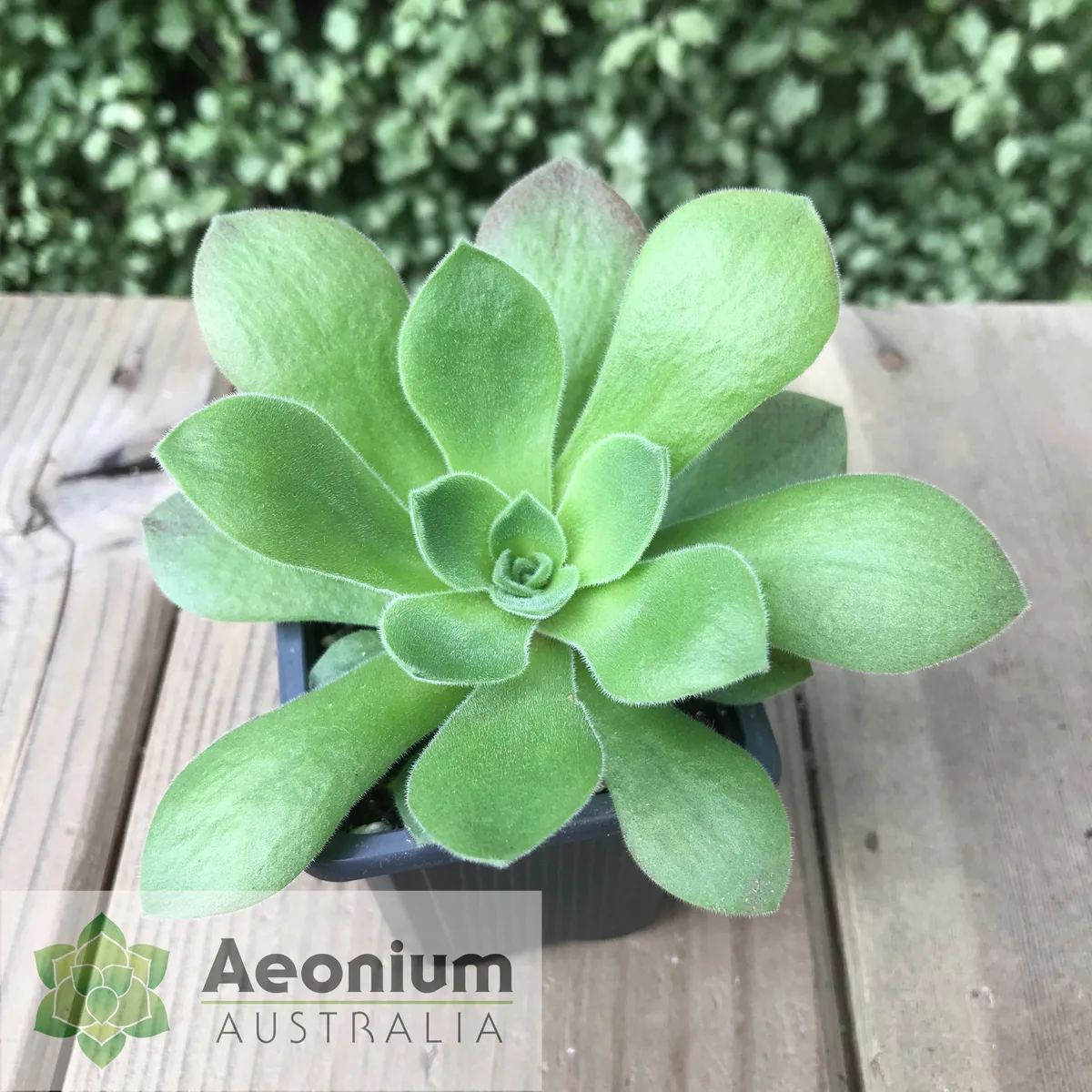
A succulent evergreen subshrub, with short stems tipped with cup-shaped rosettes of broadly spoon-shaped, slightly downy, velvety green leaves that tint red at the tips in sun. Mature rosettes produce spikes of yellow-green flowers in summer; after flowering these die off and are replaced by new offshoots
Scientific classification
- Species
- Aeonium canariense var. virgineum (Aeonium canariense var. virgineum)
- Genus
- Aeonium
- Family
- Crassulaceae
- Order
- Saxifragales
- Class
- Magnoliopsida
- Phylum
- Magnoliophyta
- Information to be completed
- Toxicity
- Cactus Succulent · Conservatory Greenhouse · Houseplants
- Plant type
- Information to be completed
- Height
- Information to be completed
- Spread
- Evergreen
- Foliage
- Bushy
- Habit
- Spring · Autumn · Winter · Summer
- Season of interest
- Full sun · Partial shade
- Sunlight
- Information to be completed
- Ideal temperature









Aeonium canariense var. virgineum pictures
Distribution of Aeonium canariense var. virgineum
Distribution map
- Native
- Introduced
- Cultivated
Source:WCVP v16 · Royal Botanic Gardens, Kew · CC BY 3.0 · Boundaries:WGSRPD / TDWG
Aeonium canariense var. virgineum care guide
- Let gritty soil dry fully before each thorough watering cycle
- Watering
- Full sun · Partial shade
- Sunlight

Watering
Let gritty soil dry fully before each thorough watering cycle
Fertilizing
 Fertilizing
Very dilute low-nitrogen succulent feed monthly in warm growth
Pruning
 Pruning
No pruning required, though stems can be tipped during the growing period to promote a bushy habit
Propagation
 Propagation
Propagate by stem cuttings, kept at 18°C and barely moist until rooted
Growing
 Growing
Best grown in containers, in a free-draining medium in part shade or bright filtered light. Water moderately when in growth, not at all when dormant, and feed 2 or 3 times during the growing season. Overwinter in a greenhouse, conservatory or indoors. See houseplant cacti and succulent cultivation for further information
Common pests and diseases
Diseases
Generally disease-free
Pests
May be susceptible to aphids and mealybugs
Explore the plant health library →




