
Tritonia gladiolaris
Also known as: Information to be completed
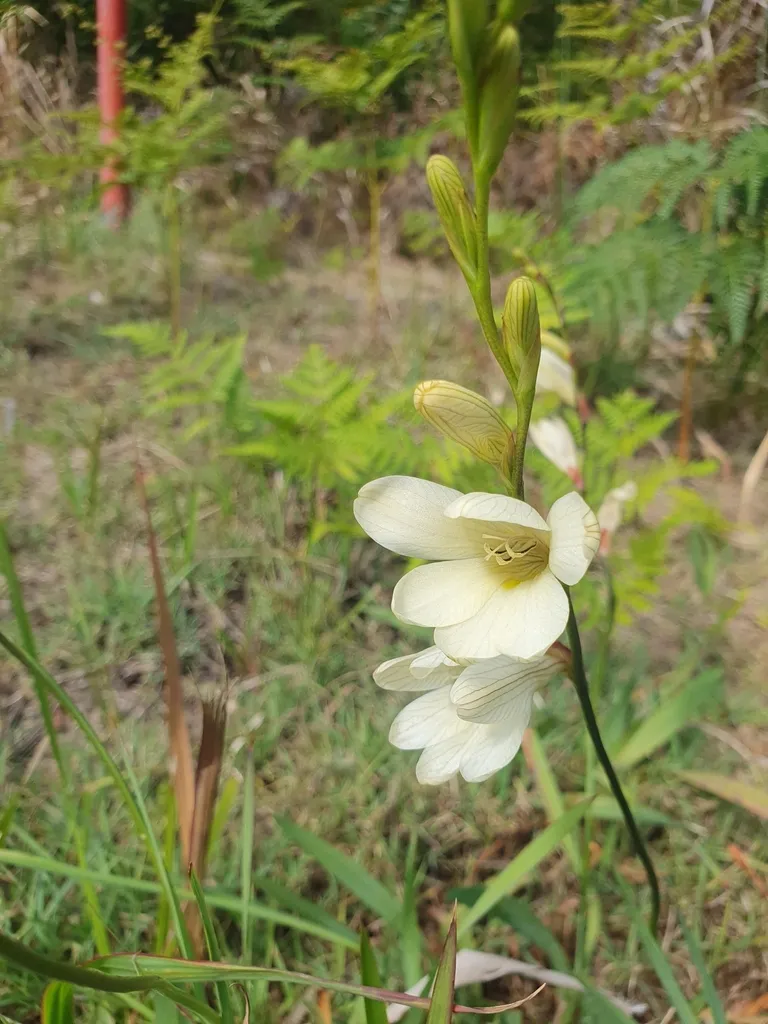
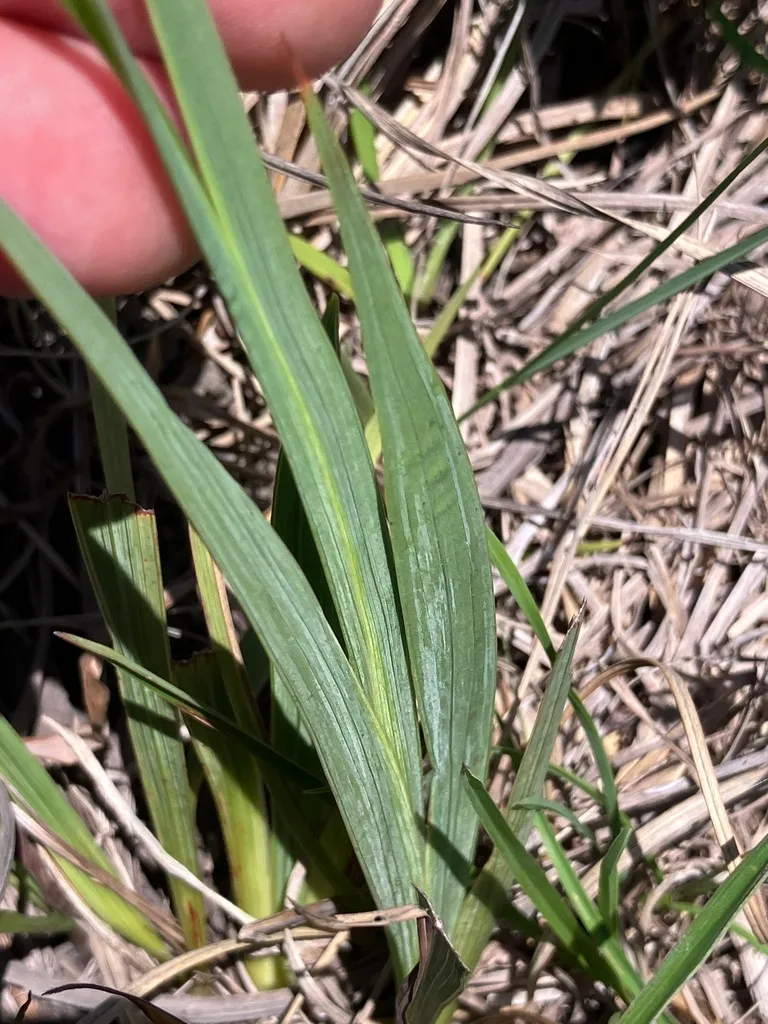
A cormous perennial to 50cm tall, forming a tuft of sword-shaped leaves. In spring, slender spikes of 5-15, funnel-shaped, cream or pale yellow flowers are produced
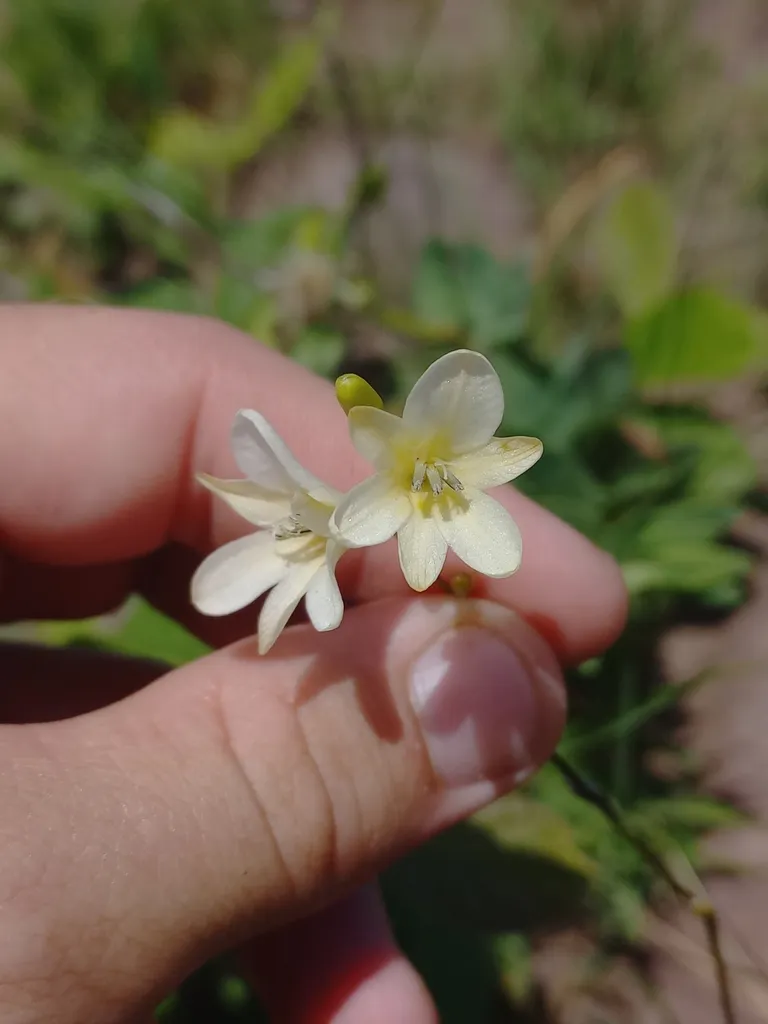
Scientific classification
- Species
- Tritonia gladiolaris (Tritonia gladiolaris)
- Genus
- Tritonia
- Family
- Iridaceae
- Order
- Asparagales
- Class
- Liliopsida
- Phylum
- Magnoliophyta
- Information to be completed
- Toxicity
- Bulbs
- Plant type
- 0.1-0.5 metres
- Height
- 0.1-0.5 metres
- Spread
- Deciduous
- Foliage
- Tufted
- Habit
- Spring · Winter
- Season of interest
- Full sun
- Sunlight
- Information to be completed
- Ideal temperature









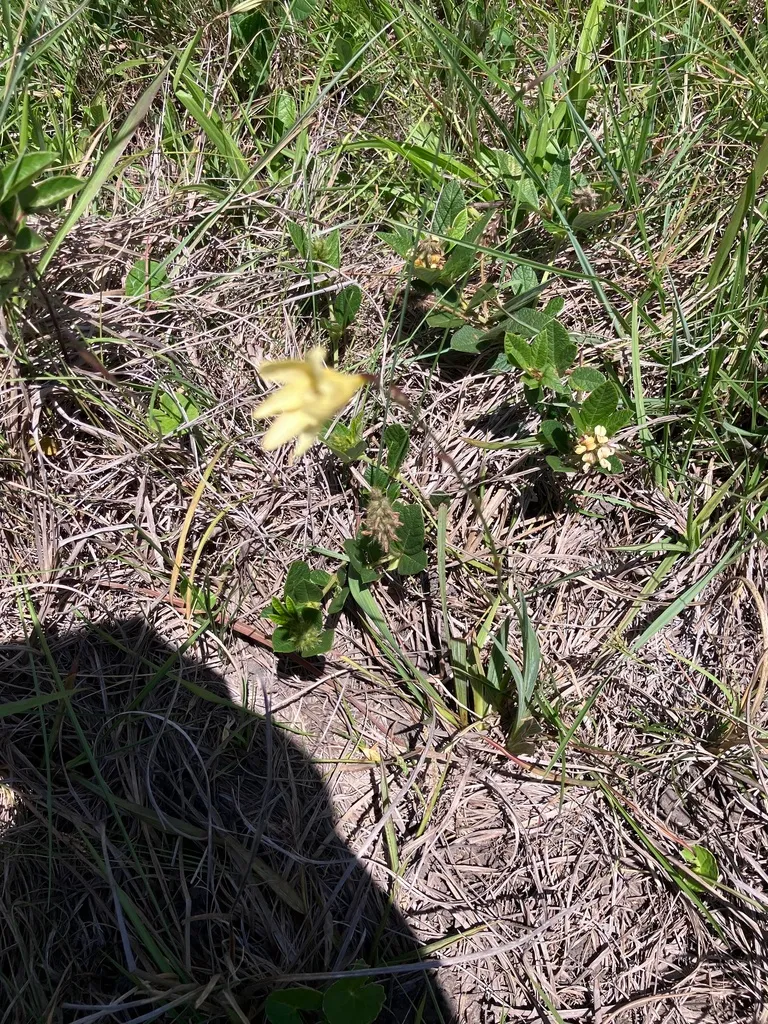
Tritonia gladiolaris pictures
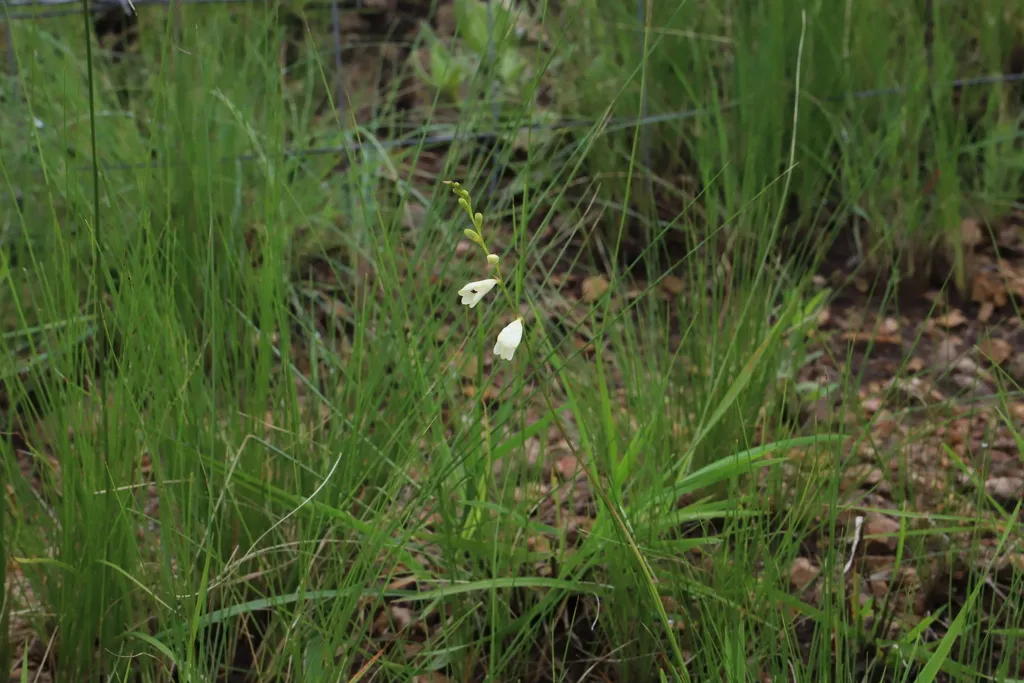
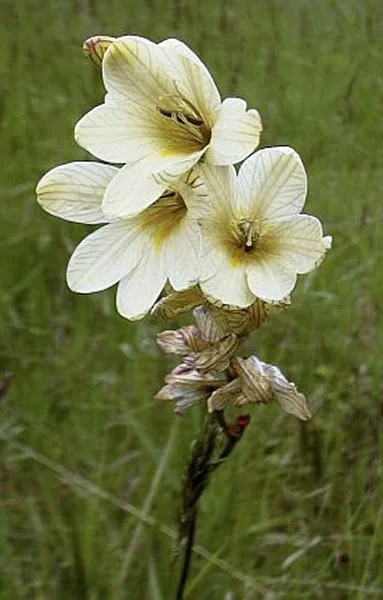
Distribution of Tritonia gladiolaris
Distribution map
- Native
- Introduced
- Cultivated
Source:WCVP v16 · Royal Botanic Gardens, Kew · CC BY 3.0 · Boundaries:WGSRPD / TDWG
Tritonia gladiolaris care guide
- Let soil partially dry between watering, fully dry during bulb dormancy
- Watering
- Full sun
- Sunlight

Watering
Let soil partially dry between watering, fully dry during bulb dormancy
Fertilizing
 Fertilizing
Biweekly weak high-phosphorus feed prior to spring flower blooming
Pruning
 Pruning
No pruning required
Propagation
 Propagation
Propagate by seed sown as soon as ripe, or by removing offsets while dormant
Growing
 Growing
Under glass, plant 10cm deep in loam-based potting compost with added sharp sand, in full light. As the leaves wither after flowering, reduce water gradually to ensure a warm, dry dormancy. When new growth appears increase watering; in full growth water freely. Repot annually
Common pests and diseases
Diseases
Generally disease-free
Pests
Generally pest-free
Explore the plant health library →




