
marigold [PowerDaisy Tango]
Also known as: Information to be completed
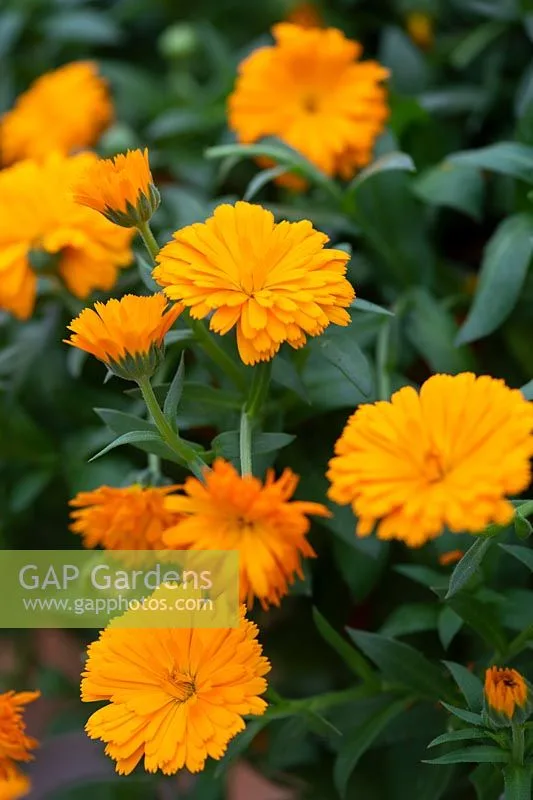
A compact, mound-forming, shrubby plant to 40cm tall with glossy green foliage. Orange, daisy-like flowerheads cover the foliage from late spring until late autumn
Scientific classification
- Species
- marigold [PowerDaisy Tango] (Calendula PowerDaisy Tango ('Kercaltan'))
- Genus
- Calendula
- Family
- Asteraceae
- Information to be completed
- Toxicity
- Annual Biennial · Bedding
- Plant type
- 0.1-0.5 metres
- Height
- 0.1-0.5 metres
- Spread
- Deciduous
- Foliage
- Bushy
- Habit
- Spring · Summer · Autumn
- Season of interest
- Full sun · Partial shade
- Sunlight
- Information to be completed
- Ideal temperature









marigold [PowerDaisy Tango] pictures
Distribution of marigold [PowerDaisy Tango]
Distribution map
Information to be completed
Information to be completed
Culture
Information to be completed
Toxicity
Information to be completed
Quick identification of marigold [PowerDaisy Tango]
Information to be completed
marigold [PowerDaisy Tango] care guide
- Steady mild soil dampness, prevent complete substrate dehydration
- Watering
- Full sun · Partial shade
- Sunlight
- Information to be completed
- Ideal temperature

Watering
Steady mild soil dampness, prevent complete substrate dehydration
Fertilizing
 Fertilizing
Diluted marigold feed every three warm growing season weeks
Pruning
 Pruning
Cut back after flowering; deadhead regularly to prolong flowering and pinch out terminal shoots to encourage bushy growth
Propagation
 Propagation
Propagate by softwood cuttings in summer
Growing
 Growing
Grow in a light, poor to moderately fertile, free-draining soil in full sun or partial shade. Deadhead regularly to prolong flowering
People also ask
Information to be completed
Common pests and diseases
Diseases
Generally trouble free; this cultivar shows good resistance to powdery mildews
Pests
Aphids may be a problem
Explore the plant health library →




