
Italian oregano
Also known as: Information to be completed
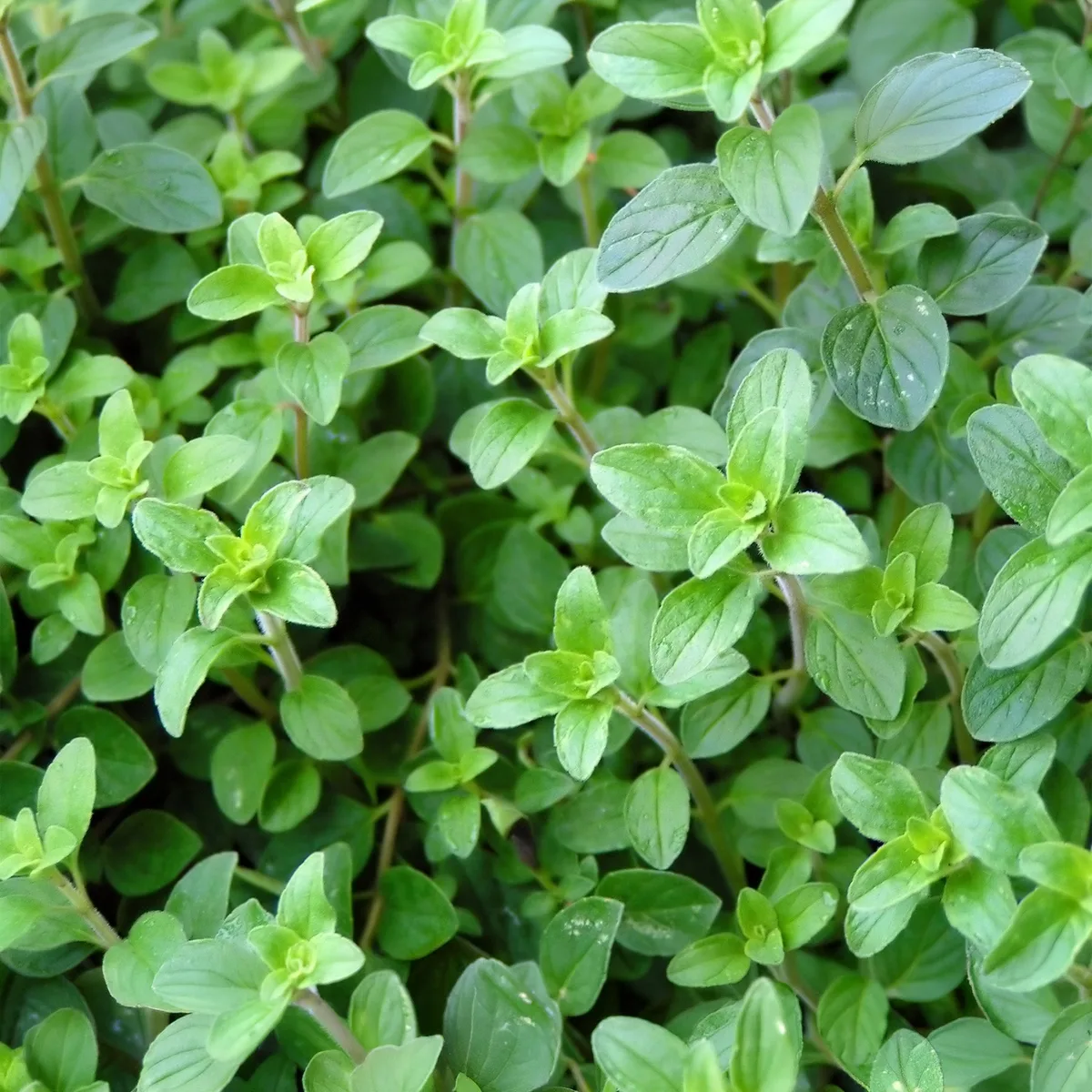
A clump-forming, deciduous perennial with highly aromatic, edible, ovate, mid-green leaves that are prized by chefs. Clusters of small, white flowers appear from summer into autumn
Scientific classification
- Species
- Italian oregano (Origanum × majoricum)
- Genus
- Origanum
- Family
- Lamiaceae
- Order
- Lamiales
- Class
- Magnoliopsida
- Phylum
- Magnoliophyta
- Information to be completed
- Toxicity
- Herbaceous Perennial
- Plant type
- 0.1-0.5 metres
- Height
- 0.1-0.5 metres
- Spread
- Deciduous
- Foliage
- Clump forming
- Habit
- Spring · Summer · Autumn
- Season of interest
- Full sun · Partial shade
- Sunlight
- Information to be completed
- Ideal temperature









Italian oregano pictures
Distribution of Italian oregano
Distribution map
- Native
- Introduced
- Cultivated
Locally extinct or doubtful records are excluded from native and introduced layers.
Source:WCVP v16 · Royal Botanic Gardens, Kew · CC BY 3.0 · Boundaries:WGSRPD / TDWG
Italian oregano care guide
- Water regularly but let soil dry between waterings; prefers well-drained conditions.
- Watering
- Full sun · Partial shade
- Sunlight

Watering
Water regularly but let soil dry between waterings; prefers well-drained conditions.
Fertilizing
 Fertilizing
Apply a mild herbal fertilizer once in early spring and again mid-summer.
Pruning
 Pruning
Cut back spent flower stems in early spring. If growing for culinary use, remove the flower stems before flowers open to encourage leaf growth
Propagation
 Propagation
Propagate by division in spring or autumn
Growing
 Growing
Grow in any well drained, alkaline soil in full sun. See oregano cultivation for more information
Common pests and diseases
Diseases
Generally disease-free
Pests
May be susceptible to leafhoppers
Explore the plant health library →




