
Carmichael's monk's hood
Also known as: Information to be completed
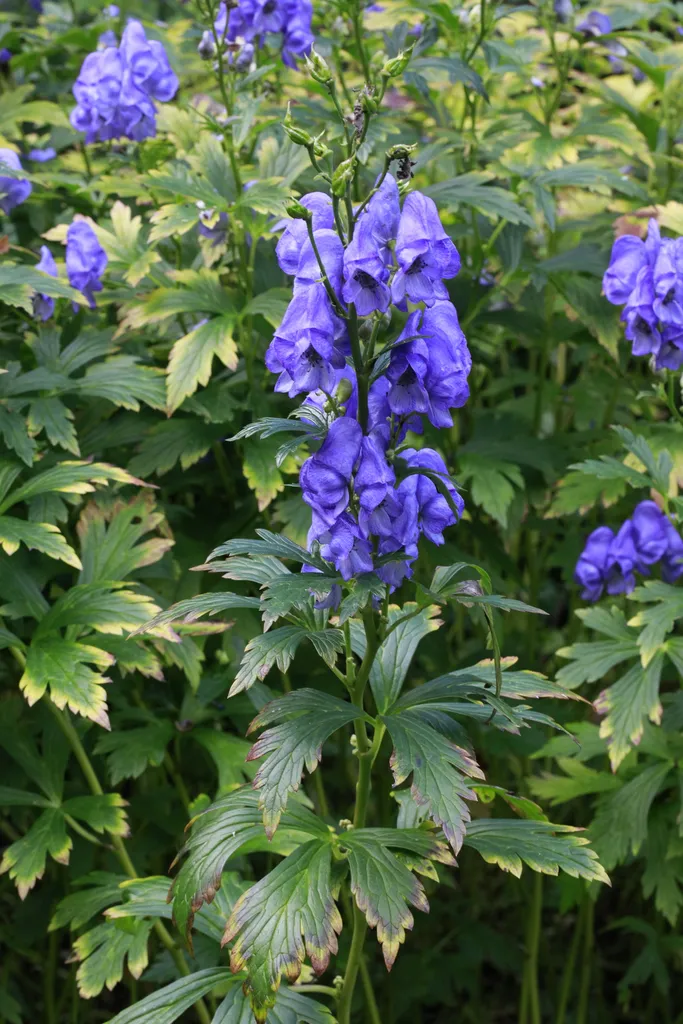
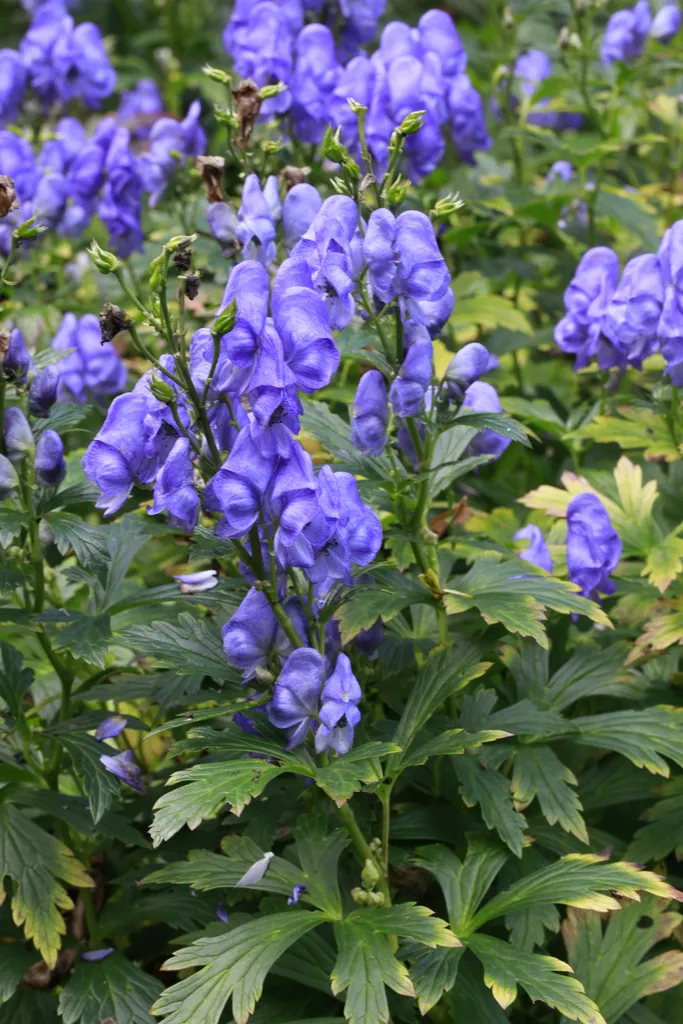
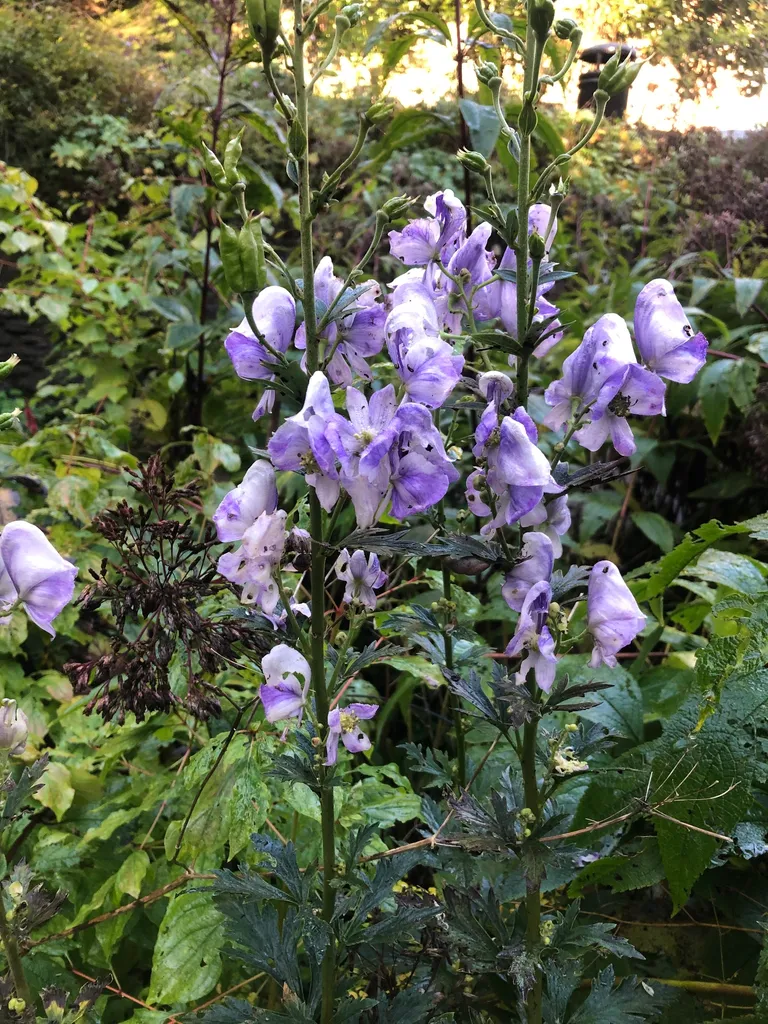
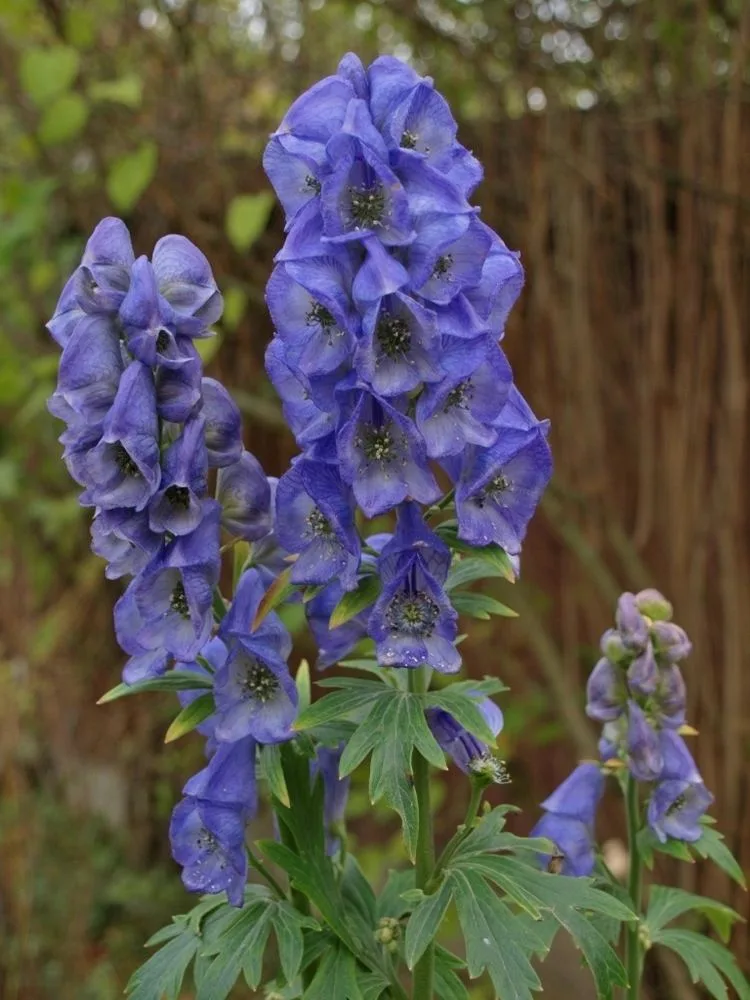
Clump-forming species perennial, very variable in height from 60cm to 2m tall, but usually about 1.2m, with 3 to 5-lobed leathery dark green leaves. Dense panicles of large pale violet or pale blue flowers to 1.5m in height, are produced in autumn
Scientific classification
- Species
- Carmichael's monk's hood (Aconitum carmichaelii)
- Genus
- Aconitum
- Family
- Ranunculaceae
- TOXIC if eaten, avoid skin contact. Wear gloves and other protective equipment when handling]
- Toxicity
- Herbaceous Perennial
- Plant type
- 1.5-2.5 metres
- Height
- 0.5-1 metres
- Spread
- Deciduous
- Foliage
- Clump forming
- Habit
- Spring · Summer · Autumn
- Season of interest
- Full sun · Partial shade
- Sunlight
- Information to be completed
- Ideal temperature









Carmichael's monk's hood pictures
Distribution of Carmichael's monk's hood
Distribution map
C and Western China, North America
Information to be completed
Culture
Information to be completed
Toxicity
TOXIC if eaten, avoid skin contact. Wear gloves and other protective equipment when handling]
Quick identification of Carmichael's monk's hood
Information to be completed
Carmichael's monk's hood care guide
- Moderate regular watering, allowing brief slight drying between soakings
- Watering
- Full sun · Partial shade
- Sunlight
- Information to be completed
- Ideal temperature

Watering
Moderate regular watering, allowing brief slight drying between soakings
Fertilizing
 Fertilizing
Balanced perennial feed every four weeks from spring through summer
Pruning
 Pruning
No pruning required except cutting back dead stems; use protective gloves
Propagation
 Propagation
Propagate by division in autumn or late winter; division every few years may encourage good flowering stems, though plants may be slow to re-establish; use protective gloves
Growing
 Growing
Grows best in deep, cool, moisture-retentive soil in partial shade, but will also tolerate most soils and full sun if soil is humus-rich and protected with mulch to ensure that it is moist throughout the growing season, staking may be required; use protective gloves
People also ask
Information to be completed
Common pests and diseases
Diseases
May be susceptible to fungal stem rot and Verticillium wilt
Pests
May be susceptible to aphids
Explore the plant health library →




