
ant plant
Also known as: Information to be completed
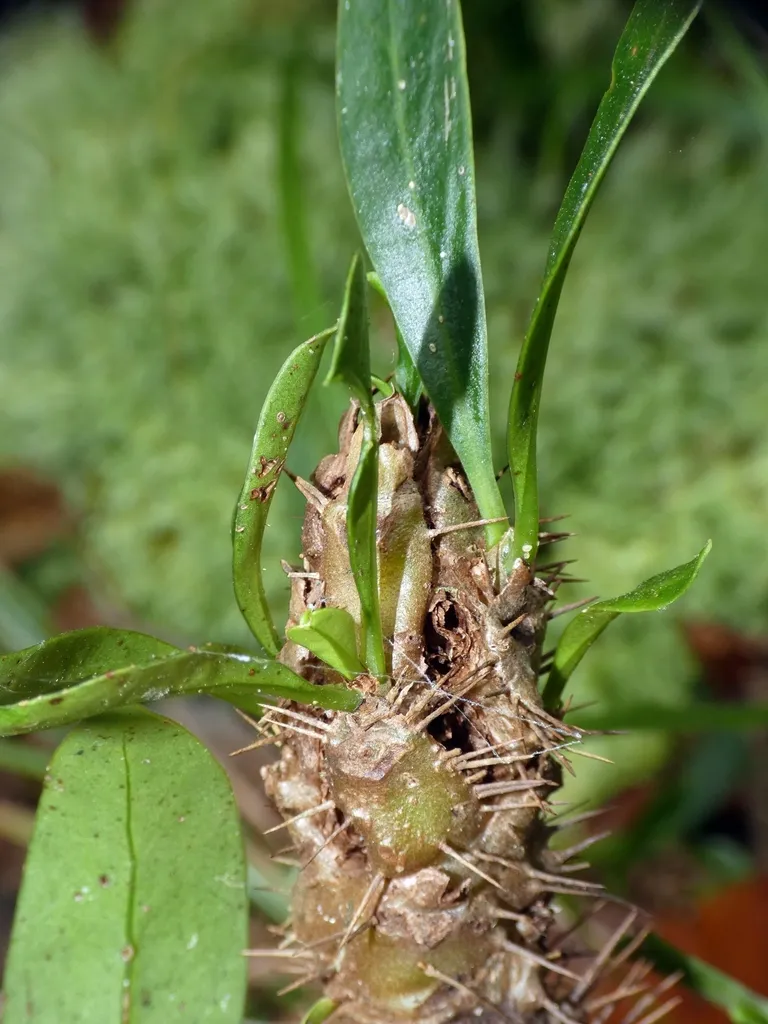
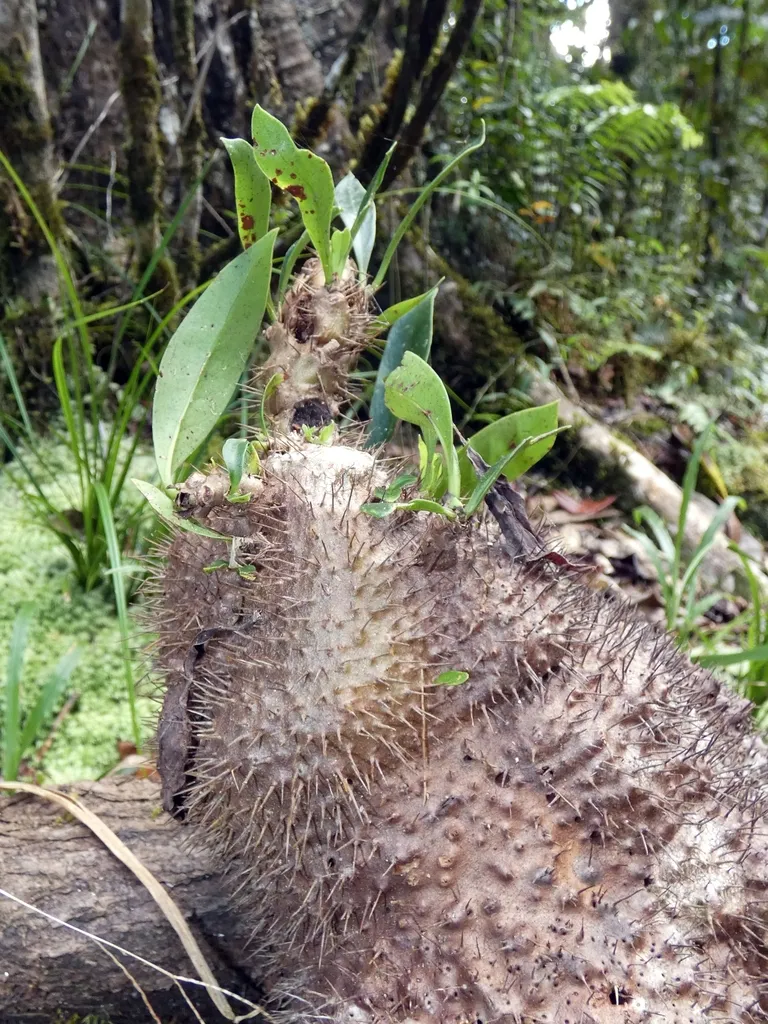
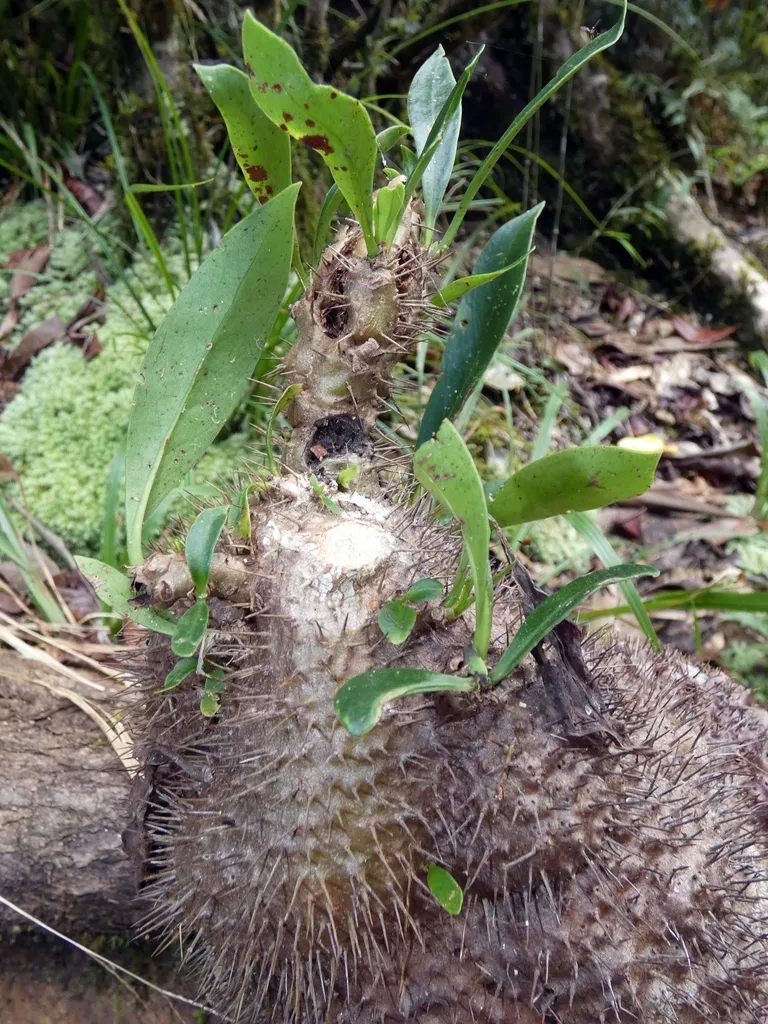
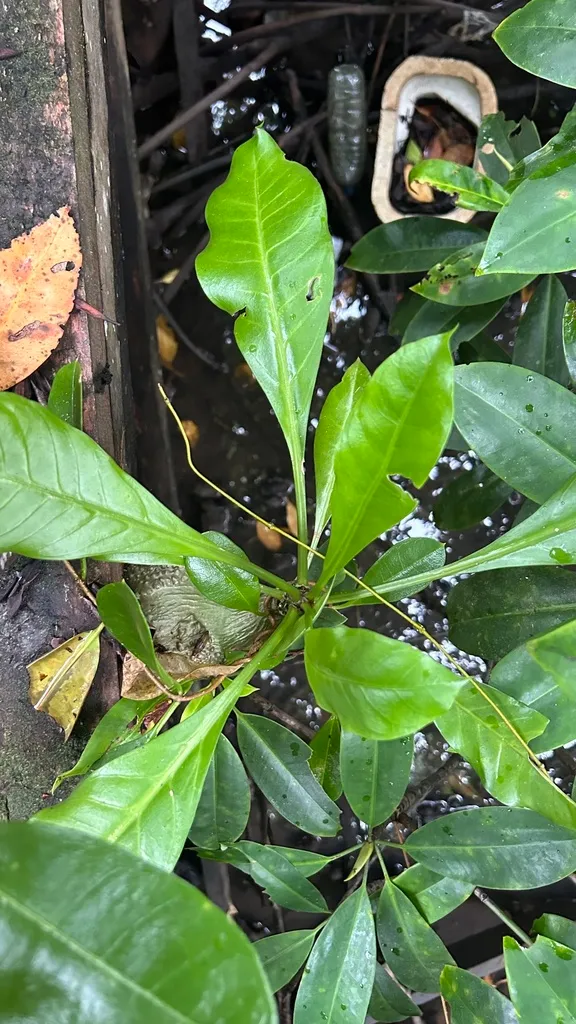
An epiphytic plant with a swollen, semi-succulent stem (known as a caudex), which is sometimes ridged or spiny. This is made up of cavities or tunnels that evolved in its native environment to host colonies of ants. Leathery, elliptic green leaves are held on pale fleshy stalks and often crowded around the tip of the stem. Small white flowers are produced directly from the main stem, followed by fleshy orange-red berries
Scientific classification
- Species
- ant plant (Myrmecodia tuberosa)
- Genus
- Myrmecodia
- Family
- Rubiaceae
- Order
- Gentianales
- Class
- Magnoliopsida
- Phylum
- Magnoliophyta
- Information to be completed
- Toxicity
- Houseplants
- Plant type
- 0.5-1 metres
- Height
- 0.1-0.5 metres
- Spread
- Evergreen
- Foliage
- Columnar upright
- Habit
- Spring · Summer · Autumn · Winter
- Season of interest
- Full sun · Partial shade
- Sunlight
- Information to be completed
- Ideal temperature









ant plant pictures
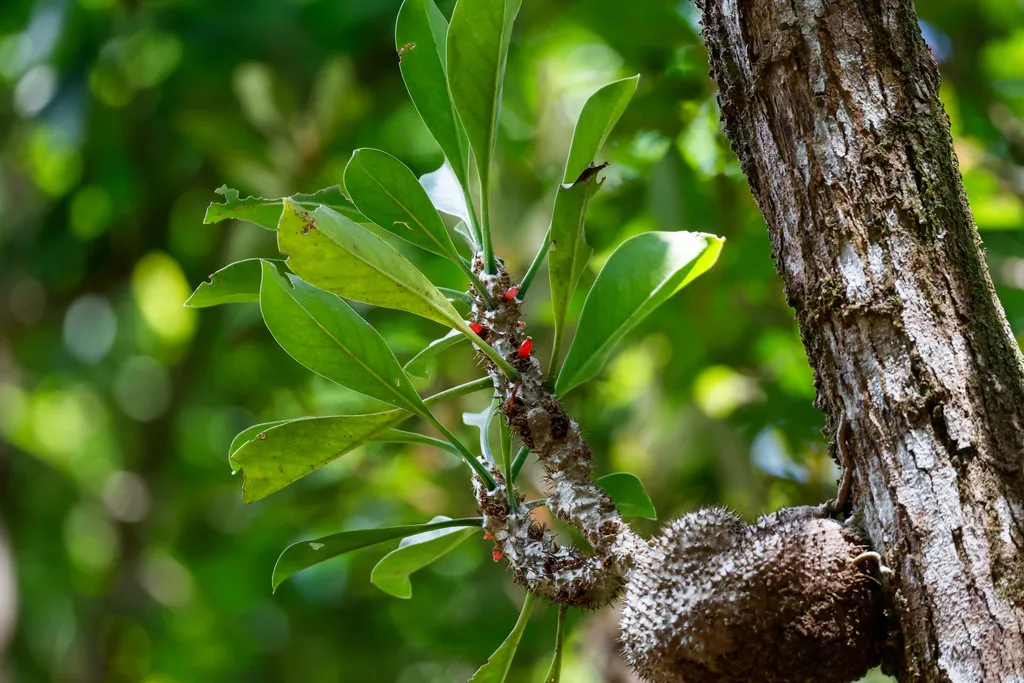
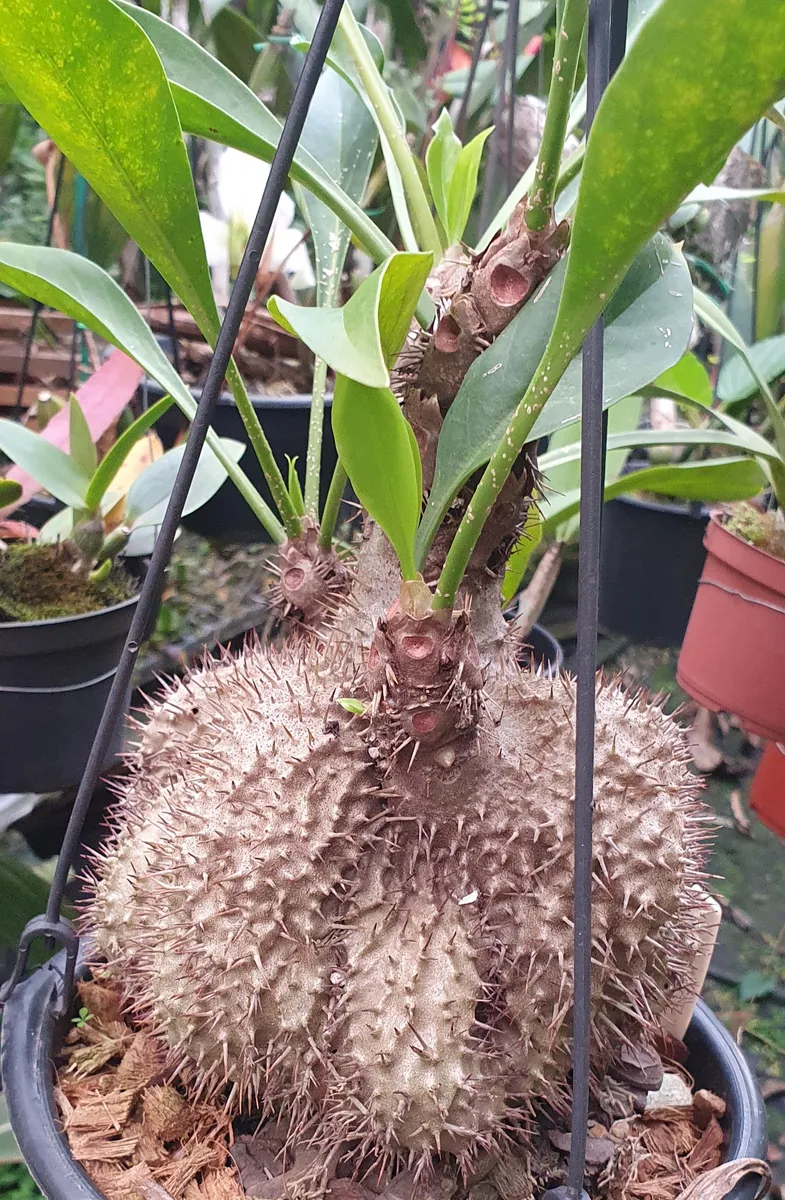
Distribution of ant plant
Distribution map
- Native
- Introduced
- Cultivated
Source:WCVP v16 · Royal Botanic Gardens, Kew · CC BY 3.0 · Boundaries:WGSRPD / TDWG
ant plant care guide
- Moderate regular watering, avoid prolonged drought or waterlogging
- Watering
- Full sun · Partial shade
- Sunlight

Watering
Moderate regular watering, avoid prolonged drought or waterlogging
Fertilizing
 Fertilizing
Balanced feed in spring and light repeat in growth season
Pruning
 Pruning
No pruning required
Propagation
 Propagation
Propagate by seed sown as soon as ripe
Growing
 Growing
Grow in an open, free draining medium such as orchid bark, or mounted on cork; plants are prone to root rot in poor drainage. Position in bright filtered light with protection from hot sun and maintain high humidity; may benefit from occasional misting with rainwater
Common pests and diseases
Diseases
Generally disease-free
Pests
May be susceptible to scale insects, mealybugs and red spider mite
Explore the plant health library →




