
Cathcartia chelidoniifolia
Also known as: Information to be completed
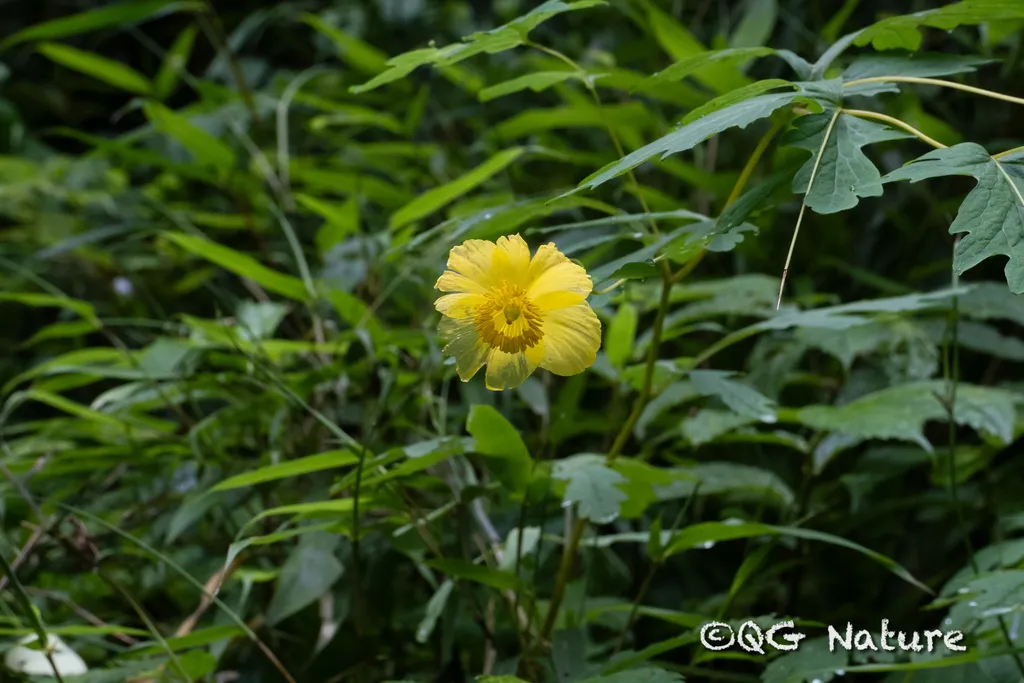
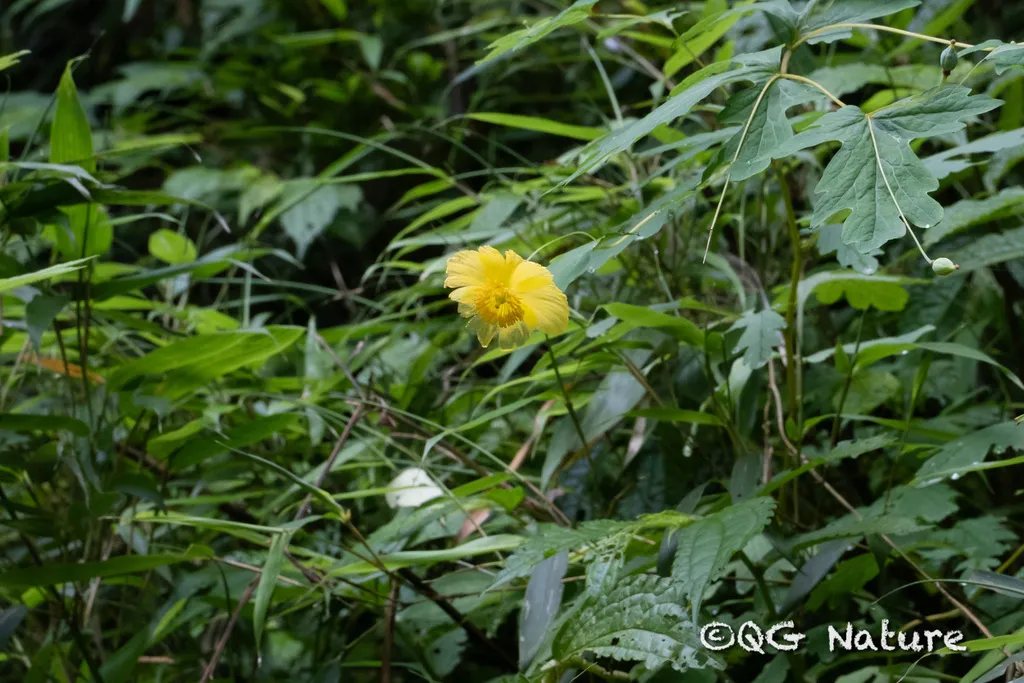
A deciduous perennial bearing nodding, primrose-yellow, poppy-like flowers of 2-3cm (1-1.5in) in mid-to late summer. Slender, branched stems scramble upwards to a height of 1m (3ft) and have lobed, softly hairy, pale green leaves.
Scientific classification
- Species
- Cathcartia chelidoniifolia (Cathcartia chelidoniifolia)
- Genus
- Cathcartia
- Family
- Papaveraceae
- Order
- Ranunculales
- Class
- Magnoliopsida
- Phylum
- Magnoliophyta
- Information to be completed
- Toxicity
- Herbaceous Perennial
- Plant type
- 0.5-1 metres
- Height
- 0.5-1 metres
- Spread
- Deciduous
- Foliage
- Clump forming · Climbing
- Habit
- Autumn · Spring · Summer
- Season of interest
- Partial shade
- Sunlight
- Information to be completed
- Ideal temperature









Cathcartia chelidoniifolia pictures
Distribution of Cathcartia chelidoniifolia
Distribution map
- Native
- Introduced
- Cultivated
Source:WCVP v16 · Royal Botanic Gardens, Kew · CC BY 3.0 · Boundaries:WGSRPD / TDWG
Cathcartia chelidoniifolia care guide
- Moderate regular watering, avoid prolonged drought and stagnant waterlogging
- Watering
- Partial shade
- Sunlight

Watering
Moderate regular watering, avoid prolonged drought and stagnant waterlogging
Fertilizing
 Fertilizing
Balanced perennial feed every four weeks spring through summer growth
Pruning
 Pruning
No pruning required. Removed withered stems in autumn/winter
Propagation
 Propagation
Propagate in spring by seed sown thinly on to the surface of loamless seed compost and keep moist. Light is required for germination. Alternatively, propagate by offset buds that form in the upper leaf joints, as they appear. See Propagate from cuttings (climbers)
Growing
 Growing
Grow in light or dappled shade on fertile, neutral to slightly acidic soils that retain mosture in summer. Prefers a sheltered position, protected from cold drying winds.
Common pests and diseases
Diseases
May be susceptible to downy mildews
Pests
May be susceptible to slugs and snails
Explore the plant health library →




