
white mare
Also known as: Information to be completed
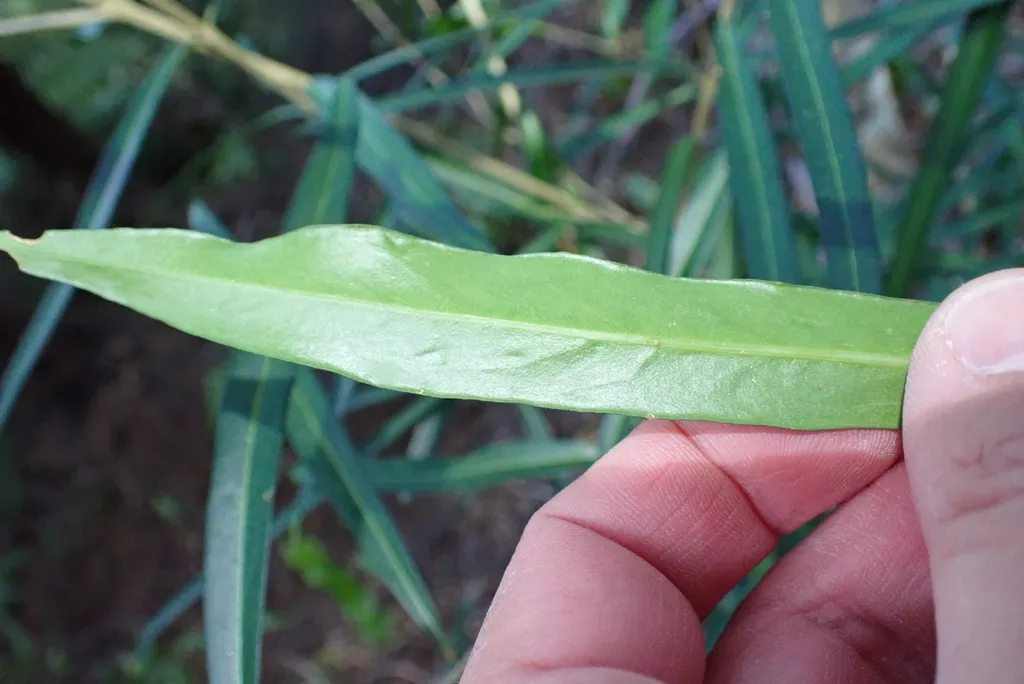
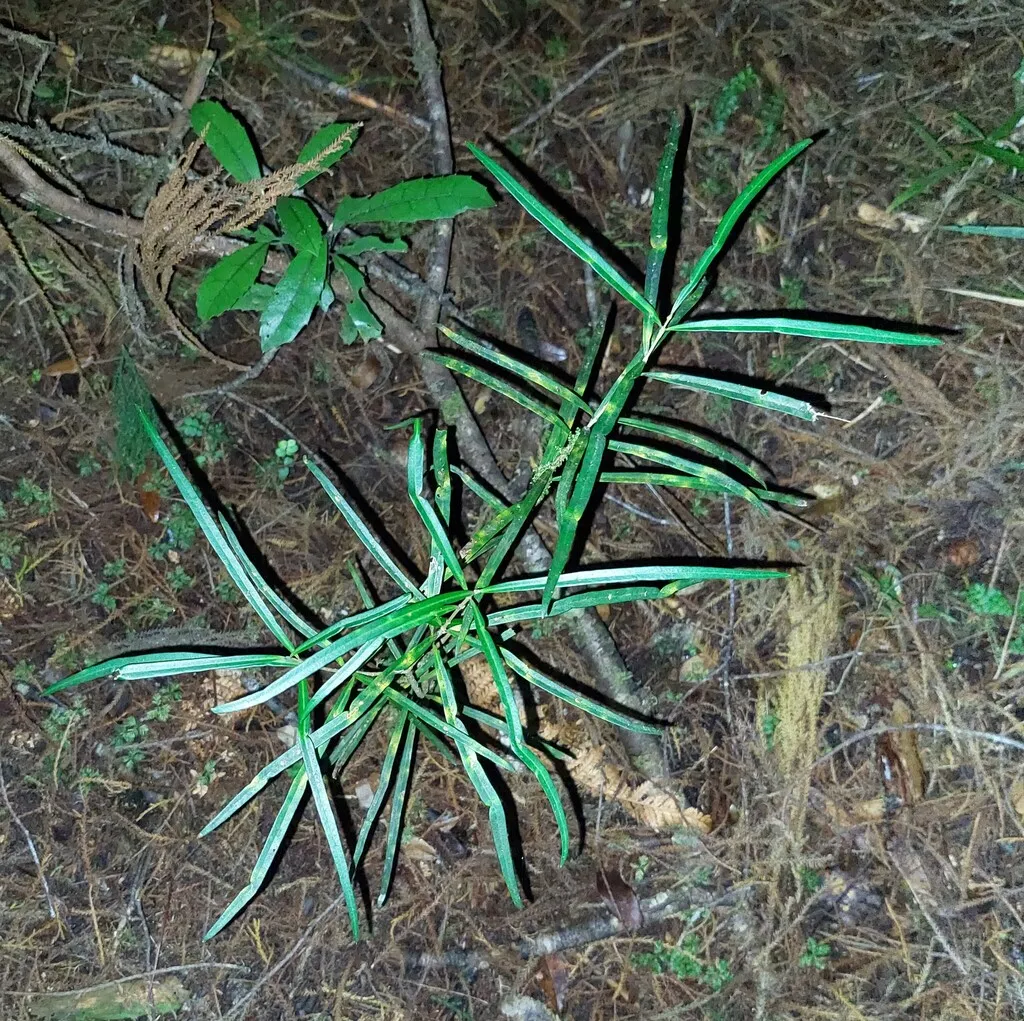
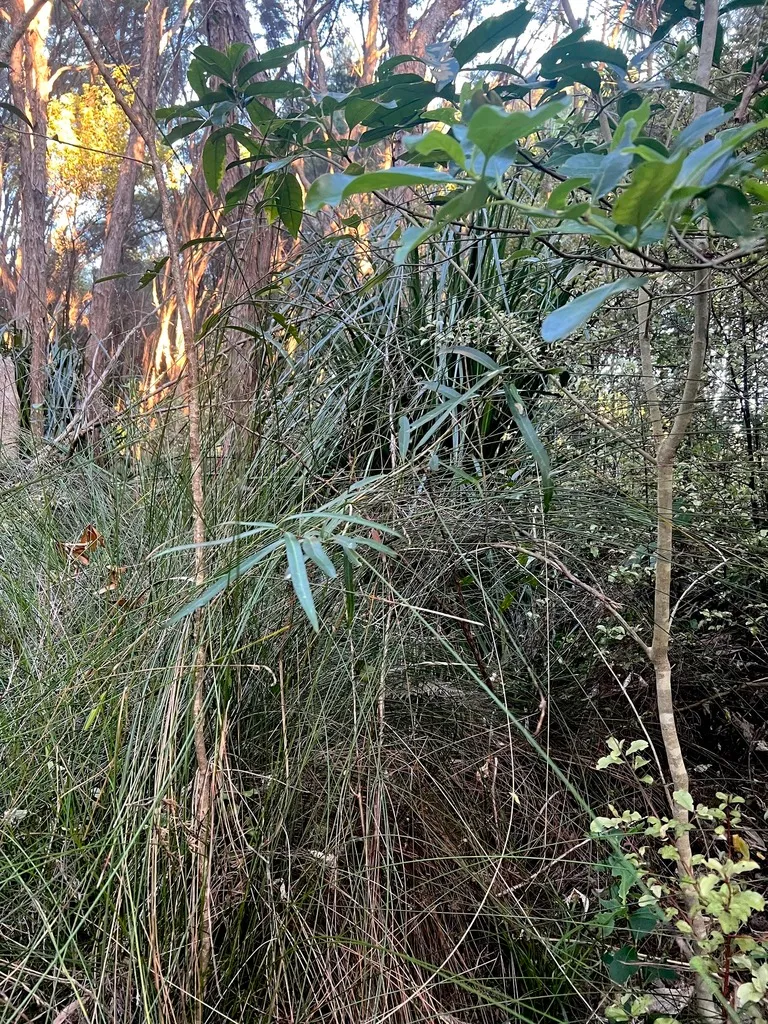
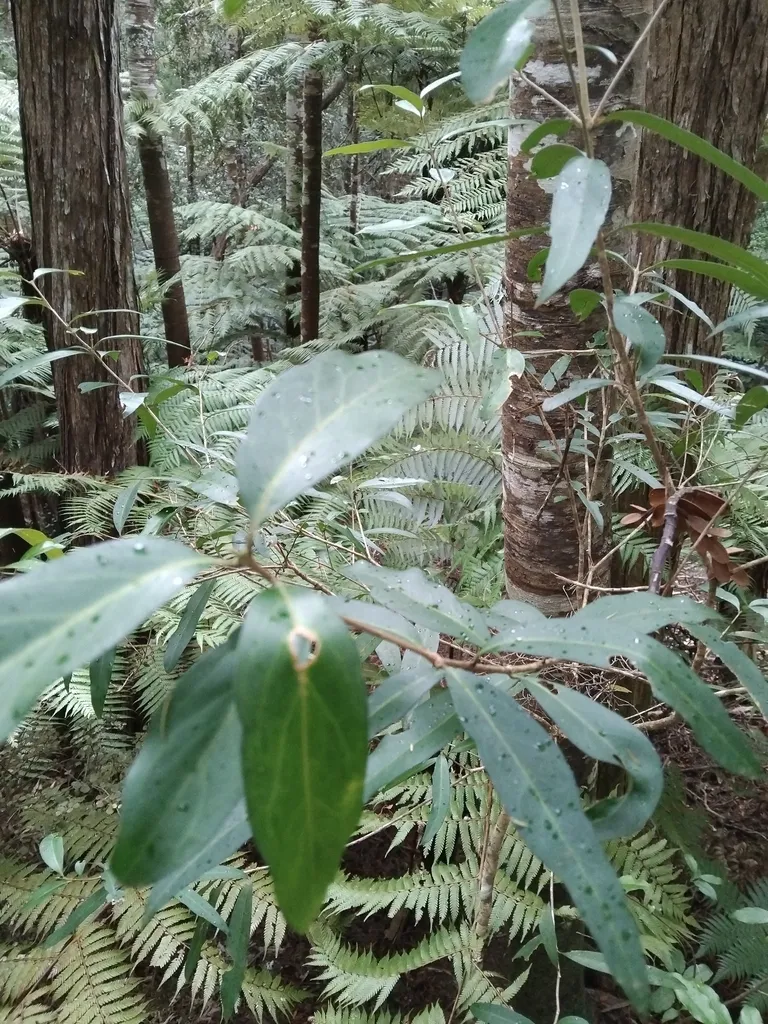
A slow-growing evergreen tree, to 15m high in its native environment but usually smaller in cultivation, and often multi-stemmed. It has pale, corky bark and narrowly lance-shaped, leathery dark green leaves. Clusters of small, inconspicuous flowers are produced in the leaf axils or directly from the branches in late spring, followed by green berries that slowly ripen to orange or red
Scientific classification
- Species
- white mare (Nestegis lanceolata)
- Genus
- Nestegis
- Family
- Oleaceae
- Information to be completed
- Toxicity
- Trees
- Plant type
- Higher than 12 metres
- Height
- wider than 8 metres
- Spread
- Evergreen
- Foliage
- Information to be completed
- Habit
- Spring · Summer · Autumn · Winter
- Season of interest
- Full sun · Partial shade
- Sunlight
- Information to be completed
- Ideal temperature









white mare pictures
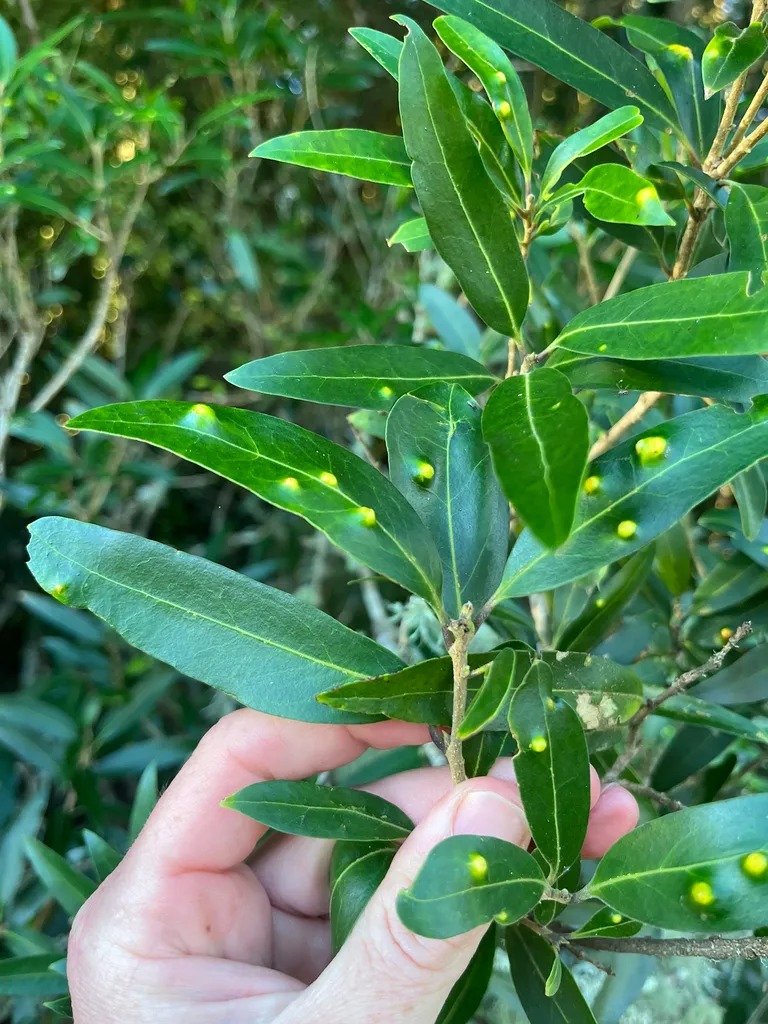
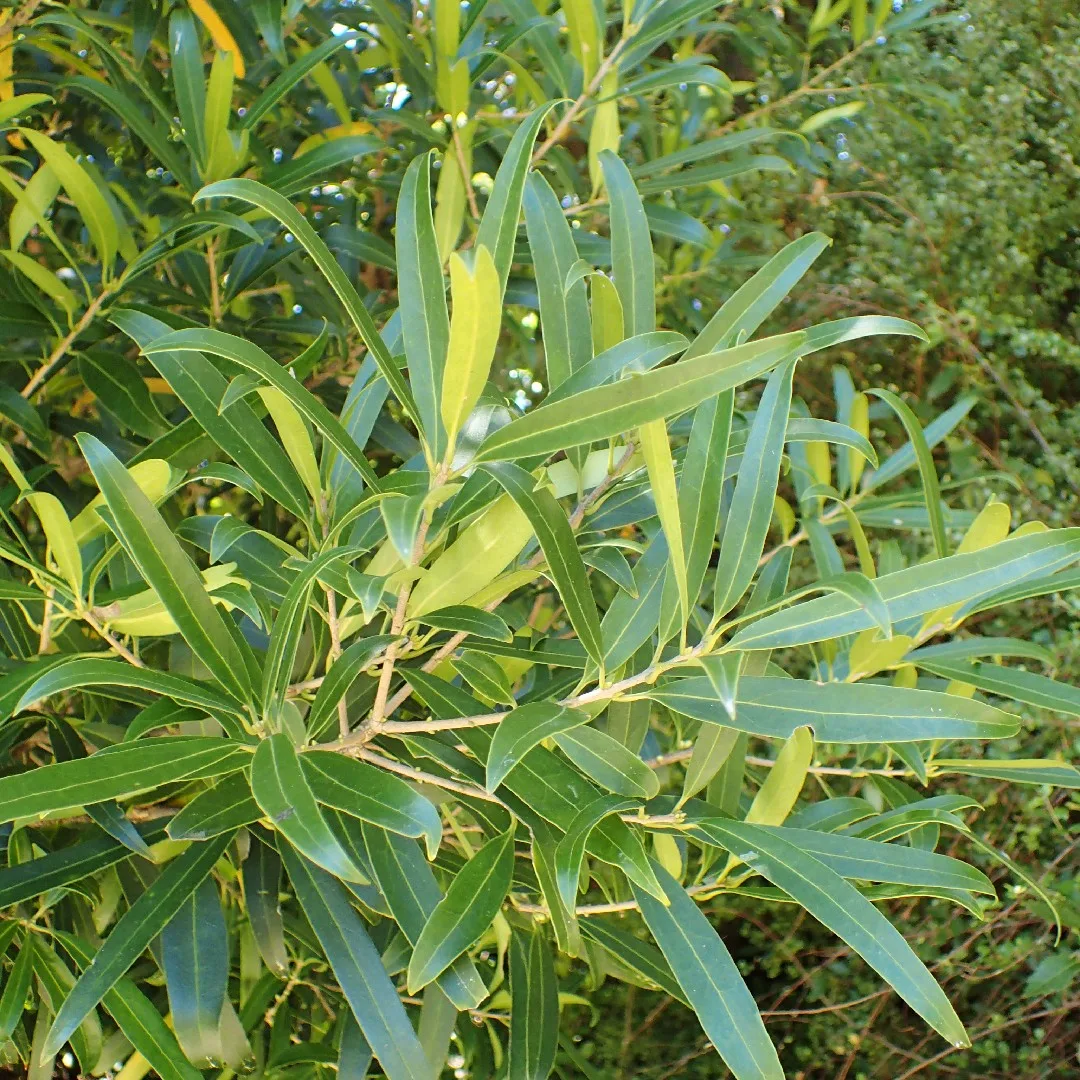
Distribution of white mare
Distribution map
- Native
- Introduced
- Cultivated
Source:WCVP v16 · Royal Botanic Gardens, Kew · CC BY 3.0 · Boundaries:WGSRPD / TDWG
Culture
Information to be completed
Toxicity
Information to be completed
Quick identification of white mare
Information to be completed
white mare care guide
- Moderate regular watering, allowing brief slight drying between soakings
- Watering
- Full sun · Partial shade
- Sunlight
- Information to be completed
- Ideal temperature

Watering
Moderate regular watering, allowing brief slight drying between soakings
Fertilizing
 Fertilizing
Balanced perennial feed every four weeks from spring through summer
Pruning
 Pruning
No pruning required
Propagation
 Propagation
Propagate by seed or by semi-ripe or hardwood cuttings
Growing
 Growing
Thrives in deep, rich, well-drained soil. A handsome specimen tree for warmer regions
People also ask
Information to be completed
Common pests and diseases
Diseases
May be susceptible to honey fungus
Pests
Generally pest-free
Explore the plant health library →




