
Hyacinthus orientalis 'Red Glory'
Also known as: Information to be completed
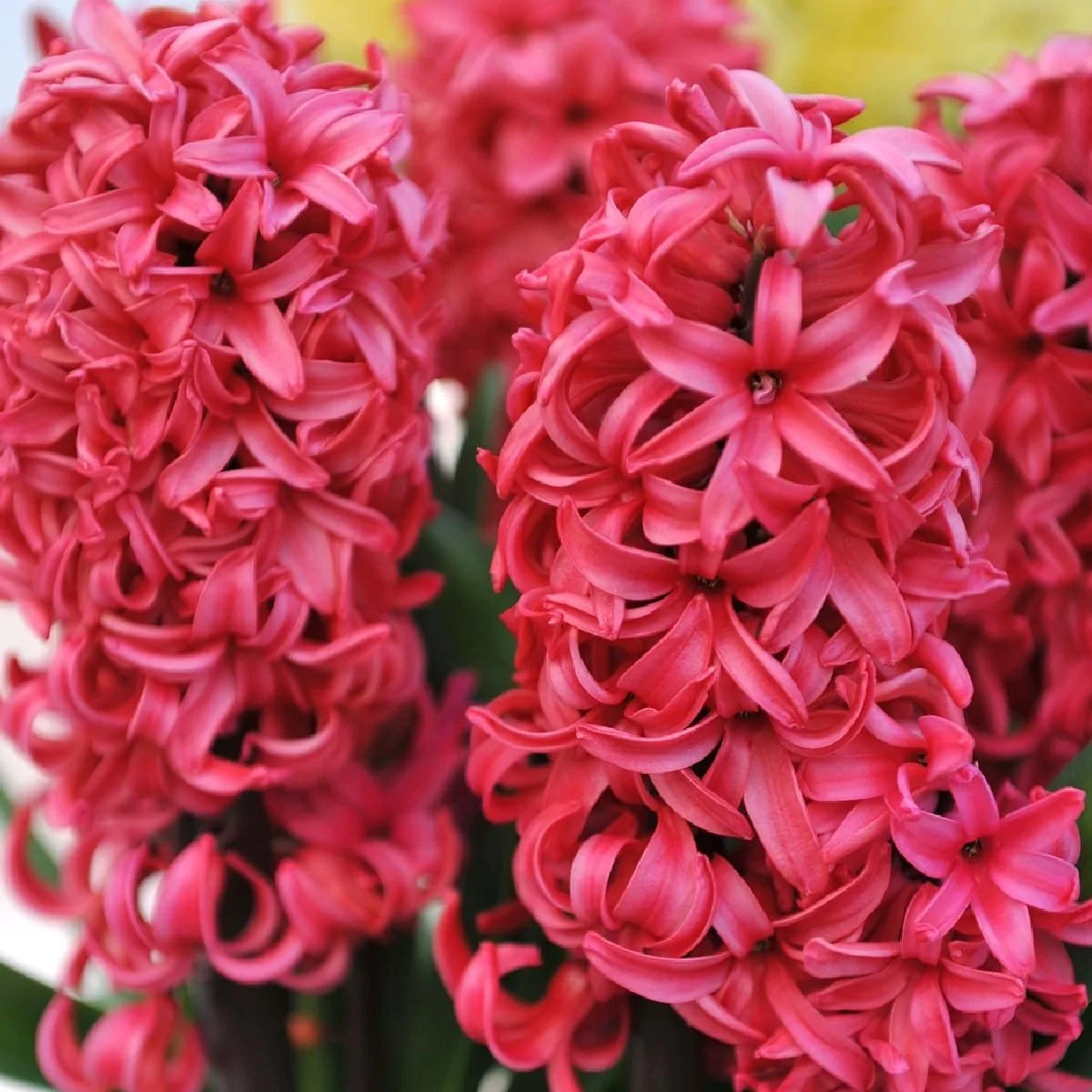
A bulbous perennial with upright, lance-shaped grey-green leaves. Upright tubular racemes of star-shaped fragrant bright red flowers appear in the March to April if grown outdoors or around February time if grown indoors
Scientific classification
- Species
- Hyacinthus orientalis 'Red Glory' (Hyacinthus orientalis 'Red Glory')
- Genus
- Hyacinthus
- Family
- Asparagaceae
- Order
- Asparagales
- Class
- Liliopsida
- Phylum
- Magnoliophyta
- Skin irritant. Wear gloves and other protective equipment when handling
- Toxicity
- Bulbs · Conservatory Greenhouse · Houseplants
- Plant type
- 0.1-0.5 metres
- Height
- 0.1-0.5 metres
- Spread
- Deciduous
- Foliage
- Columnar upright
- Habit
- Spring
- Season of interest
- Full sun · Partial shade
- Sunlight
- Information to be completed
- Ideal temperature









Hyacinthus orientalis 'Red Glory' pictures
Distribution of Hyacinthus orientalis 'Red Glory'
Distribution map
- Native
- Introduced
- Cultivated
Source:WCVP v16 · Royal Botanic Gardens, Kew · CC BY 3.0 · Boundaries:WGSRPD / TDWG
Toxicity
Skin irritant. Wear gloves and other protective equipment when handling
Hyacinthus orientalis 'Red Glory' care guide
- Moderate regular watering, avoid prolonged drought or waterlogging
- Watering
- Full sun · Partial shade
- Sunlight

Watering
Moderate regular watering, avoid prolonged drought or waterlogging
Fertilizing
 Fertilizing
Balanced feed in spring and light repeat in growth season
Pruning
 Pruning
No pruning required
Propagation
 Propagation
Propagate by removing offsets when dormant in summer
Growing
 Growing
Plant 10cm deep in autumn in any moderately fertile, humus-rich, well-drained soil. Will not flower in full shade. Protect container grown bulbs from excessive winter wet. Bulbs for indoor displays need to be specially prepared; plant labels will normally indicate whether the bulb is suitable for indoor use. See hyacinth cultivation
Common pests and diseases
Diseases
Generally disease-free
Pests
May be susceptible to slugs and snails
Explore the plant health library →




