
elm 'Wingham'
Also known as: Information to be completed
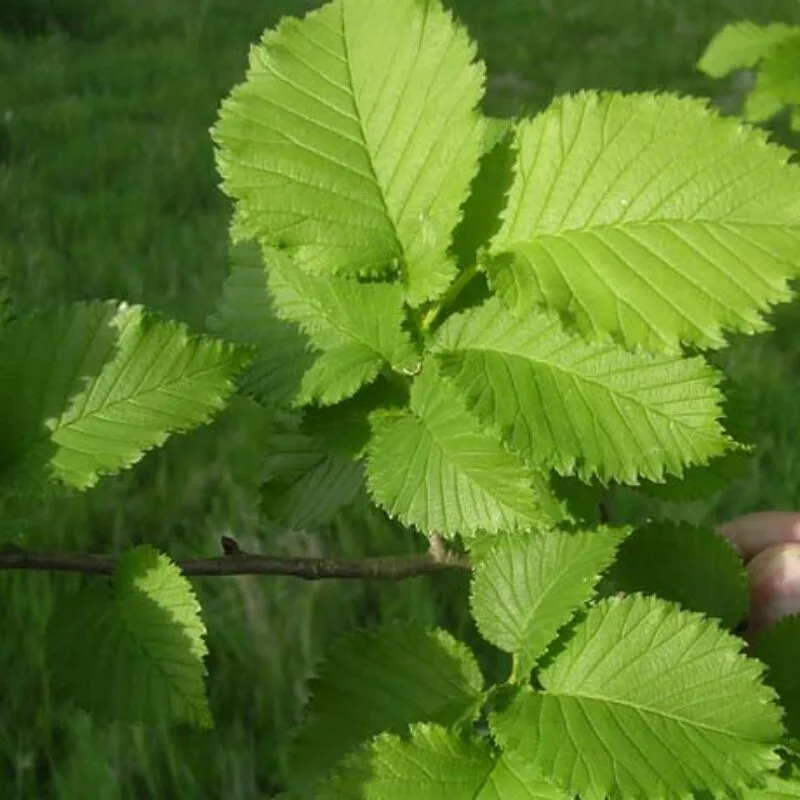
Stately, fast-growing, upright, deciduous tree, eventually growing to about 30m tall, with oval mid to dark green leaves that turn golden-yellow in autumn. Insignificant reddish-brown flowers are followed by brown winged fruits. Significant resistance to Dutch elm disease
Scientific classification
- Species
- elm 'Wingham' (Ulmus 'Wingham')
- Genus
- Ulmus
- Family
- Ulmaceae
- Order
- Rosales
- Class
- Magnoliopsida
- Phylum
- Magnoliophyta
- Information to be completed
- Toxicity
- Trees
- Plant type
- Higher than 12 metres
- Height
- wider than 8 metres
- Spread
- Deciduous
- Foliage
- Information to be completed
- Habit
- Autumn · Spring · Summer
- Season of interest
- Full sun · Partial shade
- Sunlight
- Information to be completed
- Ideal temperature









elm 'Wingham' pictures
elm 'Wingham' care guide
- Moderate regular watering, avoid prolonged drought or waterlogging
- Watering
- Full sun · Partial shade
- Sunlight

Watering
Moderate regular watering, avoid prolonged drought or waterlogging
Fertilizing
 Fertilizing
Balanced feed in spring and light repeat in growth season
Pruning
 Pruning
Little pruning is needed. Remove diseased, damaged, crowded or crossing shoots and unwanted growth. Timing depends on the plant: generally late winter or early spring; plants prone to bleeding and deciduous magnolias need different timing, and deciduous azaleas and lilacs are pruned after flowering.
Propagation
 Propagation
Propagate by softwood cuttings in summer. Chip budding and grafting may also be used
Growing
 Growing
Grow in any well drained soil in full sun or partial shade\r\nNote: this elm is an excellent host for the rare and endangered UK native White-letter Hairstreak butterfly that rely on elm trees for breeding habitat
Common pests and diseases
Diseases
A recent elm hybrid introduction, bred for its exceptional resistance to Dutch elm disease. May be susceptible to coral spot, honey fungus and phytophthora
Pests
May be susceptible to aphids, bark beetles, horse chestnut scale and elm gall mites
Explore the plant health library →




