
Russian sage
Also known as: Information to be completed
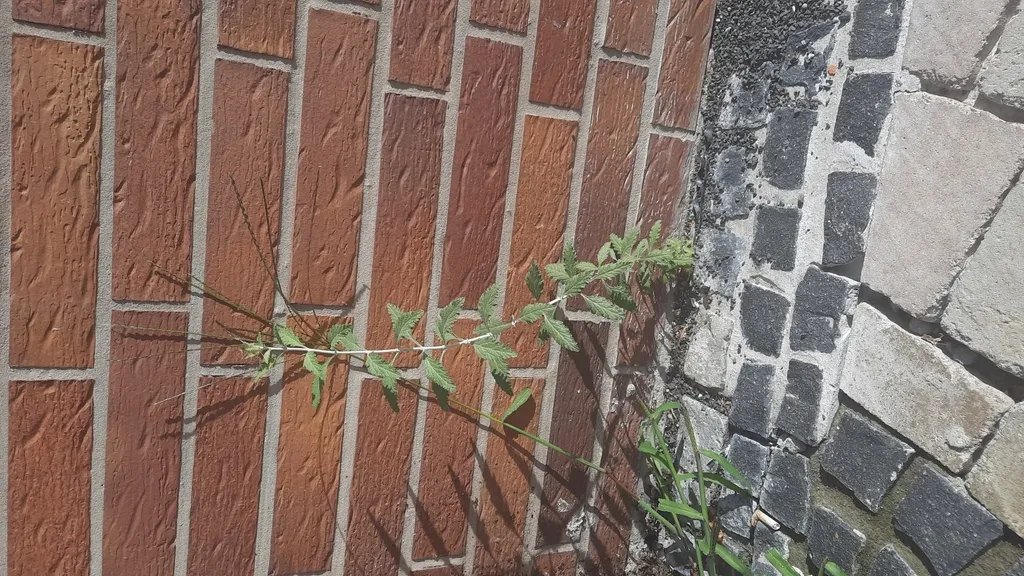
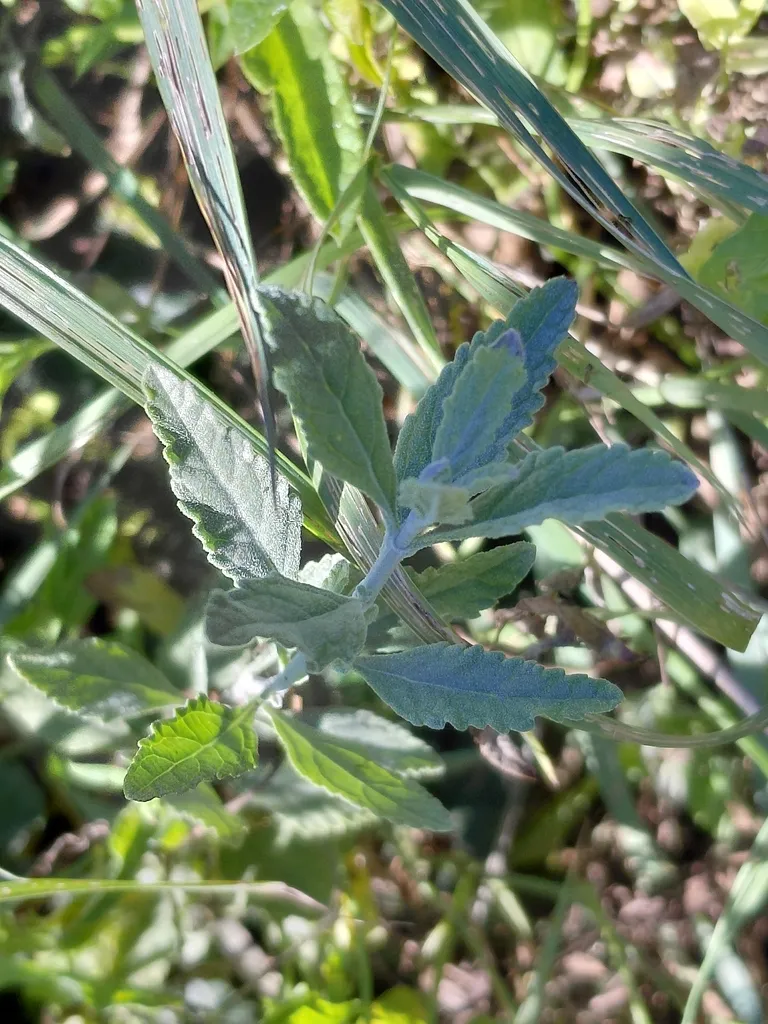
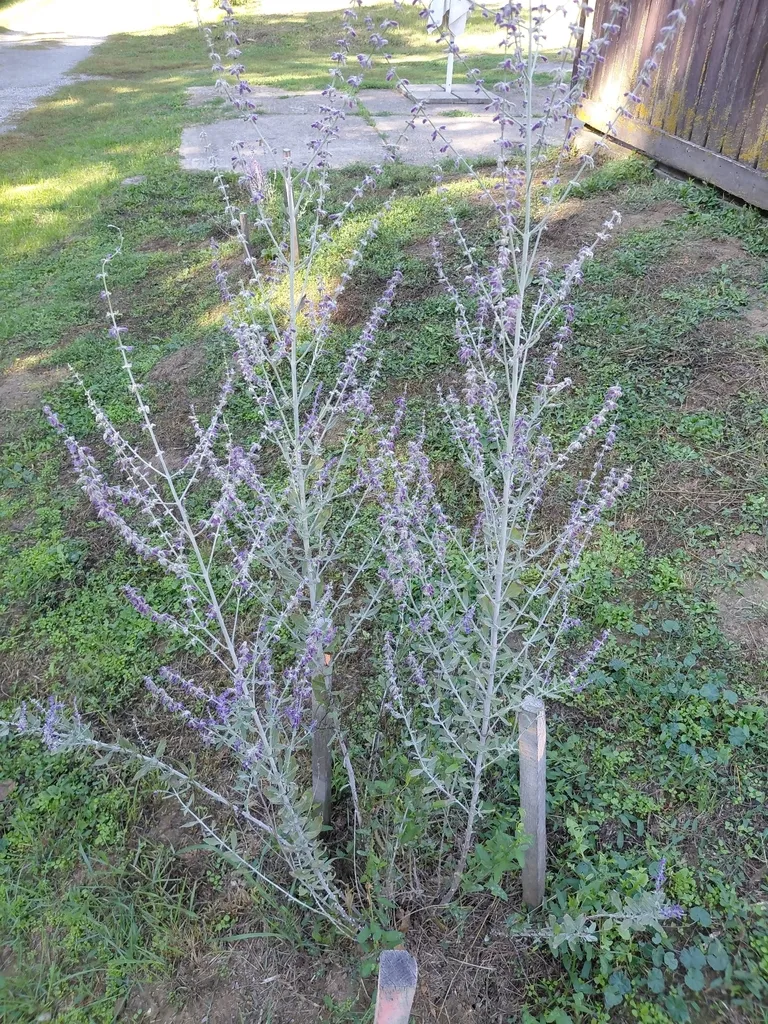
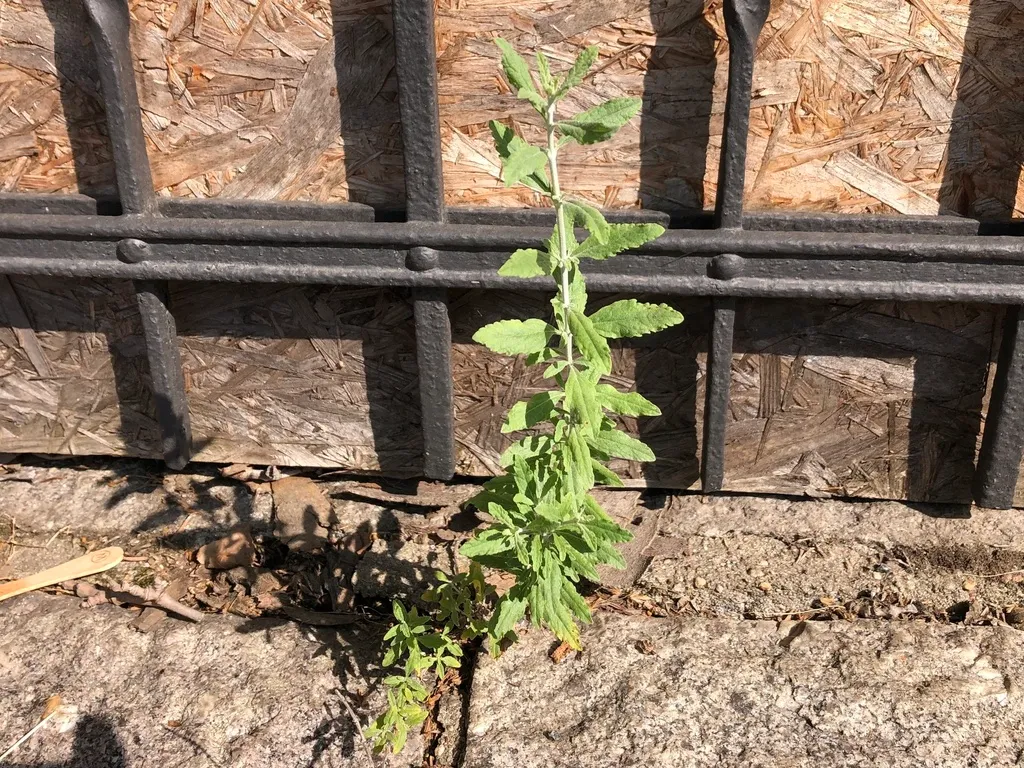
A bushy, woody-based deciduous perennial to 1.2m tall, with upright white stems bearing finely divided grey-green leaves to 5cm long, and long terminal panicles of tiny blue flowers in late summer and early autumn
Scientific classification
- Species
- Russian sage (Salvia yangii)
- Genus
- Salvia
- Family
- Lamiaceae
- Order
- Lamiales
- Class
- Magnoliopsida
- Phylum
- Tracheophyta
- Information to be completed
- Toxicity
- Shrubs
- Plant type
- 1-1.5 metres
- Height
- 0.5-1 metres
- Spread
- Deciduous
- Foliage
- Bushy
- Habit
- Spring · Summer · Autumn
- Season of interest
- Full sun
- Sunlight
- Information to be completed
- Ideal temperature









Russian sage pictures
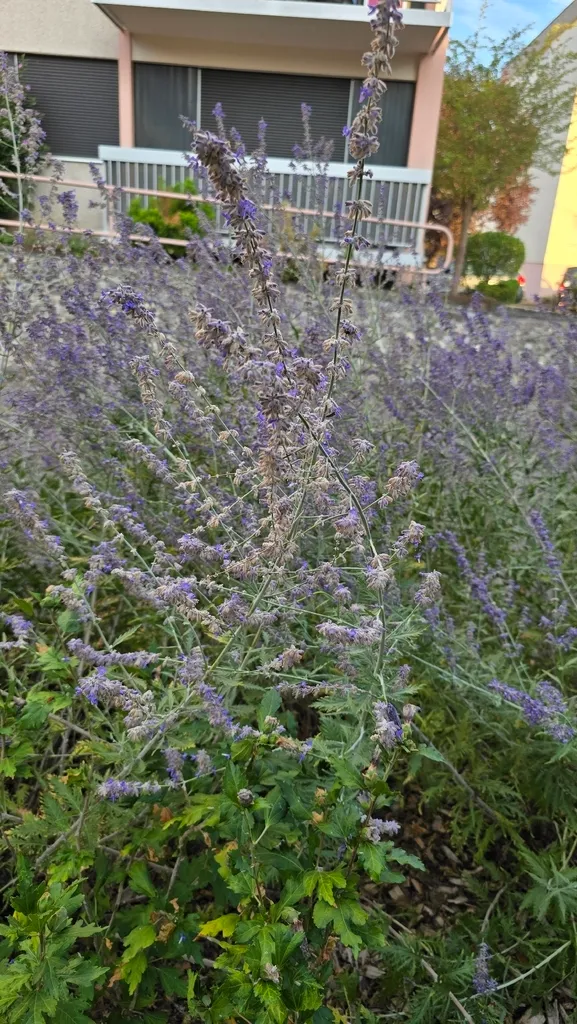
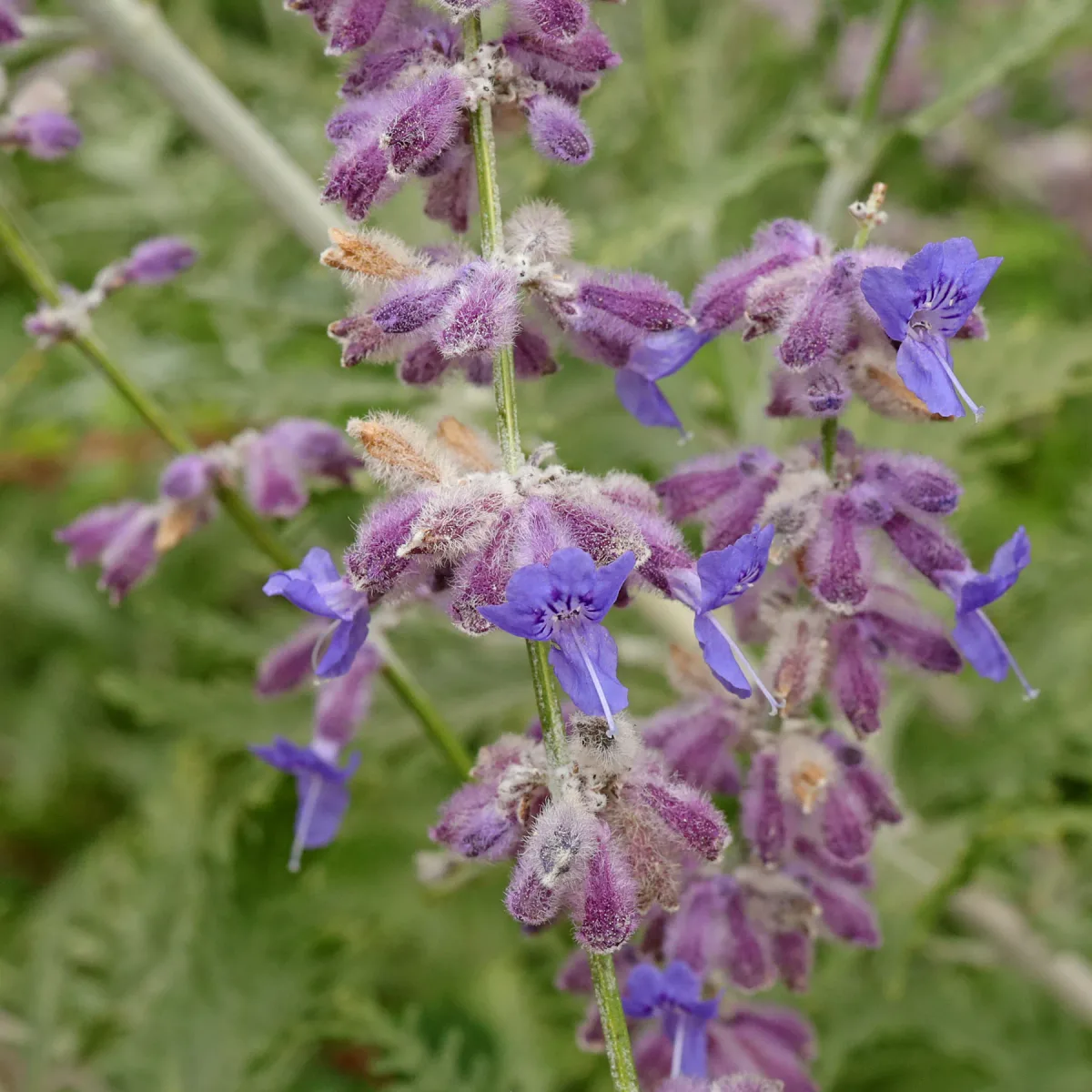
Distribution of Russian sage
Distribution map
- Native
- Introduced
- Cultivated
Source:WCVP v16 · Royal Botanic Gardens, Kew · CC BY 3.0 · Boundaries:WGSRPD / TDWG
Russian sage care guide
- Water moderately, let upper soil dry between waterings
- Watering
- Full sun
- Sunlight

Watering
Water moderately, let upper soil dry between waterings
Fertilizing
 Fertilizing
Light balanced feed in spring and during bloom flush
Pruning
 Pruning
Shorten last year's flowering stems to one or two buds from the older woody framework. Remove thin, weak and dead shoots. Prune in early to mid-spring as growth resumes; avoid winter pruning that exposes new shoots to frost.
Propagation
 Propagation
Propagate by softwood cuttings in late spring or semi-ripe cuttings in summer
Growing
 Growing
Grow in well-drained, poor to moderately fertile soil in full sun, tolerant of dry chalky soil and coastal conditions
Common pests and diseases
Diseases
May be susceptible to honey fungus (rarely), powdery mildews, verticillium wilt and foot and root rots
Pests
Generally pest-free
Explore the plant health library →




