
melancholy thistle
Also known as: Information to be completed
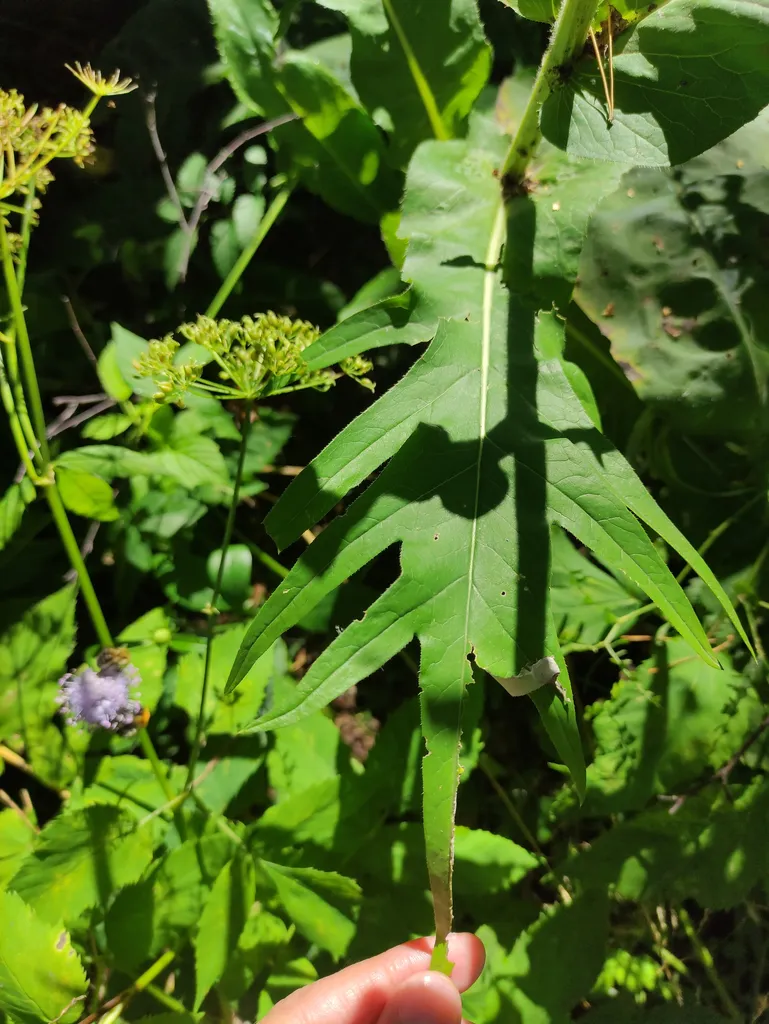
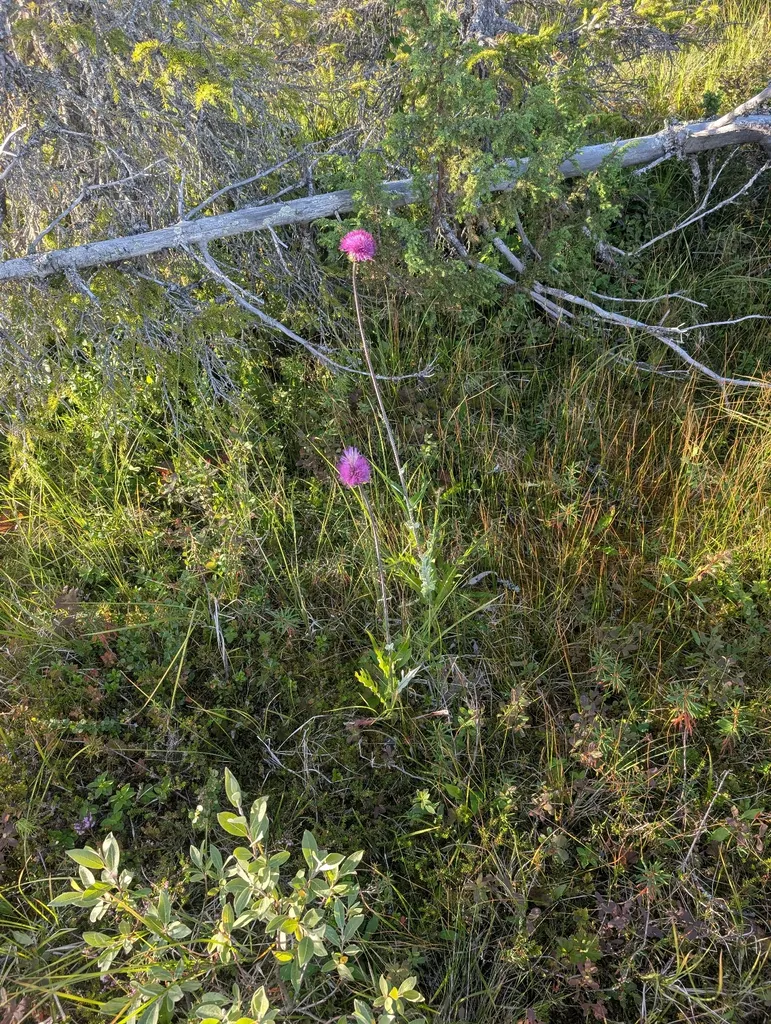
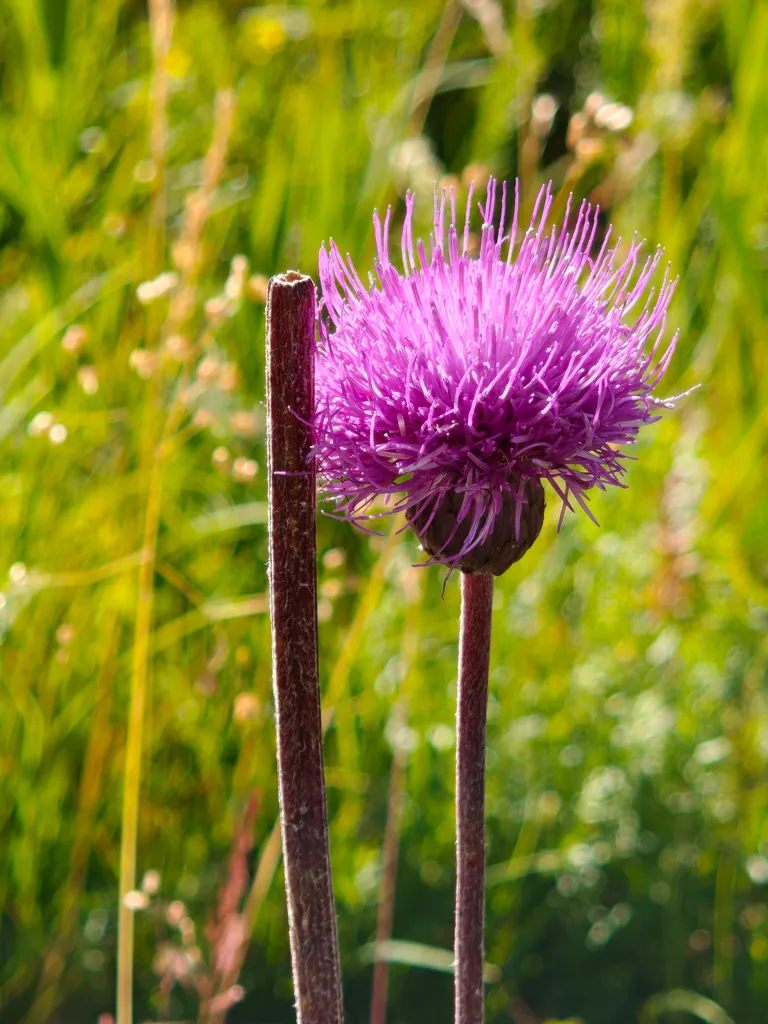
A clump-forming, spreading perennial up to 1.2m tall. The lance-shaped, green leaves have softly-spiny edges and white-felted undersides. In summer, purple-pink spherical flower heads 3-5cm across are borne on erect, woolly-textured stems
Scientific classification
- Species
- melancholy thistle (Cirsium heterophyllum)
- Genus
- Cirsium
- Family
- Asteraceae
- Order
- Asterales
- Class
- Magnoliopsida
- Phylum
- Tracheophyta
- Information to be completed
- Toxicity
- Herbaceous Perennial
- Plant type
- 1-1.5 metres
- Height
- 0.1-0.5 metres
- Spread
- Deciduous
- Foliage
- Columnar upright
- Habit
- Spring · Summer · Autumn
- Season of interest
- Full sun · Partial shade
- Sunlight
- Information to be completed
- Ideal temperature









melancholy thistle pictures
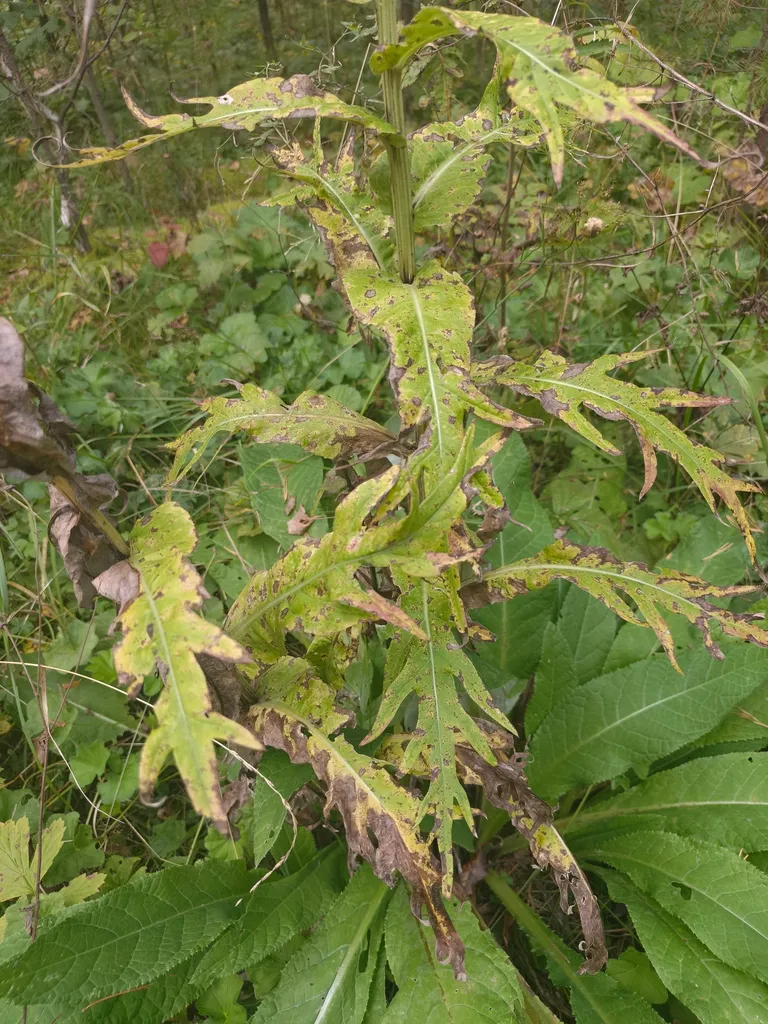
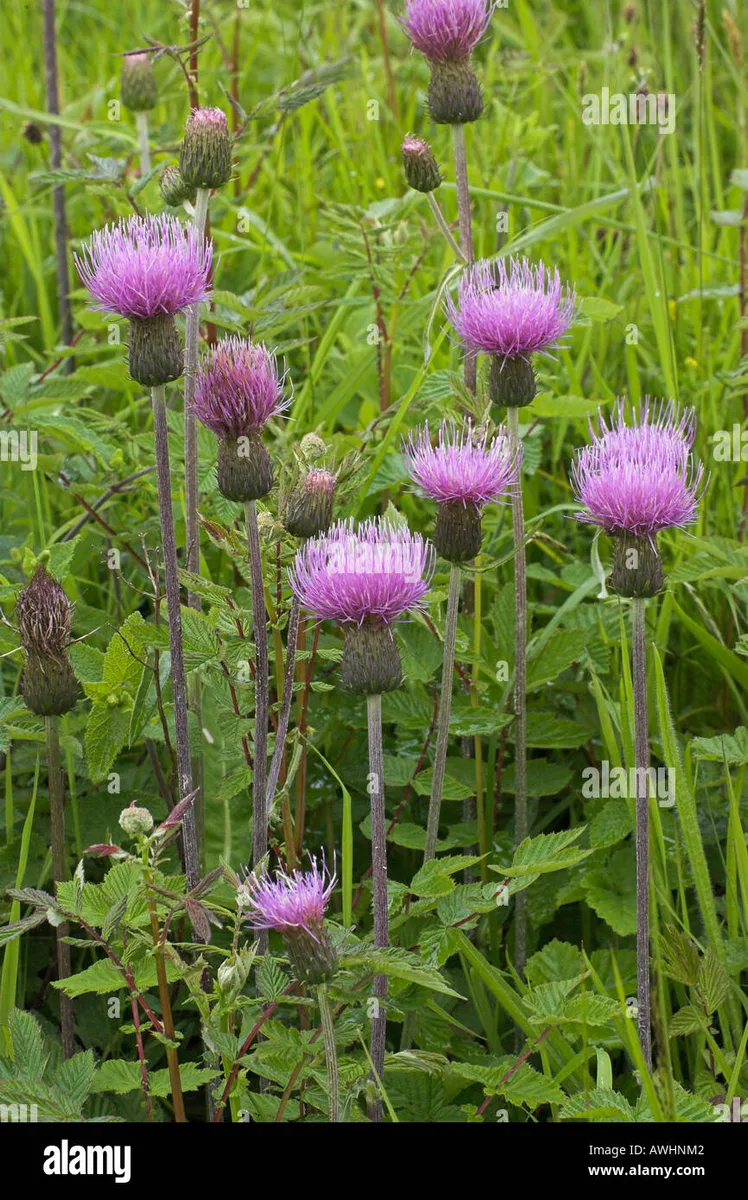
Distribution of melancholy thistle
Distribution map
- Native
- Introduced
- Cultivated
Source:WCVP v16 · Royal Botanic Gardens, Kew · CC BY 3.0 · Boundaries:WGSRPD / TDWG
melancholy thistle care guide
- Consistently lightly moist soil, avoid full root ball dehydration entirely
- Watering
- Full sun · Partial shade
- Sunlight

Watering
Consistently lightly moist soil, avoid full root ball dehydration entirely
Fertilizing
 Fertilizing
Weak balanced wild perennial feed monthly spring active growth season
Pruning
 Pruning
If self-seeding is a problem then cut back hard after flowering
Propagation
 Propagation
Propagate by seed sown in pots in a cold frame in spring or by division in spring
Growing
 Growing
Grow in a moist but well-drained soil in full sun; can tolerate some dryness and partial shade
Common pests and diseases
Diseases
Generally trouble free but powdery mildews may be a problem
Pests
Generally pest-free
Explore the plant health library →




