
Cirsium purpuratum
Also known as: Information to be completed
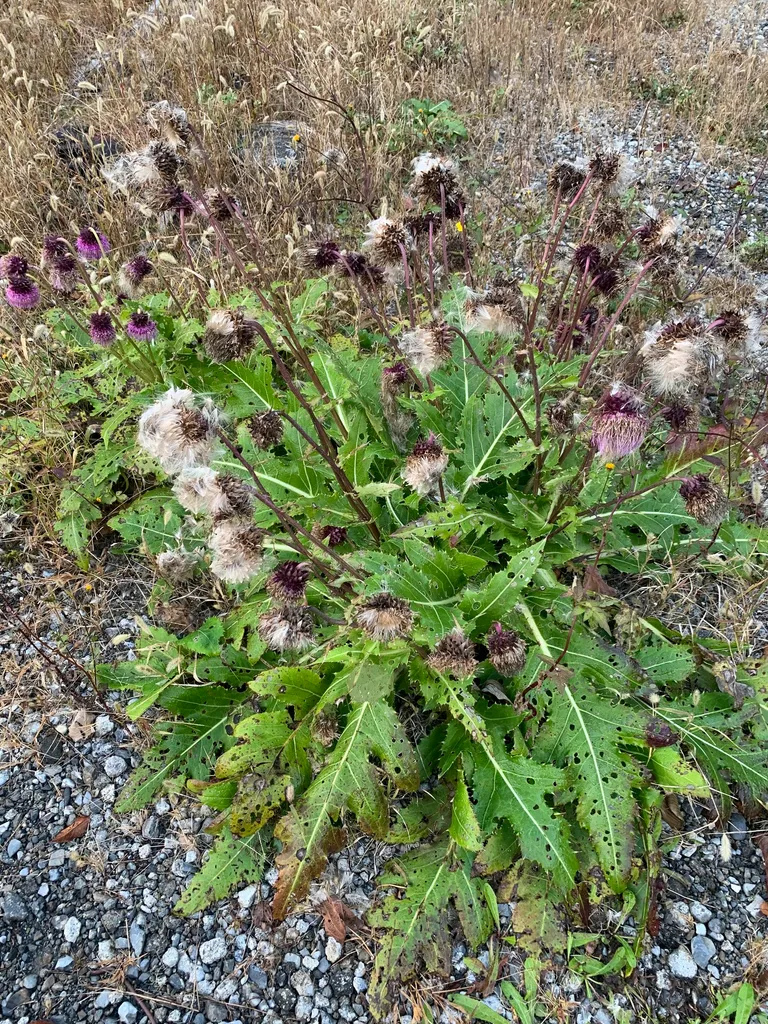
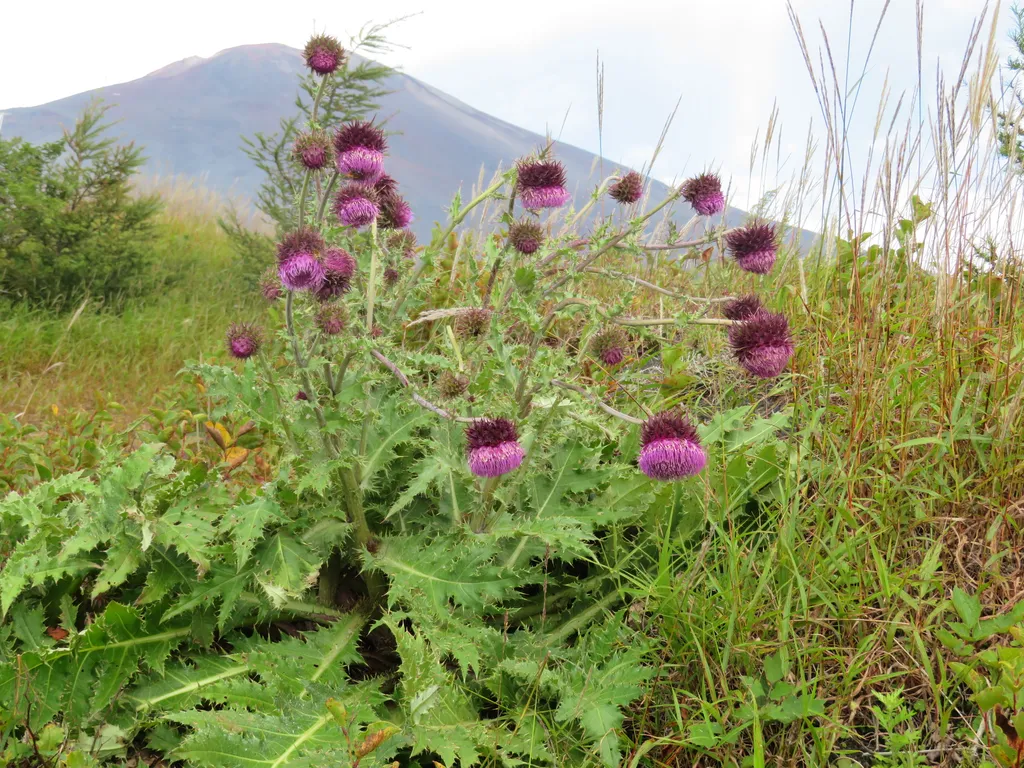
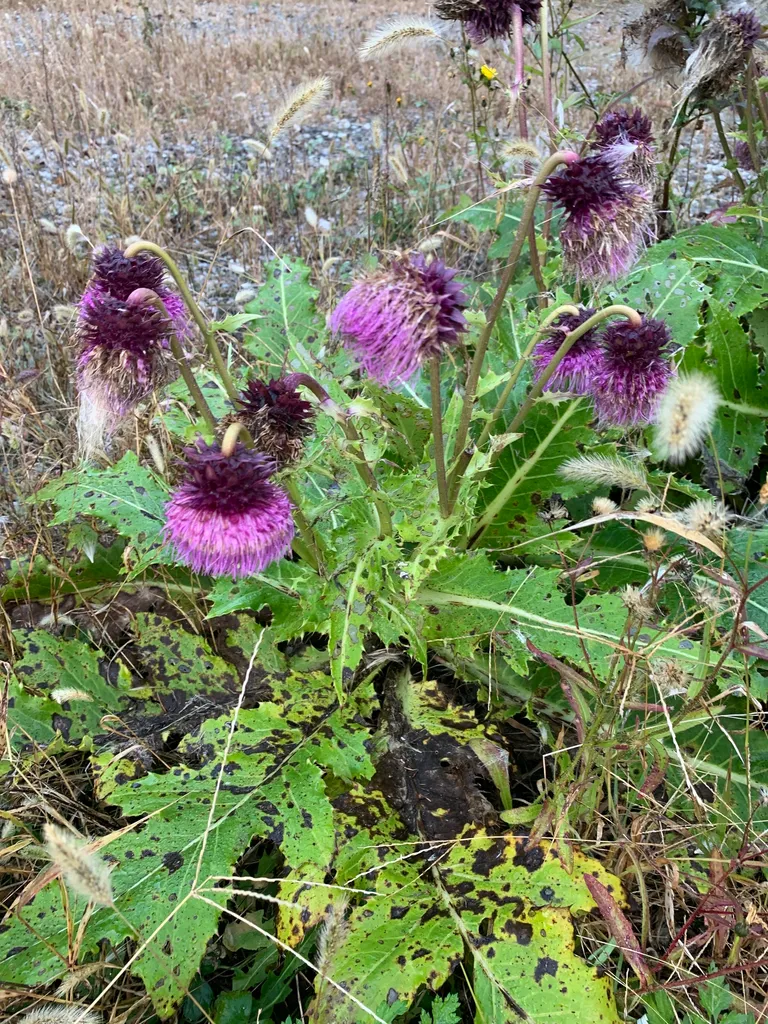
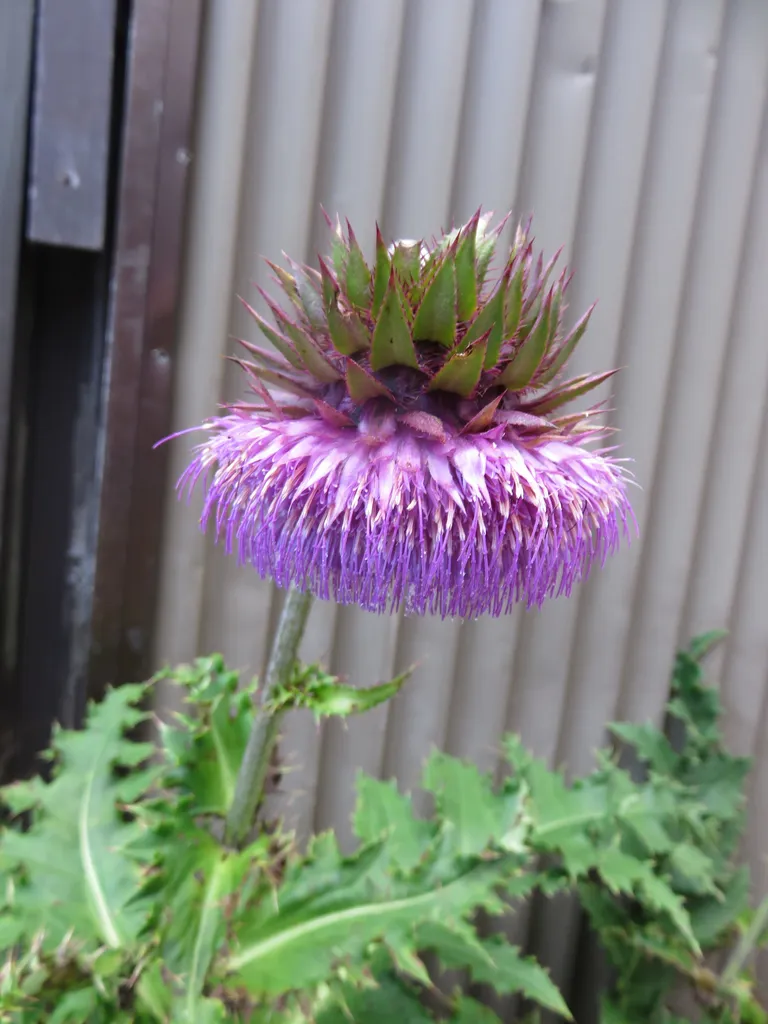
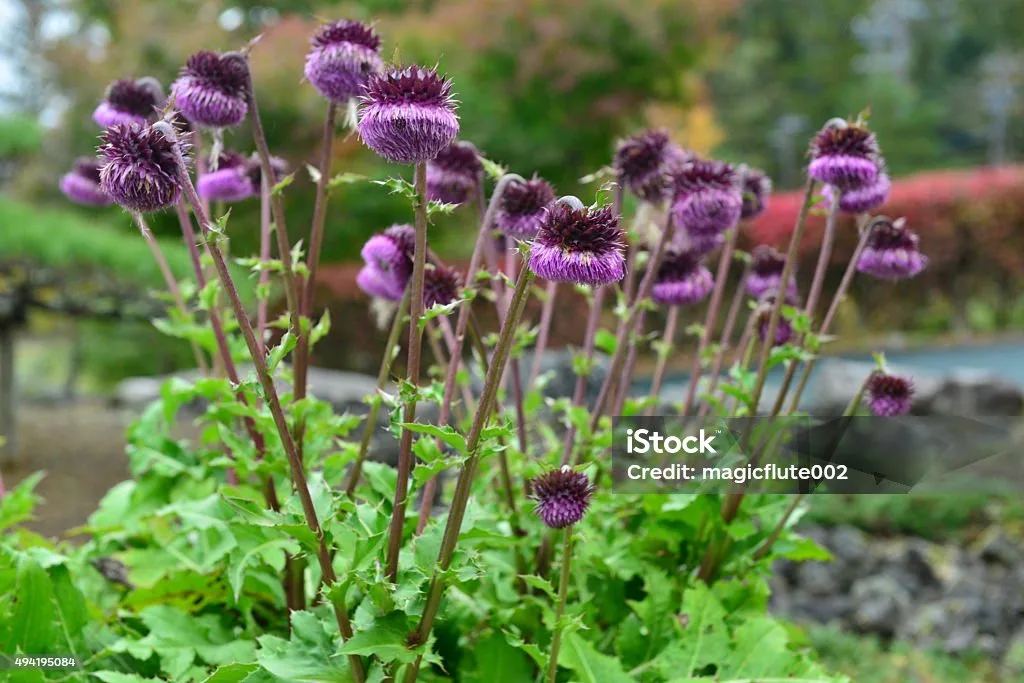
A short-lived herbaceous perennial, up to around 1m high, with lobed, spiny, dark green leaves up to 70cm long at the base of the plant, decreasing in size up the stems. In late summer, produces large, nodding flower heads, with recurved, spiny bracts and masses of fine, purple-pink florets. Flowers are followed by fluffy seed heads
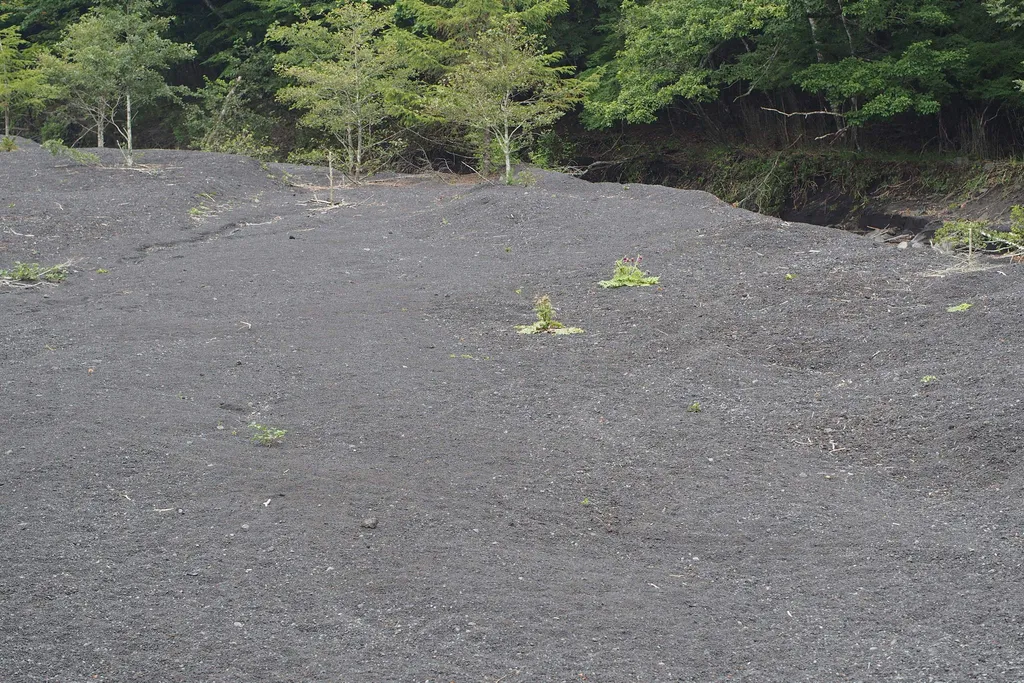
Scientific classification
- Species
- Cirsium purpuratum (Cirsium purpuratum)
- Genus
- Cirsium
- Family
- Asteraceae
- Order
- Asterales
- Class
- Magnoliopsida
- Phylum
- Tracheophyta
- Information to be completed
- Toxicity
- Herbaceous Perennial
- Plant type
- 0.5-1 metres
- Height
- 0.5-1 metres
- Spread
- Deciduous
- Foliage
- Clump forming · Columnar upright
- Habit
- Spring · Summer · Autumn
- Season of interest
- Full sun
- Sunlight
- Information to be completed
- Ideal temperature









Cirsium purpuratum pictures
Distribution of Cirsium purpuratum
Distribution map
- Native
- Introduced
- Cultivated
Source:WCVP v16 · Royal Botanic Gardens, Kew · CC BY 3.0 · Boundaries:WGSRPD / TDWG
Cirsium purpuratum care guide
- Moderate regular watering, allowing brief slight drying between soakings
- Watering
- Full sun
- Sunlight

Watering
Moderate regular watering, allowing brief slight drying between soakings
Fertilizing
 Fertilizing
Balanced perennial feed every four weeks from spring through summer
Pruning
 Pruning
Deadhead if seed is not required
Propagation
 Propagation
Propagate by seed, or by division in autumn or early spring
Growing
 Growing
Thrives in well-drained soil in full sun; a good option for sandy slopes or gravel or scree gardens
Common pests and diseases
Diseases
May be susceptible to powdery mildews
Pests
Generally pest-free
Explore the plant health library →




