
Salvia granatensis
Also known as: Information to be completed
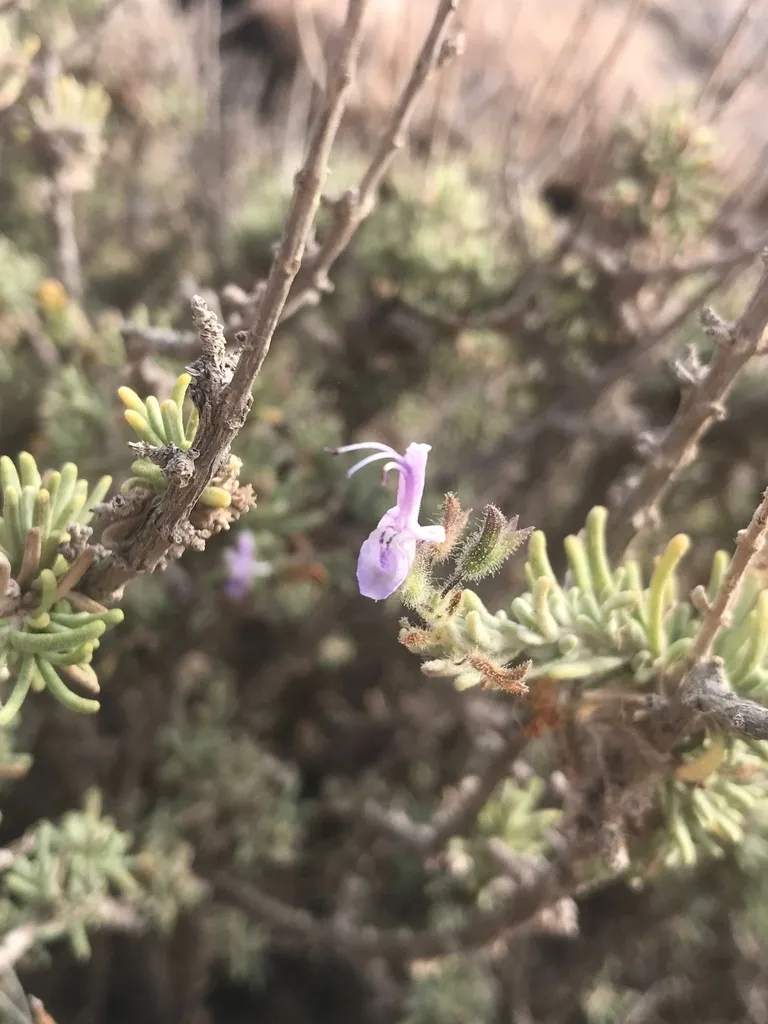
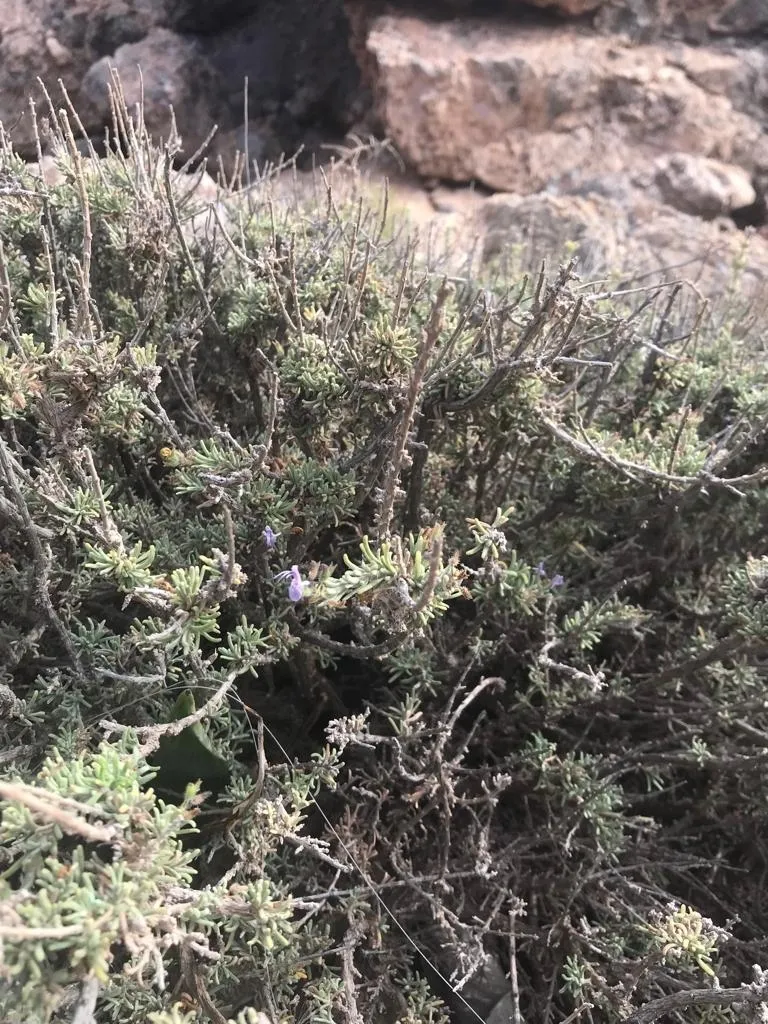
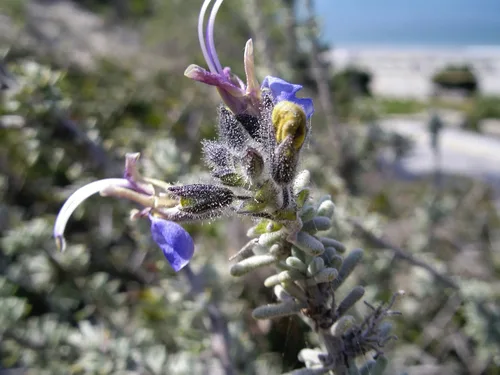
A bushy shrub from southern Spain, exclusively endemic to Granada, is an endangered species commonly named white rosemary. It grows maily in limestone cliff sea sides and has a dense habit with woolly, silvery-green linear leaves. Has violet-blue lipped flowers with a brown upper lip in late winter and early spring.
Scientific classification
- Species
- Salvia granatensis (Salvia granatensis)
- Genus
- Salvia
- Family
- Lamiaceae
- Order
- Lamiales
- Class
- Magnoliopsida
- Phylum
- Tracheophyta
- Information to be completed
- Toxicity
- Shrubs
- Plant type
- 0.1-0.5 metres
- Height
- 0.1-0.5 metres
- Spread
- Evergreen
- Foliage
- Bushy
- Habit
- Spring · Summer · Autumn · Winter
- Season of interest
- Full sun
- Sunlight
- Information to be completed
- Ideal temperature









Salvia granatensis pictures
Distribution of Salvia granatensis
Distribution map
- Native
- Introduced
- Cultivated
Source:WCVP v16 · Royal Botanic Gardens, Kew · CC BY 3.0 · Boundaries:WGSRPD / TDWG
Salvia granatensis care guide
- Moderate regular watering, allowing brief slight drying between soakings
- Watering
- Full sun
- Sunlight

Watering
Moderate regular watering, allowing brief slight drying between soakings
Fertilizing
 Fertilizing
Balanced perennial feed every four weeks from spring through summer
Pruning
 Pruning
Prune lightly as needed to remove unwanted shoots and keep the shrub in shape. Prune in mid- to late spring.
Propagation
 Propagation
Propagate by semi-hardwood cuttings
Growing
 Growing
Will grow well in coastal settings preferably in chalky rocky soil in full sun. It benefits from the salt spray from the sea.
Common pests and diseases
Diseases
High Risk Host for Xylella fastidiosa. May be susceptible to honey fungus (rarely), powdery mildews, verticillium wilt and foot and root rots
Pests
Generally pest-free
Explore the plant health library →




