
mouse-ear gypsophila
Also known as: Information to be completed
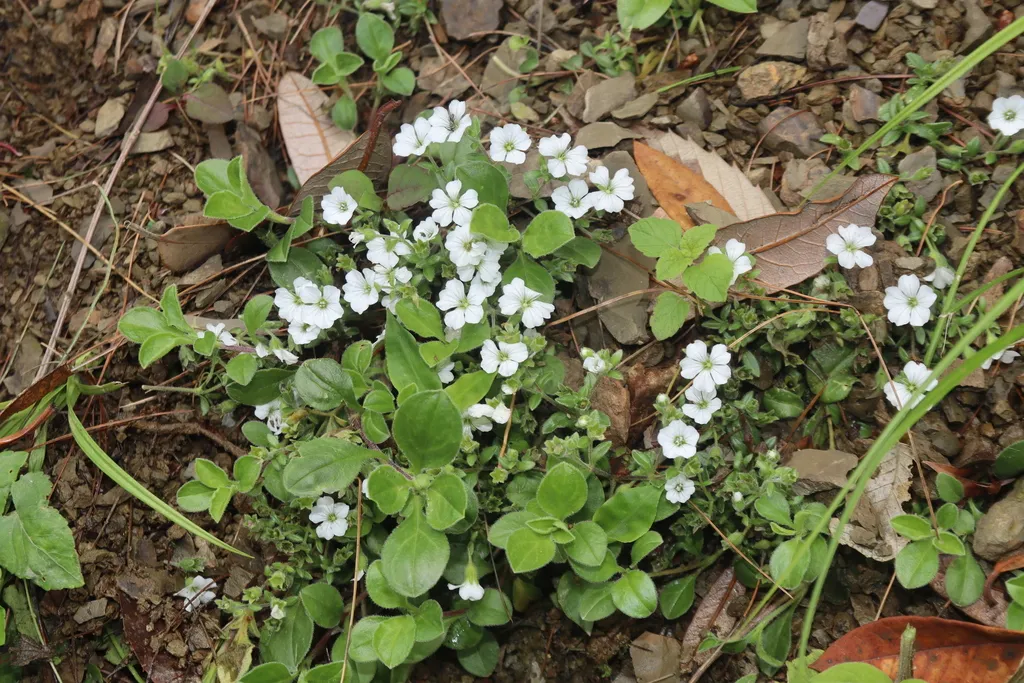
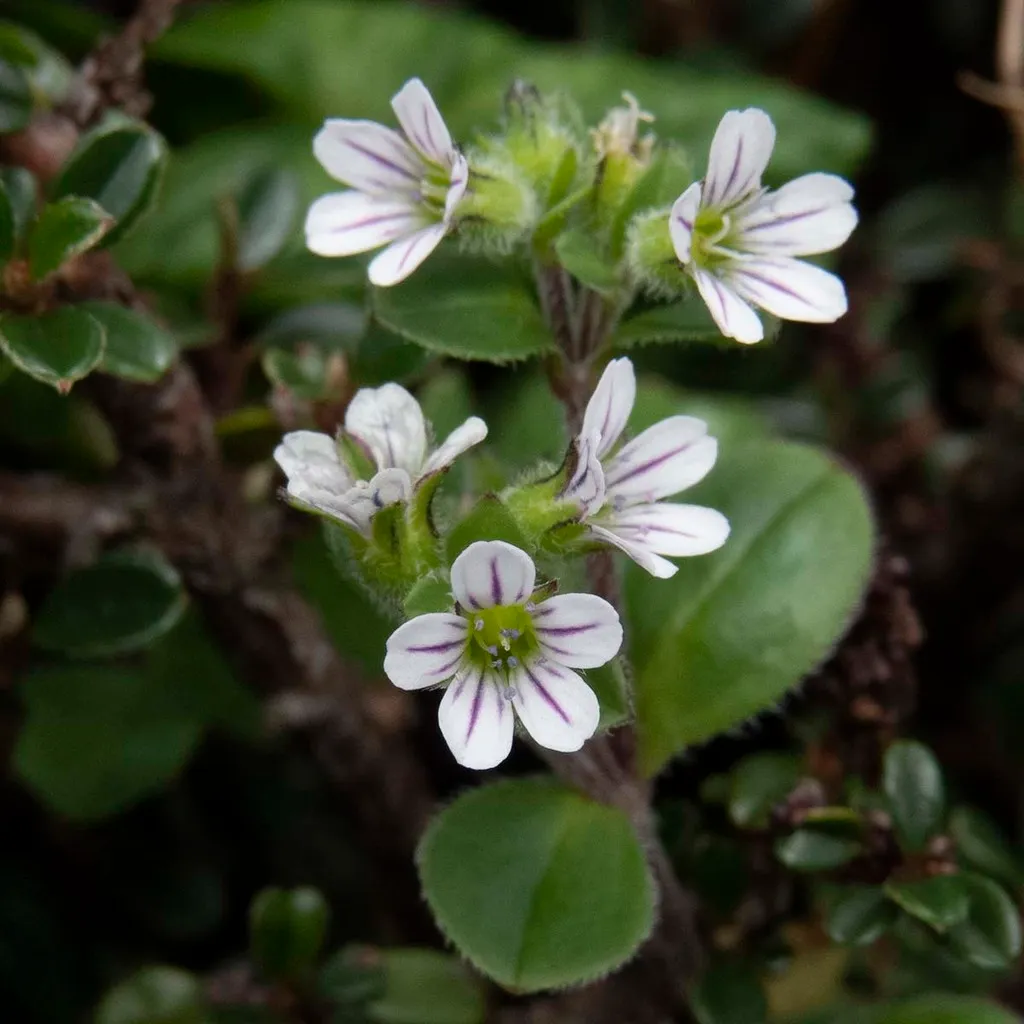
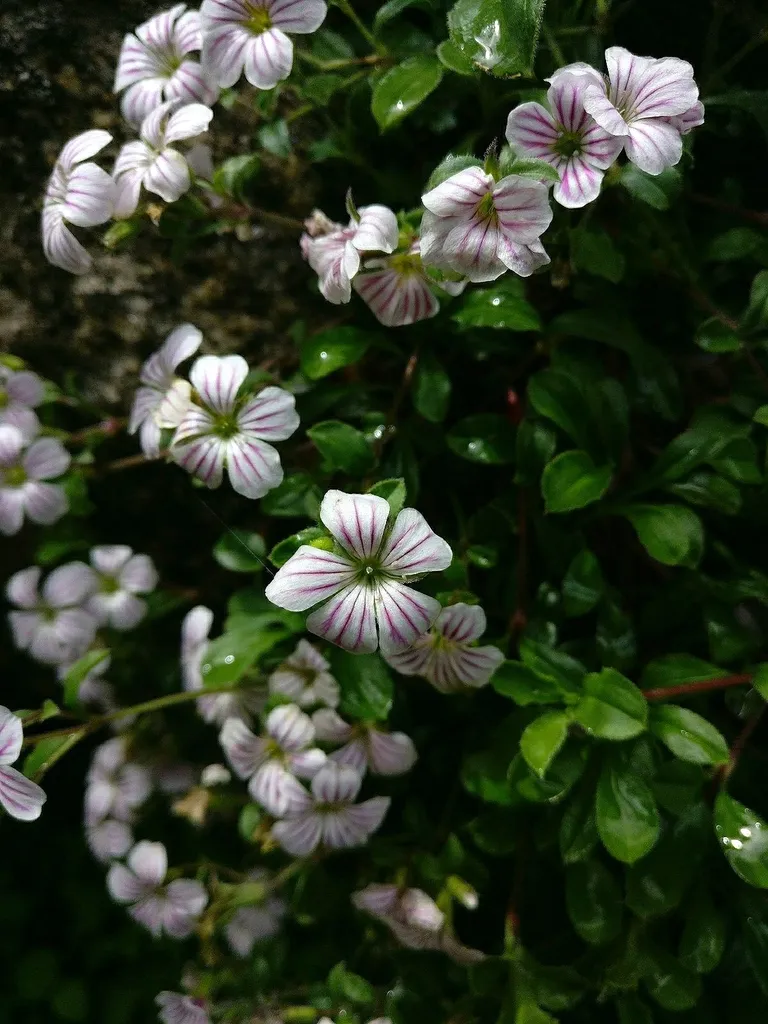
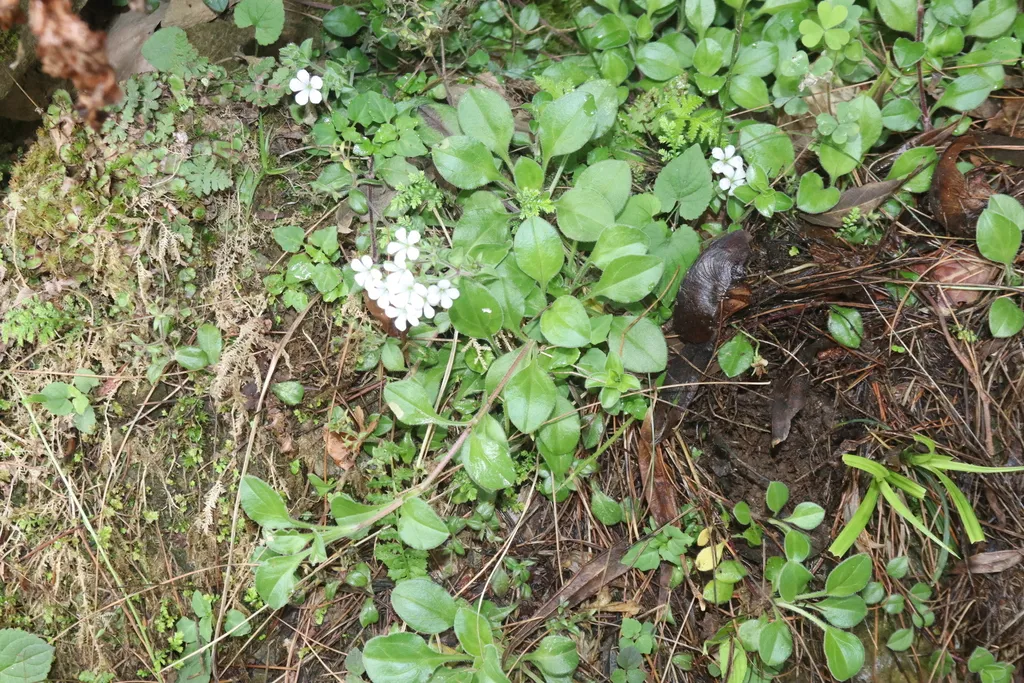
A mat-forming, semi-evergreen perennial 5cm tall, with tufts of grey-green hairy leaves to 10mm long and bearing panicles of shallow, trumpet-shaped white flowers, veined and tinged pink, produced over long periods from late spring to summer
Scientific classification
- Species
- mouse-ear gypsophila (Acanthophyllum cerastioides)
- Genus
- Acanthophyllum
- Family
- Caryophyllaceae
- Information to be completed
- Toxicity
- Herbaceous Perennial · Alpine Rockery
- Plant type
- Up to 10 cm
- Height
- 0.1-0.5 metres
- Spread
- Semi evergreen
- Foliage
- Matforming
- Habit
- Spring · Summer · Autumn · Winter
- Season of interest
- Full sun
- Sunlight
- Information to be completed
- Ideal temperature









mouse-ear gypsophila pictures
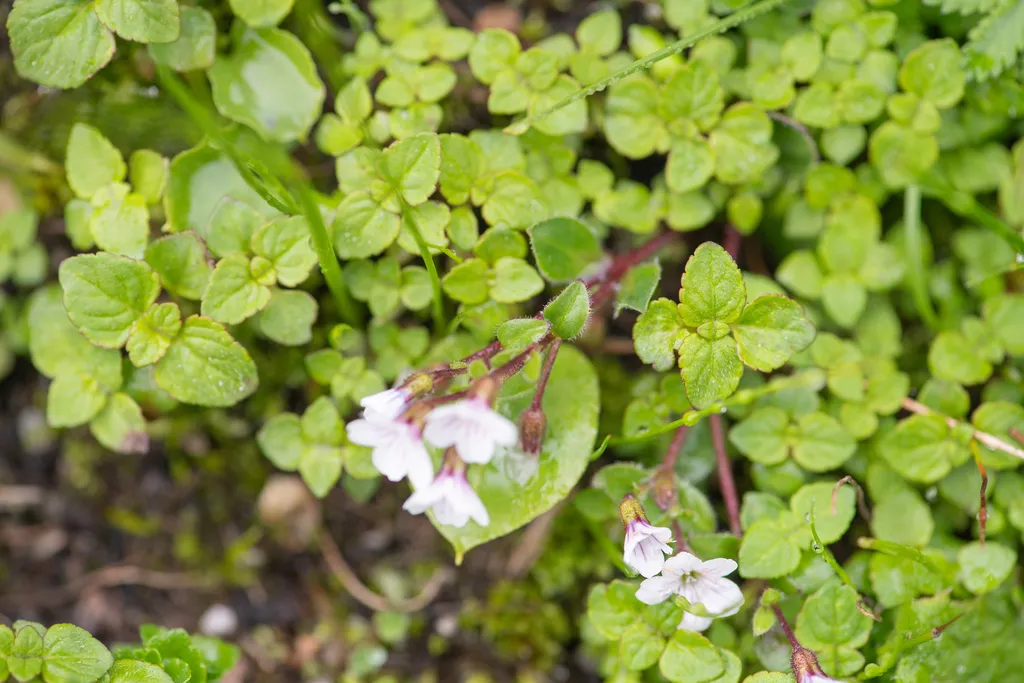
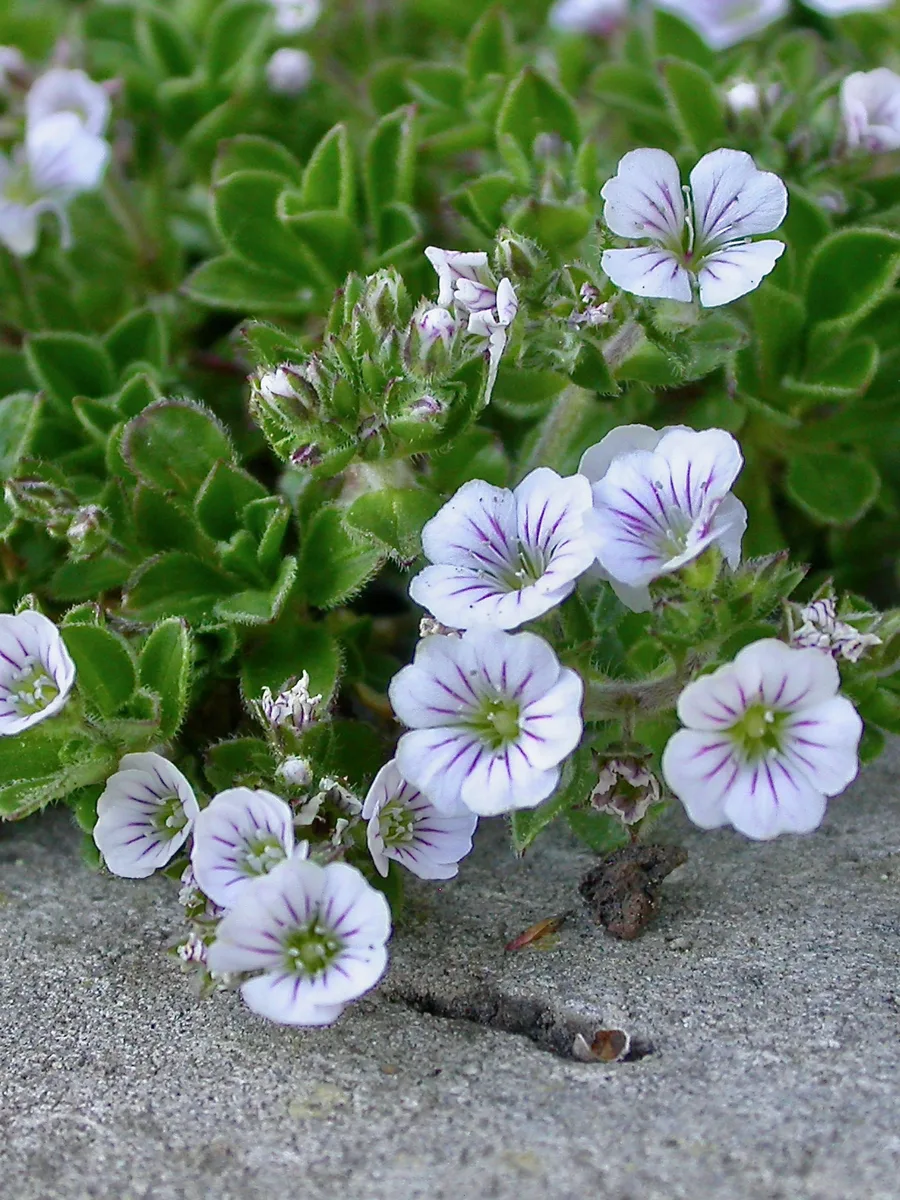
Distribution of mouse-ear gypsophila
Distribution map
- Native
- Introduced
- Cultivated
Source:WCVP v16 · Royal Botanic Gardens, Kew · CC BY 3.0 · Boundaries:WGSRPD / TDWG
Culture
Information to be completed
Toxicity
Information to be completed
Quick identification of mouse-ear gypsophila
Information to be completed
mouse-ear gypsophila care guide
- Allow top soil to dry between watering cycles, drought-tolerant alpine plant
- Watering
- Full sun
- Sunlight
- Information to be completed
- Ideal temperature

Watering
Allow top soil to dry between watering cycles, drought-tolerant alpine plant
Fertilizing
 Fertilizing
Weak balanced alpine flower feed monthly spring through summer flowering time
Pruning
 Pruning
No pruning required
Propagation
 Propagation
Propagate by seed at 13-18°C in winter or in a cold frame in spring; propagate by root cuttings in late winter
Growing
 Growing
Grow in light, sharply-drained, preferably alkaline soil in full sun. Dislikes winter wet.
People also ask
Information to be completed
Common pests and diseases
Diseases
May be susceptible to stem rots
Pests
Generally pest-free
Explore the plant health library →




