
black bryony
Also known as: devil's cherry; lady's seal; mandrake; murraim berries; oxberry
An herbaceous perennial climber often found in woodland margins, scrub and hedges. It has deep, fleshy roots and alternate, glossy heart shaped leaves to 18cm long. Small yellow-green flowers are produced in summer which have a cinnamon fragrance, and are followed by round red berries that remain on the plant until winter
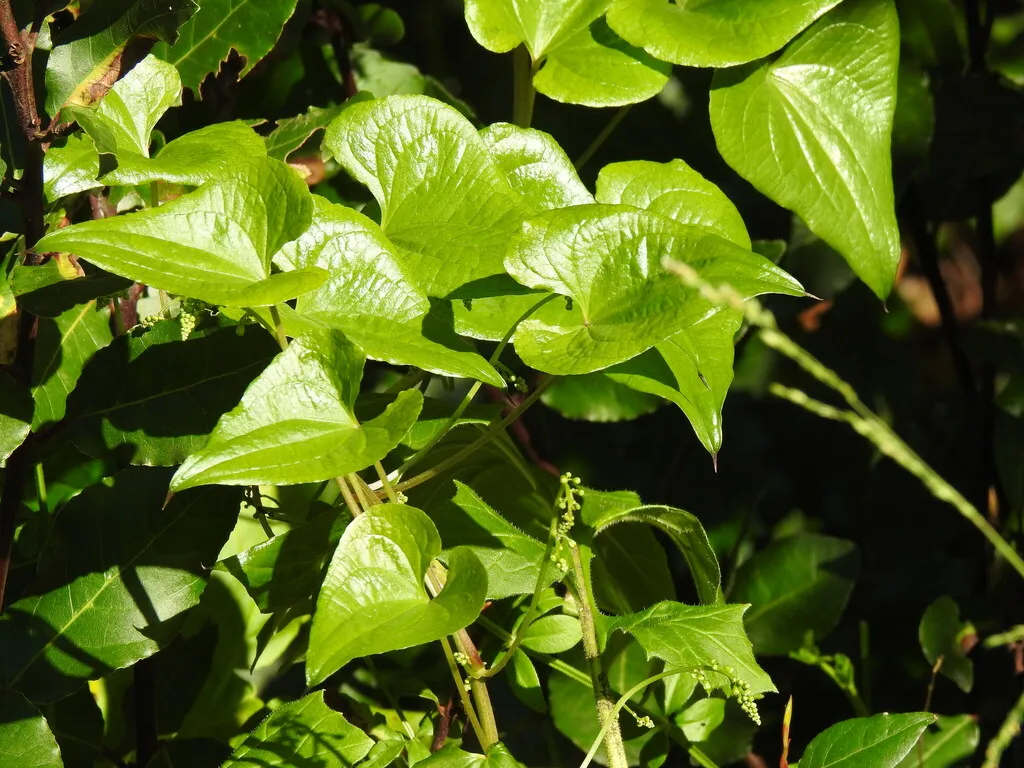
Scientific classification
- Species
- black bryony (Dioscorea communis)
- Genus
- Dioscorea
- Family
- Dioscoreaceae
- TOXIC is eaten, skin irritant. Wear gloves and other protective equipment when handling]
- Toxicity
- Climber Wall Shrub
- Plant type
- 2.5-4 metres
- Height
- 2.5-4 metres
- Spread
- Deciduous
- Foliage
- Climbing
- Habit
- Autumn · Spring · Summer · Winter
- Season of interest
- Full sun · Partial shade
- Sunlight
- Information to be completed
- Ideal temperature









black bryony pictures
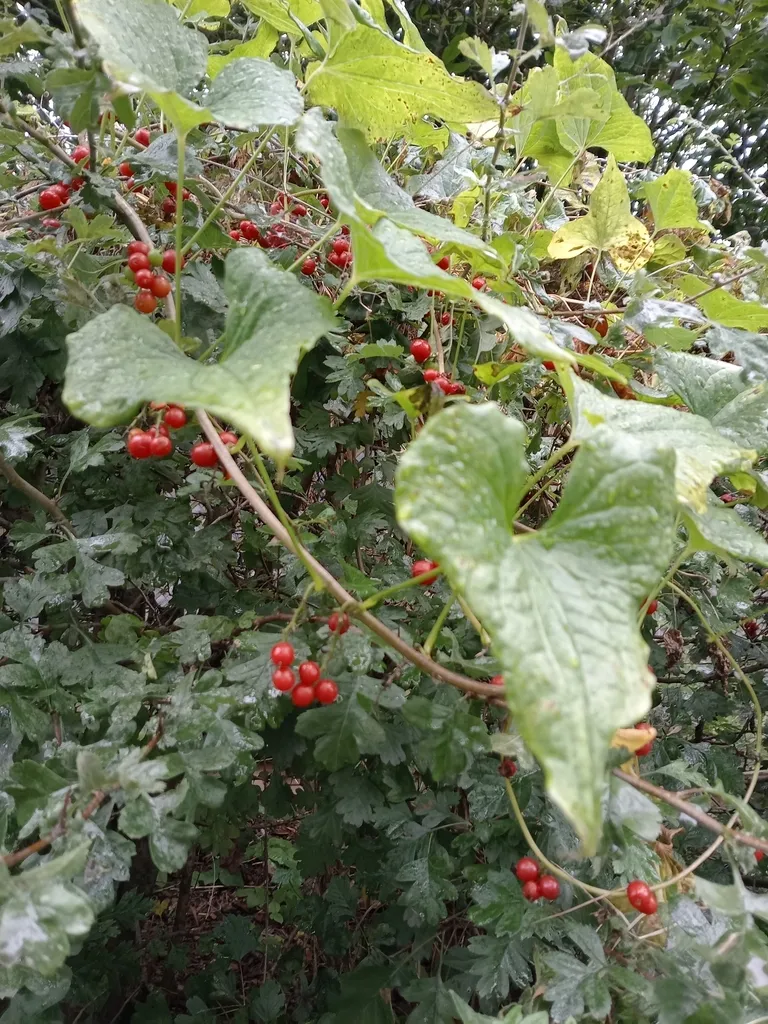
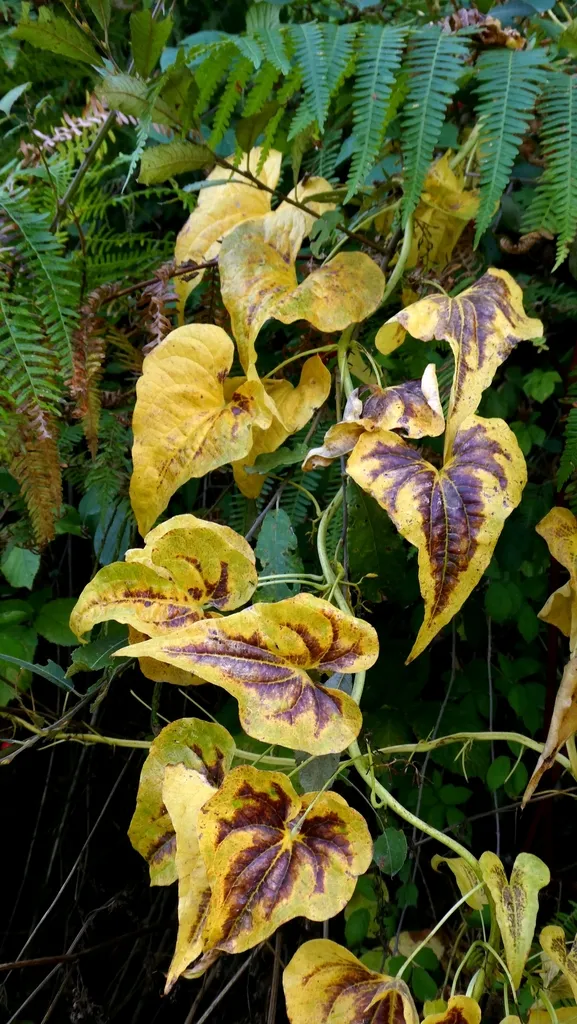
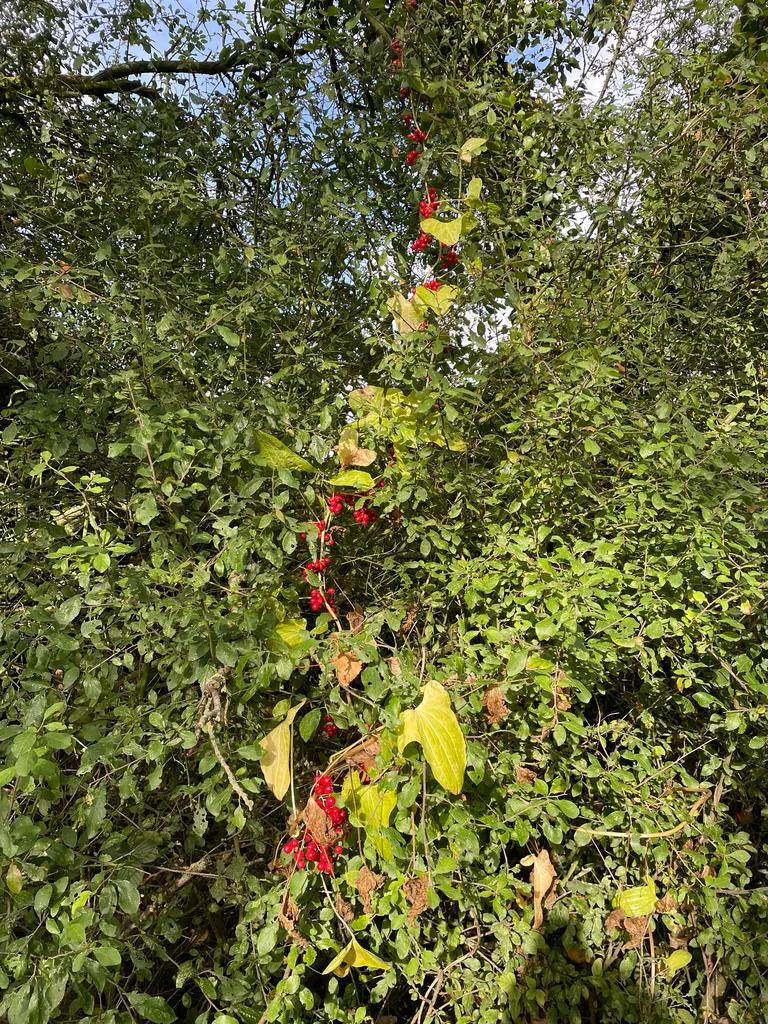
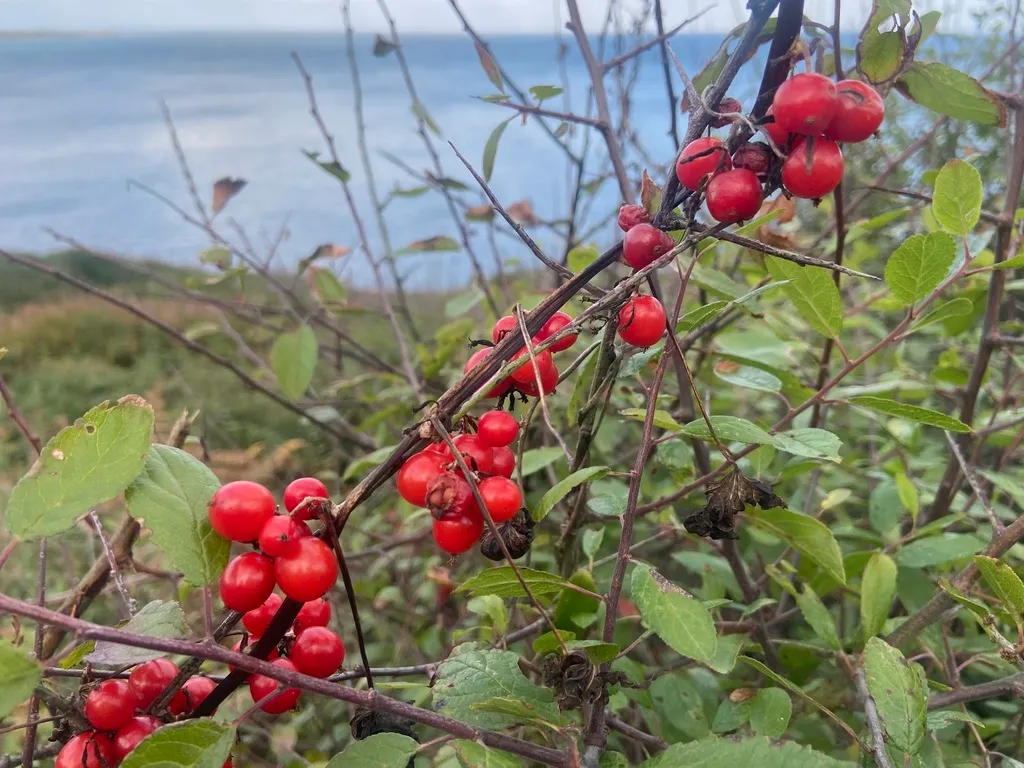
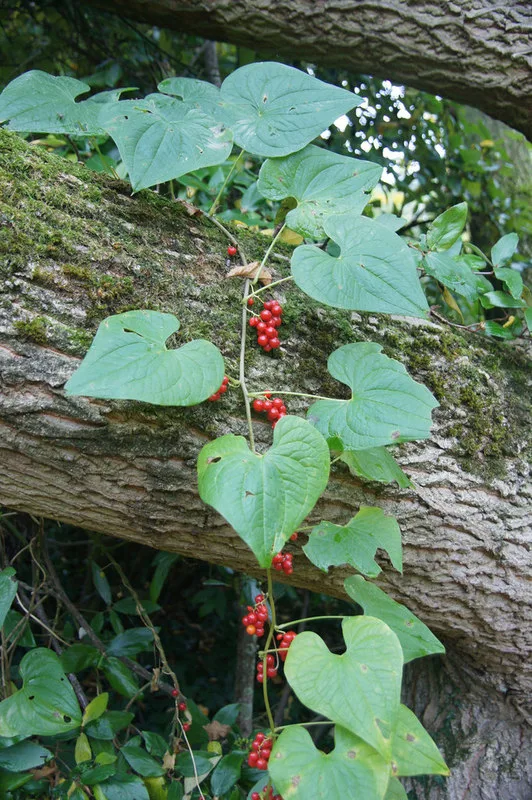
Distribution of black bryony
Distribution map
Europe, Mediterranean, Macaronesia, Southwestern Asia
Information to be completed
Culture
Information to be completed
Toxicity
TOXIC is eaten, skin irritant. Wear gloves and other protective equipment when handling]
Quick identification of black bryony
Information to be completed
black bryony care guide
- Deep watering while active, cut moisture supply during dormancy
- Watering
- Full sun · Partial shade
- Sunlight
- Information to be completed
- Ideal temperature

Watering
Deep watering while active, cut moisture supply during dormancy
Fertilizing
 Fertilizing
Weak vine balanced feed monthly spring leaf growth period
Pruning
 Pruning
Trimming on hedges may advantage the climber, which often recovers faster than hedgerow shrubs
Propagation
 Propagation
Propagate by seed
Growing
 Growing
Grows freely in sun and partial shade, less successful in full shade and in damp or poorly drained soils
People also ask
Information to be completed
Common pests and diseases
Diseases
Generally disease-free
Pests
May be susceptible to aphids and froghoppers
Explore the plant health library →




