
hebe 'James Stirling'
Also known as: Information to be completed
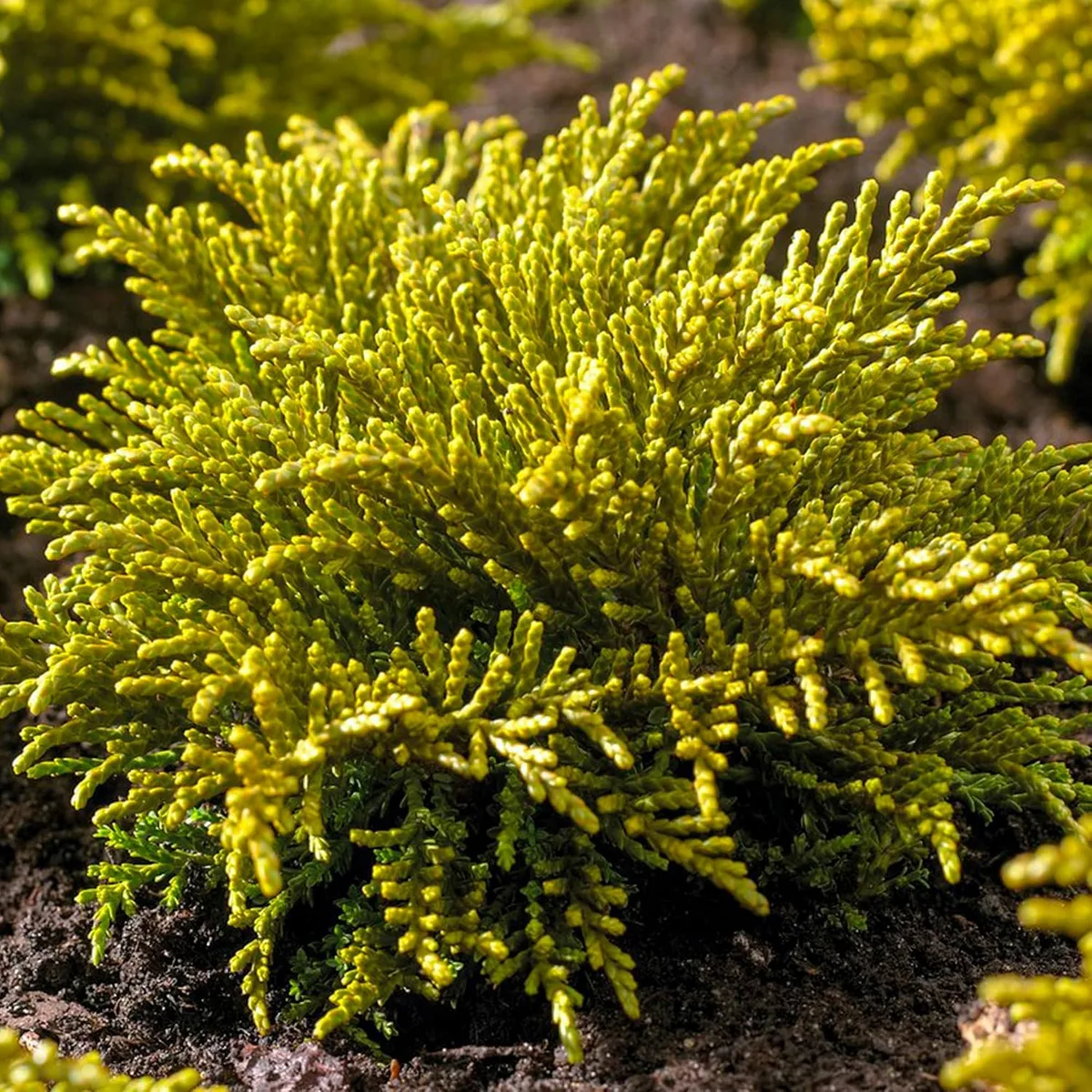
A dense, low, spreading evergreen dwarf shrub with bright ochre-coloured, scale-like leaves appressed to the stems, and small, white flowers in short axillary racemes from late spring
Scientific classification
- Species
- hebe 'James Stirling' (Veronica ochracea 'James Stirling')
- Genus
- Veronica
- Family
- Plantaginaceae
- Order
- Lamiales
- Class
- Magnoliopsida
- Phylum
- Magnoliophyta
- Information to be completed
- Toxicity
- Shrubs
- Plant type
- 0.1-0.5 metres
- Height
- 0.1-0.5 metres
- Spread
- Evergreen
- Foliage
- Bushy
- Habit
- Spring · Summer · Autumn · Winter
- Season of interest
- Full sun · Partial shade
- Sunlight
- Information to be completed
- Ideal temperature









hebe 'James Stirling' pictures
Distribution of hebe 'James Stirling'
Distribution map
- Native
- Introduced
- Cultivated
Source:WCVP v16 · Royal Botanic Gardens, Kew · CC BY 3.0 · Boundaries:WGSRPD / TDWG
hebe 'James Stirling' care guide
- Moderate regular watering, avoid prolonged waterlogging
- Watering
- Full sun · Partial shade
- Sunlight

Watering
Moderate regular watering, avoid prolonged waterlogging
Fertilizing
 Fertilizing
Light balanced feed in spring and midsummer
Pruning
 Pruning
Prune lightly as needed to remove unwanted shoots and keep the shrub in shape. Prune in mid- to late spring.
Propagation
 Propagation
Propagate by semi-hardwood cuttings
Growing
 Growing
Easy to grow in a moist but well-drained soil in sun or partial shade
Common pests and diseases
Diseases
May be susceptible to downy mildews, fungal leaf spot, fungal rot, Phytophthora and sometimes honey fungus
Pests
May be susceptible to aphids
Explore the plant health library →




