
solitary clematis
Also known as: entire-leaved clematis; virgins-bower
A deciduous, clump-forming herbaceous (non climbing) clematis to about 1-1.2m tall, with elliptical green leaves and stems topped by nodding, bell-shaped mid-blue flowers with slightly twisted outer sepals surrounding creamy-white anthers. Flowers from midsummer to early autumn, are followed by feathery, silvery seedheads
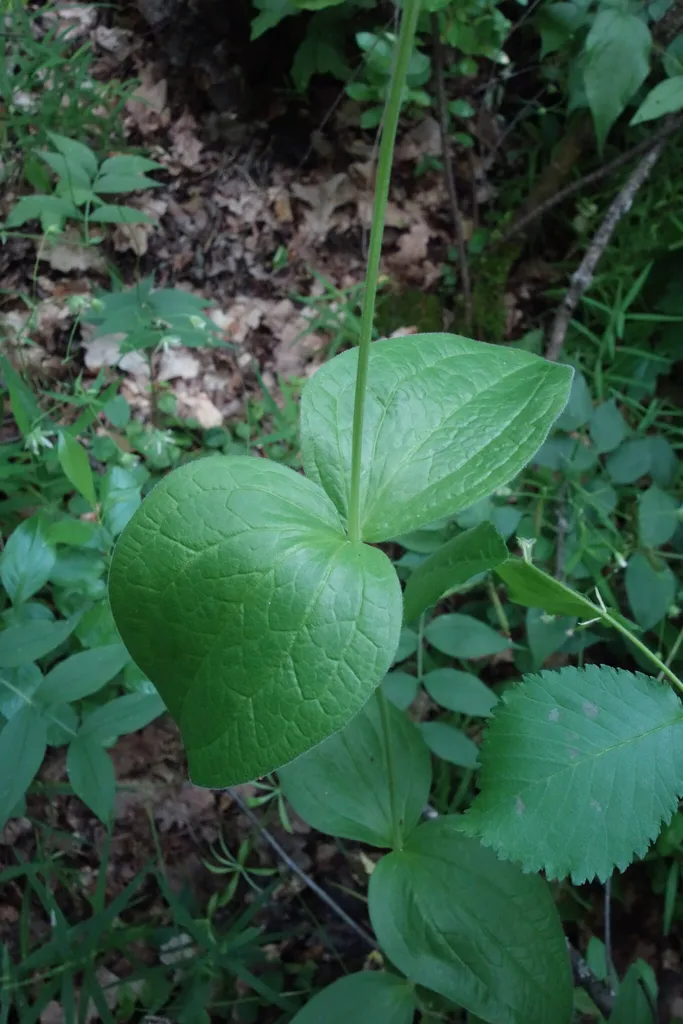
Scientific classification
- Species
- solitary clematis (Clematis integrifolia)
- Genus
- Clematis
- Family
- Ranunculaceae
- Skin irritant. Wear gloves and other protective equipment when handling
- Toxicity
- Herbaceous Perennial
- Plant type
- 1-1.5 metres
- Height
- 0.5-1 metres
- Spread
- Deciduous
- Foliage
- Clump forming
- Habit
- Spring · Summer · Autumn
- Season of interest
- Full sun · Partial shade
- Sunlight
- Information to be completed
- Ideal temperature









solitary clematis pictures
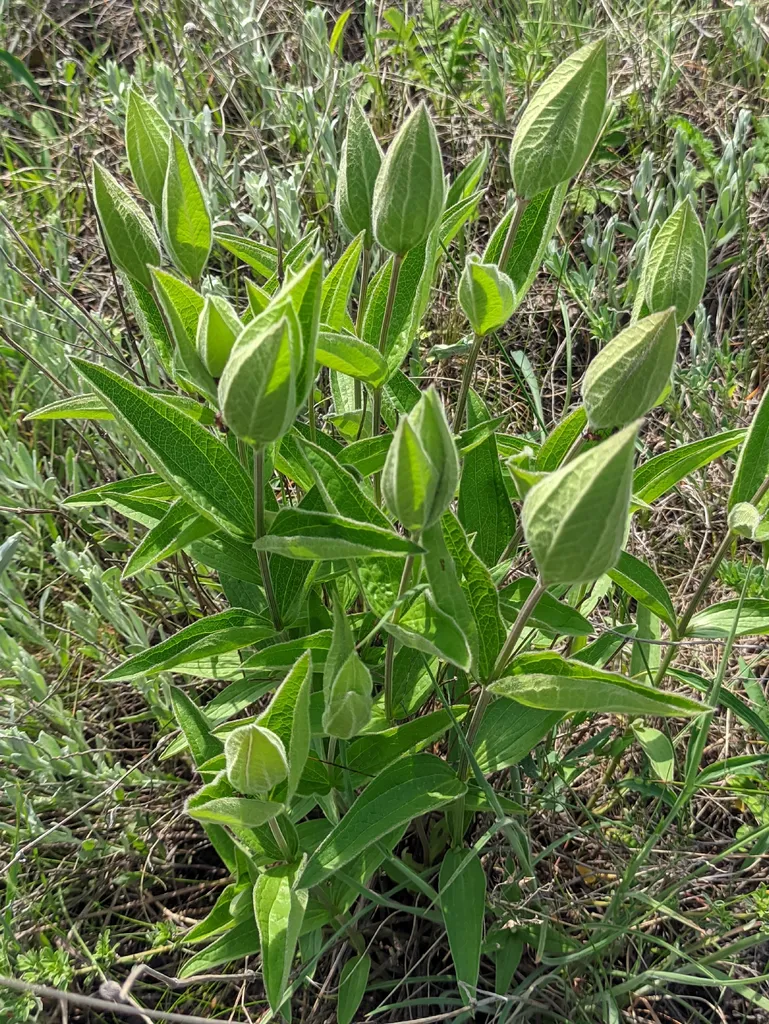
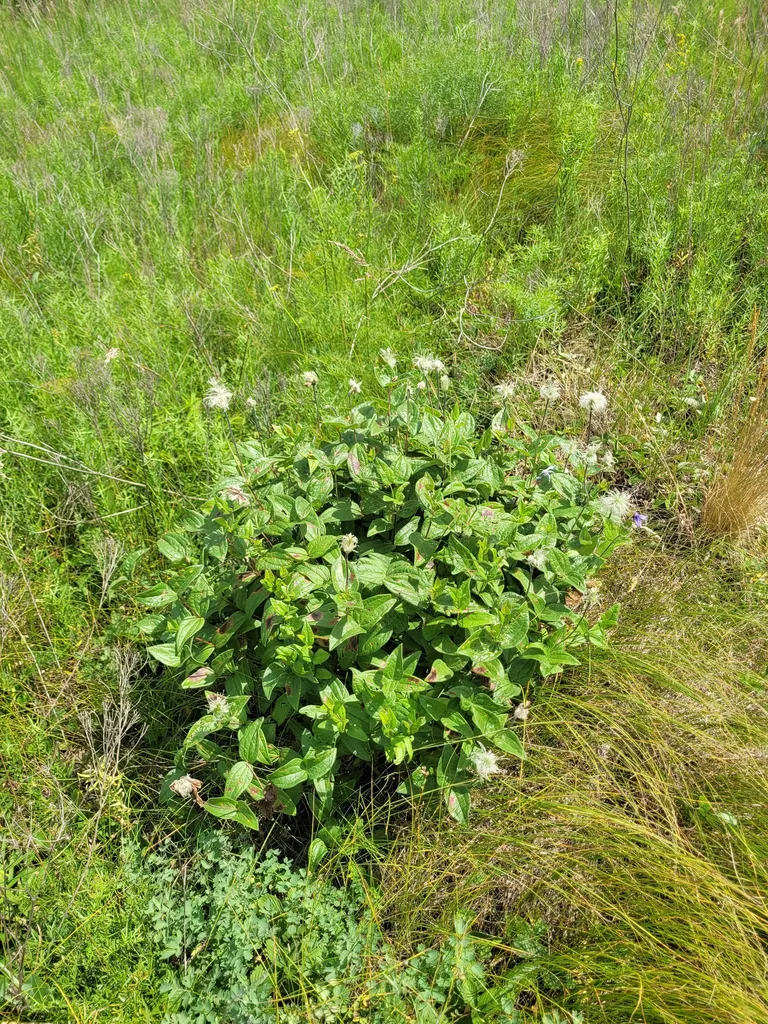
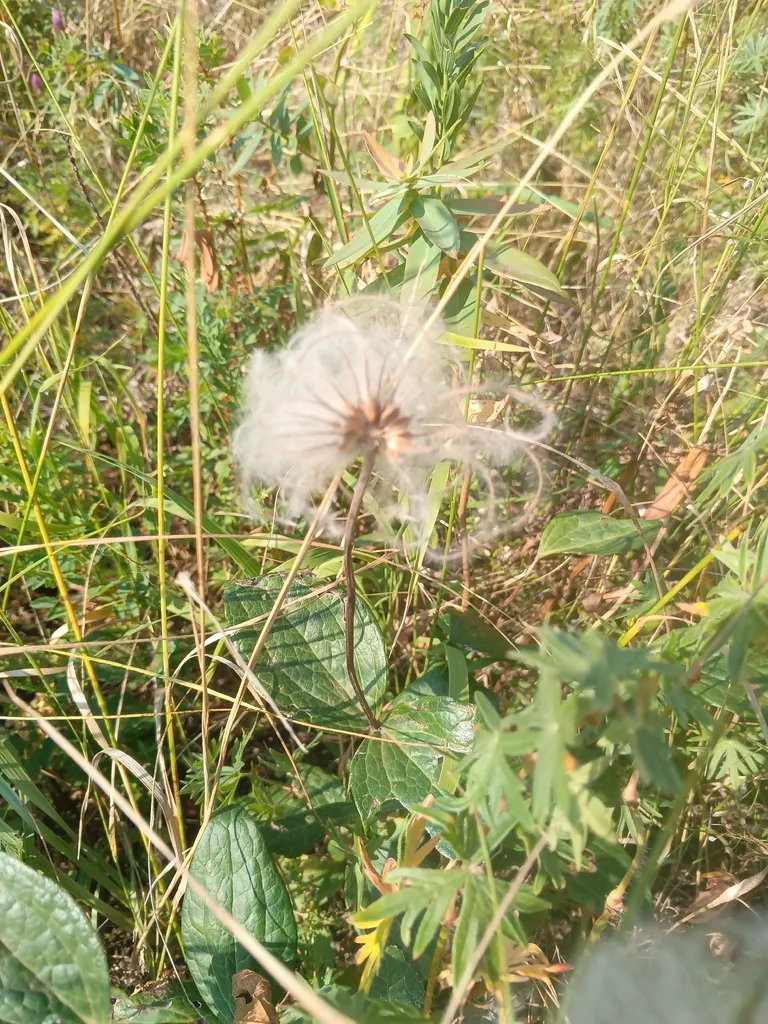
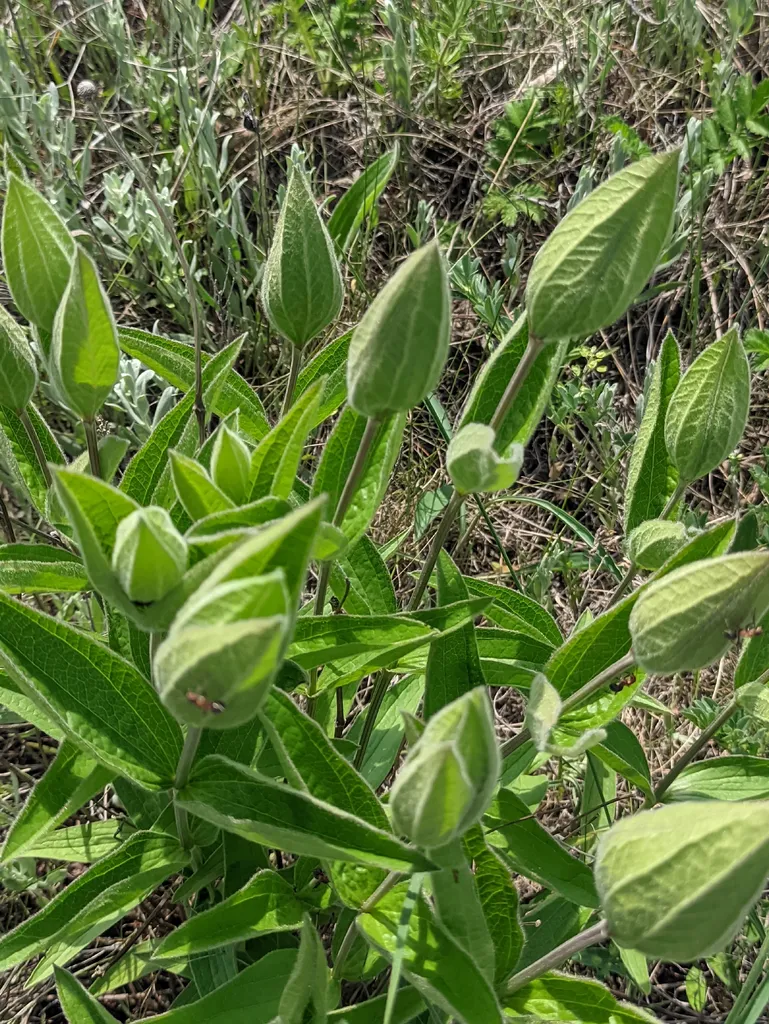
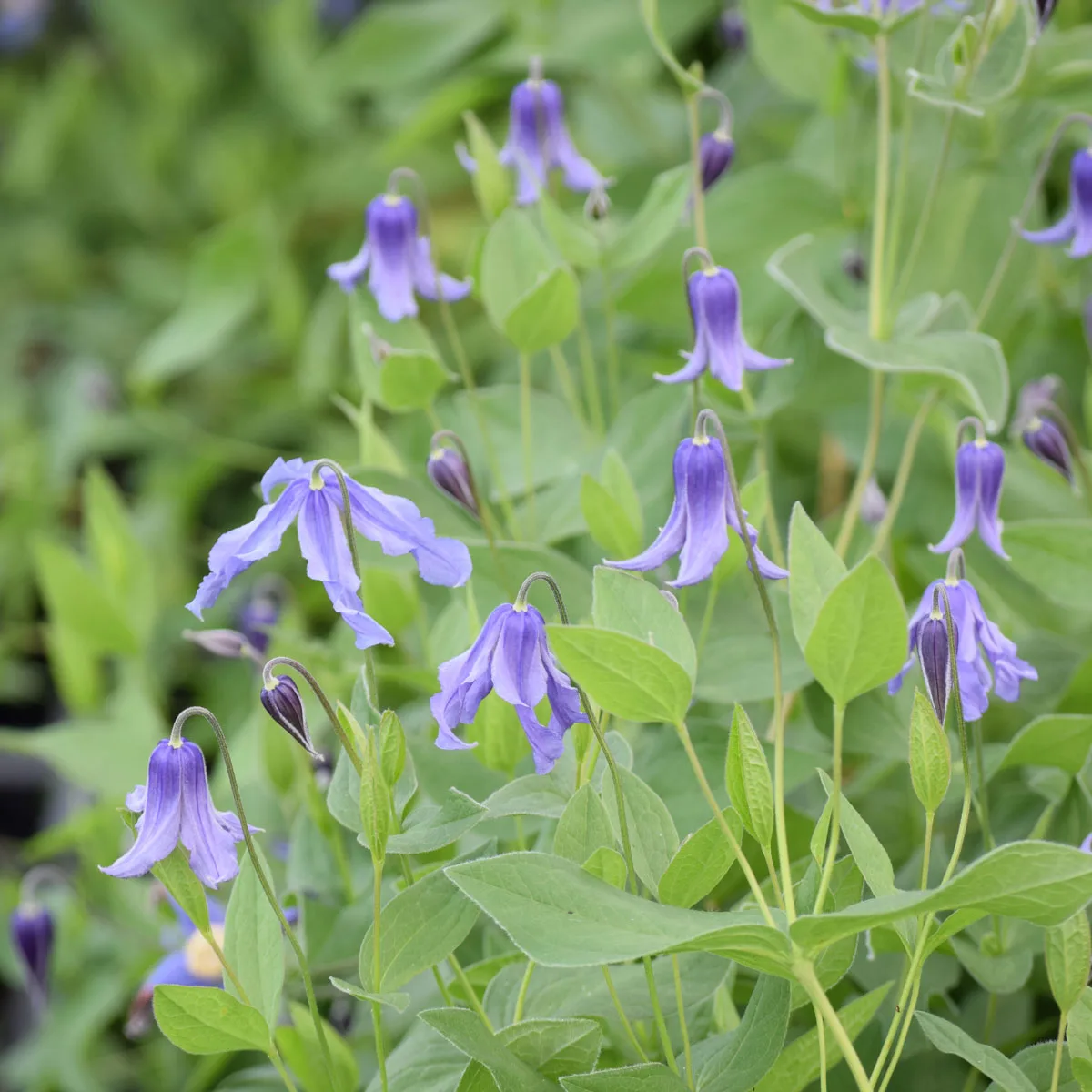
Distribution of solitary clematis
Distribution map
Central Europe to Central Asia
Information to be completed
Culture
Information to be completed
Toxicity
Skin irritant. Wear gloves and other protective equipment when handling
Quick identification of solitary clematis
Information to be completed
solitary clematis care guide
- Moderate regular watering, drain excess water swiftly after irrigation
- Watering
- Full sun · Partial shade
- Sunlight
- Information to be completed
- Ideal temperature

Watering
Moderate regular watering, drain excess water swiftly after irrigation
Fertilizing
 Fertilizing
Diluted climbing plant feed every three weeks warm growing season
Pruning
 Pruning
Clematis pruning: group three
Propagation
 Propagation
Propagate by division or take basal softwood cuttings, in spring
Growing
 Growing
Plant in a moisture-retentive, well-drained soil, with the roots and base of the plant kept cool and shaded by other plants. Plant with the crown of the clematis level with the soil. Ideal for growing through plants in the herbaceous border or through low shrubs. See clematis cultivation for more advice
People also ask
Information to be completed
Common pests and diseases
Diseases
May be susceptible to honey fungus (rarely), clematis wilt and clematis slime flux
Pests
May be susceptible to aphids, snails and caterpillars; petals may be eaten by earwigs
Explore the plant health library →




