
nodding virgin's bower
Also known as: Information to be completed
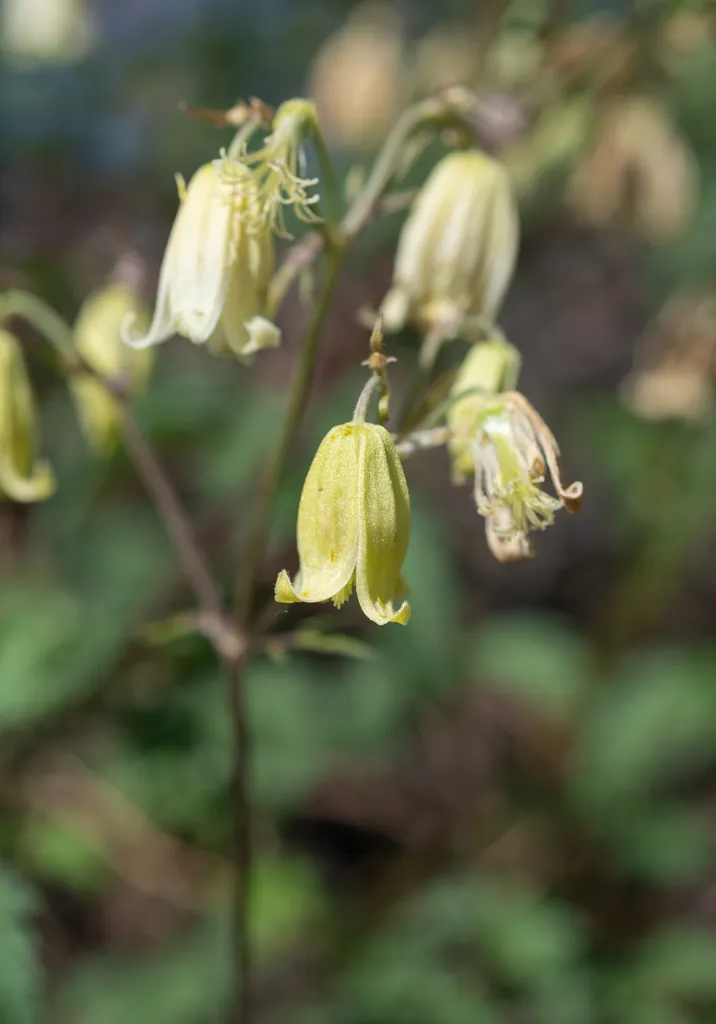
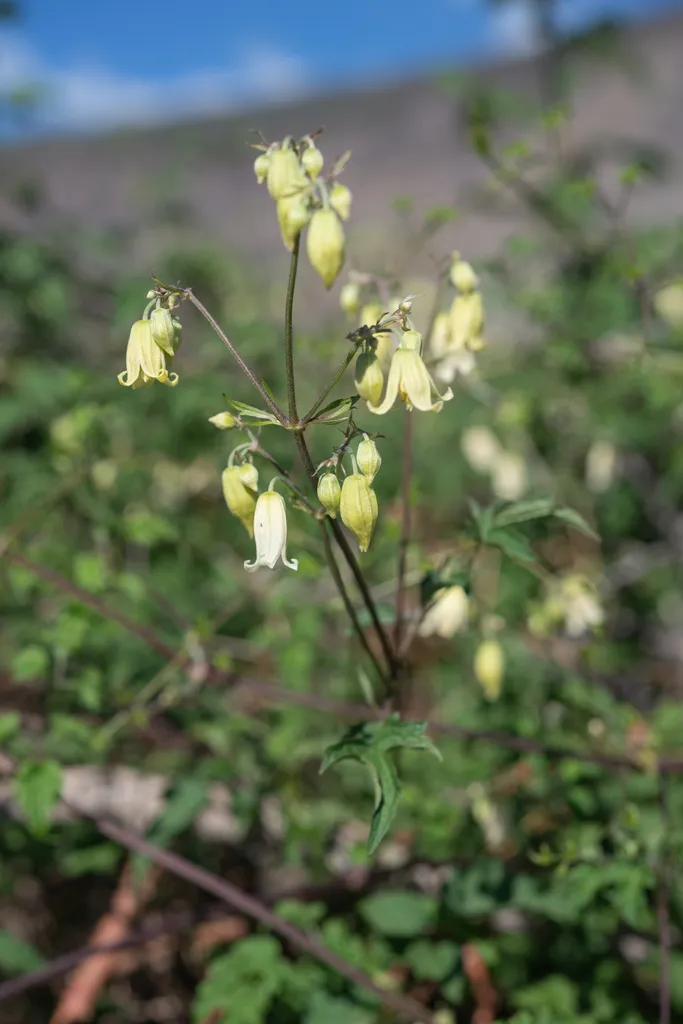
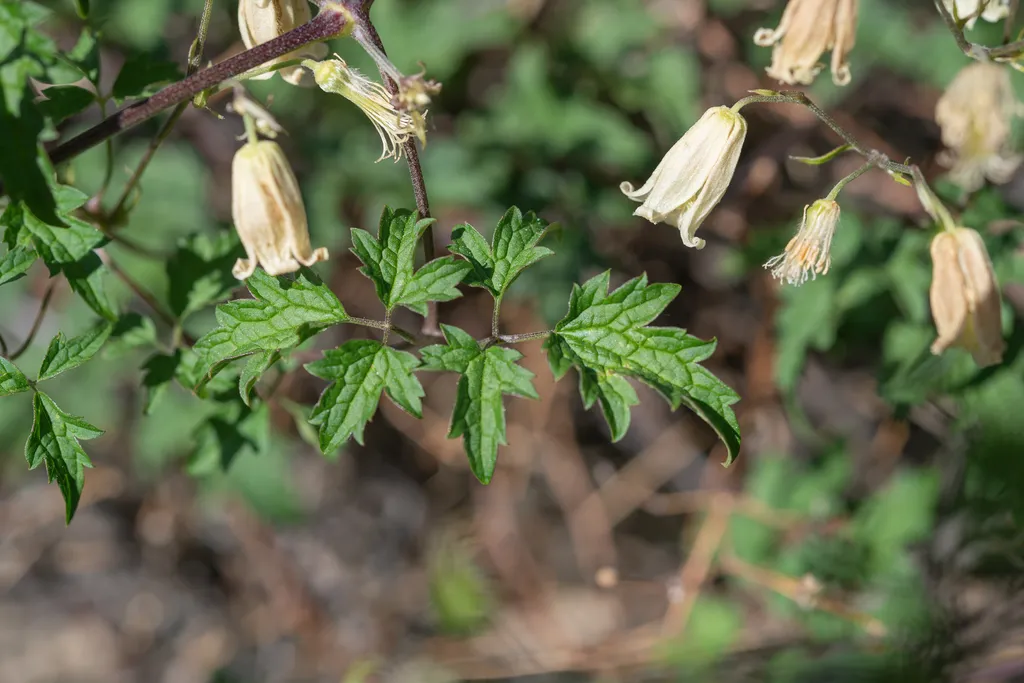
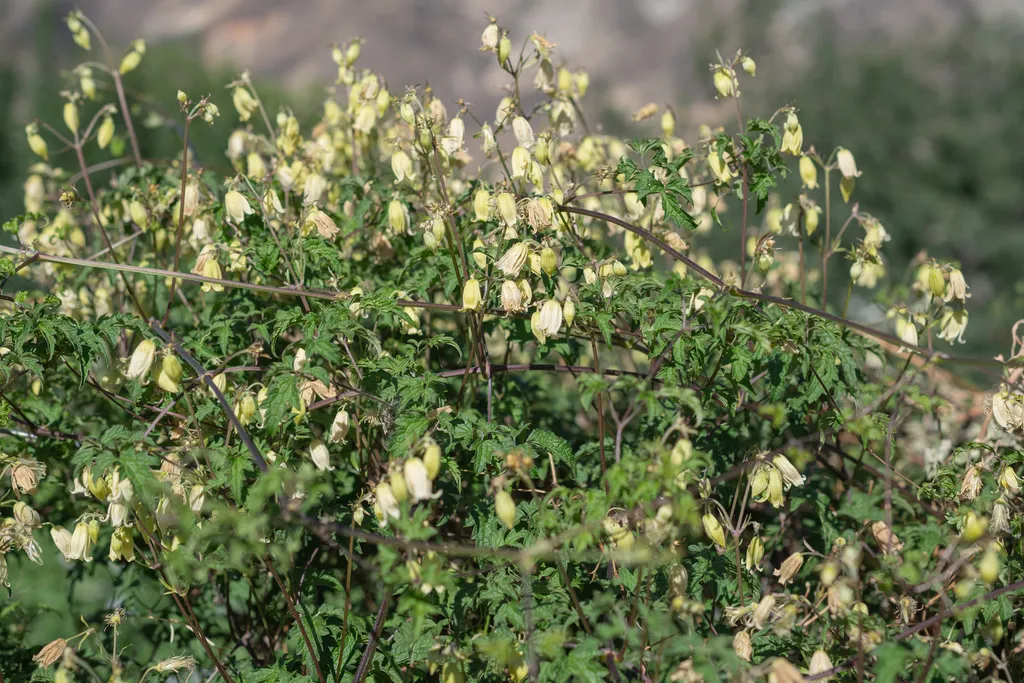
A large deciduous climber with mature mauvish-brown stems and leaves pinnately divided into serrate, oval leaflets. Velvety, bell-shaped pale yellow flowers 2cm in length with reflexed tips and greenish-brown stamens are borne in 9cm long panicles, and are sweetly scented. Flowers midsummer to early autumn
Scientific classification
- Species
- nodding virgin's bower (Clematis rehderiana)
- Genus
- Clematis
- Family
- Ranunculaceae
- Order
- Ranunculales
- Class
- Magnoliopsida
- Phylum
- Tracheophyta
- Skin irritant. Wear gloves and other protective equipment when handling
- Toxicity
- Climber Wall Shrub
- Plant type
- 4-8 metres
- Height
- 1.5-2.5 metres
- Spread
- Deciduous
- Foliage
- Climbing
- Habit
- Spring · Summer · Autumn
- Season of interest
- Full sun · Partial shade
- Sunlight
- Information to be completed
- Ideal temperature









nodding virgin's bower pictures
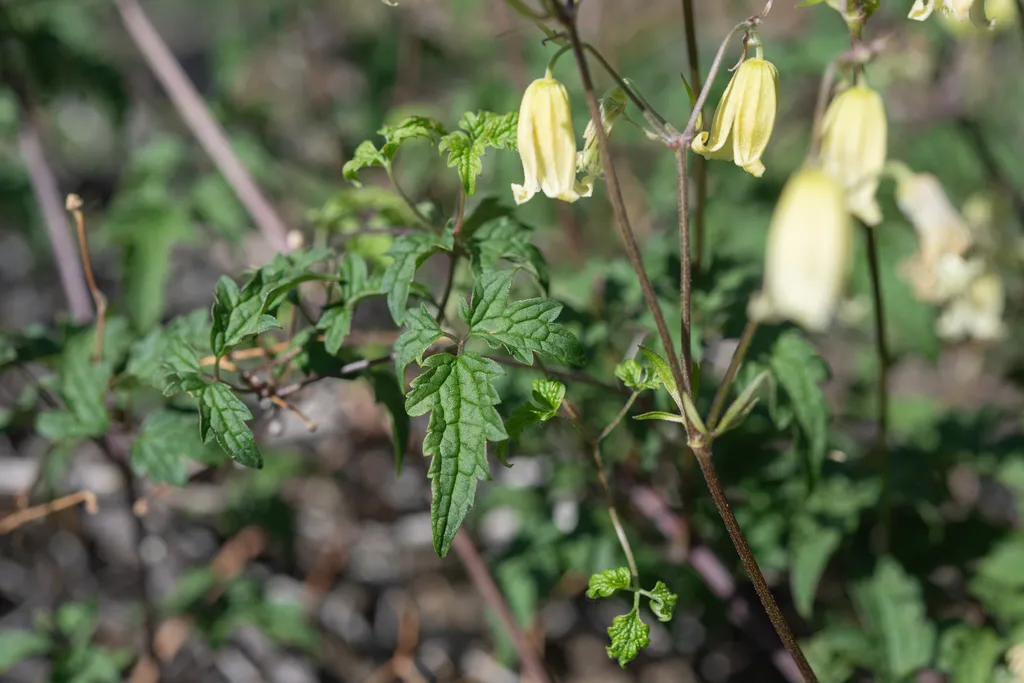
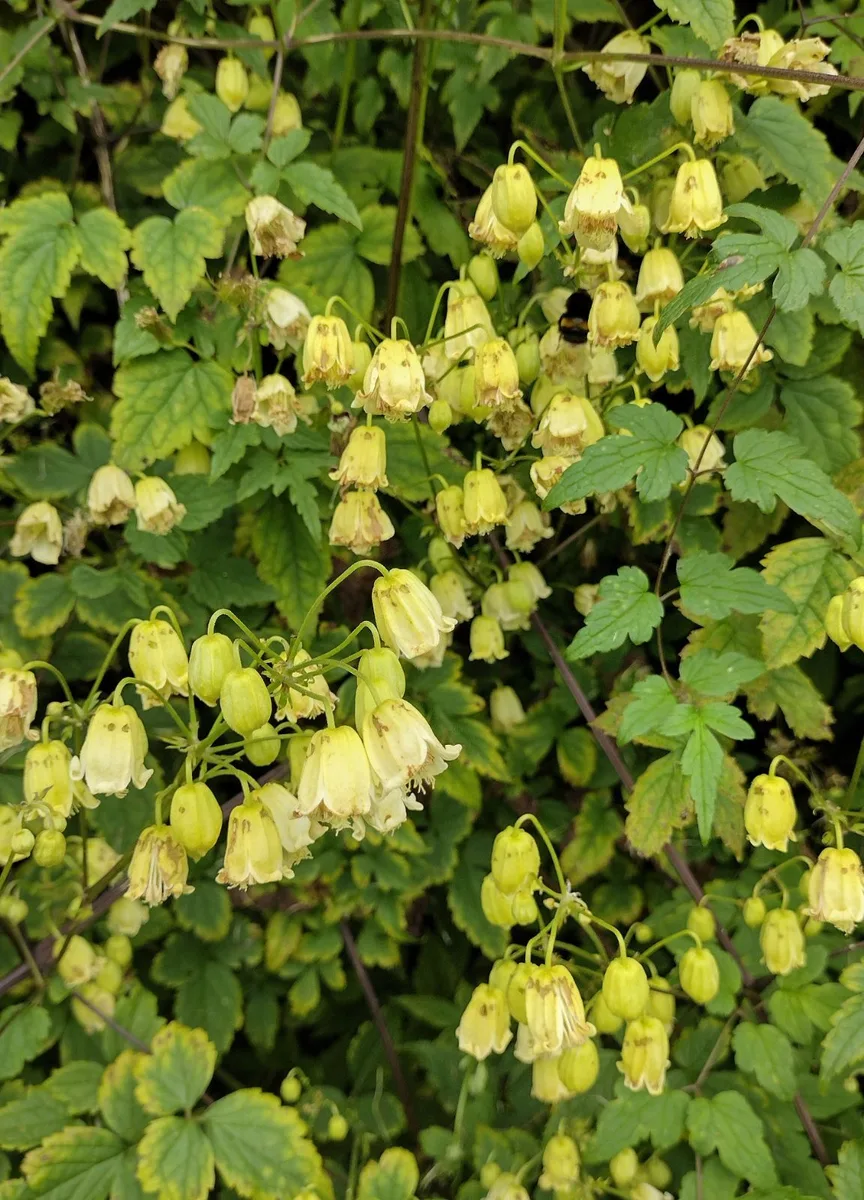
Distribution of nodding virgin's bower
Distribution map
- Native
- Introduced
- Cultivated
Source:WCVP v16 · Royal Botanic Gardens, Kew · CC BY 3.0 · Boundaries:WGSRPD / TDWG
Toxicity
Skin irritant. Wear gloves and other protective equipment when handling
nodding virgin's bower care guide
- Moderate regular watering, avoid prolonged drought and stagnant waterlogging
- Watering
- Full sun · Partial shade
- Sunlight

Watering
Moderate regular watering, avoid prolonged drought and stagnant waterlogging
Fertilizing
 Fertilizing
Balanced perennial feed every four weeks spring through summer growth
Pruning
 Pruning
Clematis pruning: group three
Propagation
 Propagation
Propagate by seed, layering or semi-hardwood cuttings
Growing
 Growing
Plant in a moisture-retentive, well-drained soil, with the roots and base of the plant kept cool and shaded by other plants or a layer of pebbles at the base. Plant with the crown 5-8cm (2-3in) deep to encourage new shoots to grow from below ground level. See clematis cultivation for more advice
Common pests and diseases
Diseases
May be susceptible to honey fungus (rarely), clematis wilt and clematis slime flux
Pests
May be susceptible to aphids, snails and caterpillars; petals may be eaten by earwigs
Explore the plant health library →




